
Imagine the deep, thrumming heartbeat of your favorite songs. That’s the bass guitar at work, laying down the groove that makes you want to move. But if you’re just starting out, diving into the world of bass guitars can feel like trying to find a single note in a roaring orchestra. So many choices, so many confusing terms – where do you even begin?
Choosing your first bass shouldn’t be a frustrating experience. It’s about finding the instrument that sparks your passion and helps you learn without holding you back. Many beginners get overwhelmed by the sheer variety, unsure if they’re picking the right size, weight, or sound. This can lead to discouragement and even quitting before you’ve truly begun to explore your musical potential.
But don’t worry! This guide is here to cut through the noise and make your bass journey exciting from day one. We’ll break down the essential things you need to know to pick a beginner bass that feels great in your hands, sounds fantastic, and won’t break the bank. By the time you’re done reading, you’ll feel confident and ready to find the perfect bass to start your musical adventure.
Our Top 5 Beginner Basses Recommendations at a Glance
Top 5 Beginner Basses Detailed Reviews
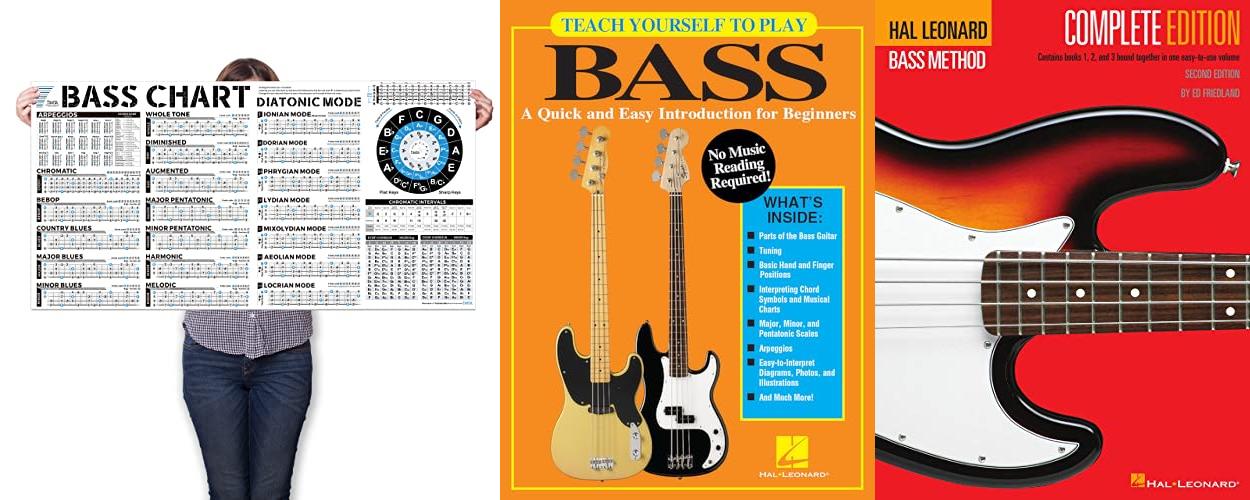
1. Bass Scales Modes Chart of Pentatonic

Rating: 9.5/10
Unlock your bass guitar potential with this massive, all-in-one Bass Scales Modes Chart poster. Designed for players of all levels, from absolute beginners to seasoned adults and kids, this chart puts essential musical knowledge right on your wall. It’s packed with the scales and modes you’ll need to master, making learning and practice much easier than flipping through books.
What We Like:
- Covers a huge range of scales and modes: Pentatonic, Blues, Harmonic Minor, Melodic Minor, Diatonic modes (Ionian, Dorian, Phrygian, Lydian, Mixolydian, Aeolian, Locrian), Chromatic, Bebop, and Symmetrical scales.
- Includes a Circle of Fifths wheel and a bass guitar fretboard with note names, giving you a complete reference.
- Large 24”x 47” (60×120 cm) size makes it easy to see and read from anywhere in the room.
- Printed on premium canvas with high-pixel printing and wide color ink for vibrant, clear visuals.
- Matt UV coated laminated finish prevents glare from lights, ensuring easy viewing.
- An incredible tool for bass players, teachers, and beginners to improve technique and apply knowledge instantly.
What Could Be Improved:
- The sheer amount of information might be a bit overwhelming for absolute beginners at first glance.
- While durable, a rolled poster might require careful handling to avoid creases.
This Bass Scales Modes Chart is an indispensable resource for any bassist looking to expand their musical vocabulary and improve their playing. It’s a powerful visual aid that simplifies complex musical concepts.
2. Teach Yourself to Play Bass Guitar – Beginner’s Guide with Easy Tablature

Rating: 8.9/10
Ready to groove? The “Teach Yourself to Play Bass Guitar – Beginner’s Guide” is your ticket to making music. This book is packed with everything a beginner needs. You’ll learn easy tablature, chords, and scales. It even covers basic music theory. The step-by-step lessons work for both electric and acoustic bass guitars. It’s a fantastic starting point for anyone who wants to play the bass.
What We Like:
- It’s a book only, meaning no extra gear is needed to start learning.
- The 56 pages are filled with clear, easy-to-understand lessons.
- It covers essential elements like tablature, chords, and scales.
- The step-by-step approach is perfect for absolute beginners.
- It’s designed for both electric and acoustic bass, offering versatility.
What Could Be Improved:
- Being a book only, it doesn’t include any audio or video examples, which some learners might prefer.
- The 56-page count might feel a little short for some, depending on the depth of each lesson.
This guide makes learning the bass guitar accessible and fun for everyone. Grab this book and start your musical journey today!
3. Hal Leonard Electric Bass Method – Complete Edition

Rating: 9.3/10
Ready to rock the bass guitar? The Hal Leonard Electric Bass Method – Complete Edition is your ultimate guide to learning. This all-in-one book brings together Books 1, 2, and 3, making it super easy to progress from a total beginner to a confident player. You’ll find both standard musical notes and easy-to-read tablature, which is perfect for anyone just starting out on the bass. With 144 pages packed with lessons and songs, this second edition is designed to help you learn effectively.
What We Like:
- All three books in one: This means you get a complete learning journey without buying separate books.
- Standard notation and tablature: It caters to different learning styles, making it accessible for everyone.
- Step-by-step approach: The method gradually builds your skills, so you don’t feel overwhelmed.
- Plenty of practice material: 144 pages offer a lot of exercises and songs to keep you busy and learning.
What Could Be Improved:
- Online audio might be separate: Sometimes, accompanying audio tracks are sold separately, which could be a minor drawback.
- Pace might be too fast for some: While comprehensive, very slow learners might wish for even more gradual progression in certain sections.
This complete edition offers fantastic value and a solid foundation for any aspiring bassist. It’s a comprehensive resource that will guide you through the essentials of playing the electric bass.
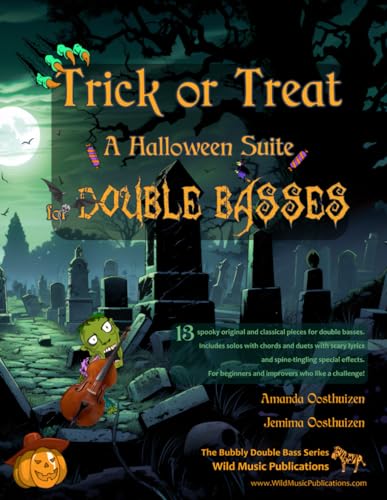
4. Trick or Treat – A Halloween Suite for Double Bass: A spooky selection of 13 original and classical pieces arranged for Double Basses. Includes duets … effects. For beginners who like a challenge!
Rating: 9.1/10
Get ready to make some noise this Halloween with “Trick or Treat – A Halloween Suite for Double Bass.” This collection offers 13 spooky tunes, mixing brand new creepy compositions with classic Halloween favorites. It’s all arranged specially for double basses, so you and a friend can team up for some awesome duets. You’ll even find fun sound effects to really get into the Halloween spirit. This suite is designed for beginner bass players who are ready to tackle something a little more challenging and exciting.
What We Like:
- A fantastic mix of 13 original and classical Halloween-themed pieces.
- Includes duets, making it perfect for playing with a friend.
- Features special sound effects to add to the spooky atmosphere.
- Offers a great challenge for beginners, helping them grow their skills.
- Encourages creative expression and a fun approach to practicing.
What Could Be Improved:
- The “N/A” feature listed is not descriptive; more details would be helpful.
- Could benefit from clearer guidance on which pieces are more beginner-friendly within the challenging context.
This “Trick or Treat” suite is a wonderfully spooky and engaging way for young double bassists to celebrate Halloween. It provides a fantastic opportunity to develop musical skills while having a monstrously good time.
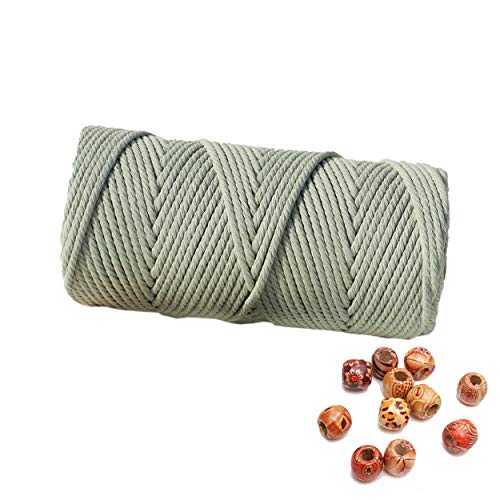
5. Macrame Cord 3mm 109 Yards Sage Green 1 Pack
Rating: 9.4/10
Get ready to create beautiful handmade projects with this 3mm Sage Green Macrame Cord! This natural cotton rope comes in a generous 109-yard pack, perfect for all your crafting needs. Its lovely sage green color adds a touch of nature to any creation, making it ideal for beginners and experienced crafters alike.
What We Like:
- 100% natural and eco-friendly cotton, so it’s good for the planet.
- The 4-strand twist makes it easy to work with and prevents tangles.
- It’s soft and strong, perfect for knotting and fraying for fringe effects.
- The beautiful sage green color is eye-catching and works well for tapestries and plant hangers.
- Comes neatly packaged on a spool to keep it tidy and ready to use.
- Great for a wide variety of crafts, from dreamcatchers to pet toys.
What Could Be Improved:
- The exact number of crafts you can make depends on your project size and chosen knots.
This macrame cord is a fantastic choice for anyone looking to dive into the world of fiber arts or add to their existing collection. Its quality and versatility make it a joy to use for any handmade decoration.
Your First Bass: A Beginner’s Buying Guide
So you want to play bass guitar? That’s awesome!
The bass guitar is the heartbeat of a band. It holds down the rhythm and makes people want to dance. Picking out your first bass can feel a little overwhelming, but don’t worry! This guide will help you find the perfect bass to start your musical journey.
Key Features to Look For
1. Number of Strings
- Most beginner basses have 4 strings. This is the standard and what most songs use.
- You might see 5-string basses, but these can be a bit trickier for beginners. Stick with 4 strings to start.
2. Body Shape and Comfort
Basses come in different shapes, but many beginner models are designed for comfort. Look for a bass that feels good when you hold it. It shouldn’t be too heavy or awkward. Many beginner basses have a classic shape that’s easy to hold and play.
3. Pickups
Pickups are like the bass’s “ears.” They capture the sound of the strings. There are two main types:
- P-style (Precision Bass): These give a punchy, classic bass sound. They are great for many music styles.
- J-style (Jazz Bass): These offer a more versatile sound, good for funk and rock.
Many beginner basses have one or both of these pickup types. Don’t stress too much about this now; most beginner basses sound good!
4. Neck and Fretboard
The neck is the long part you hold with your fretting hand. The fretboard is the smooth part on top of the neck where the frets (the metal strips) are. A comfortable neck is important. It should feel smooth and not too thick or thin for your hand.
Important Materials
The wood used in a bass affects its sound and weight.
1. Body Wood
- Alder: This is a common wood for bass bodies. It’s not too heavy and gives a balanced sound.
- Mahogany: This wood can make the bass sound warmer and deeper. It’s often a bit heavier.
2. Neck and Fretboard Wood
- Maple: This is used for many necks and fretboards. It’s strong and gives a bright, clear sound.
- Rosewood: This wood is often used for fretboards. It feels smooth and helps make the sound a little warmer.
For beginners, alder bodies and maple necks are a great starting point.
Factors That Improve or Reduce Quality
What makes a bass good or not-so-good?
Things That Make a Bass Better:
- Good Tuning Machines: These help your bass stay in tune.
- Solid Construction: The bass should feel sturdy, not loose.
- Smooth Frets: The edges of the frets should not be sharp.
- Well-Set-Up Action: This means the strings are at a good height above the fretboard. It makes playing easier.
Things That Can Reduce Quality:
- Wobbly Tuning Machines: They won’t hold the tune.
- Poorly Finished Wood: Rough spots or cracks.
- Sharp Fret Edges: They can cut your fingers.
- High Action: The strings are too far from the fretboard, making it hard to press down.
Many beginner basses are made to be affordable, so sometimes quality can vary. Reading reviews and trying a bass out if possible helps a lot.
User Experience and Use Cases
A beginner bass should be easy and fun to play. You want to be able to practice without struggling.
- Practice at Home: Your first bass will be your main tool for learning scales, chords, and songs.
- Jamming with Friends: Once you get comfortable, you’ll want to play with other musicians. A versatile beginner bass works well for this.
- Learning Different Styles: Whether you want to play rock, pop, blues, or funk, a good beginner bass can handle it.
The goal is to have a bass that inspires you to pick it up every day. It should feel like an extension of yourself.
Beginner Bass FAQ
Q: What is the best type of bass for a total beginner?
A: A 4-string bass with a comfortable neck and a classic body shape is usually best. Models like the Squier Affinity P-Bass or Jazz Bass are popular choices.
Q: Do I need to buy an amplifier too?
A: Yes, you will need a bass amplifier to hear your bass guitar. Small practice amps are perfect for beginners.
Q: How much should I expect to spend on a beginner bass?
A: You can find good beginner basses for around $150 to $300. Don’t feel like you need to spend a lot of money when you’re just starting.
Q: Is it okay if my first bass isn’t perfect?
A: Absolutely! Your first bass is for learning. You can always upgrade later as you improve and discover what you like.
Q: What does “action” mean on a bass guitar?
A: Action refers to the height of the strings above the fretboard. Lower action makes it easier to play, while higher action can give more sustain and volume.
Q: Should I get a bass with passive or active electronics?
A: Most beginner basses have passive electronics, which are simpler. Active electronics have a battery and can give you more control over your tone, but they are usually found on more expensive basses.
Q: How often should I tune my bass?
A: You should tune your bass every time you play it. Strings can go out of tune due to temperature changes and playing.
Q: Can I play bass guitar with a pick or my fingers?
A: You can play bass with both! Many bassists use their fingers, but using a pick is also common and can give a different sound.
Q: What are some good brands for beginner basses?
A: Squier (by Fender), Ibanez, Yamaha, and Epiphone make excellent beginner bass guitars.
Q: Should I buy a used bass?
A: Buying a used bass can be a great way to save money, but make sure to inspect it carefully for any damage or issues before buying.
In conclusion, every product has unique features and benefits. We hope this review helps you decide if it meets your needs. An informed choice ensures the best experience.
If you have any questions or feedback, please share them in the comments. Your input helps everyone. Thank you for reading.