
Have you ever watched a bird flit by your window and wondered what kind it was? Or maybe you’ve dreamt of having a feathered friend to share your home with? Birds are amazing creatures, full of personality and beauty. But when you’re new to bird ownership, picking the right one can feel overwhelming. There are so many different types, and each has its own needs!
It’s easy to feel lost when you’re just starting out. You might worry about choosing a bird that’s too noisy, too messy, or too difficult to care for. You want a companion that will bring joy, not stress. That’s where this guide comes in! We’re here to help you navigate the world of beginner-friendly birds.
By the time you finish reading, you’ll know which birds are perfect for first-time owners. You’ll understand what makes them great companions and what you need to get started. Get ready to discover your perfect feathered friend!
Our Top 5 Birds For Beginners Recommendations at a Glance
Top 5 Birds For Beginners Detailed Reviews
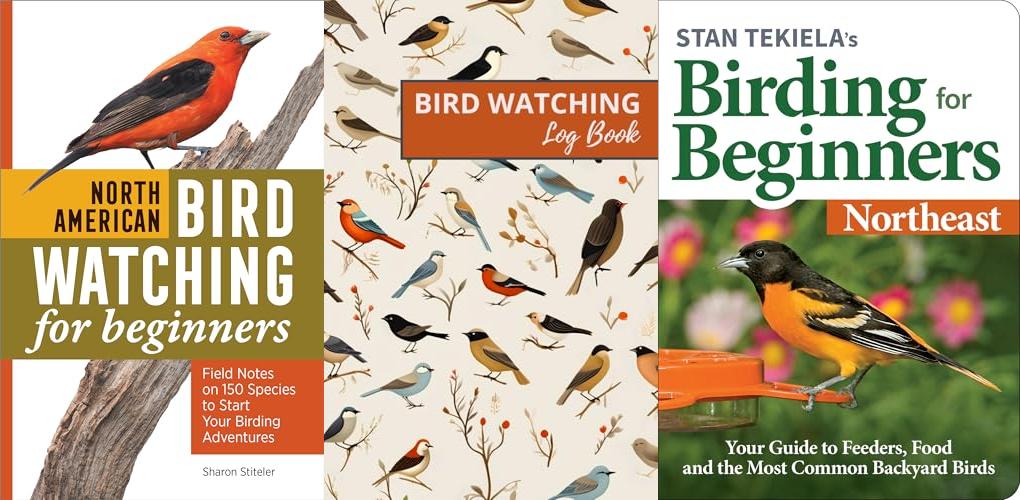
1. North American Bird Watching for Beginners: Field Notes on 150 Species to Start Your Birding Adventures (Bird Watching Adventures)

Rating: 9.3/10
Dreaming of spotting vibrant cardinals or soaring hawks? “North American Bird Watching for Beginners” is your perfect starting point! This guide makes bird watching easy and fun for everyone. It’s packed with useful information to help you begin your exciting birding journey right away. You’ll learn about 150 different bird species found across North America.
What We Like:
- This book is a fantastic introduction to bird watching.
- It covers 150 common North American birds.
- The “Field Notes” format makes it easy to record your own sightings.
- It’s designed specifically for beginners, so no prior knowledge is needed.
- The “Bird Watching Adventures” title promises fun and exploration.
What Could Be Improved:
- The book doesn’t include detailed maps of bird habitats.
- More illustrations or photographs of each bird would be helpful.
- It could benefit from tips on choosing binoculars or other gear.
- A section on bird calls and songs might be a useful addition.
- The “N/A” for features suggests there might be missing information about the book’s specific content beyond species.
This guide offers a solid foundation for anyone looking to start bird watching. It’s a great companion for your first outdoor adventures.
2. Bird Watching Log Book: Awesome Birding Journal for Bird Watchers & Birders – Birding Field Notebook to Track and Record Bird Sightings

Rating: 9.1/10
This Bird Watching Log Book: Awesome Birding Journal for Bird Watchers & Birders – Birding Field Notebook to Track and Record Bird Sightings is your perfect companion for every birding adventure. It helps you keep track of all the amazing birds you see. You can easily record details about each sighting. It’s designed for both new bird watchers and experienced birders. This notebook makes your birding trips more organized and memorable. You’ll love having all your bird observations in one place.
What We Like:
- It’s a simple way to record bird sightings.
- It helps you remember the details of each bird you spot.
- The notebook is easy to carry on your birding trips.
- It makes you a more organized bird watcher.
- It’s a great tool for learning more about birds.
What Could Be Improved:
- It might not have enough space for very detailed notes for some users.
- There are no pre-filled sections for specific bird species.
- More prompts or sections could help guide new birders.
- The binding could be more robust for heavy use.
- It would be nice to have a place to sketch birds.
This bird watching log book is a solid choice for anyone who enjoys observing birds. It’s a simple yet effective way to enhance your birding experience.
3. Stan Tekiela’s Birding for Beginners: Northeast: Your Guide to Feeders

Rating: 8.9/10
Are you new to bird watching and live in the Northeast? Stan Tekiela’s Birding for Beginners: Northeast is your perfect starting point. This guide makes learning about backyard birds easy and fun. It helps you understand what birds visit your yard and how to attract them. You’ll discover the best feeders and foods to use. Plus, you’ll learn to identify the most common birds you see fluttering around.
What We Like:
- Clear and simple explanations for beginners.
- Focuses on birds commonly found in the Northeast.
- Offers practical advice on feeders and food.
- Helps you identify many common backyard birds.
- Makes bird watching accessible and enjoyable.
What Could Be Improved:
- Could include more detailed information on bird behavior.
- Might benefit from a broader range of bird species, even if less common.
This book equips you with the knowledge to start your birding adventure. It’s a fantastic resource for anyone wanting to connect with nature in their own backyard.
4. What’s that Bird?: A Beginner’s Guide (DK What’s That?)

Rating: 9.5/10
Have you ever looked up at the sky and wondered, “What’s that bird?” This book, “What’s that Bird?: A Beginner’s Guide (DK What’s That?),” is your answer! It’s designed to help anyone, especially new birdwatchers, identify the feathered friends they see. You’ll discover common birds and learn fun facts about them. The guide makes learning about birds exciting and easy.
What We Like:
- Clear, colorful pictures help you see what each bird looks like.
- Simple descriptions make it easy to understand bird features.
- It covers a good range of common birds you’re likely to spot.
- The book is organized well, so finding information is quick.
- It’s perfect for taking with you on walks or to the park.
What Could Be Improved:
- More details on bird sounds would be helpful for identification.
- A section on bird habitats could add valuable context.
- The book could include a glossary of birdwatching terms.
This guide is an excellent starting point for anyone wanting to learn more about the birds around them. It truly makes bird identification accessible and enjoyable for beginners.
5. Ornithography: An Illustrated Guide to Bird Lore & Symbolism (Volume 2) (Hidden Languages)

Rating: 8.9/10
Dive into the fascinating world of birds with Ornithography: An Illustrated Guide to Bird Lore & Symbolism (Volume 2) (Hidden Languages). This book explores the hidden meanings and stories behind different bird species. It’s a great way to learn about what birds have meant to people throughout history. The illustrations bring the lore to life.
What We Like:
- Beautiful illustrations that make learning fun.
- Rich information about bird symbolism and folklore.
- Each chapter focuses on different birds, making it easy to digest.
- It sparks curiosity about the natural world.
- The “Hidden Languages” aspect adds a layer of mystery.
What Could Be Improved:
- Some of the lore might be complex for younger readers.
- The book could benefit from a glossary of terms.
Ornithography is a wonderful resource for anyone interested in birds and their stories. It’s an engaging read that will leave you looking at our feathered friends with new eyes.
Your First Feathered Friend: A Beginner’s Guide to Choosing the Perfect Bird
So, you’re thinking about bringing a bird into your home? That’s fantastic! Birds can be wonderful companions, filling your life with song and personality. But with so many options, where do you even start? This guide will help you make the best choice for you and your new feathered family member.
1. Key Features to Look For
When choosing a bird, think about what you want in a pet.
- Temperament: Some birds are naturally friendly and love to interact. Others are more independent. Do you want a bird that will perch on your shoulder or one that’s happy to entertain itself?
- Noise Level: Birds communicate through sound. Some are cheerful chirpers, while others can be quite loud. Consider your living situation and how much noise you can handle.
- Size: Birds come in all sizes, from tiny finches to large parrots. A smaller bird needs less space. A larger bird might need more room and more specialized care.
- Lifespan: Birds can live a long time! Some small birds live for 5-10 years, while larger parrots can live for 50 years or more. Make sure you’re ready for a long-term commitment.
- Ease of Care: How much time and effort are you willing to put into your bird’s daily routine? Some birds need a lot of attention and training.
2. Important Materials for Bird Ownership
Beyond the bird itself, you’ll need some essential supplies.
- Cage: This is your bird’s home! It needs to be the right size for your bird to spread its wings and move around comfortably. Bars should be spaced correctly so your bird can’t escape or get its head stuck. Look for cages made of non-toxic materials.
- Food and Water Dishes: Stainless steel or ceramic dishes are easy to clean and durable.
- Perches: Birds need different sizes and textures of perches to keep their feet healthy. Natural wood perches are a great choice.
- Toys: Toys keep birds mentally stimulated and prevent boredom. Look for a variety of toys, including chew toys, foraging toys, and bells.
- Bedding/Cage Liner: Paper or specialized cage liners make cleaning easier.
3. Factors That Improve or Reduce Quality
The quality of your bird-owning experience depends on a few things.
- Health of the Bird: Always choose a bird that looks bright-eyed, alert, and clean. Avoid birds that seem lethargic, have ruffled feathers, or have discharge around their eyes or beak. A healthy bird will be more active and enjoyable.
- Breeder or Seller Reputation: Buying from a reputable breeder or rescue organization ensures you’re getting a bird that has been well-cared for. They can also offer valuable advice.
- Proper Diet: Feeding your bird a balanced diet is crucial for its health and happiness. Poor nutrition can lead to sickness and a shorter lifespan.
- Cleanliness: A clean cage and environment are vital. Regular cleaning prevents the spread of germs and keeps your bird healthy. A dirty cage can seriously reduce the quality of life for your pet.
4. User Experience and Use Cases
How will your bird fit into your life?
- Companionship: Many people get birds for companionship. They can be very social and bond closely with their owners. A talkative parrot can be a fun conversationalist, while a flock of finches can create a beautiful, calming atmosphere.
- Education: Birds can teach children about responsibility and the natural world. Observing their behaviors can be fascinating.
- Stress Relief: The gentle chirping and playful antics of birds can be very relaxing. Some people find watching their birds a great way to unwind after a long day.
- Active Engagement: Birds that enjoy interacting, like budgies or cockatiels, offer a chance for active playtime. You can teach them tricks, let them fly around a supervised room, and enjoy their playful personalities.
Frequently Asked Questions for New Bird Owners
Q: What are the easiest birds for beginners to care for?
A: Budgies (parakeets) and cockatiels are often recommended for beginners. They are relatively hardy, can be social, and are not too demanding.
Q: How much space does a bird need?
A: This depends on the bird’s size. Larger birds need bigger cages with more room to fly and climb. Even small birds need a cage that allows them to stretch their wings fully.
Q: How often do I need to clean the cage?
A: Daily spot cleaning of soiled areas is important. A more thorough cleaning of the entire cage should happen at least once a week.
Q: What kind of food should I feed my bird?
A: Most birds need a balanced diet of high-quality bird seed or pellets, along with fresh fruits and vegetables. Always research the specific dietary needs of your chosen bird species.
Q: Can birds be left alone for long periods?
A: Birds are social creatures and do best with regular interaction. Leaving them alone for extended periods can lead to loneliness and behavioral problems.
Q: How do I know if my bird is sick?
A: Signs of illness include changes in eating habits, lethargy, ruffled feathers, discharge from the eyes or nose, and difficulty breathing. If you suspect your bird is sick, contact a veterinarian who specializes in avian care.
Q: Do I need a special bird vet?
A: Yes, it’s best to find a veterinarian who has experience with birds. Not all vets are trained to treat avian patients.
Q: How much noise do different birds make?
A: Smaller birds like finches are generally quiet. Budgies and cockatiels can be chatty but are usually not overly loud. Larger parrots can be very noisy.
Q: Can I teach my bird to talk or do tricks?
A: Many bird species, especially parrots and cockatiels, can learn to talk and perform tricks with consistent training and positive reinforcement.
Q: Are birds messy pets?
A: Birds can be messy. They shed feathers and can scatter food and droppings. Regular cleaning and using cage liners can help manage the mess.
In conclusion, every product has unique features and benefits. We hope this review helps you decide if it meets your needs. An informed choice ensures the best experience.
If you have any questions or feedback, please share them in the comments. Your input helps everyone. Thank you for reading.