
Ever looked at a photo you edited, only to see it look completely different on someone else’s screen? That frustrating moment is a common problem for photographers and designers. Choosing the right computer screen for photo editing is super important, but it can also feel overwhelming. There are so many screens out there, and it’s hard to know which one will make your colors pop and your details sharp.
Many people struggle with screens that don’t show true colors, making their edits look wrong. Others find screens that are too small or don’t have enough brightness. This guide is here to help you navigate all these choices. We’ll break down what makes a great editing screen, so you can stop guessing and start creating.
By the end of this post, you’ll understand the key features to look for in a computer screen for photo editing. You’ll know how to pick a screen that shows your work accurately and helps you edit with confidence. Let’s dive into finding the perfect display for your creative projects!
Our Top 5 Computer Screen For Photo Editing Recommendations at a Glance
Top 5 Computer Screen For Photo Editing Detailed Reviews
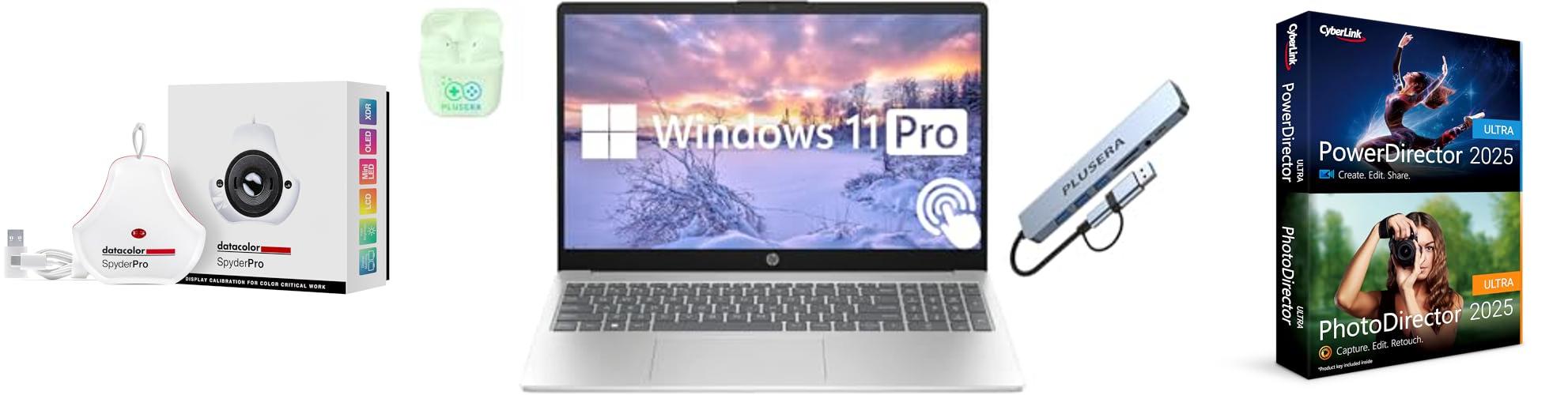
1. datacolor SpyderPro – Calibrate Computer and Laptop Screens for Photo and Video Editing

Rating: 9.2/10
Tired of your photos looking different on your screen than they do on others? The datacolor SpyderPro is here to help! This handy tool calibrates your computer and laptop screens, making sure the colors you see are the colors you get. It’s super user-friendly, so both beginners and pros can achieve accurate and consistent colors for their photo and video editing projects.
What We Like:
- No more color surprises with the DevicePreview™ Beta feature, which shows you how your photos will look on other devices.
- It calibrates a wide range of modern screens, including OLED and mini-LED, and supports video targets like Rec. 709 and Rec. 2020.
- Get accurate colors in about 90 seconds, giving you fast and easy color confidence.
- StudioMatch lets you calibrate multiple monitors so your colors are consistent across all of them.
- Both beginners and pros will love it; the software is easy to use with pre-set options, but also offers custom settings for more control.
What Could Be Improved:
- While it’s great for many screens, advanced users might want even more granular control over certain calibration aspects.
- The initial setup might take a few minutes to get used to for those completely new to screen calibration.
The datacolor SpyderPro is a fantastic tool for anyone serious about color accuracy. It makes professional results achievable for everyone.
2. HP 15.6″ Touchscreen Laptop

Rating: 8.7/10
The HP 15.6″ Touchscreen Laptop in silver is a powerhouse for your daily tasks. It packs a 6-core Intel Core i3 processor and a whopping 64GB of RAM, making it super fast for everything you do. Plus, you get a massive 2.5TB of storage, so you won’t run out of space for your files and apps. This laptop also comes with Windows 11 Pro and Microsoft Office, ready for you to get to work or school right away.
What We Like:
- The 6-core Intel Core i3 processor and 64GB RAM handle many tasks smoothly.
- A huge 2.5TB of storage gives you plenty of room for everything.
- The 15.6-inch touchscreen is great for easy navigation and watching videos.
- Windows 11 Pro and Microsoft Office are included, saving you extra costs.
- It has a numeric keypad for easy data entry and a camera privacy shutter for security.
- The PLUSERA earphones are a nice bonus for your audio needs.
What Could Be Improved:
- The 1366 x 768 (HD) screen resolution is good but not the sharpest available for high-end visuals.
- While the Intel UHD Graphics are fine for everyday use, they may not be powerful enough for demanding gaming or complex graphic design.
This HP laptop is a solid choice for anyone needing a reliable and feature-rich machine for work, school, or entertainment. It offers great performance and storage at a competitive value.
3. CyberLink PowerDirector and PhotoDirector 2025 Ultra

Rating: 8.7/10
Unleash your creativity with CyberLink PowerDirector and PhotoDirector 2025 Ultra. This powerful Windows software bundle makes video and photo editing super easy, even if you’re new to it. It comes with a download code in a box, so you can get started right away. You can make cool slideshows and even record your computer screen. The best part? It uses smart AI to help you do amazing things with your projects.
What We Like:
- AI Auto Face Blur: This feature automatically finds and blurs faces in your videos. You can pick how blurry it is and even change it later.
- AI Body Effects: Make people or things in your videos look really cool with instant visual effects.
- Blending Modes: Layer your videos and pictures in nine different ways to create awesome, unique looks.
- One Click Face Retouch: Get perfect-looking photos with just one click. The software does all the retouching for you.
- Portrait Preview: Edit videos taken on your phone in a portrait view. This makes it easy to see how your video will look on mobile devices.
- Easy to Use: Both programs are designed to be simple, making editing fun and quick.
What Could Be Improved:
- Learning Curve: While generally easy, some advanced features might take a little practice to master.
- System Requirements: For the best performance, you might need a more powerful computer.
CyberLink PowerDirector and PhotoDirector 2025 Ultra is a fantastic tool for anyone wanting to make their videos and photos stand out. Its AI features make complex tasks simple, allowing you to create impressive results with ease.
4. HP Touchscreen Laptop for Business and Students • 15.6″ FHD IPS Disaplay • Intel 10-Core i7-1355U • Wi-Fi 6 • AI Noise Removal • Copilot • HD Webcam • w/Accessories • Win 11 Pro • (64 GB RAM

Rating: 8.7/10
Meet the HP Touchscreen Laptop, a powerhouse designed for both busy students and professionals. This machine packs a punch with its 13th Gen Intel i7 processor and a stunning 15.6″ FHD IPS touchscreen. It’s built to handle tough tasks and keep you connected.
What We Like:
- The 13th Gen Intel i7-1355U processor (10-Core, 12-Thread) delivers incredible speed for multitasking and demanding applications.
- The 15.6″ FHD IPS touchscreen offers vibrant colors and wide viewing angles, making it great for work and play. You can even draw or write on it!
- With up to 64 GB of RAM and a massive 2 TB SSD, you have plenty of space and speed for all your files and programs. No more “out of space” worries!
- It’s super light at only 3.52 lbs, making it easy to carry around campus or to meetings.
- The battery lasts up to 7 hours and 45 minutes, so you can stay productive all day without needing to charge.
- Windows 11 Pro comes pre-installed, offering helpful features like Copilot and strong security.
- AI Noise Removal and an HD Webcam make your online calls clear and professional.
What Could Be Improved:
- While the battery life is good, some users might prefer even longer durations for extended unplugged use.
- The specific details of the included accessories are not fully elaborated, which could be helpful for buyers.
This HP laptop is a fantastic all-around performer that balances power, portability, and usability.
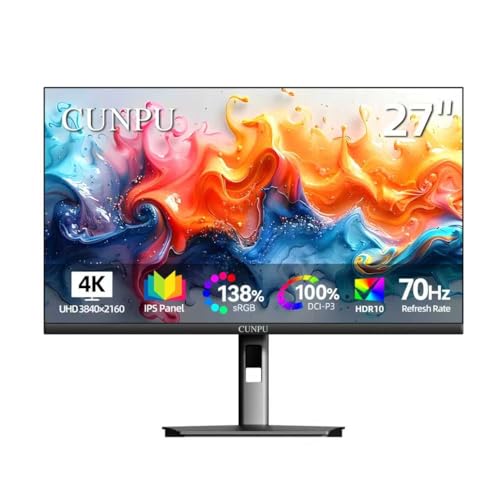
5. CUNPU 27 Inch 4K 70Hz Monitor
Rating: 8.5/10
The CUNPU 27 Inch 4K monitor is a fantastic choice for anyone who wants a super clear and colorful screen. It’s great for editing photos and videos, or just for enjoying your favorite shows with amazing detail. The screen is large and has a thin border, so you see more of what you love.
What We Like:
- The 4K picture is incredibly sharp, showing four times more detail than regular HD screens.
- It shows a huge range of colors (100% DCI-P3) with over a billion shades, making everything look super vibrant and true to life.
- The 70Hz refresh rate makes motion on the screen look smooth and prevents choppy images, which is good for gaming and watching videos.
- You can show two different things on the screen at once with Picture-by-Picture (PBP) or have a smaller window with Picture-in-Picture (PiP), which helps you do more things at the same time.
- The thin bezels mean you get a big screen without much wasted space, and the IPS panel lets you see the clear colors from almost any angle.
- It connects easily to all the latest gaming consoles like PS5 and Xbox, as well as PCs and laptops.
- The color accuracy (ΔE < 2) is excellent, meaning the colors you see are very close to what they should be, which is important for creative work.
What Could Be Improved:
- While 70Hz is better than standard, some gamers might prefer even higher refresh rates for competitive play.
- The 300 nits brightness is good for most indoor settings, but might not be bright enough for very sunny rooms.
This CUNPU monitor offers a stunning visual experience and great multitasking features. It’s a solid investment for both work and play.
Choosing the Right Computer Screen for Photo Editing
Editing photos on a computer screen is like painting on a blank canvas. You need the right tools to make your masterpiece shine. This guide will help you pick the perfect screen so your photos look exactly how you want them to.
1. Key Features to Look For
Color Accuracy is King
This is the most important thing. You want a screen that shows colors as they truly are. Look for screens with high sRGB coverage (99% or more is great) and Adobe RGB coverage if you work with professional printing.
Resolution Matters
Higher resolution means more pixels. More pixels let you see finer details in your photos. A screen with at least 1440p (QHD) resolution is good. For serious editing, 4K (UHD) resolution is even better.
Screen Size and Aspect Ratio
A bigger screen gives you more space to work. 27-inch screens are popular. 32-inch screens offer even more room. Most photo editing screens have a 16:9 aspect ratio, which is standard. Some might have a 3:2 ratio, which is closer to the shape of many camera sensors.
Panel Type
Different panel types offer different benefits:
- IPS (In-Plane Switching): These panels offer excellent color accuracy and wide viewing angles. This means colors look good even if you’re not sitting directly in front of the screen.
- VA (Vertical Alignment): These panels have better contrast ratios than IPS, meaning they show deeper blacks. However, their color accuracy and viewing angles might not be as good as IPS.
- TN (Twisted Nematic): These are usually faster and cheaper, but they have the worst color accuracy and viewing angles. Avoid these for photo editing.
Brightness and Contrast
You want a screen that can get bright enough to see details in bright parts of your photos. A good contrast ratio helps you see the difference between light and dark areas clearly. Look for brightness around 300-350 nits and a contrast ratio of at least 1000:1.
2. Important Materials and Technologies
The materials and technologies inside a screen affect how it displays images. For photo editing, you want screens built with quality in mind.
- LED Backlighting: Most modern screens use LED backlights. Look for screens with uniform backlighting to avoid bright or dark spots on the screen.
- Color Gamut Coverage: This refers to the range of colors a screen can display. Aim for high percentages of sRGB and Adobe RGB.
- Factory Calibration: Some screens come pre-calibrated from the factory. This means they have been adjusted to show colors accurately right out of the box.
3. Factors That Improve or Reduce Quality
Factors That Improve Quality:
- High Resolution: Lets you see more detail.
- Excellent Color Accuracy: Ensures colors are true to life.
- Wide Viewing Angles: Colors stay consistent even when viewed from the side.
- Matte Screen Finish: Reduces glare and reflections, making it easier to edit in bright rooms.
- Uniform Brightness and Color: No weird bright or dark patches.
Factors That Reduce Quality:
- Low Resolution: Makes photos look blurry or pixelated.
- Poor Color Accuracy: Colors will look wrong.
- Limited Viewing Angles: Colors change when you move your head.
- Glossy Screen Finish: Glare can make it hard to see what you’re doing.
- Backlight Bleed: Light leaking from the edges, especially noticeable on dark screens.
4. User Experience and Use Cases
The right screen makes photo editing enjoyable and efficient. If you edit photos as a hobby, a good IPS screen with high sRGB coverage is a great choice. For professional photographers or graphic designers, investing in a screen with wider color gamuts like Adobe RGB and hardware calibration is essential. A larger screen size can also improve your workflow, allowing you to see more of your image at once and making it easier to make precise adjustments. A comfortable stand that allows you to adjust height and tilt also makes a big difference during long editing sessions.
Frequently Asked Questions (FAQ)
Q: What is the most important feature for a photo editing screen?
A: Color accuracy is the most important feature. You need to see the true colors of your photos.
Q: What does “sRGB” mean for a screen?
A: sRGB is a standard color space. A screen with high sRGB coverage shows most of the colors in this common standard, which is good for web and general use.
Q: Should I get a 4K screen for photo editing?
A: Yes, if your budget allows. 4K resolution (UHD) has more pixels, so you can see more detail in your photos.
Q: What is the difference between IPS and VA panels?
A: IPS panels offer better color accuracy and viewing angles. VA panels have better contrast (deeper blacks) but might not be as good with colors.
Q: What is “backlight bleed”?
A: Backlight bleed is when light leaks from the edges of the screen, especially visible on dark images. It can reduce image quality.
Q: Do I need a screen with a matte finish?
A: A matte finish is better because it reduces glare and reflections, making it easier to edit photos in different lighting conditions.
Q: What is “resolution”?
A: Resolution tells you how many pixels a screen has. Higher resolution means a sharper, more detailed image.
Q: Is screen size really that important for photo editing?
A: Yes, a larger screen gives you more workspace. You can see more of your photo at once and make edits more easily.
Q: What is “color gamut”?
A: Color gamut is the range of colors a screen can show. For photo editing, you want a screen that can show a wide range of colors accurately.
Q: Can I use any computer screen for photo editing?
A: While you can use any screen, a dedicated photo editing screen will give you much better results because it has features like high color accuracy and resolution.
In conclusion, every product has unique features and benefits. We hope this review helps you decide if it meets your needs. An informed choice ensures the best experience.
If you have any questions or feedback, please share them in the comments. Your input helps everyone. Thank you for reading.