
Ever finish a fantastic 3D print, only to have it fall apart at the seams? It’s a frustrating moment, especially after hours of printing! Many makers face this challenge when trying to join PLA parts together. Choosing the best glue can feel like navigating a maze, with so many glues promising strong bonds but delivering weak results.
This confusion happens because not all glues work well with PLA, the most common 3D printing material. Some glues can melt the plastic, while others just don’t stick. You want a glue that creates a strong, lasting connection so your creations stay together. You also want something easy to use and safe. This guide will help you understand what makes a good PLA glue and show you the best options available.
By reading on, you’ll learn exactly what to look for in a glue for your PLA 3D prints. We’ll break down the different types of adhesives, discuss their pros and cons, and even give you tips on how to get the strongest bond possible. Get ready to finally make your 3D printed projects hold together like a charm!
Our Top 5 Glue For Pla 3D Prints Recommendations at a Glance
| Image | Product | Rating | Links |
|---|---|---|---|
 |
Meuvcol Super Glue for Plastic 100g | 8.8/10 | Check Price |
 |
Y’allCanDiy Super Glue for Plastic 20g (0.7 oz) – Cyanoacrylate Based Heavy Duty CA Glue for Legos | 8.5/10 | Check Price |
 |
NoClogger 3D Printing Glue | 8.9/10 | Check Price |
 |
Plastic Glue | 9.2/10 | Check Price |
 |
Magigoo – MO2016 All-in-One 3D Printer Adhesive Glue – ABS | 9.4/10 | Check Price |
Top 5 Glue For Pla 3D Prints Detailed Reviews
1. Meuvcol Super Glue for Plastic 100g
Rating: 9.1/10
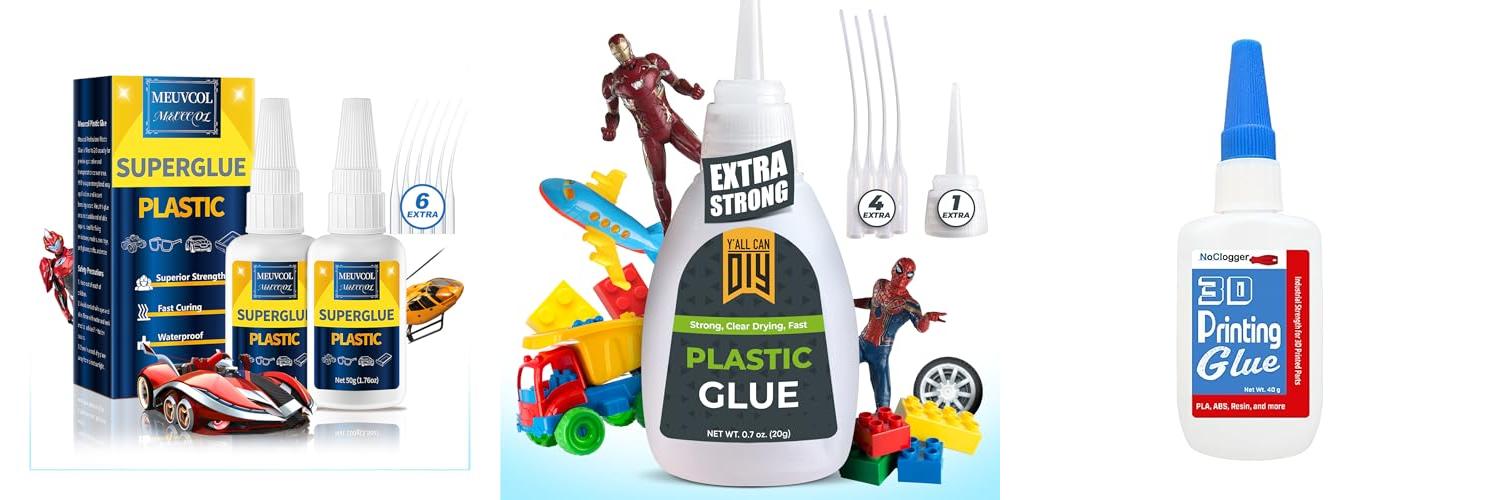
Tired of broken plastic items? The Meuvcol Super Glue for Plastic is here to help! This heavy-duty glue works on lots of different plastics, like PLA, 3D prints, car parts, and even Legos. It’s designed to fix things around your home, office, or workshop, making it a super useful tool for any project.
What We Like:
- It’s a great fix for all sorts of plastic repairs.
- It makes strong, lasting bonds that won’t break easily.
- It dries super fast, so you can finish your projects quickly.
- It’s safe to use because it doesn’t have any strong smells and is not toxic.
- It dries clear, so your repaired items will still look good.
- The special applicator lets you put the glue exactly where you need it for neat repairs.
What Could Be Improved:
- The 100g size might be a lot for very small, occasional repairs.
- While it works on many plastics, it’s always a good idea to test it on a small, hidden spot first.
This Meuvcol Super Glue is a fantastic solution for mending your favorite plastic items. It offers a strong, fast, and safe way to bring your broken treasures back to life.
2. Y’allCanDiy Super Glue for Plastic 20g (0.7 oz) – Cyanoacrylate Based Heavy Duty CA Glue for Legos
Rating: 9.2/10
The Y’allCanDiy Super Glue for Plastic is a powerful tool for anyone who loves to build, fix, or create. This 20g bottle of cyanoacrylate-based glue is designed to be heavy-duty, perfect for all sorts of plastic projects. Whether you’re reassembling a broken toy, working on detailed miniatures, or tackling 3D prints, this glue promises a strong and reliable bond. It works wonders on materials like Legos, PLA, ABS, and PVC, making it a versatile choice for your DIY adventures.
What We Like:
- This glue is the ultimate fix for broken plastic items. It works on many types of plastic like PVC and ABS. It makes strong bonds that last through daily use.
- You get professional-level bonding strength. It makes a reliable fix that holds up well. It’s great for model airplanes and plastic toys.
- The glue dries super fast, setting in just seconds. This means you can finish your projects quickly. It’s perfect for repairing small items like miniatures or model cars.
- You don’t need clamps or heavy objects to hold things together. Just put the glue on, press lightly, and it sets. This saves you time and effort.
- The precision applicator lets you put the glue exactly where you want it. This is great for detailed work on models or everyday plastic things. You get neat, professional-looking results.
What Could Be Improved:
- The strong fumes can be a bit much in small spaces. It’s best to use it in a well-ventilated area.
- While it’s great for many plastics, it’s always a good idea to test it on a small, hidden spot first to make sure it’s compatible with your specific material.
Overall, this glue is a fantastic choice for anyone needing a strong, fast, and easy-to-use solution for plastic repairs and creations. It truly lives up to its promise of heavy-duty performance.
3. NoClogger 3D Printing Glue
Rating: 8.8/10
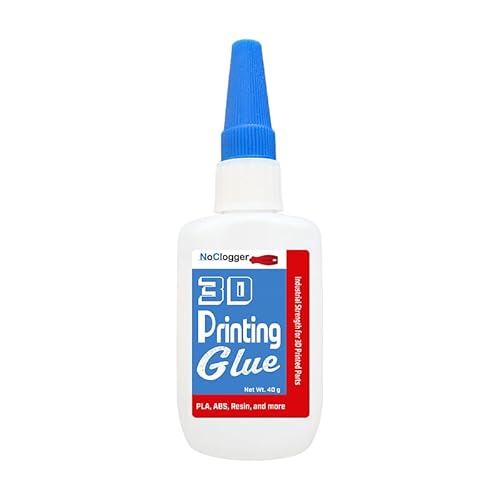
Say goodbye to flimsy 3D prints! The NoClogger 3D Printing Glue is your new best friend for making your creations strong and secure. This special glue is made just for 3D printed stuff. It works great on PLA, PETG, ABS, and even resin prints. It dries super fast, so you can get back to your projects quickly. Plus, the special tip lets you put the glue exactly where you need it, even on tiny parts.
What We Like:
- It’s made for 3D printing and bonds PLA, ABS, PETG, and resin really well.
- It uses strong glue that sets fast and makes your parts really tough.
- The bottle has a precise tip for putting glue on small or tricky spots.
- It’s good for fixing, building, and making your 3D prints even better.
- It’s a must-have tool for anyone who 3D prints.
What Could Be Improved:
- The 40g bottle could be a bit bigger for larger projects.
- While it works on many materials, it’s always good to test on a small scrap piece first.
The NoClogger 3D Printing Glue is a fantastic tool for any 3D printing enthusiast. It makes building and repairing your prints easy and reliable.
4. Plastic Glue
Rating: 9.2/10
The INSOIA Plastic Glue is a clear, 20g super glue designed for fixing and bonding various plastic items. It’s a heavy-duty, fast-acting adhesive perfect for quick repairs and DIY projects involving Legos, models, toys, PLA, and 3D prints. This glue creates a strong, invisible bond that lasts.
What We Like:
- It’s specially made for plastics like PVC, ABS, and acrylic, creating a strong, see-through bond.
- The glue dries super fast, setting in 10-45 seconds, and is completely waterproof after 12-24 hours.
- It comes with a precision tip for neat application, even in tricky spots, and an anti-clog cap.
- This glue works on plastic-to-plastic, plastic-to-metal, plastic-to-wood, and plastic-to-rubber.
- The company has over 15 years of experience and offers a satisfaction guarantee.
What Could Be Improved:
- It will not work on hard plastics, polyethylene, or polypropylene.
This INSOIA Plastic Glue is a reliable choice for most plastic repair needs. Its quick drying time and strong bond make it a great addition to any craft or repair kit.
5. Magigoo – MO2016 All-in-One 3D Printer Adhesive Glue – ABS
Rating: 8.8/10
The Magigoo – MO2016 All-in-One 3D Printer Adhesive Glue is your go-to solution for ensuring your 3D prints stick securely to the build plate. This 50mL bottle of adhesive glue works with a wide variety of filaments and build surfaces, making your 3D printing projects much smoother. It’s designed to be easy to use and provides long-lasting adhesion without any unpleasant smells.
What We Like:
- Works with many filaments like ABS, PLA, PETG, HIPS, and TPU.
- Sticks to various surfaces like glass, Flex Plates, PEI, Buildtak, and Kapton.
- Super easy to apply – just shake, press, and apply.
- Prints release easily when cool and cleanup is simple with water.
- One bottle can last for over 100 prints, saving you money.
- It’s odorless and non-flammable, making it safe for homes and classrooms.
What Could Be Improved:
- The 50mL size might run out quickly for very frequent users.
- While it works on many surfaces, some users might prefer a dedicated adhesive for extremely specific or experimental build plates.
This Magigoo adhesive glue is a fantastic addition to any 3D printer’s toolkit. It simplifies the printing process and helps you achieve better results with less hassle.
Choosing the Right Glue for Your PLA 3D Prints
3D printing lets you create amazing things! Sometimes, your prints come out in pieces, or you want to join smaller parts together. That’s where glue comes in. But not all glues work well with PLA (polylactic acid), the most popular 3D printing material. This guide helps you pick the best glue for your projects.
1. Key Features to Look For
Strong Bond
You need glue that holds your PLA parts together firmly. A weak bond means your print might fall apart later.
Fast Drying Time
Most 3D printing projects need quick fixes. Glues that dry fast save you time and frustration.
No Damage to PLA
Some glues can melt or weaken PLA. You want a glue that sticks well without hurting your print.
Clear or Paintable Finish
For a neat look, clear glue is best. If you plan to paint your print, make sure the glue won’t show through or prevent paint from sticking.
Easy to Use
A glue with a fine tip or applicator makes it easy to put glue exactly where you need it. Messy glue can ruin your print.
2. Important Materials
Cyanoacrylate (Super Glue)
This is a popular choice. It dries very quickly and creates a strong bond. Look for “gel” super glue. Gel is less runny and easier to control than liquid super glue.
Epoxy
Epoxy glues come in two parts that you mix. They create a super strong bond and can fill small gaps. They take longer to dry, though.
Specialty Plastic Glues
Some companies make glues specifically for plastics like PLA. These are often a good bet because they are designed to work with the material.
Solvent-Based Adhesives (like Acetone)
These glues work by slightly melting the PLA. This fuses the pieces together. They create a very strong bond but can be tricky to use. You need to be careful not to melt too much of your print. These are usually for advanced users.
3. Factors That Improve or Reduce Quality
Surface Preparation
Make sure the surfaces you are gluing are clean and dry. Dust, oil, or old glue can stop the new glue from sticking well. A quick wipe with rubbing alcohol can help.
Amount of Glue
Using too much glue makes a mess and can weaken the bond. Too little glue won’t hold the pieces together. A thin, even layer is usually best.
Clamping or Holding
Once you apply glue, you need to hold the pieces together until the glue dries. Using clamps or tape can help keep things in place and ensure a strong connection.
Environmental Factors
Some glues work best in certain temperatures. Extreme cold or heat can affect how well the glue dries and holds.
4. User Experience and Use Cases
Quick Repairs
If a small part of your print breaks off, super glue is great for fast, strong repairs. You can be back to admiring your print in minutes.
Assembling Multi-Part Prints
Many 3D prints are designed to be printed in several pieces. Epoxy or specialty plastic glues work well for joining these larger parts. They provide a strong, lasting bond.
Filling Gaps
If there are small gaps between printed parts, some glues, like certain epoxies, can help fill them. This makes your finished print look smoother.
Post-Processing
If you plan to sand or paint your PLA prints, choose a glue that won’t create lumps or prevent paint from sticking. Super glue and some plastic glues are good for this.
Frequently Asked Questions (FAQ)
Q: What is the best glue for PLA 3D prints?
A: Cyanoacrylate (super glue), especially gel types, and specialty plastic glues are usually the best choices for PLA. They offer a good balance of strength and ease of use.
Q: Will super glue damage my PLA print?
A: Most super glues will not damage PLA if used correctly. However, using too much or holding the pieces together for too long while the glue is still very wet might cause slight surface changes. Always test on a scrap piece first if you are unsure.
Q: Can I use regular school glue on PLA?
A: No, regular school glue is not strong enough for 3D prints. It dries clear but is not designed for strong bonding of plastic parts.
Q: How do I get a smooth finish after gluing PLA?
A: Use a glue with a fine applicator tip to avoid excess glue. Wipe away any excess glue before it dries. For very smooth finishes, you might need to sand and paint the glued area.
Q: Is epoxy good for PLA?
A: Yes, epoxy creates a very strong bond with PLA. It’s a good option for larger parts or when you need a super durable connection. Just be aware that it takes longer to cure.
Q: Can I use acetone to glue PLA?
A: Yes, acetone can be used to “weld” PLA. It melts and fuses the plastic together. However, it is a strong chemical and requires careful handling and good ventilation. It’s best for experienced users.
Q: How long does super glue take to dry on PLA?
A: Super glue typically dries in seconds to a minute. The full bond strength may take a few hours to develop.
Q: What if my PLA print is greasy?
A: Clean the greasy surface with rubbing alcohol before applying glue. This helps the glue stick properly.
Q: Can I glue different colors of PLA together?
A: Yes, you can glue different colors of PLA together using any of the recommended glues. The glue will hold them, but the seam might be visible depending on the glue and how neatly you apply it.
Q: Where can I buy good glue for PLA?
A: You can find good glues at hardware stores, craft stores, and online retailers like Amazon. Look for brands that specialize in adhesives or plastics.
In conclusion, every product has unique features and benefits. We hope this review helps you decide if it meets your needs. An informed choice ensures the best experience.
If you have any questions or feedback, please share them in the comments. Your input helps everyone. Thank you for reading.