
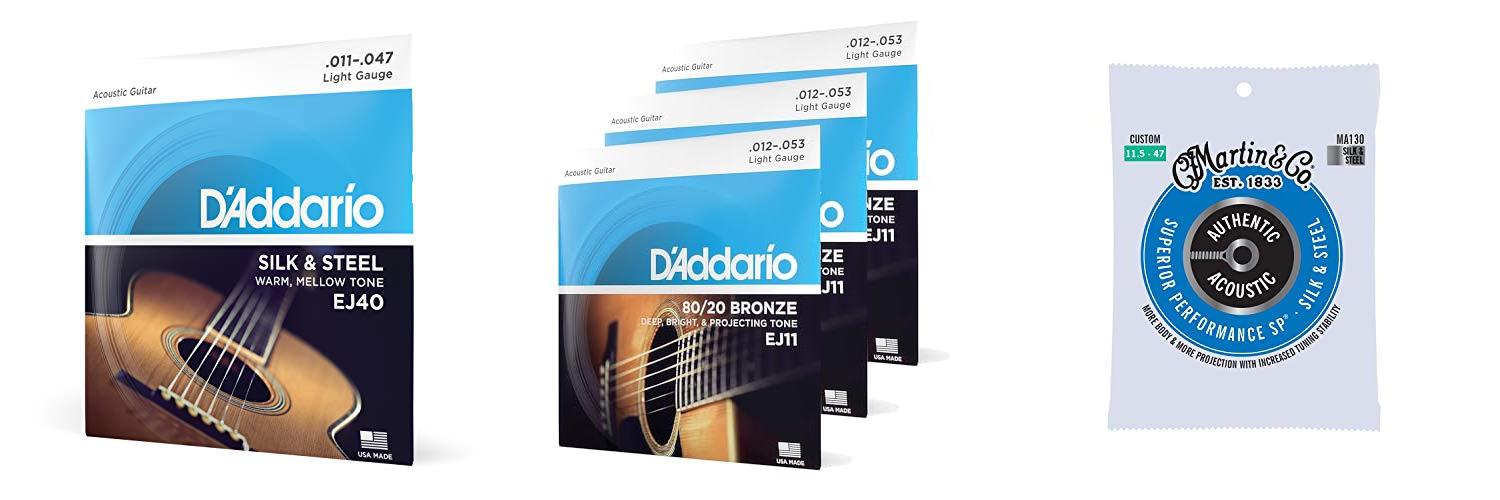
Ever strummed a guitar and wished for that bright, ringing sound? That distinct jangle often comes from steel strings. But if you’ve ever stood in a guitar shop, gazing at a wall of shiny metal strings, you know the confusion can set in fast. What’s the difference between light, medium, and heavy? Does the material really matter? It’s easy to feel lost when you just want your guitar to sound its best.
Choosing the right steel strings can feel like a guessing game. The wrong set can make your guitar sound dull, feel uncomfortable to play, or even affect its tuning. But don’t worry! This post is here to cut through the noise. We’ll break down what makes steel strings tick, so you can stop guessing and start playing with confidence.
By the end of this guide, you’ll understand the key factors that go into picking the perfect steel strings for your guitar and your playing style. Get ready to unlock a richer, more satisfying tone and a smoother playing experience. Let’s dive in and discover the secrets of steel strings!
Our Top 5 Guitar Steel Strings Recommendations at a Glance
Top 5 Guitar Steel Strings Detailed Reviews
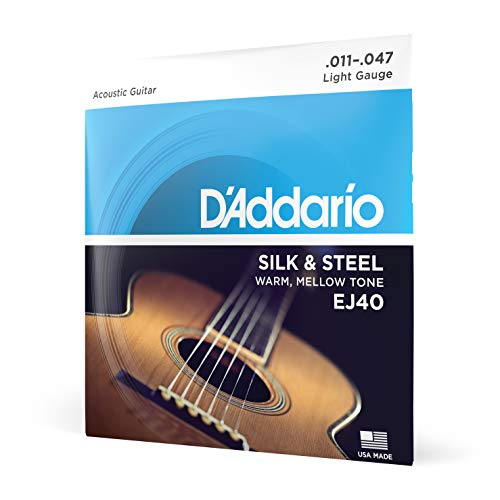
1. D’Addario Silk & Steel Acoustic Guitar Strings – EJ40-6 String – Warm
Rating: 8.8/10
Unleash a warm, mellow sound from your acoustic guitar with the D’Addario Silk & Steel Acoustic Guitar Strings – EJ40-6 String. These light gauge strings, 11-47, are designed to give you a softer tone that’s perfect for fingerstyle playing and vintage instruments. They feel great under your fingers and make playing a breeze.
What We Like:
- Produces a beautifully warm and mellow tone, ideal for softer playing styles.
- Low string tension makes them easy to press down, reducing finger fatigue.
- Silk and steel core minimizes finger noise, keeping your playing clean and clear.
- Silver-plated copper windings give them a classic, vintage sound.
- Great for parlor guitars and older acoustic instruments.
- D’Addario is a trusted brand with strings for all types of instruments and players.
- Made in the USA with high quality standards.
What Could Be Improved:
- The mellow tone might not be suitable for players seeking a bright, cutting sound.
- Durability might be slightly less than heavier gauge strings for aggressive playing.
If you’re looking for a softer, more vintage sound and a comfortable playing experience, the D’Addario Silk & Steel strings are an excellent choice. They truly bring out the best in your acoustic instrument.
2. D’Addario Acoustic Guitar Strings

Rating: 9.0/10
Get ready to make some beautiful music with the D’Addario Acoustic Guitar Strings, 80/20 Bronze, EJ11-3D, Light Gauge 12-53, 6-String Set, Pack of 3. These strings are designed to give your acoustic guitar a fantastic sound. They are made with care and precision, so you can focus on playing your best. This pack gives you three sets, which means more playing time and less worry about changing strings.
-
What We Like:
- These strings are precision wound. This means they are made with great accuracy.
- They give a bold and bright sound. Your guitar will project well and fill the room.
- They are the original acoustic string, first made in the 1930s. This is a classic choice.
- You can earn reward points. Register the code on the bag to get points for future purchases.
- They are made in the USA. D’Addario makes them in their New York factory.
-
What Could Be Improved:
- Light gauge strings might not be ideal for players who prefer heavier strings for a different feel or tone.
- The bright tone might be too sharp for some musical styles or preferences.
These D’Addario strings offer a classic, bright sound that many guitarists love. They are a solid choice for any acoustic player looking for quality and value.
3. Martin Authentic Acoustic Guitar Strings

Rating: 8.5/10
Unleash your guitar’s true sound with Martin Authentic Acoustic Guitar Strings, Superior Performance Custom 11.5-47, Silk & HT Steel. These strings offer amazing tuning stability and playability. They deliver bright and rich tones, helping your guitar sound its best. This pack is a professional-grade choice for any musician.
What We Like:
- These strings produce bright and rich tones that truly make your guitar sing.
- They offer excellent tuning stability, so you can play with confidence.
- The silk and steel construction makes them comfortable for long playing sessions.
- They are built to last through intense practice and performances.
- These strings work well for various playing styles like fingerpicking and flat picking.
- They bring out a consistent and true tone from your guitar, no matter the genre.
- The custom gauge brightens your guitar’s natural sound, from the highest notes to the lowest.
- Martin’s reputation for quality and craftsmanship means you’re getting a top-notch product.
What Could Be Improved:
- The specific “11.5-47” gauge might be a bit niche for some players looking for standard sets.
- While durable, the silk component might wear differently than all-metal strings over extended periods.
If you want to hear your acoustic guitar like never before, these Martin strings are an excellent investment. They offer a fantastic blend of tone, playability, and durability.
4. Ernie Ball Earthwood Extra Light 80/20 Bronze Acoustic Guitar Strings

Rating: 8.7/10
Ernie Ball Earthwood Extra Light 80/20 Bronze Acoustic Guitar Strings (P02006) offer a fantastic playing experience for acoustic guitarists. These strings deliver a bright and clear sound that projects well. The extra light gauge makes strumming and fretting notes much easier, which is a big plus for beginners or anyone who wants a more relaxed feel on their guitar.
What We Like:
- These strings sound bright and balanced, making your guitar sing.
- They have great projection and clarity, so every note rings out clearly.
- The extra light gauge means less tension, making them easy to play.
- The 80/20 bronze wrap gives them a classic, vibrant tone.
- The Element Shield Packaging keeps them fresh until you’re ready to use them.
- They are made with high-quality materials right here in California, USA.
What Could Be Improved:
- Some players might find the extra light gauge a bit too thin for heavy strumming.
- While they sound great, the tone might not be as warm as other string types for certain musical styles.
For acoustic players seeking an easier playing feel and a bright, lively tone, these Ernie Ball Earthwood strings are a solid choice. They bring out the best in your guitar, making practice and performance more enjoyable.
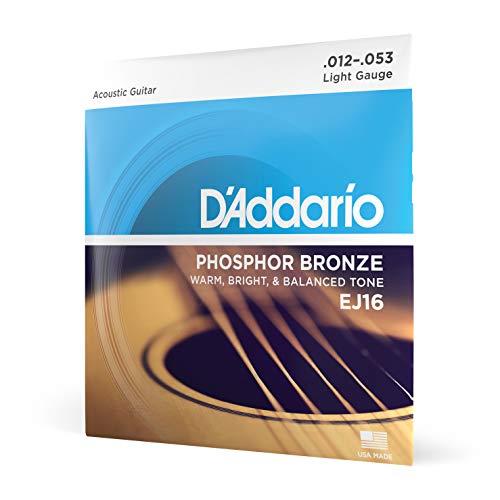
5. D’Addario Acoustic Guitar Strings
Rating: 9.0/10
The D’Addario Phosphor Bronze EJ16 acoustic guitar strings are a fantastic choice for any guitarist. These “Light Gauge” strings are 12-53, making them comfortable to play. This 6-string set comes in a pack of one, and they’re designed to sound great on your guitar.
What We Like:
- These strings are made with high-quality materials. They are precision wound with phosphor bronze wrap wire. This gives them a warm and balanced tone.
- The strings are corrosion-resistant, so they will last longer.
- D’Addario invented these Phosphor Bronze strings, and they are now the most popular choice for acoustic guitars.
- You can earn reward points by registering a code from the bag.
- These strings are made in the USA.
What Could Be Improved:
- For some players, “light gauge” might feel a little too thin for very aggressive strumming.
- While they are corrosion-resistant, like all strings, they will eventually need to be replaced.
Overall, these D’Addario strings offer a great balance of tone and playability. They are a reliable and popular option for many guitarists.
Choosing Your Perfect Steel Strings: A Guitarist’s Guide
Picking the right steel strings makes a big difference in how your guitar sounds and feels. This guide helps you find the best strings for your playing style and your instrument.
Key Features to Look For
- Gauge (Thickness): This is the most important feature. Strings come in different thicknesses, often called “gauges.”
- Light Gauge (e.g., .010-.047): These are thin and easy to bend. They’re great for beginners or players who do a lot of string bending. They produce a brighter sound.
- Medium Gauge (e.g., .012-.053): These are a good middle ground. They offer a balanced tone and are comfortable for most players. They provide more volume and sustain than light gauge strings.
- Heavy Gauge (e.g., .013-.056): These are thick and offer the most volume and a deep, rich tone. They can be harder to play and bend, so they’re often preferred by experienced players.
- Winding Type: This refers to how the strings are made.
- Roundwound: This is the most common type. It gives a bright, clear sound with a lot of sustain. It feels a bit rough to the touch.
- Flatwound: These strings have a smoother surface. They produce a warmer, mellower tone and are often used for jazz or blues. They feel smooth under your fingers.
- Coating: Some strings have a special coating to make them last longer and feel smoother.
- Coated Strings: These strings resist corrosion and dirt. They can last much longer than uncoated strings. They often feel a bit slicker.
- Uncoated Strings: These are the standard. They offer the most natural feel and tone but wear out faster.
Important Materials
The metal your strings are made from affects their sound and feel.
- Bronze:
- 80/20 Bronze (Bronze and Copper): This is a popular choice. It creates a bright, crisp, and lively tone. It’s good for strumming and fingerpicking.
- Phosphor Bronze: These strings have a bit of tin and phosphorus added. They produce a warmer, richer, and more balanced tone than 80/20 bronze. They also tend to last longer.
- Nickel-Plated Steel: These are often used for electric guitars but can be found for acoustic guitars too. They offer a bright, balanced sound with good sustain. They feel smooth.
- Steel (Core Wire): The inner core of most steel strings is made of high-carbon steel. This provides strength and helps the string hold its tune.
Factors That Improve or Reduce Quality
- String Construction: High-quality strings are made with precision. The winding is even, and the core wire is strong. This leads to better tuning stability and a more consistent sound. Cheaper strings might have uneven winding or weaker cores, causing them to break easily or sound dull.
- Material Purity: The quality of the metals used matters. Pure metals create a clearer, more resonant tone. Impurities can make the sound muddy or flat.
- Manufacturing Process: Brands that invest in good manufacturing processes create strings that are more durable and sound better. This includes proper heat treatment and winding techniques.
- Environmental Factors: Humidity and dirt can quickly wear down strings. Storing your guitar in its case and wiping down your strings after playing helps them last longer.
User Experience and Use Cases
- Beginners: Light gauge strings are recommended. They are easier on the fingertips and make it simpler to learn chords and techniques.
- Singer-Songwriters: Medium gauge phosphor bronze strings often provide a good balance of volume and warmth, perfect for accompanying vocals.
- Rock and Blues Players: Players who do a lot of string bending might prefer light or custom light gauges for easier bending. Nickel-plated steel or 80/20 bronze can offer a bright, cutting tone.
- Fingerstyle Players: Medium gauge strings with a warmer tone, like phosphor bronze, can add richness to delicate melodies. Some prefer flatwound strings for their smooth feel and mellow sound.
- Touring Musicians: Coated strings are a great choice for musicians who play often and in various environments. They offer longer life and consistent performance.
Frequently Asked Questions About Guitar Steel Strings
Q: What is the most common string gauge for acoustic guitars?
A: The most common string gauge for acoustic guitars is medium gauge, often around .012 to .053. This gauge offers a good balance of tone, volume, and playability for most players.
Q: How often should I change my steel strings?
A: You should change your steel strings about every 1 to 3 months, depending on how much you play and how you take care of them. If they sound dull, are hard to tune, or look rusty, it’s time for a change.
Q: Do coated strings sound different from uncoated strings?
A: Some players notice a slight difference in tone with coated strings. They might sound a little less bright initially, but they maintain their tone for much longer than uncoated strings.
Q: Can I use electric guitar strings on an acoustic guitar?
A: It’s not recommended. Electric guitar strings are usually made of nickel-plated steel and are designed for the lower output of electric guitar pickups. Acoustic guitar strings are made with different alloys to produce a louder, richer sound that projects well.
Q: What is the difference between 80/20 bronze and phosphor bronze?
A: 80/20 bronze strings are known for their bright, crisp tone. Phosphor bronze strings have a warmer, richer, and more balanced sound. Phosphor bronze strings also tend to last a bit longer.
Q: Will changing string gauge affect my guitar’s sound?
A: Yes, changing string gauge will affect your guitar’s sound. Lighter gauges tend to be brighter and less loud, while heavier gauges produce a fuller, louder tone with more bass.
Q: Are expensive steel strings always better?
A: Not always. While premium strings can offer superior tone and longevity, many affordable brands make excellent strings. It’s more about finding the right type and gauge for your needs and preferences.
Q: How do I know if my strings are old?
A: Old strings often sound dull or lifeless. They might also be harder to keep in tune, feel rough or dirty under your fingers, or show signs of rust or corrosion.
Q: What is “intonation” and how do strings affect it?
A: Intonation is how well your guitar plays in tune across the entire fretboard. While string gauge and material can have a small impact, proper setup of your guitar’s bridge and nut is more important for good intonation.
Q: Can I mix and match string brands or types?
A: While you can technically mix and match, it’s generally best to use a complete set from the same brand and type. Using different strings can lead to an uneven tone and inconsistent feel across the fretboard.
In conclusion, every product has unique features and benefits. We hope this review helps you decide if it meets your needs. An informed choice ensures the best experience.
If you have any questions or feedback, please share them in the comments. Your input helps everyone. Thank you for reading.