
Imagine holding a tool that can be used for sport, protection, or even a new hobby. For many, that tool is a firearm. But where do you even start when you’re new to this world? The sheer number of choices can feel overwhelming, leaving you unsure of what’s right for you. You might wonder about safety, ease of use, and what fits your specific needs without breaking the bank.
This confusion is completely normal. Many beginners feel lost in a sea of technical terms and varied opinions. Choosing your first firearm is a big decision, and getting it wrong can lead to frustration and wasted money. You want to feel confident and safe, not confused and anxious.
That’s exactly why we’ve put together this guide. We’ll cut through the noise and explain the essentials in a way that makes sense. By the end of this post, you’ll have a clearer understanding of what to look for, helping you choose a firearm that you’ll feel comfortable and capable with. Let’s dive in and find your perfect starting point.
Our Top 5 Gun For A Beginner Recommendations at a Glance
Top 5 Gun For A Beginner Detailed Reviews
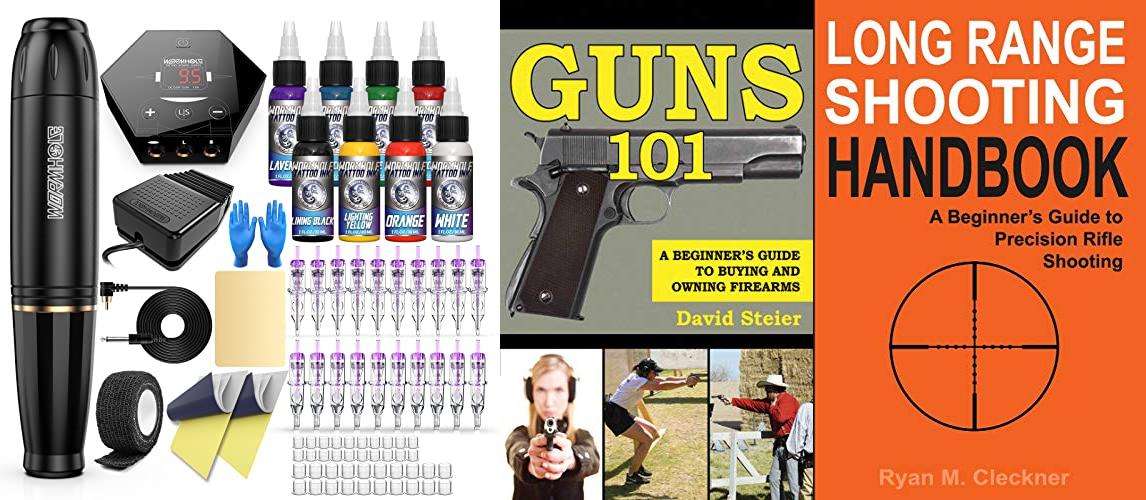
1. Tattoo Gun Kit Cartridge Tattoo Machine Kit Tattoo Kit Tattoo Pen Kit for Beginners Rotary Tattoo Pen Type Machine Kit Complete Tattoo Supplies WTK070

Rating: 9.0/10
Ready to dive into the world of tattooing? The WTK070 Tattoo Gun Kit is designed to be your all-in-one solution, whether you’re just starting out or looking to expand your skills. This kit aims to provide everything a beginner needs to get going, making the initial steps into tattoo artistry more accessible.
What We Like:
- Complete Package: This kit includes a rotary tattoo pen, RCA clip cord, power supply, foot pedal, inks, cartridge needles, and transfer paper. You get a lot of essential supplies in one box.
- Smooth & Quiet Operation: The aluminum alloy tattoo pen runs very quietly and smoothly. It’s also suitable for permanent makeup, making it versatile.
- Safe Power Supply: The dual control power supply features an automatic protection function. It cuts off power if the voltage gets too high or is abnormal, which adds a layer of safety.
- Beginner-Focused Support: The kit comes with a manual to help you set it up. Plus, they offer one-to-one guidance if you run into any technical issues.
- Satisfaction Guarantee: If your kit has quality problems or missing parts, they promise to send a replacement without you needing to send the original back.
What Could Be Improved:
- Transfer Cream Not Included: You’ll need to buy transfer cream separately to use the included transfer paper. This is a small extra cost and step for beginners.
- Voltage Recommendation: While they suggest 6-8V, understanding the optimal voltage for different needles and techniques might require some experimentation or further learning beyond the manual.
This kit offers a comprehensive starting point for aspiring tattoo artists, with a focus on beginner support and safety. It’s a solid choice for those wanting to begin their tattooing journey.
2. Guns 101: A Beginner’s Guide to Buying and Owning Firearms

Rating: 9.4/10
Guns 101: A Beginner’s Guide to Buying and Owning Firearms is a helpful book for anyone new to firearms. It explains important things you need to know. This guide makes learning about guns less confusing. It helps you understand the basics of firearm ownership. You will learn about safety and responsible practices.
What We Like:
- Clear and simple explanations
- Covers important safety rules
- Guides you through the buying process
- Helps you understand your responsibilities
What Could Be Improved:
- Some topics could be explained with more detail
- Could include more visual aids like diagrams
This book is a solid starting point for new gun owners. It empowers you with knowledge for safe and responsible firearm ownership.
3. Long Range Shooting Handbook: The Complete Beginner’s Guide to Precision Rifle Shooting

Rating: 8.5/10
Dreaming of hitting targets far away with amazing accuracy? The “Long Range Shooting Handbook: The Complete Beginner’s Guide to Precision Rifle Shooting” is your ticket to making that dream a reality. This book breaks down the exciting world of long-range shooting into easy steps. It’s written for folks who are just starting out and want to learn the right way to shoot precisely. You’ll discover everything you need to know to get started safely and effectively.
What We Like:
- It makes learning complicated shooting skills simple and understandable.
- The guide covers all the basics you need to begin your journey in precision shooting.
- It helps you build confidence with your rifle from the very first page.
- The information is presented in a clear and organized way, making it easy to follow.
What Could Be Improved:
- More advanced techniques could be explored for shooters who progress quickly.
- Adding visual aids like diagrams or photos would make some explanations even clearer.
This handbook is an excellent starting point for anyone eager to explore the art of long-range shooting. It empowers beginners with the knowledge and confidence to pursue this rewarding hobby.
4. The Ultimate Beginner’s Guide to Guns: A Green Light Shooting Book

Rating: 9.0/10
The Ultimate Beginner’s Guide to Guns: A Green Light Shooting Book is your first step into the world of firearms. This book aims to make learning about guns easy and understandable for anyone who’s new to them. It covers the basics, helping you feel more comfortable and informed.
What We Like:
- Clear explanations of gun safety rules are provided.
- It covers different types of firearms simply.
- The book helps build confidence for new shooters.
- It’s written in a way that’s easy to follow.
What Could Be Improved:
- More visual aids like diagrams would be helpful.
- Advanced topics are not covered, as expected.
- The “N/A” feature listed means there’s no specific unique selling point highlighted beyond the general guide.
This guide is a solid starting point for anyone curious about firearms. It focuses on the essential knowledge needed to begin your journey safely and knowledgeably.
5. The NRA Step-by-Step Guide to Gun Safety: How to Care For

Rating: 9.4/10
The NRA Step-by-Step Guide to Gun Safety: How to Care For, Use, and Store Your Firearms offers a clear and organized approach to responsible firearm ownership. It aims to teach you the essentials of handling firearms safely, from basic maintenance to proper storage. This guide is designed for anyone who owns or is considering owning a firearm and wants to ensure they are doing so with the utmost care and knowledge.
What We Like:
- The guide breaks down complex topics into easy-to-understand steps.
- It covers crucial areas like cleaning, safe handling practices, and secure storage solutions.
- The information presented promotes a strong sense of responsibility for firearm owners.
- It provides a solid foundation for new firearm owners.
What Could Be Improved:
- While the guide is comprehensive in its core topics, some sections could benefit from more detailed visual aids or diagrams.
- The “N/A” feature suggests there might be a lack of supplementary materials or interactive elements that could enhance the learning experience.
- A glossary of terms could be helpful for those completely new to firearms.
This guide is a valuable resource for anyone prioritizing firearm safety. It empowers owners with the knowledge to handle their firearms responsibly and confidently.
Your First Firearm: A Beginner’s Guide
Choosing the Right Gun for You
Buying your first gun can feel a little overwhelming. There are so many options! This guide helps you understand what to look for. We want you to feel confident and safe when you make your choice.
Key Features to Look For
- Ease of Use: You want a gun that’s simple to operate. This means easy loading, firing, and cleaning.
- Safety Features: Look for good safety mechanisms. These prevent accidental firing.
- Comfortable Grip: The gun should fit your hand well. A good grip helps you control it.
- Reliability: Your gun needs to work every time you need it.
- Caliber: This refers to the size of the bullet. Smaller calibers are often easier for beginners to handle.
Important Materials
Guns are made from different materials. Here are the most common:
- Steel: This is very strong and durable. Most gun parts are made of steel.
- Polymer: This is a strong plastic. Many modern gun frames are made of polymer. They make guns lighter.
- Aluminum Alloy: This is lighter than steel but still strong. Some gun frames use this.
Factors That Improve or Reduce Quality
Several things make a gun better or worse.
- Fit and Finish: How well are the parts made and put together? A gun with tight tolerances and smooth surfaces is usually higher quality.
- Brand Reputation: Some companies have a long history of making good guns. Researching brands helps.
- Materials Used: Better quality materials generally mean a more durable and reliable gun.
- Manufacturing Process: Advanced manufacturing techniques can lead to more precise and consistent parts.
User Experience and Use Cases
How you plan to use the gun matters a lot. Are you interested in target shooting, home defense, or something else?
- Target Shooting: For fun at the range, many beginners start with .22 caliber pistols or rifles. They have less recoil and are cheaper to shoot.
- Home Defense: For protecting your home, a shotgun or a larger caliber pistol might be considered. However, safety and proper training are crucial here.
- Concealed Carry: If you want to carry a gun discreetly, smaller, lighter pistols are usually preferred.
Always remember that proper training and practice are essential for safe gun ownership. A good instructor can guide you through choosing the right gun and learning how to use it responsibly.
Frequently Asked Questions (FAQ)
Q: What is the best caliber for a beginner?
A: For many beginners, smaller calibers like .22 LR or 9mm are recommended. They have less recoil, making them easier to control and shoot accurately. Learning with these calibers builds good habits.
Q: Do I need a license to buy a gun?
A: Laws about gun ownership vary by state and country. You will need to check the specific laws where you live. Some places require a permit or license.
Q: How much does a beginner gun usually cost?
A: The price of a beginner gun can range from a few hundred dollars to over a thousand. It depends on the type of gun, brand, and features.
Q: What’s the difference between a pistol and a revolver?
A: A pistol (or semi-automatic) uses a magazine to hold bullets and ejects spent casings. A revolver has a rotating cylinder that holds the cartridges.
Q: Is it safe for beginners to clean their own guns?
A: Yes, with proper instruction. Cleaning is a vital part of gun ownership. You can learn how to do it safely through online guides or by attending a class.
Q: Should I buy a used gun?
A: Buying a used gun can be a good option to save money. However, it’s important to have it inspected by a qualified gunsmith first to ensure it’s in good working order.
Q: What kind of training is important for new gun owners?
A: Basic firearm safety courses are highly recommended. These courses teach you how to handle guns safely, understand the laws, and practice shooting.
Q: How do I hold a gun correctly?
A: Proper grip is learned through practice and instruction. Generally, you want a firm, two-handed grip for pistols. Your instructor will show you the best technique for your specific firearm.
Q: What is recoil, and why does it matter for beginners?
A: Recoil is the kick you feel when you fire a gun. Smaller calibers have less recoil, which makes them less intimidating and easier for beginners to manage. This helps them focus on accuracy.
Q: Where can I get more information about gun safety?
A: Reputable firearm organizations, certified instructors, and official government websites often provide excellent resources on gun safety and responsible ownership.
In conclusion, every product has unique features and benefits. We hope this review helps you decide if it meets your needs. An informed choice ensures the best experience.
If you have any questions or feedback, please share them in the comments. Your input helps everyone. Thank you for reading.