
Can you stop a fixie bike without handbrakes? Yes, you can stop a fixie bike without handbrakes through a technique called “skid stopping,” as well as by simply easing off the pressure on the pedals. This guide will delve into the various braking methods for a fixed-gear bicycle, commonly known as a fixie, and equip you with the knowledge to safely control your ride. Mastering these deceleration techniques is crucial for anyone riding a fixie.
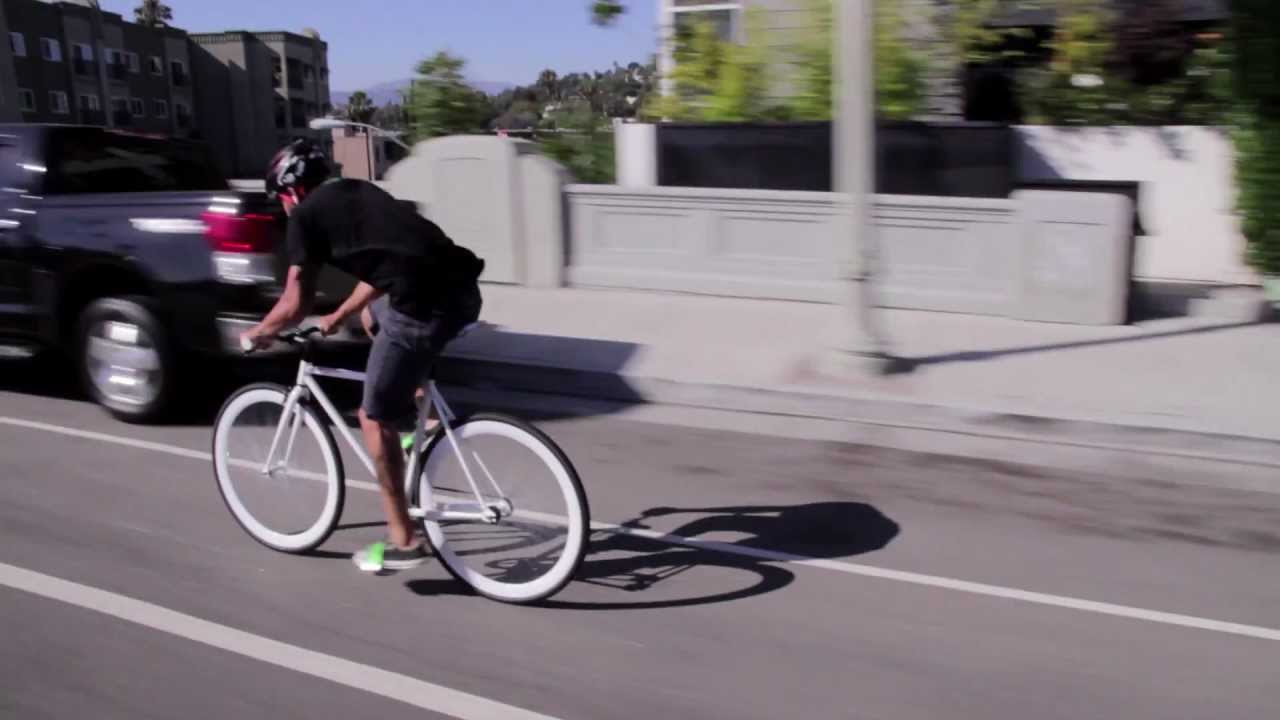
Image Source: i.ytimg.com
The Art of Fixed Gear Braking
Fixed gear braking relies on a direct connection between your legs and the rear wheel. Unlike freewheel bikes where you can coast, on a fixie, when the rear wheel turns, your pedals turn. This direct drive is what allows for unique stopping and speed controlling techniques. Many riders who opt for a single-speed bicycle with a fixed gear enjoy the simplicity and the intimate connection it fosters with the road.
Deciphering the Mechanics: How it Works
At its core, stopping a fixie is about resisting the forward momentum of the bike by resisting the rotation of the pedals. When you apply pressure backward on the pedals, you are essentially forcing the rear wheel to slow down. The amount of resistance you apply dictates the rate of deceleration.
Key Components for Braking
While the primary stopping power comes from your legs, certain components play a role:
- The Fixed Cog: This is welded or threaded directly onto the rear hub, meaning it cannot spin independently of the axle.
- The Crankset and Pedals: Your legs provide the force here. Stronger legs and good technique lead to more effective braking.
- Tires: The grip of your tires on the road is paramount. Worn-out tires will significantly reduce your braking ability.
- The Frame: A sturdy frame can handle the forces involved in aggressive braking.
- Optional: Front Brake: Many fixie riders choose to retain a front handbrake for added safety, especially in traffic or for quicker stops.
Primary Braking Methods for Fixies
There are several ways to slow down or stop a fixie, ranging from gentle deceleration to emergency stops.
1. Backpressure Braking (The Gentleman’s Stop)
This is the most common and intuitive braking method for riding a fixie. It’s about applying gentle, consistent backward pressure on the pedals to slow down smoothly.
How to Master Backpressure Braking:
- Shift Your Stance: Stand up on your pedals. This allows you to use your body weight effectively.
- Apply Gentle Backward Force: Begin to push backward on the pedals. Don’t jam them back; ease into it.
- Feel the Resistance: You’ll feel the rear wheel start to resist turning. This is your braking force.
- Increase Pressure Gradually: As you need to slow down more, increase the backward pressure on the pedals.
- Maintain Balance: Keep your body centered and your knees slightly bent to absorb any lateral movement.
- Ease Off: To stop braking, simply ease the backward pressure. You can continue to pedal forward slowly to keep the bike balanced as you come to a stop.
When to Use: This is your go-to for everyday riding, approaching intersections, or when you anticipate needing to slow down. It’s smooth and controlled.
2. Skid Stopping (The Artistic Halt)
Skid stopping is a more advanced fixed gear braking technique that involves lifting the rear wheel slightly off the ground by skidding. This requires more skill, practice, and a good deal of confidence.
Executing a Skid Stop:
- Build Some Momentum: You need a moderate amount of speed for a skid stop to be effective.
- Plant Your Feet: Pedal forward and place your dominant foot slightly ahead.
- Sudden Backward Force: With a decisive movement, push hard backward on the pedals.
- Lift and Skid: This sudden force will cause the rear wheel to lock up and skid across the pavement. You’ll often need to lift your hips slightly off the saddle to unweight the rear wheel.
- Maintain Balance: This is crucial. Keep your core engaged and your eyes looking where you want to go.
- Control the Skid: The length and intensity of the skid depend on how hard you push back and your tire grip.
- Resume Pedaling (Optional): Once the skid is over, you can resume pedaling forward to regain control and stability.
When to Use: Primarily for emergency stops or for experienced riders looking for a more dramatic way to halt. It’s not recommended for everyday use due to tire wear and the higher risk of losing control if not executed properly.
Factors Affecting Skid Stopping Effectiveness:
- Tire Tread: Smooth tires skid more easily and with less grip.
- Road Surface: Dry asphalt provides the best grip for skidding. Wet or loose surfaces make it much harder and riskier.
- Rider Weight and Distribution: How you position your body significantly impacts your ability to lift and skid the rear wheel.
- Pedal Force: The sheer amount of force you can apply backward is key.
3. Foot Braking (The Controlled Stop)
Foot braking is an often-overlooked deceleration technique that involves using your feet to directly apply friction to the tire. While not as common as pedal resistance, it can be a useful backup.
Performing Foot Braking:
- Position Your Feet: Extend one or both feet towards the rear tire.
- Apply Friction: Gently but firmly press the sole of your shoe against the side of the tire.
- Increase Pressure: The more pressure you apply, the more friction you create, slowing the wheel.
- Be Mindful of Shoe Wear: This method will wear down your shoes quickly.
When to Use: This is generally a last resort or a supplementary method for very minor speed adjustments. It’s not efficient for significant deceleration and can be hard on your footwear.
4. Using a Front Brake (The Safest Option)
While many purists embrace riding a fixie without handbrakes, incorporating a front brake is a wise decision for most riders, especially those new to fixed gears or riding in unpredictable environments.
How to Use a Front Brake:
- Gentle Squeeze: Apply the front brake lever smoothly and progressively.
- Lean Back: As you apply the brake, lean your body back slightly to shift your weight over the rear wheel. This helps prevent the front wheel from washing out or the bike from going over the handlebars.
- Combine with Pedal Resistance: Use the front brake in conjunction with backpressure on the pedals for most effective and safe stopping.
When to Use: Always a good idea for quick stops, emergency situations, and for anyone who wants an extra layer of safety.
Advanced Deceleration Techniques and Considerations
Mastering controlling speed on a fixie involves more than just knowing how to stop. It’s about anticipating and reacting.
Anticipation and Cadence Control
The best way to stop is often to avoid needing to stop abruptly. This involves:
- Reading the Road: Constantly scan ahead for traffic, pedestrians, obstacles, and changes in road surface.
- Cadence Management: Keep your pedals turning at a comfortable cadence. If you see a potential stop ahead, you can start to reduce your pedaling speed and apply gentle backward pressure earlier.
The “Skid-Stop-and-Pedal” Maneuver
This advanced technique combines a controlled skid with a quick re-engagement of the pedals. After a skid, instead of letting the bike roll freely, you immediately start pedaling forward to regain stability and control. This is often used to adjust position or make a quick turn after slowing down.
Emergency Stops: What to Do When Seconds Count
In a true emergency, you’ll want to combine as many braking methods as possible.
- Aggressive Pedal Resistance: Push back on the pedals with all your might.
- Front Brake (if installed): Apply the front brake firmly, remembering to lean back.
- Body Weight Shift: Lean back as much as possible to unweight the front wheel and keep it from locking up.
- Commit to the Skid (if necessary): If you’re not using a front brake, you might need to commit to a rear-wheel skid to stop as quickly as possible.
Important Note: Practicing emergency stops should only be done in a safe, controlled environment.
Fixie Maintenance for Optimal Braking
Proper fixie maintenance is essential for ensuring your braking systems are as effective as possible.
Tire Condition
- Tread Depth: Check your tires regularly. Worn-out tires have significantly less grip, making both backpressure and skid stopping less effective and more dangerous.
- Pressure: Properly inflated tires offer better grip and handling.
Cog and Chain
- Chain Tension: A properly tensioned chain is crucial. Too loose, and it can slip during braking. Too tight, and it can add unnecessary friction.
- Cog Wear: While cogs are durable, extreme wear can affect the bite of your pedal stroke.
Crankset and Pedals
- Smooth Rotation: Ensure your pedals and crankset spin freely but without excessive play.
Front Brake (if applicable)
- Brake Pads: Check for wear and ensure they are properly aligned with the rim.
- Cable Tension: Cables can stretch; ensure they have the correct tension for optimal lever feel.
Practicing Your Fixie Braking Skills
Consistency is key when learning to ride a fixie and master its deceleration techniques.
Where to Practice:
- Empty Parking Lots: Ideal for learning skid stopping and emergency stops.
- Quiet Residential Streets: Good for practicing backpressure and cadence control.
- Slight Inclines: Practicing on a gentle downhill can help you learn to control your speed effectively.
What to Practice:
- Smooth Deceleration: Practice slowing down gradually from various speeds.
- Quick Stops: Work on reducing your speed quickly using pedal resistance.
- Skid Control: If you’re aiming to skid, start with short, controlled skids and gradually increase the duration.
- Emergency Stop Drills: Simulate emergency braking scenarios to build muscle memory.
Common Questions About Stopping a Fixie
Here are some frequently asked questions about fixed gear braking:
Q1: Can I stop a fixie by just putting my feet down?
A: Yes, you can stop a fixie by putting your feet down, similar to how you might stop a bike with a freewheel. However, this isn’t a braking technique; it’s more of a dismount. It’s essential to learn to use your legs to slow the bike down before putting your feet down.
Q2: How do I avoid going over the handlebars on a fixie?
A: This usually happens when using a front brake incorrectly or during an aggressive skid. To avoid it:
* Always lean your body weight back when applying the front brake.
* When skid stopping without a front brake, focus on keeping your weight centered or slightly back.
* Practice controlled braking to build confidence and technique.
Q3: Will skid stopping wear out my tires quickly?
A: Yes, skid stopping will definitely wear out your tires much faster than regular riding or backpressure braking. If you plan to skid frequently, invest in durable tires and be prepared for more frequent replacements.
Q4: Is riding a fixie without a front brake safe?
A: While many experienced riders do it, riding a fixie without a front brake significantly reduces your stopping power and safety margin. For general commuting, urban riding, or if you are new to riding a fixie, a front brake is highly recommended.
Q5: How do I know if my fixed gear setup is good for braking?
A: A well-maintained fixed gear bike will feel responsive. You should be able to apply consistent backward pressure to slow down without the chain slipping or the pedals feeling overly stiff. For skid stopping, your tires need to be in good condition, and the road surface needs to provide adequate grip.
Conclusion
Mastering the art of stopping a fixie is a rewarding part of riding a fixie. Whether you prefer the smooth control of backpressure, the advanced technique of skid stopping, or the added security of a front brake, understanding these braking methods is paramount. With consistent practice and proper fixie maintenance, you’ll develop the confidence and skill to navigate any situation and enjoy the unique experience of a single-speed bicycle with a fixed gear. Remember, safety and control are always the top priorities.