
So, how far can an electric bike go on one charge? This is a crucial question for anyone considering an e-bike, and the answer isn’t a simple number. Generally, an electric bike can travel anywhere from 15 to 70 miles or even more on a single charge. The actual electric bike range depends on a variety of factors, which we’ll explore in detail.
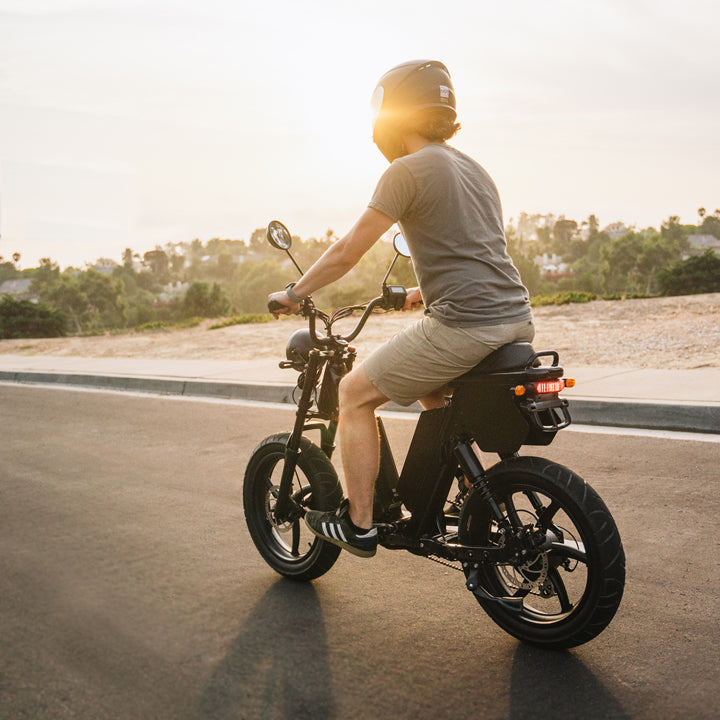
Image Source: cdn.shopify.com
Deciphering Electric Bike Range: More Than Just Battery Size
The distance an electric bicycle can cover on one charge, often referred to as electric bicycle distance or e-bike mileage, is a complex interplay of several elements. While the battery is the heart of the system, it’s not the only factor determining how long does an e-bike battery last in terms of distance. Think of it like a car: a bigger fuel tank gets you further, but how you drive also matters. Similarly, with an e-bike, the electric bike capacity of the battery is vital, but so is how you use the pedal-assist and other environmental conditions.
The Heart of the Matter: E-Bike Battery Life Explained
The primary determinant of your electric bike range is, of course, the battery. E-bike battery life, when we talk about range, refers to how many miles you can cover before needing a recharge. This is directly tied to the battery’s capacity, usually measured in watt-hours (Wh).
Battery Capacity: The Watt-Hour Equation
Electric bike battery capacity is the most significant factor influencing how far you can go. Batteries are rated in watt-hours (Wh). A higher Wh number means more stored energy, and generally, a longer range.
- Common Battery Capacities:
- 250 Wh: Typically found on entry-level or lightweight commuter e-bikes. Offers a moderate range.
- 350 Wh – 450 Wh: A common range for many mid-tier e-bikes, providing a good balance of range and weight.
- 500 Wh – 700 Wh: Often seen on higher-end e-bikes, touring bikes, or those designed for longer distances, offering extended electric bicycle distance.
- 700 Wh+: Found on premium or specialized e-bikes, built for maximum e-bike mileage.
To get a rough idea, a common rule of thumb is that for every 100 Wh of battery capacity, you can expect approximately 10-20 miles of range, assuming average riding conditions.
Battery Voltage and Amperage: The Supporting Cast
While Wh is the overall measure, it’s derived from voltage (V) and amperage-hours (Ah).
- Voltage (V): This is the electrical pressure. Higher voltage often means more power and can contribute to higher speeds and efficiency, indirectly affecting range. Common voltages are 36V and 48V.
- Amperage-Hours (Ah): This measures how much current the battery can deliver over time. More Ah means more energy storage.
The formula for watt-hours is: Watt-hours (Wh) = Voltage (V) × Ampere-hours (Ah).
So, a 36V battery with 10Ah has a capacity of 360Wh (36 x 10). A 48V battery with 10Ah has a capacity of 480Wh (48 x 10), meaning it can travel further.
Beyond the Battery: Other Key E-Bike Range Factors
The e-bike range factors are numerous and can significantly impact your electric bike range per charge. It’s not just about having a big battery; how you use it and the environment you ride in play a massive role.
1. Pedal-Assist Level: Your Power Partner
Electric bikes offer different levels of pedal assistance. The motor provides a boost, but you still need to pedal.
- Eco/Economy Mode: Uses the least amount of motor power, relying more on your pedaling. This will give you the longest electric bike range.
- Tour/Normal Mode: A balanced setting, providing a noticeable assist without draining the battery too quickly.
- Sport/Boost Mode: Offers the most powerful assist, making hills and headwinds easier. This will significantly reduce your e-bike mileage.
- Walk Mode: The motor provides power at a walking pace, useful for pushing the bike up inclines or through difficult terrain.
Fathoming the impact: For every lower pedal-assist level you use, you can add an extra 5-10 miles or more to your potential range. Conversely, constantly using the highest setting can halve your electric bicycle distance.
2. Terrain: Hills Versus Flats
The type of terrain you ride on is a critical e-bike range factor.
- Hilly Terrain: Going uphill requires the motor to work harder, drawing more power from the battery. This will reduce your electric bike range per charge. Steep inclines can drastically decrease e-bike mileage.
- Flat Terrain: Riding on flat surfaces allows the motor to operate more efficiently, extending your electric bicycle distance.
- Off-Road: Rough terrain with obstacles, loose surfaces, and frequent acceleration/deceleration can also reduce range compared to smooth paved roads.
Interpreting the effect: Expect your range to be approximately 15-25% less when riding in hilly areas compared to flat ground.
3. Rider Weight and Cargo: The Extra Load
The total weight being propelled by the e-bike significantly affects battery consumption.
- Rider Weight: A heavier rider will require more energy from the motor to maintain speed and climb hills.
- Cargo: Carrying panniers, a child seat, or extra gear adds to the overall weight, thus decreasing the electric bike range.
Grasping the consequences: For every 20-30 pounds of added weight, you might see a reduction of 2-5 miles in your total electric bike range.
4. Riding Style: Smooth Operator or Aggressive Accelerator?
How you ride your e-bike makes a difference to e-bike battery life.
- Smooth Acceleration and Braking: Conserves energy. Gradually increasing speed and anticipating stops uses less power.
- Aggressive Riding: Frequent hard accelerations and abrupt stops drain the battery faster, reducing e-bike mileage.
- Constant Speed: Maintaining a steady, moderate speed is more efficient than constantly changing speeds.
Comprehending the behavior: Riding smoothly can add a few miles to your electric bicycle distance compared to stop-and-go, aggressive riding.
5. Tire Pressure and Type: The Rolling Resistance
The tires and their inflation pressure have a direct impact on how efficiently the bike rolls.
- Proper Tire Inflation: Underinflated tires create more rolling resistance, meaning the motor has to work harder. Maintaining optimal tire pressure is crucial for maximizing electric bike range.
- Tire Tread: Knobby tires designed for off-road use have higher rolling resistance than smooth, slick tires meant for pavement.
Realizing the impact: Riding with properly inflated, smooth tires can add 5-10% to your electric bicycle distance.
6. Wind Conditions: Battling the Breeze
Wind can be a significant factor, especially on open roads or exposed paths.
- Headwind: Riding into a headwind requires the motor to exert more effort to maintain speed, significantly reducing e-bike mileage.
- Tailwind: A tailwind can actually assist you, reducing the motor’s workload and potentially extending your electric bike range.
Estimating the effect: A moderate headwind can reduce your electric bike range per charge by 10-20% or more.
7. Motor Type and Efficiency: The Engine’s Innards
While less controllable by the rider, the type and efficiency of the e-bike motor play a role.
- Hub Motors: Generally less efficient than mid-drive motors, especially on hills.
- Mid-Drive Motors: Often more efficient as they leverage the bike’s gears, allowing the motor to operate within its optimal power band. This can lead to better e-bike mileage.
Considering the design: More efficient motor designs, particularly mid-drives, tend to offer better electric bicycle range.
8. Ambient Temperature: The Thermometer’s Touch
Battery performance is also influenced by temperature.
- Cold Temperatures: Can temporarily reduce battery capacity and performance, leading to a shorter electric bike range.
- Very Hot Temperatures: Can also negatively impact battery health and performance over the long term.
Noting the environment: Extreme temperatures can reduce your electric bike range per charge by up to 10-15%.
Estimating Your Electric Bike Range: Tools and Techniques
Now that you know the e-bike range factors, how can you get a more personalized estimate of your electric bike range?
The E-Bike Range Calculator: Your Digital Assistant
Many e-bike manufacturers and online resources offer an e-bike range calculator. These tools allow you to input various parameters to get a more tailored prediction of your electric bicycle distance.
Typical inputs for an e-bike range calculator:
- Battery capacity (Wh)
- Motor wattage (W)
- Rider weight (lbs or kg)
- Average speed (mph or km/h)
- Terrain type (flat, hilly, mixed)
- Pedal-assist level (eco, normal, sport)
- Presence of cargo
Using an e-bike range calculator can be a helpful starting point for planning your rides.
Practical Tips for Maximizing Your Electric Bike Range
To get the most electric bike mileage out of every charge, consider these practical tips:
Pre-Ride Preparations:
- Charge Fully: Always start with a fully charged battery.
- Check Tire Pressure: Ensure tires are inflated to the manufacturer’s recommended PSI.
- Secure Cargo: Make sure any bags or panniers are securely fastened and balanced.
- Plan Your Route: If possible, map out a route that favors flat terrain and avoids excessive hills, especially if you’re new to e-biking.
During the Ride:
- Use Lower Assist Levels: Utilize the Eco or Tour modes whenever possible. Reserve the higher assist levels for climbs or headwinds.
- Shift Gears Wisely: Just like a regular bike, use your gears effectively. Shift to a lower gear when climbing hills to reduce the strain on both you and the motor.
- Smooth Pedaling and Braking: Avoid jerky movements. Accelerate gently and anticipate stops to coast when possible.
- Maintain a Steady Speed: Consistent speed is more energy-efficient than constant acceleration and deceleration.
- Be Mindful of Wind: Try to minimize your exposure to headwinds. If cycling with others, consider drafting behind them when appropriate.
Post-Ride Care:
- Proper Battery Storage: Store your battery in a cool, dry place, away from direct sunlight and extreme temperatures. Avoid leaving it fully charged or fully depleted for extended periods.
- Regular Maintenance: Keep your bike in good working order. Clean chains, lubricate moving parts, and ensure brakes are functioning correctly.
Real-World Examples: What to Expect
Let’s look at some hypothetical scenarios to illustrate the variability in electric bike range.
| E-Bike Type | Battery Capacity (Wh) | Rider Weight (lbs) | Terrain | Pedal Assist Level | Estimated Range (Miles) |
|---|---|---|---|---|---|
| City Commuter | 400 Wh | 160 | Flat, Urban | Eco | 40-55 |
| City Commuter | 400 Wh | 160 | Flat, Urban | Sport | 20-30 |
| Mountain E-bike | 600 Wh | 180 | Hilly, Mixed | Normal | 30-45 |
| Mountain E-bike | 600 Wh | 180 | Hilly, Mixed | Boost | 15-25 |
| Touring E-bike | 750 Wh | 200 (with cargo) | Rolling Hills | Tour | 50-70 |
| Lightweight E-bike | 300 Wh | 140 | Flat, Paved | Eco | 30-40 |
These are just estimates. Your actual electric bike range can vary.
Frequently Asked Questions (FAQ)
Q1: How long does an e-bike battery typically last in terms of years?
An e-bike battery’s lifespan is usually measured in charge cycles rather than years. Most quality e-bike batteries are rated for 500 to 1000 charge cycles. This means that if you charge your battery once a week, it could last anywhere from 5 to 10 years before its capacity significantly degrades. Proper care and storage are crucial for maximizing its lifespan.
Q2: Can I increase the range of my electric bike?
Yes, you can influence your electric bike range per charge by riding more efficiently, utilizing lower pedal-assist levels, maintaining proper tire pressure, and planning your routes to avoid excessive inclines or headwinds. Some e-bikes also have options for extended range batteries.
Q3: What is the average electric bike range?
The average electric bike range often falls between 30 to 50 miles. However, this is a broad generalization, and as we’ve discussed, it’s highly dependent on the factors mentioned in this guide.
Q4: Does using the throttle instead of pedal assist affect range?
Yes, if your e-bike has a throttle, using it exclusively or frequently will generally reduce your e-bike mileage compared to using pedal assist. The throttle provides power without you needing to pedal, meaning the motor works harder to propel the bike on its own.
Q5: Is it bad to drain the e-bike battery completely?
While modern lithium-ion batteries are quite robust, it’s generally recommended to avoid completely draining the battery regularly. For optimal long-term e-bike battery life, it’s often suggested to recharge when the battery level drops to around 20-30%.
Q6: What does “pedal assist” mean?
Pedal assist means the electric motor provides a boost to your pedaling effort. You still need to pedal for the motor to engage. The level of assist determines how much extra power the motor provides. This system is what distinguishes e-bikes from mopeds or scooters.
Q7: How do I find an e-bike range calculator?
You can typically find an e-bike range calculator on the websites of e-bike manufacturers or reputable cycling retailers. Searching online for “e-bike range calculator” will also yield several options from various sources.
Q8: What is the difference between e-bike battery capacity and e-bike motor power?
Electric bike battery capacity (Wh) is like the size of the fuel tank – it tells you how much energy the battery stores. E-bike motor power (W) is like the engine’s horsepower – it tells you how much force the motor can deliver to help you pedal. A larger fuel tank (higher Wh) allows for more miles, while a more powerful engine (higher W) helps you climb hills and accelerate faster, but might consume energy more quickly.
Conclusion: Your Journey, Your Range
The question of “how far can an electric bike go on one charge” is best answered by understanding the interplay of e-bike range factors. Your electric bike range is not a fixed number but a dynamic outcome of your battery’s electric bike capacity, the pedal-assist levels you choose, the terrain you navigate, your riding style, and more. By being mindful of these elements and employing smart riding strategies, you can confidently plan your adventures and make the most of every charge, extending your e-bike mileage and enjoying the freedom that electric biking offers.