
A 110cc dirt bike can typically reach a top speed of between 30 to 50 miles per hour (mph). This speed can vary based on several factors, including the bike’s design, rider weight, terrain, and any modifications made.
For many young riders and beginners, a 110cc dirt bike offers a thrilling introduction to the world of off-road riding. These bikes are known for their manageable power, lightweight frames, and ease of handling. But beyond the initial excitement, a common question arises: how fast can a 110cc dirt bike go? This isn’t just about a single number; it delves into the heart of what makes these mini machines tick and what performance aspects matter most. We’ll explore the 110cc dirt bike top speed, the factors influencing it, and what you can expect from their overall performance.
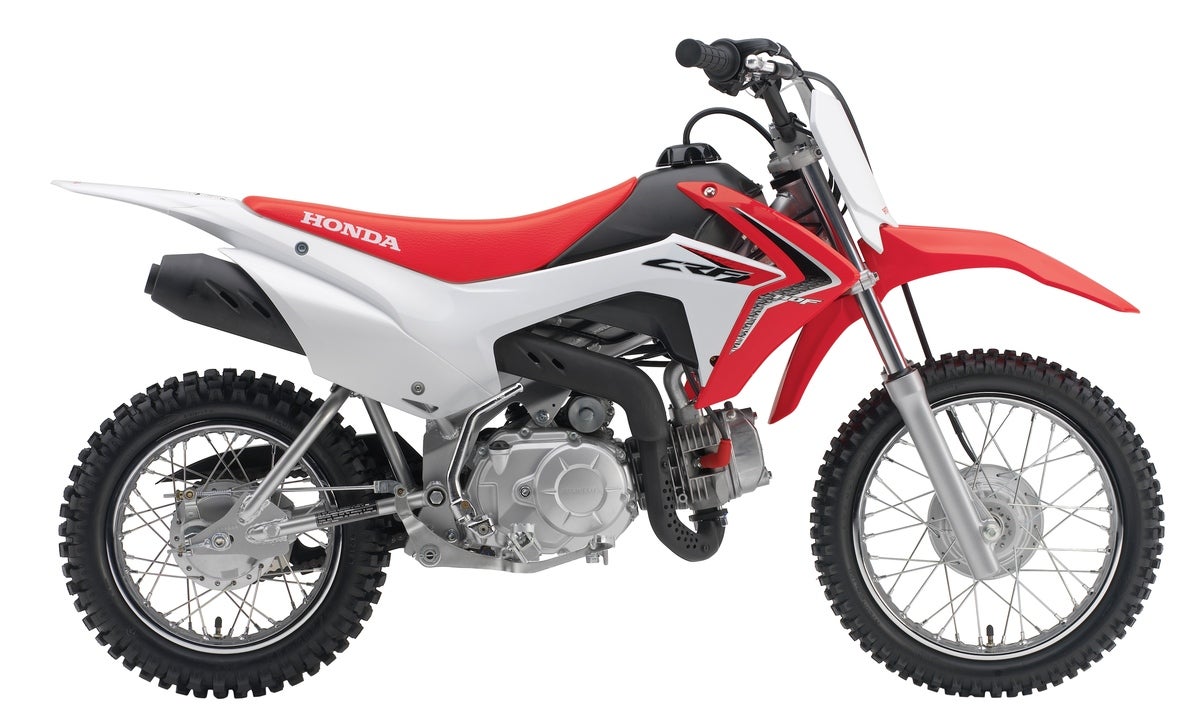
Image Source: www.dirtbikes.com
Deciphering 110cc Dirt Bike Speed
When we talk about maximum speed 110cc dirt bike, we’re entering a realm where small engines meet nimble frames. These bikes are generally designed for recreational use, trail riding, and learning the ropes of dirt biking. They are not built for outright speed records but rather for a balance of fun, control, and affordability.
Typical Speed Range
A typical 110cc dirt bike speed usually falls in the 30-50 mph bracket. This is a comfortable range for many young riders or adults looking for a less intimidating machine. The exact figure can be influenced by:
- Engine Size and Power Output: While “110cc” refers to the engine’s displacement, the actual horsepower and torque it produces can vary between manufacturers and specific models.
- Gearing: The bike’s gearing ratio plays a crucial role in how quickly it accelerates and what its top speed potential is.
- Rider Weight: A lighter rider will generally achieve a higher top speed than a heavier one on the same bike.
- Terrain: Riding on a smooth, flat surface will allow for a higher top speed compared to rough, hilly, or muddy terrain.
- Tire Condition and Pressure: Properly inflated tires with good tread contribute to efficiency and speed.
- Bike Condition: A well-maintained bike with a clean air filter and proper engine tuning will perform better.
How Fast is a 110cc Engine?
The how fast is a 110cc engine question is best answered by looking at the whole bike. The engine itself doesn’t have a “speed” in the way a vehicle does; it has RPM (revolutions per minute). The 110cc engine’s power is translated into forward motion through the transmission and drivetrain. A 110cc engine is designed to provide adequate power for its intended purpose – getting a lightweight bike moving effectively. It’s a good entry-level displacement, offering more oomph than smaller 50cc or 70cc engines but remaining less intimidating than larger displacement bikes.
Exploring 110cc Dirt Bike Performance
The 110cc dirt bike performance is a package deal. It’s not just about the top speed; it’s about how the bike behaves, how it accelerates, and how it handles.
110cc Motorcycle Acceleration
When discussing 110cc motorcycle acceleration, expect a brisk but not explosive feel. These bikes are designed to get up to speed relatively quickly, which is ideal for navigating trails and overcoming small obstacles. They usually feature automatic or semi-automatic transmissions, making acceleration smooth and easy, even for novice riders. The acceleration allows them to:
- Climb gentle inclines: They have enough torque to pull a rider up smaller hills.
- Get going from a stop: This is important for picking up speed after corners or stops on the trail.
- Provide an engaging ride: The responsiveness is usually enough to make the riding experience fun and active.
110cc Off-Road Bike Speed and Handling
The 110cc off-road bike speed is complemented by its handling characteristics. Because they are lightweight (often weighing between 150-200 lbs), they are incredibly agile. This agility means they can:
- Maneuver easily: Navigate tight turns and obstacles with confidence.
- Be picked up easily: If a rider falls, the bike is generally light enough to lift without significant struggle.
- Feel nimble: This makes learning riding techniques like body positioning much more accessible.
110cc Pit Bike Top Speed
Many 110cc engines power pit bikes. The 110cc pit bike top speed is often very similar to that of a standard 110cc dirt bike. Pit bikes are typically designed for smaller tracks, recreational use, and as pit vehicles. Their smaller wheels and often simpler suspension might mean they are geared for quick bursts of acceleration rather than sustained high speeds. However, on a flat, smooth surface, you can still expect figures in the 30-50 mph range.
Factors Influencing Top Speed
Let’s dive deeper into what dictates the maximum speed 110cc dirt bike can achieve.
Engine Characteristics
- Four-Stroke vs. Two-Stroke: Most modern 110cc dirt bikes are 110cc four-stroke dirt bike speed. Four-stroke engines are known for their fuel efficiency, smoother power delivery, and longer lifespan. They generally produce less peak horsepower than a comparable two-stroke but offer a more predictable and manageable powerband, which is great for beginners. Two-stroke engines are typically lighter and produce more power for their size, but they can be more temperamental and require more maintenance. For a 110cc, the four-stroke is the dominant and preferred configuration for most users.
- Carburetor and Air Intake: The size and tuning of the carburetor, along with the air filter, directly impact how much fuel and air enter the engine. An improperly jetted carburetor or a restricted air intake can significantly limit performance and top speed.
- Exhaust System: The exhaust plays a vital role in an engine’s performance. A restrictive stock exhaust can choke an engine, while a performance exhaust can improve flow and increase power, potentially boosting top speed.
Gearing and Transmission
The gearbox and final drive ratio are critical for determining a bike’s acceleration and top speed.
- Gearing Ratios: Bikes with shorter gearing (larger rear sprocket or smaller front sprocket) will accelerate faster but have a lower top speed. Bikes with taller gearing (smaller rear sprocket or larger front sprocket) will accelerate slower but can achieve a higher top speed. Most 110cc dirt bikes are geared for a balance of acceleration and usability on trails.
- Transmission Type: Many 110cc dirt bikes feature automatic transmissions (like those with a centrifugal clutch) or semi-automatic transmissions (where you shift gears without a clutch lever). This simplifies riding and allows the rider to focus more on throttle control and balance, contributing to a more consistent performance.
Rider and External Conditions
- Rider Skill and Weight: As mentioned, a lighter rider can often push a bike to its limits more effectively. An experienced rider can also optimize their body position and throttle control to maintain momentum and potentially reach higher speeds.
- Tire Grip and Condition: The type of tires, their condition, and the air pressure within them affect how well the bike can put power to the ground. Knobby tires are designed for off-road grip, and worn tires will reduce traction and performance.
- Terrain: Smooth, hard-packed dirt or even asphalt will yield higher speeds than loose gravel, sand, mud, or steep inclines.
- Altitude and Temperature: Higher altitudes mean thinner air, which can reduce engine power. Extreme temperatures can also affect engine performance.
Modifications and Maintenance
- Performance Upgrades: Riders may opt for aftermarket parts like performance exhausts, upgraded air filters, re-jetted carburetors, or even engine kits to increase power and potentially the 110cc dirt bike top speed.
- Maintenance: A well-maintained bike will always perform better. Regular oil changes, air filter cleaning, spark plug replacement, and proper chain adjustment are essential for optimal performance.
What to Expect from a 110cc Dirt Bike
The 110cc dirt bike performance is geared towards fun and learning. They are often chosen for:
- Beginner Riders: Their manageable power and weight make them ideal for children and teenagers starting in off-road riding.
- Trail Riding: They are perfectly suited for cruising on local trails, exploring dirt paths, and enjoying the outdoors.
- Recreational Fun: Many adults also find enjoyment in the simplicity and agility of 110cc bikes for casual rides.
110cc Bike Speed Limits
It’s important to remember that while we’re discussing top speeds, there are also 110cc bike speed limits that are dictated by safety and the intended use of the bike. These bikes are not street-legal in most places and are meant for off-road use only. The speed should always be appropriate for the rider’s skill level and the conditions of the terrain. Pushing a 110cc bike beyond its capabilities or the rider’s skill can lead to dangerous situations.
Comparing 110cc Dirt Bikes
While the core performance metrics are similar, there can be variations between brands and models.
| Feature | Typical Range / Description | Notes |
|---|---|---|
| Engine Type | 110cc, 4-stroke, air-cooled | Known for reliability and ease of use. |
| Horsepower | 6-9 HP (approximate) | Varies by manufacturer and specific tuning. |
| Torque | Moderate, good for low-end grunt | Helps with initial acceleration and climbing. |
| Transmission | Automatic or Semi-automatic (e.g., 3+N+1, 4+N+1) | Simplifies shifting for beginners. |
| Top Speed | 30-50 mph | Dependent on many factors. |
| Weight (Dry) | 150-200 lbs | Makes them easy to handle and maneuver. |
| Seat Height | 26-32 inches | Crucial for rider fit and control. |
| Suspension | Basic, suitable for light trail use | Not designed for extreme jumps or rough terrain. |
| Wheel Size | Often 14-inch front, 12-inch rear (or similar) | Smaller wheels contribute to agility. |
| Braking System | Disc brakes (front and rear) or drum (rear) | Provides adequate stopping power for the bike’s performance. |
Rider Fit and Ergonomics
Beyond raw speed, how a rider fits on the bike is paramount for control and enjoyment. The seat height on a 110cc dirt bike is typically designed for younger or shorter riders, usually falling in the 26-32 inch range. This allows riders to comfortably place their feet on the ground for stability. The handlebar position and control placement are also ergonomically designed for smaller hands and reach.
Maintenance Considerations
The 110cc four-stroke dirt bike speed is also a function of good upkeep. These engines are generally robust but require regular attention.
- Oil Changes: Frequent oil changes are essential for the longevity of the engine.
- Air Filter: Keeping the air filter clean ensures the engine gets proper airflow, crucial for performance and efficiency.
- Chain Lubrication and Adjustment: A well-maintained chain reduces wear and tear and ensures smooth power transfer.
- Spark Plug: A clean and correctly gapped spark plug guarantees efficient combustion.
Frequently Asked Questions About 110cc Dirt Bikes
Q1: Can a 110cc dirt bike go on roads?
A1: No, 110cc dirt bikes are almost universally designed for off-road use only and are not street-legal. They lack essential safety features like lights, turn signals, and mirrors required for road use.
Q2: How fast can a 10-year-old ride a 110cc dirt bike?
A2: The speed a 10-year-old can comfortably and safely ride a 110cc dirt bike depends entirely on their individual skill level, confidence, and the type of terrain they are riding on. It’s crucial for a child to receive proper instruction and wear all safety gear.
Q3: Are 110cc dirt bikes good for beginners?
A3: Yes, 110cc dirt bikes are excellent for beginners. Their manageable power, lightweight design, and often automatic or semi-automatic transmissions make them ideal for learning the basics of off-road riding.
Q4: What is the difference between a 110cc dirt bike and a 110cc pit bike?
A4: While both often share the same 110cc engine, pit bikes are typically smaller, with smaller wheels and suspension, designed for use on pit bike tracks or as utility vehicles. Dirt bikes are generally larger, with more suspension travel and larger wheels, better suited for general trail riding.
Q5: Can I make my 110cc dirt bike go faster?
A5: Yes, you can often increase the speed of a 110cc dirt bike through modifications. Common upgrades include exhaust systems, air filters, carburetor tuning, and sprockets. However, these modifications can affect reliability and may require more maintenance. Always research modifications carefully and consider the impact on safety and legality.
Q6: What is the average lifespan of a 110cc dirt bike engine?
A6: With proper maintenance, a 110cc dirt bike engine can last for many years and hundreds of hours of riding. Regular oil changes, air filter cleaning, and avoiding hard abuse will significantly extend the engine’s life.
In conclusion, a 110cc dirt bike offers a fantastic blend of accessibility and fun for aspiring off-road enthusiasts. While their 110cc dirt bike top speed may hover in the 30-50 mph range, their true value lies in their manageable power delivery, agile handling, and the confidence they build in riders. Whether it’s for a young adventurer or an adult seeking a lighter, more forgiving machine, the 110cc dirt bike performance provides an engaging and enjoyable way to explore the trails. Remember to always prioritize safety, wear your protective gear, and ride within your limits!