
A 90cc dirt bike’s top speed typically ranges from 30 to 45 miles per hour (mph), though this can vary based on factors like the rider’s weight, the terrain, and any modifications made to the bike.
Many people are curious about how fast a 90cc dirt bike can go. These small, nimble machines are popular for young riders and beginners, offering a gateway into the exciting world of off-road riding. But what are the actual speed capabilities of a 90cc dirt bike? Let’s dive deep into the factors that influence this and explore what you can expect from these pint-sized powerhouses.
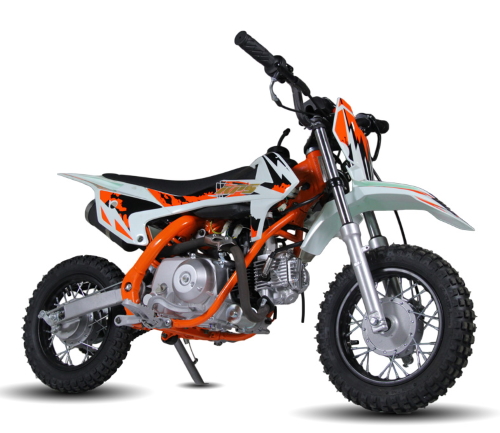
Image Source: safervideos.com
Unpacking 90cc Dirt Bike Performance
The performance of any dirt bike is a complex interplay of its engine size, gearing, weight, and the rider’s skill. For a 90cc dirt bike, this means we’re looking at a machine designed for fun and learning, rather than outright speed.
The Heart of the Machine: The 90cc Dirt Bike Engine
At the core of every 90cc dirt bike is its engine. These are typically small, air-cooled, four-stroke engines. They are designed for reliability and ease of use, making them ideal for new riders.
- Displacement: The “90cc” refers to the engine’s displacement, which is the volume of air and fuel mixture the engine can process in one cycle. A larger displacement generally means more power.
- Horsepower: A typical 90cc dirt bike engine might produce anywhere from 5 to 10 horsepower. This is enough to get a young rider moving and learn basic controls, but it won’t launch you into extreme speeds.
- Torque: Torque is the rotational force the engine produces. For smaller bikes, torque is often more important for climbing hills and getting moving from a standstill than top-end speed.
- Engine Speed (RPM): The engine speed, measured in revolutions per minute (RPM), indicates how fast the engine is spinning. While higher RPMs can contribute to higher speeds, 90cc engines are not designed to be revved to extremely high levels for extended periods. They operate most efficiently in their mid-range.
Riding the Waves: 90cc Mini Bike Speed
When we talk about 90cc mini bikes, the context is often slightly different. Mini bikes are generally simpler machines, often with smaller wheels and a more basic suspension.
- Purpose: 90cc mini bikes are usually built for recreational riding, often on flat, open areas or for short sprints.
- Speed Potential: Due to their simpler design and often lower gearing, 90cc mini bikes might have a slightly lower top speed than a similarly sized dirt bike. The focus is more on maneuverability and fun than on reaching high velocities. We’re looking at speeds in the 25-35 mph range for many stock 90cc mini bikes.
Navigating the Terrain: 90cc Trail Bike Acceleration
Acceleration is how quickly a bike can reach its top speed. For a 90cc trail bike, acceleration is designed to be manageable and smooth.
- Getting Up to Speed: A 90cc trail bike won’t pin you back in your seat, but it will provide a steady build-up of speed. This is crucial for beginners who are still learning to manage throttle control.
- Climbing Hills: The acceleration characteristics are important for tackling inclines. A 90cc trail bike will have enough oomph to climb moderate hills, especially with a lighter rider, but steep, challenging ascents will be a struggle.
- Off-the-Line: The initial burst of acceleration from a standstill is usually brisk enough for the bike to feel responsive.
Exploring the Outdoors: 90cc Off-Road Bike Velocity
The term “off-road bike” is broad, but for a 90cc model, it usually implies a bike designed for light trail riding, motocross tracks for beginners, or general recreational use on dirt.
- Velocity Expectations: The velocity of a 90cc off-road bike is directly tied to its engine’s power output and the bike’s overall setup. As mentioned, expect speeds in the 30-45 mph range.
- Influence of Terrain: Riding on soft sand will naturally reduce the bike’s velocity compared to riding on hard-packed dirt. Muddy conditions can also significantly impact performance and speed.
The Ride Experience: 90cc Dirt Bike Speed Capabilities
When we consider the “speed capabilities” of a 90cc dirt bike, it’s important to frame it within its intended use.
- Learning Curve: These bikes are built to help riders learn the fundamentals of clutch operation, throttle control, and body positioning. The speed is kept at a level where mistakes are less likely to lead to serious injury.
- Fun Factor: While not a speed demon, a 90cc dirt bike offers plenty of fun. The agility and ease of control make them enjoyable for zipping around trails and learning basic maneuvers.
- Versatility: Within its class, a 90cc dirt bike can handle a surprising variety of light off-road conditions, from dirt paths to grassy fields.
The Pit Stop Perspective: 90cc Pit Bike Top Speed
Pit bikes are often smaller, more compact versions of full-sized dirt bikes. A 90cc pit bike is typically used for fun at campgrounds, in backyards, or for practice sessions before moving to larger bikes.
- Compact Power: The 90cc pit bike top speed will generally be in the same ballpark as a standard 90cc dirt bike, perhaps slightly lower due to the often more basic suspension and wheel sizes. We’re generally looking at the 30-40 mph range.
- Focus on Agility: Pit bikes are prized for their agility and ease of transport. Their speed is secondary to their ability to be easily loaded and unloaded and to navigate tight spaces.
Factors That Dictate 90cc Dirt Bike Speed
Several elements contribute to how fast a 90cc dirt bike can actually go. Understanding these can help you gauge performance and even identify potential areas for improvement if you’re looking to maximize your bike’s capabilities.
The Guts of It: 90cc Dirt Bike Gearing
Gearing plays a massive role in a dirt bike’s acceleration and top speed. It’s the system of sprockets and chains that transfer power from the engine to the rear wheel.
- Sprocket Ratios: The number of teeth on the front (countershaft) sprocket and the rear (driven) sprocket determines the gear ratio.
- Lower Gearing (larger rear sprocket or smaller front sprocket): This prioritizes acceleration and low-end torque. The bike will get up to speed faster and be better at climbing hills, but its top speed will be limited.
- Higher Gearing (smaller rear sprocket or larger front sprocket): This prioritizes top speed. The bike will accelerate more slowly but can reach higher velocities before the engine hits its rev limiter.
- Stock Gearing: Most 90cc dirt bikes come with gearing that balances acceleration and top speed for general trail riding.
- Aftermarket Gearing: Riders can change sprockets to alter the bike’s performance. For a 90cc bike, most riders will stick with gearing that favors acceleration for navigating trails.
Weight Matters: Rider and Bike
The weight of both the rider and the bike itself significantly impacts performance.
- Rider Weight: A lighter rider will naturally allow a 90cc dirt bike to accelerate faster and reach a slightly higher top speed than a heavier rider. This is because less mass needs to be propelled.
- Bike Weight: 90cc dirt bikes are typically very lightweight, often weighing in the range of 150-200 pounds. This low weight is a key reason they are good for beginners and contribute to their nimble handling.
- Load: Carrying extra gear or a passenger (which is not recommended on most 90cc bikes) will also reduce speed and acceleration.
The Surface Beneath: Terrain Influence
The type of ground you’re riding on has a major impact on how fast you can go.
- Hard-Packed Dirt: This provides the best traction and allows the bike to transmit power efficiently, leading to higher speeds.
- Loose Gravel or Sand: These surfaces offer less traction, causing the wheels to spin and reducing the bike’s ability to accelerate and reach its maximum velocity.
- Mud: Muddy conditions are the enemy of speed and traction. The bike will struggle to gain momentum, and the engine may bog down.
- Grass: Smooth, dry grass can offer decent traction, but wet or long grass will impede speed.
- Inclines: Riding uphill will naturally reduce the bike’s speed due to gravity, and downhill will increase it.
The Environment’s Role: Altitude and Air Density
While less impactful on smaller engines like a 90cc, environmental factors can still play a role.
- Altitude: At higher altitudes, the air is less dense. This means there’s less oxygen for the engine to mix with fuel, resulting in a slight loss of power and thus, a potential reduction in top speed.
- Temperature: Engine performance can also be affected by air temperature, though typically not drastically on a 90cc bike.
Modifications: Pushing the Limits
For those who want to squeeze every bit of performance out of their 90cc dirt bike, modifications are an option, though they can increase the 90cc dirt bike speed limits significantly.
- Exhaust Systems: Aftermarket exhaust systems can improve airflow and allow the engine to “breathe” better, potentially increasing horsepower and top speed.
- Air Filters: High-flow air filters can also aid in engine performance.
- Carburetor Tuning: Adjusting or upgrading the carburetor can optimize the fuel-air mixture for better power delivery.
- Engine Rebuilds: More extensive modifications might involve internal engine work, but this is usually beyond the scope of typical 90cc bike use.
Important Note: Modifications can affect the reliability and lifespan of a small engine if not done correctly. Always consult with a professional if you’re considering significant changes.
Deciphering 90cc Dirt Bike Speed Limits
When we talk about “speed limits,” it’s important to distinguish between the bike’s mechanical capabilities and the intended safe operating speeds or legal restrictions.
The Bike’s Natural Pace
The inherent design of a 90cc dirt bike means it has a natural top speed limit dictated by its engine size, gearing, and overall construction. As we’ve discussed, this is typically in the 30-45 mph range.
Rider Skill and Safety
For beginners, the “speed limit” should be dictated by their comfort level and skill. It’s crucial to start slow and gradually increase speed as confidence and abilities grow.
- Gradual Progression: Riders should master basic controls at lower speeds before attempting to push the bike to its maximum.
- Awareness: Always be aware of your surroundings, including obstacles, terrain changes, and other riders.
Legal and Trail Restrictions
Depending on where you ride, there may be legal or trail-specific speed limits.
- Private Property: If riding on private land, the owner may set speed limits or rules.
- Public Trails: Many off-road parks and trails have posted speed limits to ensure rider safety and protect the environment. Always check and adhere to these regulations.
- Road Legality: 90cc dirt bikes are almost never street legal. They are designed solely for off-road use. Attempting to ride them on public roads is illegal and dangerous.
Comparing 90cc Dirt Bike Speed Capabilities
Let’s look at how 90cc dirt bikes stack up against other similarly sized or slightly larger bikes.
90cc vs. 50cc Dirt Bikes
- Speed: 50cc dirt bikes are designed for the very youngest riders and typically have top speeds in the 15-25 mph range. A 90cc bike will be noticeably faster.
- Power: The 40cc difference in displacement means the 90cc will have significantly more power for acceleration and climbing.
90cc vs. 110cc/125cc Dirt Bikes
- Speed: Bikes in the 110cc to 125cc range are a step up. They typically have top speeds ranging from 45 mph to 60 mph, sometimes even higher depending on the specific model and configuration.
- Power: These larger engines offer considerably more horsepower and torque, allowing for faster acceleration and better performance in more challenging terrain.
- Target Audience: While 90cc bikes are great for beginners, 110cc and 125cc bikes often serve as the next step for riders who have outgrown smaller machines.
90cc Dirt Bike Engine Speed and Drivetrain
The 90cc dirt bike engine speed, combined with the drivetrain (clutch, transmission, sprockets), determines the bike’s overall velocity.
- Transmission: Most 90cc dirt bikes feature automatic or semi-automatic transmissions (e.g., clutchless shifting), making them easier to manage. Some might have a manual clutch and 3 or 4-speed transmission.
- Power Transfer: The efficiency of power transfer from the engine to the rear wheel is crucial. A well-maintained chain and sprockets will ensure optimal performance.
Riding a 90cc Dirt Bike: What to Expect
For a rider stepping onto a 90cc dirt bike, the experience is all about learning and having fun.
- Ease of Use: The lightweight nature and manageable power delivery make these bikes very approachable.
- Learning: This is the perfect platform to learn essential riding skills like balance, throttle control, braking, and how to navigate basic off-road obstacles.
- Terrain: Expect to comfortably ride on dirt paths, grassy fields, and mild dirt tracks. Steep hills or highly technical terrain might be challenging.
Frequently Asked Questions (FAQ)
Here are some common questions people have about 90cc dirt bike speed.
Q1: What is the average top speed of a 90cc dirt bike?
A1: The average top speed of a stock 90cc dirt bike is typically between 30 and 45 miles per hour (mph).
Q2: Can a 90cc dirt bike go on the road?
A2: No, 90cc dirt bikes are designed for off-road use only and are not street legal. Riding them on public roads is illegal and dangerous.
Q3: How much weight can a 90cc dirt bike carry?
A3: While they are lightweight, most 90cc dirt bikes are designed for a single rider, with weight capacities generally ranging from around 100 to 150 pounds. Always check the manufacturer’s specifications for the exact weight limit.
Q4: Will changing the sprockets increase the speed of my 90cc dirt bike?
A4: Yes, changing the sprockets can alter the bike’s speed characteristics. Higher gearing (larger rear sprocket, smaller front) increases acceleration but lowers top speed, while lower gearing (smaller rear sprocket, larger front) does the opposite.
Q5: Is a 90cc dirt bike good for a beginner?
A5: Yes, a 90cc dirt bike is an excellent choice for beginner riders, especially younger ones or smaller adults, due to its manageable power, lightweight design, and ease of use.
Q6: What factors affect a 90cc dirt bike’s speed?
A6: Key factors include rider weight, terrain type, tire condition, gearing, engine condition, air density (altitude), and any aftermarket modifications.
Q7: Can I make my 90cc dirt bike faster?
A7: Yes, you can potentially increase its speed through modifications like exhaust upgrades, air filter changes, and carburetor tuning. However, these changes might impact reliability and should be done with care.
Q8: How does 90cc pit bike speed compare to a 90cc dirt bike?
A8: Generally, their top speeds are similar, often in the 30-40 mph range. Pit bikes might be slightly slower due to their more basic suspension and often smaller wheel sizes, prioritizing compactness and agility.
Q9: What kind of acceleration can I expect from a 90cc trail bike?
A9: You can expect smooth, manageable acceleration that’s ideal for learning. It won’t be blistering fast, but it will be enough to get you moving and handle gentle inclines effectively.
Q10: Are there legal speed limits for riding a 90cc dirt bike?
A10: While the bike itself has a mechanical speed limit, actual riding speed limits are often dictated by the terrain you are on (e.g., designated off-road parks may have posted limits) or trail rules. It’s crucial to be aware of and follow all posted regulations.