
A dirt bike’s top speed can range anywhere from 30 mph to over 100 mph, depending on its engine size, type, and intended use. For instance, a small 50cc dirt bike might only reach around 30 mph, while a powerful 450cc motocross bike can easily exceed 80 mph, with some specialized models pushing past 100 mph.
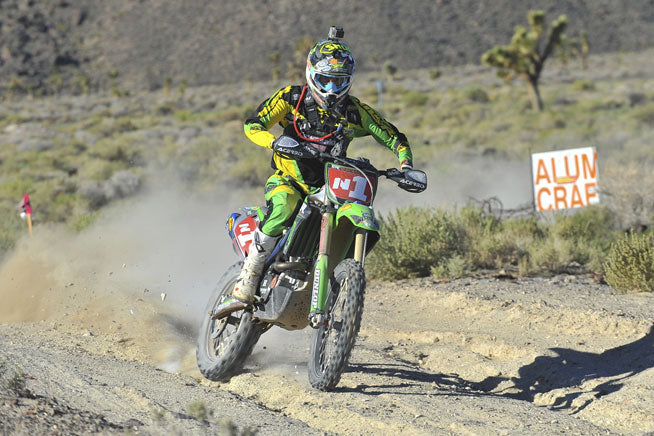
Image Source: riskracing.com
Factors Shaping Dirt Bike Velocity
The speed a dirt bike can achieve is not a single, fixed number. It’s a dynamic interplay of several critical elements, each contributing to its overall performance and capability on varied terrains.
Engine Displacement: The Heartbeat of Speed
Engine size, measured in cubic centimeters (cc), is arguably the most significant factor influencing a dirt bike’s speed. Larger engines generally produce more power, leading to higher top speeds and quicker acceleration.
How Fast Is a 125cc Dirt Bike?
A 125cc dirt bike, often favored by younger riders or those new to the sport, typically has a top speed in the range of 40-60 mph. These bikes are designed for maneuverability and learning, not outright speed. Their lighter weight and less powerful engines make them ideal for trails and beginner tracks.
How Fast Is a 250cc Dirt Bike?
Stepping up to a 250cc dirt bike, you’ll notice a substantial increase in performance. The dirt bike top speed for a 250cc can range from 60-80 mph. These are versatile machines, popular in both motocross and trail riding, offering a good balance of power and control.
How Fast Is a 450cc Dirt Bike?
The 450cc class represents the pinnacle of performance for many off-road enthusiasts. A 450cc dirt bike can easily reach 70-90 mph, with some specialized motocross bike top speed figures pushing even higher. These bikes offer thrilling dirt bike acceleration and are built for competitive racing and demanding terrain.
Two-Stroke vs. Four-Stroke Engines: A Tale of Power Delivery
The fundamental difference in how two-stroke and four-stroke engines operate directly impacts their speed characteristics.
2 Stroke Dirt Bike Speed
Two-stroke engines are known for their explosive power delivery. They achieve their power stroke on every revolution of the crankshaft, leading to a more immediate and aggressive surge of power. This often translates to exhilarating dirt bike acceleration. While they might not always reach the absolute highest top speeds of comparable four-strokes, the way they deliver their power can feel much faster. A well-tuned 2 stroke dirt bike speed can still be very impressive, especially in the mid-range RPMs where they excel.
4 Stroke Dirt Bike Speed
Four-stroke engines complete a power stroke every two revolutions. This results in a smoother, more linear powerband. Four-strokes generally offer better low-end torque and a broader power range, making them more manageable for a wider variety of riders. In terms of outright dirt bike top speed, modern four-strokes often have a slight edge due to their ability to rev higher and sustain peak power for longer periods. This also contributes to impressive dirt bike acceleration, particularly off the line and out of corners.
Riding Discipline: Purpose-Built for Different Speeds
The intended use of a dirt bike dictates its design, which in turn affects its potential speed.
Motocross Bike Top Speed
Motocross bikes are designed for intense, short-duration racing on closed dirt tracks. They prioritize explosive power, nimble handling, and the ability to get riders up to speed quickly. A motocross bike top speed can be quite high, often exceeding 80 mph, and they are engineered for rapid acceleration out of corners and over jumps.
Enduro Bike Speed
Enduro bikes are built for endurance and versatility. They are designed to tackle a wide range of off-road conditions, from tight trails to open fields, and often include features like lights and larger fuel tanks. While still capable of good speeds, enduro bike speed is more about consistent performance over long distances and varied terrain. Their top speeds might be slightly lower than dedicated motocross bikes, but their broader power delivery and suspension are tuned for a wider variety of challenges.
Supercross Bike Top Speed
Supercross is a specialized form of motocross held in stadiums on man-made tracks with challenging obstacles. Bikes used in supercross bike top speed are highly tuned motocross machines. While the tracks are shorter and tighter than outdoor motocross, requiring incredible agility and precise throttle control, these bikes are still capable of reaching speeds in the 70-85 mph range between obstacles. The focus here is less on sustained high speed and more on rapid bursts of acceleration and deceleration.
Rider Skill and Weight: The Human Element
It’s crucial to remember that the rider plays a significant role in how fast a dirt bike can go.
- Skill Level: An experienced rider can extract more performance from a dirt bike than a novice. Advanced techniques like clutch control, body positioning, and throttle management can significantly improve acceleration and maintain higher speeds.
- Rider Weight: A heavier rider will naturally require more power to achieve the same acceleration and top speed as a lighter rider. This is a fundamental principle of physics.
Terrain and Gearing: Adapting to the Environment
The surface the dirt bike is riding on and its gearing configuration are vital for optimal speed.
- Terrain: Smooth, hard-packed dirt allows for higher speeds than loose sand, mud, or rocky terrain. Traction is paramount, and slippery surfaces will limit a bike’s ability to put its power down effectively.
- Gearing: The final drive gearing (sprocket sizes) can be changed to prioritize either acceleration or top speed. A lower gear ratio (larger rear sprocket, smaller front sprocket) will improve acceleration but limit top speed. Conversely, a higher gear ratio will increase top speed but reduce acceleration. Mechanics often adjust gearing based on the specific type of riding or track.
Deciphering Dirt Bike Acceleration
Dirt bike acceleration is as thrilling as its top speed. It’s the feeling of being pushed back into the seat as the engine’s power is unleashed.
Key Factors in Acceleration
- Torque: This is the rotational force produced by the engine. Higher torque, especially at lower RPMs, allows the bike to get moving from a standstill or accelerate out of corners more forcefully.
- Power: Measured in horsepower, this is the rate at which the engine can do work. Higher horsepower generally translates to faster acceleration and higher top speeds.
- Weight: A lighter bike requires less force to accelerate, so lighter dirt bikes will generally have better acceleration than heavier ones, assuming similar engine power.
- Traction: Without adequate traction, the wheels will spin, wasting engine power and negating acceleration. Tire choice and suspension setup play a big role here.
- Clutch and Throttle Control: Smooth and precise use of the clutch and throttle is essential for optimal acceleration. Feathering the clutch to get the bike moving without bogging the engine and then smoothly applying throttle is a learned skill.
Maximum Speed Benchmarks
Let’s look at some general top speed expectations for different types of dirt bikes and engine sizes.
| Dirt Bike Type | Engine Size (cc) | Typical Top Speed (mph) | Notes |
|---|---|---|---|
| Pit Bike | 110-160 | 40-55 | Small, fun for recreational riding and learning. |
| Youth/Beginner MX | 50-85 | 30-50 | Designed for younger riders and smaller tracks. |
| Junior Motocross | 125 | 40-60 | Lighter, agile, good for learning advanced techniques. |
| Amateur/Intermediate | 250 | 60-80 | Versatile, popular for both motocross and trail riding. |
| Pro Motocross | 450 | 70-90+ | High-performance machines for competitive racing. |
| Enduro | 250-300 (2-stroke) | 60-75 | Tuned for broader power, durability, and varied terrain. |
| Enduro | 350-500 (4-stroke) | 65-85 | Excellent low-end torque and usable power across the rev range. |
| Dual-Sport | 250-650 | 70-90+ | Street-legal variants, designed for both on and off-road use. |
Note: These figures are estimates and can vary significantly based on specific models, modifications, rider skill, and riding conditions.
Pushing the Limits: Modifications and Customization
The world of dirt biking is rich with customization, and many riders seek to eke out every last bit of performance from their machines.
Performance Modifications
- Exhaust Systems: Aftermarket exhausts can improve an engine’s breathing, leading to gains in both power and top speed.
- Engine Tuning (ECU Flashing): Reprogramming the engine control unit can optimize fuel and ignition timing for better performance.
- Big Bore Kits: These kits increase the engine’s displacement, providing a significant boost in power and torque.
- Carburetor/Fuel Injection Upgrades: Optimizing the fuel delivery system can enhance performance across the rev range.
- Gearing Changes: As mentioned, altering sprocket sizes is a common and effective way to fine-tune acceleration and top speed.
- Weight Reduction: Removing unnecessary components or using lighter aftermarket parts can improve the power-to-weight ratio, benefiting acceleration.
Aerodynamics and Rider Position
While not as significant as on a road motorcycle, rider position can still influence aerodynamic drag at higher speeds. Crouching low behind the windscreen or fairing (if present) can reduce resistance, allowing for slightly higher top speeds.
Safety First: Speed and Responsibility
It’s paramount to remember that dirt bikes are powerful machines designed for off-road use. High speeds, combined with unpredictable terrain, demand respect and a commitment to safety.
- Protective Gear: Always wear a helmet, goggles, gloves, boots, and protective riding apparel.
- Know Your Limits: Ride within your skill level and the capabilities of your machine.
- Environment Awareness: Be aware of your surroundings, including obstacles, other riders, and changing terrain.
- Mechanical Condition: Ensure your dirt bike is well-maintained and in good working order before every ride.
Frequently Asked Questions (FAQ)
Q1: What is the fastest dirt bike ever made?
The “fastest” dirt bike title is hard to pin down as specialized racing bikes are constantly evolving. However, highly modified 450cc motocross or supercross bikes, often with extensive engine work and aerodynamic enhancements, can exceed 100 mph. Production bikes generally top out in the 80-90 mph range for the 450cc class.
Q2: Can I make my 125cc dirt bike faster?
Yes, you can make a 125cc dirt bike faster through modifications like exhaust systems, engine tuning, and gearing changes. However, it’s important to manage expectations; it will never match the speed of a larger-displacement bike.
Q3: Does rider weight affect dirt bike speed?
Yes, rider weight significantly affects dirt bike speed. A heavier rider requires more power to achieve the same acceleration and top speed as a lighter rider.
Q4: How does the type of terrain affect dirt bike speed?
Terrain has a major impact on speed. Smooth, hard-packed dirt allows for higher speeds because the tires can grip effectively. Loose surfaces like sand, mud, or rocks reduce traction, causing wheelspin and limiting acceleration and top speed.
Q5: Is a 2-stroke or 4-stroke dirt bike faster?
In general, 4-stroke dirt bikes tend to have higher top speeds and a broader, more manageable powerband. However, 2-stroke dirt bikes are known for their aggressive, explosive acceleration, which can make them feel very fast, especially in the mid-range. The overall “feel” of speed can be subjective.
Q6: What is the average top speed of a 250cc dirt bike?
The average top speed of a 250cc dirt bike is typically between 60 mph and 80 mph, depending on whether it’s a two-stroke or four-stroke, and its specific application (motocross, enduro, etc.).
Q7: How fast can a 450cc dirt bike go on average?
On average, a 450cc dirt bike can reach a top speed between 70 mph and 90 mph. Highly tuned racing versions or those with specific gearing might exceed this.
Q8: What affects a dirt bike’s acceleration the most?
The most significant factors affecting dirt bike acceleration are engine torque, horsepower, the bike’s weight, and the traction available from the tires. Rider skill in managing the clutch and throttle is also crucial.