
A typical 125cc motorcycle or scooter can reach a top speed of around 60 to 75 miles per hour (mph), though this can vary based on the specific model, rider weight, road conditions, and even weather.
Navigating the world of two-wheeled transport often leads to a common question: “How fast does a 125cc bike go?” Whether you’re a seasoned rider eyeing a lighter machine or a new enthusiast considering your first motorcycle or scooter, understanding the speed capabilities of a 125cc engine is crucial. These bikes occupy a popular segment, especially for commuters and those seeking an accessible entry into motorcycling. But what exactly can you expect in terms of speed from this engine size?
The 125cc motorcycle top speed is a blend of engineering, rider input, and environmental factors. While a precise, universal answer is elusive, we can delve into the nuances that influence how fast a 125cc bike can travel. This exploration will cover engine performance, design differences between motorcycles and scooters, and the various elements that contribute to the overall speed rating of these versatile machines.
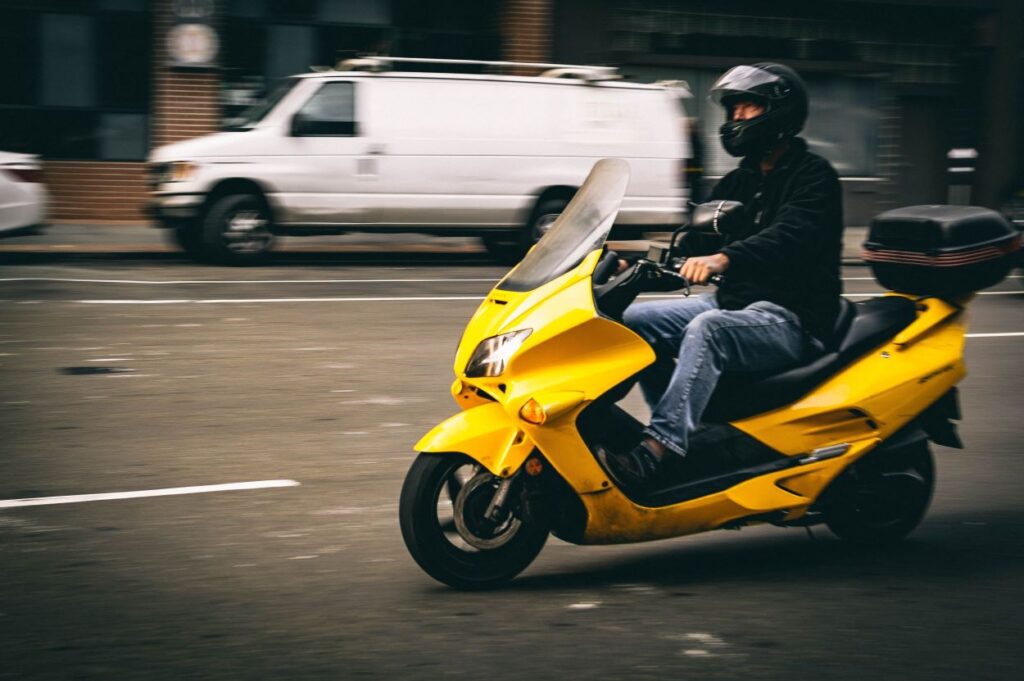
Image Source: www.bikesure.co.uk
Delving into 125cc Engine Performance
The heart of any motorcycle or scooter is its engine, and for 125cc models, this means a compact, typically single-cylinder unit. The “cc” in 125cc refers to the displacement of the engine’s cylinders, measured in cubic centimeters. A larger displacement generally means more power, but with 125cc, the focus is often on fuel efficiency, maneuverability, and ease of use rather than outright speed.
125cc Engine Power and Speed Dynamics
The 125cc engine power and speed are closely linked. Horsepower and torque are the primary metrics that dictate how quickly a bike can accelerate and its potential top speed. Most 125cc engines produce between 10 to 15 horsepower. This might sound modest, but it’s ample for urban commuting and navigating slower roads.
- Horsepower: Higher horsepower translates to a greater ability to overcome resistance (air resistance, gravity, rider weight) and achieve higher speeds.
- Torque: Torque is the rotational force that gets the bike moving from a standstill. Good torque ensures a responsive feel, especially at lower speeds.
The 125cc engine performance is characterized by its ability to provide adequate power for daily use without being intimidating for new riders. These engines are designed for reliability and economy, making them a practical choice for many.
How Fast is a 125cc Motorcycle?
When we talk about a 125cc motorcycle top speed, we’re typically looking at bikes designed for road use, often with a sporty or standard riding posture. These machines are built for agility and efficiency.
Typical 125cc Top Speed for Motorcycles
The typical 125cc top speed for a motorcycle generally falls within the 60-75 mph range. Some sportier models might nudge slightly higher, perhaps reaching up to 80 mph under ideal conditions, while more utilitarian or commuter-focused bikes might top out closer to 60-65 mph.
Factors influencing this include:
- Aerodynamics: The rider’s posture and the bike’s fairing (or lack thereof) play a significant role. A rider tucked in behind a fairing will experience less wind resistance and can achieve a higher speed than an upright rider on a naked bike.
- Gearing: The final drive gearing can be adjusted to favor acceleration or top speed. Manufacturers often choose a balance that suits the bike’s intended use.
- Weight: The combined weight of the rider and the bike is a major factor. Lighter riders on lighter bikes will naturally achieve higher speeds.
- Engine Tuning: Even within the 125cc class, different engine tunes can result in varying power outputs and top speeds.
125cc Bike Acceleration
While top speed is a key metric, 125cc bike acceleration is equally important for everyday riding. The ability to get up to speed quickly is vital for merging into traffic or overtaking slower vehicles. 125cc bikes offer respectable acceleration for their class, allowing riders to keep pace with city traffic and feel confident on the road. They can typically go from 0 to 60 mph in anywhere from 10 to 15 seconds, depending on the specific model and conditions.
How Fast Does a 125cc Scooter Max Speed?
Scooters, while also featuring 125cc engines, often have a slightly different performance profile compared to motorcycles. The design of a scooter, with its step-through frame and enclosed engine, influences its aerodynamics and rider position.
125cc Scooter Max Speed Considerations
The 125cc scooter max speed is often very similar to that of their motorcycle counterparts, usually in the 60-70 mph range. However, a few nuances can affect this:
- Wheel Size: Scooters typically have smaller wheels than motorcycles. Smaller wheels can sometimes be less stable at higher speeds.
- Riding Position: The upright riding position common on scooters can create more wind resistance, potentially limiting top speed compared to a tucked-in motorcycle rider.
- Transmission: Most scooters use Continuously Variable Transmissions (CVTs), which provide seamless gear changes and can optimize engine performance across the rev range, but their top-end gearing might be set differently than a motorcycle’s manual transmission.
The 125cc motorbike speed capabilities for scooters are generally geared towards efficient urban travel. They excel at quick bursts of acceleration from traffic lights and maintaining comfortable cruising speeds on urban and suburban roads.
Examining 125cc Motorcycle Speed Capabilities
When we talk about 125cc motorcycle speed capabilities, it’s important to consider the context of their design and intended use. These bikes are primarily designed for:
- Commuting: Providing an economical and efficient way to travel, especially in congested urban areas.
- Learning and Training: Serving as excellent first bikes due to their manageable power and weight.
- Light Touring/Recreation: Enjoying scenic routes at a relaxed pace.
The 125cc motorbike speed capabilities are sufficient for most of these purposes. They allow riders to navigate highways, albeit not at the same speeds as larger motorcycles. They are perfectly capable of keeping up with traffic flow on most roads, but long-distance, high-speed highway cruising might be less comfortable.
125cc Bike Speed Limits: What to Expect on the Road
It’s essential to consider real-world 125cc bike speed limits. While a bike might be capable of 75 mph, operating it at that speed for extended periods can strain the engine and be uncomfortable for the rider due to wind blast.
- Comfortable Cruising Speed: Most riders find a comfortable cruising speed for a 125cc motorcycle to be in the 50-60 mph range. This allows for relaxed riding without pushing the engine too hard.
- Highway Use: On highways with speed limits of 65 mph or higher, a 125cc bike can keep up, but it may be in the upper range of its capability. Overtaking larger vehicles might require careful planning and a clear run.
- Legal Speed Limits: Always adhere to local speed limits. The capabilities of the bike should not encourage exceeding legal restrictions.
Factors Affecting 125cc Bike Speed
Several factors can influence the actual speed achieved by a 125cc bike:
Engine Size and Configuration
While the displacement is 125cc, the way this displacement is utilized can differ.
* Two-stroke vs. Four-stroke: Historically, some 125cc bikes (especially older sportbikes) used two-stroke engines, which offered higher power output for their size but were less fuel-efficient and produced more emissions. Modern 125cc bikes almost exclusively use four-stroke engines, which are more refined, economical, and environmentally friendly, though they might have a slightly lower peak power output.
* Fuel Injection vs. Carburetor: Fuel-injected engines tend to be more precise in fuel delivery, leading to better performance across the rev range and potentially a slight edge in top speed compared to carbureted models of the same engine size.
Rider and Load Weight
- Rider Weight: A heavier rider will put more strain on the engine and reduce the achievable top speed.
- Passenger: Carrying a passenger significantly impacts performance. Acceleration will be slower, and the top speed will likely decrease.
- Luggage: Adding luggage or any extra weight further reduces performance.
Aerodynamics and Rider Position
- Fairings: Bikes with full fairings are more aerodynamic and offer better protection from the wind, allowing for higher speeds and more comfortable riding at speed.
- Wind: Headwinds can significantly reduce a 125cc bike’s speed, while tailwinds can provide a slight boost.
- Rider Posture: As mentioned, a tucked-in position dramatically reduces drag compared to an upright stance.
Environmental Conditions
- Altitude: At higher altitudes, the air is thinner, meaning less oxygen for combustion. This can reduce engine power and, consequently, top speed.
- Temperature: Extreme temperatures can affect engine performance. Very hot or very cold air can alter the air-fuel mixture.
- Road Surface: Smooth, dry asphalt provides the best conditions for achieving maximum speed. Rough surfaces, gravel, or wet roads can limit traction and force a rider to slow down.
Maintenance and Mechanical Condition
- Tire Pressure: Properly inflated tires are crucial for both safety and performance. Underinflated tires increase rolling resistance.
- Engine Tuning: A poorly maintained engine, clogged air filter, or worn spark plug can all reduce power and speed.
- Chain and Sprockets: A clean and properly lubricated chain with good sprockets is essential for efficient power transfer.
Comparing 125cc Motorcycle Speed Rating
The 125cc motorcycle speed rating is essentially the manufacturer’s claim or a generally accepted performance benchmark for a specific model. This rating is an estimate based on controlled testing.
| Bike Type | Typical Top Speed (mph) | Typical Top Speed (km/h) | Acceleration (0-60 mph) |
|---|---|---|---|
| Sport/Faired 125cc | 70-75 | 110-120 | 10-13 seconds |
| Naked/Standard 125cc | 65-70 | 105-115 | 11-14 seconds |
| Cruiser 125cc | 60-65 | 95-105 | 12-15 seconds |
| Scooter 125cc | 60-70 | 95-115 | 11-14 seconds |
Note: These are approximate figures and can vary significantly between specific models and conditions.
Deciphering 125cc Bike Acceleration
The 125cc bike acceleration is what many riders will experience most frequently. It’s the pull you feel when leaving a stoplight or accelerating to merge.
- Low-End Torque: Many 125cc bikes offer decent low-end torque, making them feel lively in city traffic.
- Mid-Range Power: The powerband typically lives in the mid-to-upper RPM range. To get the most out of a 125cc, you’ll often need to rev the engine.
- Top-End Push: The final few mph to reach top speed might require a sustained run and ideal conditions.
Fathoming 125cc Motorbike Speed Capabilities
To fathom 125cc motorbike speed capabilities fully, think about their purpose. They are not designed for racing or interstate travel at high speeds. Instead, they are engineered for efficient, economical, and fun riding on city streets, country lanes, and lighter traffic highways.
- Urban Agility: Their manageable power and light weight make them incredibly agile in traffic, allowing riders to filter through congestion and find parking easily.
- Fuel Efficiency: A significant advantage of the 125cc engine size is its excellent fuel economy, often exceeding 70-80 mpg.
- Cost-Effectiveness: 125cc bikes are generally more affordable to purchase, insure, and maintain than larger displacement motorcycles.
Interpreting 125cc Engine Power and Speed
The relationship between 125cc engine power and speed is a delicate balance. Manufacturers tune these engines to provide a user-friendly experience.
- Power Delivery: Expect a smooth, predictable power delivery rather than aggressive bursts.
- Engine Revs: To achieve their maximum speed, 125cc engines often need to be working at higher revolutions per minute (RPMs). This can lead to more engine noise and vibration compared to larger bikes.
- Gearbox: Most 125cc motorcycles have a 5- or 6-speed gearbox, allowing riders to keep the engine in its optimal power band.
FAQ: Your Burning Questions About 125cc Bikes
Q1: Can a 125cc bike go on the highway?
A1: Yes, most 125cc motorcycles and some scooters are legally capable of being ridden on highways. However, their top speed may limit comfort and safety on faster highways with higher speed limits, especially in countries where highway speeds are significantly above 65 mph. It’s best suited for shorter highway stretches or highways with lower speed limits.
Q2: How much horsepower does a typical 125cc engine have?
A2: A typical 125cc engine produces between 10 to 15 horsepower, though some high-performance models might slightly exceed this.
Q3: Is a 125cc motorcycle good for a beginner?
A3: Absolutely. 125cc motorcycles are widely considered ideal for beginner riders due to their manageable power, light weight, and forgiving nature, making them easier to handle and less intimidating than larger bikes.
Q4: What is the fuel economy of a 125cc bike?
A4: 125cc bikes are renowned for their excellent fuel economy, often achieving figures well over 70 miles per gallon (mpg), making them very economical for daily commuting.
Q5: Do 125cc scooters have the same top speed as 125cc motorcycles?
A5: Generally, yes. The top speeds are often comparable, falling within the 60-70 mph range. However, factors like aerodynamics and rider position can lead to slight differences in achievable top speeds between the two types of vehicles.
Q6: How does rider weight affect the speed of a 125cc bike?
A6: Rider weight has a direct impact on the speed a 125cc bike can achieve. Heavier riders will experience slower acceleration and a lower top speed due to the increased load on the engine.
Q7: Can I modify a 125cc bike to go faster?
A7: Yes, performance modifications are possible, but they can be complex, expensive, and may void warranties or even render the bike illegal for road use depending on local regulations. Common modifications include exhaust systems, air filters, and ECU remapping, but significant gains are limited by the engine’s inherent displacement.
Q8: What is the average lifespan of a 125cc engine?
A8: With proper maintenance, a 125cc engine can last for many thousands of miles. They are generally very robust and reliable engines designed for longevity in everyday use.
In conclusion, while a 125cc bike isn’t built for breaking speed records, its 125cc motorbike speed capabilities are perfectly suited for its intended purpose: economical, agile, and enjoyable transportation. Whether you’re navigating city streets or enjoying a leisurely ride, the 60-75 mph top speed range of a 125cc machine provides a practical and accessible way to experience the joy of two-wheeled travel.