A 2000w electric bike can reach speeds of 30-45 miles per hour (48-72 kilometers per hour), depending on various factors.
The allure of electric bikes has grown significantly, and with that growth comes an increased interest in their capabilities. Among the most powerful options available are those equipped with 2000w motors. When people ask about a 2000w electric bike, they often want to know about its 2000w ebike top speed and overall 2000w ebike performance. This article delves into the fascinating world of high-powered electric bikes, specifically focusing on the speed of a 2000w electric bicycle. We’ll explore what contributes to its velocity, what to expect, and the crucial factors that influence how fast a 2000w electric bike goes.
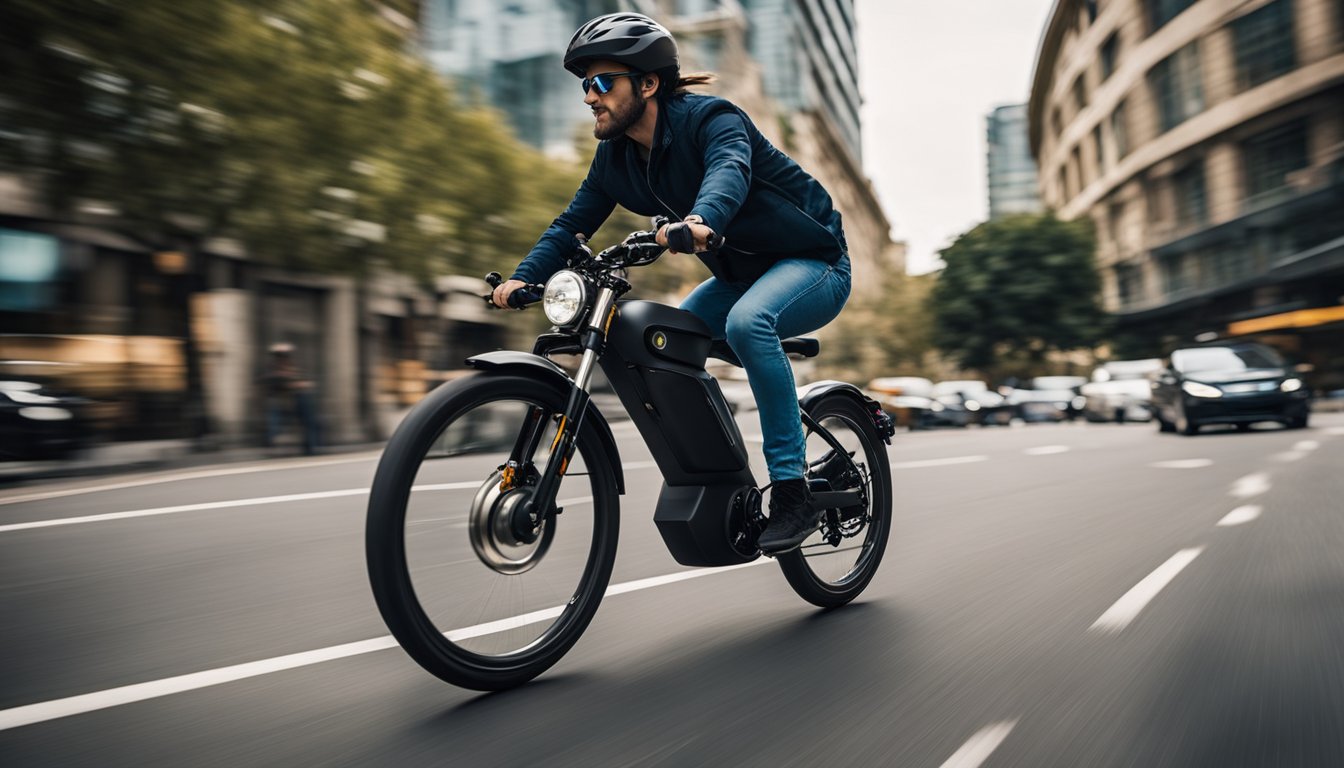
Image Source: www.isinwheel.com
Deciphering the Speed of a 2000w Electric Bike
When discussing the speed of a 2000w electric bicycle, it’s important to realize that it’s not a simple, single answer. Several elements combine to dictate the final velocity. Think of it like a car: a powerful engine is crucial, but so are the tires, the weight it carries, and even the terrain. For a 2000 watt electric bike speed, we need to consider its power output, but also how that power is delivered and utilized.
The Heart of the Matter: The 2000w Motor
The 2000w designation refers to the motor’s continuous power output. This is the amount of power the motor can sustain over a period without overheating. A higher wattage generally translates to more torque and, consequently, higher potential speeds. A 2000 watt motor ebike speed is fundamentally linked to this continuous power rating. However, peak power output can be higher, providing a burst of speed for acceleration.
- Continuous Power: The steady power the motor can produce.
- Peak Power: The maximum power the motor can produce for a short duration, often seen during acceleration.
A 2000w motor offers a significant advantage over lower-powered e-bikes, which typically range from 250w to 750w. This increased power allows the bike to overcome resistance more effectively, maintain higher speeds, and provide a more exhilarating riding experience.
Factors Influencing 2000w Ebike Top Speed
So, how fast is a 2000w ebike in real-world conditions? The answer is a spectrum. Here are the key factors that play a role:
1. Battery Voltage and Amperage
While the motor’s wattage is critical, the battery system powering it is equally important.
* Voltage (V): Higher voltage generally allows for higher motor RPM (revolutions per minute), contributing to higher top speeds. A 48V, 52V, or even 72V battery system is common for 2000w e-bikes.
* Amperage (A) / Amp-hours (Ah): Amperage refers to the current the battery can deliver. A higher amperage rating allows the motor to draw more power, enhancing both acceleration and top speed. Amp-hours (Ah) relate to the battery’s capacity, determining how long it can sustain this power.
The relationship between voltage and amperage is crucial for understanding electric bike 2000w speed capabilities. A battery with sufficient voltage and amperage can properly feed the 2000w motor, allowing it to perform at its best.
2. Gearing and Drivetrain
The way power is transmitted from the motor to the wheels significantly impacts speed.
* Gearing Ratio: An appropriate gearing ratio helps the motor operate within its optimal power band. For higher speeds, a gearing setup that favors higher RPM at the wheel is generally preferred.
* Type of Drive: Hub motors (front or rear) are common in high-powered e-bikes. Mid-drive motors, which integrate into the bike’s crankset, can offer better torque for climbing hills but might have different top-speed characteristics depending on their design and gearing.
3. Wheel Size and Tire Choice
The diameter of the wheels and the type of tires fitted can subtly affect speed.
* Wheel Diameter: Larger wheels generally cover more ground per rotation, which can contribute to higher speeds.
* Tire Tread and Pressure: Tires with a smoother tread and proper inflation offer less rolling resistance, allowing the bike to maintain speed more efficiently. Aggressive knobby tires, better suited for off-road traction, will typically result in slower speeds on paved surfaces due to increased resistance.
4. Rider Weight and Aerodynamics
A lighter rider will naturally achieve higher speeds than a heavier rider, assuming all other factors are equal. Aerodynamics also plays a role, especially at higher velocities.
* Rider Position: A more tucked, aerodynamic riding posture can reduce drag and allow the bike to reach and maintain higher speeds.
* Clothing: Loose-fitting clothing can act like a parachute at speed, creating significant drag.
5. Terrain and Wind Conditions
The environment in which the e-bike is ridden is a major determinant of actual speed.
* Terrain: Riding on a flat, smooth surface will yield much higher speeds than climbing a steep hill.
* Wind: A headwind will slow you down, while a tailwind can boost your speed.
6. Controller Settings and Software
Modern e-bikes feature sophisticated controllers that manage power delivery. These controllers can be programmed to limit speed, manage acceleration, and optimize battery usage. Some e-bikes may have factory-set speed limits, often related to legal regulations in certain regions.
Exploring 2000w Ebike Performance: Acceleration and Top Speed
The 2000 watt ebike acceleration is often as impressive as its top speed. The substantial power of a 2000w motor means that these bikes can get up to speed very quickly. You’ll feel a strong push as soon as you engage the throttle or start pedaling.
Acceleration Characteristics
A fast 2000w electric bike will provide a noticeable surge when you accelerate. This is due to the high torque produced by the motor. Compared to lower-powered e-bikes, the acceleration is much more immediate and potent. This makes them excellent for:
- Quickly reaching cruising speed: You won’t be left behind at traffic lights.
- Overtaking: The ability to accelerate rapidly makes overtaking other vehicles or cyclists much safer and easier.
- Conquering hills: The torque helps maintain speed even on inclines, which is a significant benefit.
The 2000 watt electric bike speed is not just about the final number; it’s also about how quickly you get there.
Real-World Speed Estimates
Based on these factors, a 2000w electric bike can typically achieve:
- Top Speed: Anywhere from 30 mph to 45 mph (48 km/h to 72 km/h). Some highly optimized or custom builds might even exceed this.
- Average Cruising Speed: Riders often comfortably cruise between 20-30 mph (32-48 km/h) on flat terrain.
It’s crucial to remember that reaching the absolute maximum speed often requires ideal conditions and rider input.
Legal Considerations for 2000w E-bikes
The classification and legality of electric bikes vary significantly by region. In many places, the wattage and top speed of an e-bike determine whether it’s classified as a bicycle, a moped, or a motorcycle.
- Class 1 E-bike: Pedal-assist only, 20 mph (32 km/h) speed limit.
- Class 2 E-bike: Throttle-assisted, 20 mph (32 km/h) speed limit.
- Class 3 E-bike: Pedal-assist only, 28 mph (45 km/h) speed limit.
A 2000w e-bike often exceeds the speed and power limits for these classifications. Therefore, riding such a bike may require:
- Registration: Similar to a motorcycle.
- License: A valid driver’s license.
- Insurance: To cover liability.
- Helmet: Often mandatory, and specific types might be required.
- Restrictions on where you can ride: These bikes may not be permitted on bike paths or trails designated for lower-speed e-bikes or traditional bicycles.
It is essential to research and adhere to the local laws and regulations in your area before purchasing or operating a high-powered e-bike. The 2000 watt motor ebike speed capabilities might push it into categories with stricter rules.
Components That Support High Performance
To handle the power and speed of a 2000w motor, other components of the e-bike must be robust and capable.
Braking System
When you can go fast, you need to be able to stop effectively.
* Hydraulic Disc Brakes: These are essential for 2000w e-bikes. They offer superior stopping power and modulation compared to mechanical disc brakes or rim brakes.
* Rotor Size: Larger rotor sizes (e.g., 180mm or 203mm) provide more leverage and better heat dissipation, critical for preventing brake fade during prolonged braking.
Suspension
To maintain control and comfort at higher speeds, especially over uneven surfaces, good suspension is key.
* Front Suspension: A robust front fork, often a downhill or enduro-style fork, can absorb impacts and improve handling.
* Rear Suspension: Full-suspension models offer the best comfort and control but add weight and complexity.
Frame Strength and Durability
The bike frame needs to be strong enough to withstand the forces generated by a powerful motor and higher speeds.
* Materials: Aluminum alloys and steel are common. Higher-end bikes might use more advanced materials.
* Frame Design: Frames designed for rugged use or downhill riding are often better suited for powerful e-bike motors.
Tires
Beyond rolling resistance, tire grip is vital for stability at speed.
* Tire Width and Tread: Wider tires provide a larger contact patch for better grip. A semi-slick or moderately aggressive tread pattern offers a good balance of speed and traction on various surfaces.
Frequently Asked Questions About 2000w Electric Bikes
Q1: Is a 2000w electric bike street legal everywhere?
A: No, it is not. The legality depends heavily on your local laws, which often regulate e-bike power output and top speed. Many 2000w e-bikes exceed the limits for standard bicycle classifications and may require registration, licensing, and insurance, similar to a moped or motorcycle. Always check your local regulations.
Q2: Can I ride a 2000w e-bike on bike paths?
A: Typically, no. Bike paths are usually reserved for lower-speed electric bikes (Class 1, 2, and 3) and traditional bicycles. Due to their higher speeds, 2000w e-bikes are often restricted to roads or areas where motor vehicles are permitted.
Q3: How does a 2000w ebike acceleration feel?
A: The acceleration of a 2000w e-bike is typically very strong and quick. You’ll experience a significant push as the motor delivers its power, allowing you to reach your desired speed rapidly. It feels much more potent than lower-powered electric bikes.
Q4: What is the average range of a 2000w electric bike?
A: The range varies greatly depending on battery capacity (measured in Watt-hours, Wh), rider weight, terrain, speed, and assist level. A 2000w e-bike with a large battery (e.g., 1000Wh or more) could potentially travel anywhere from 20 to 60 miles (32 to 97 km) or more on a single charge. However, riding at top speed will significantly reduce the range.
Q5: Are 2000w electric bikes safe?
A: Safety depends on several factors, including the quality of the bike’s components (especially brakes), the rider’s skill and adherence to traffic laws, and riding conditions. Because they can reach higher speeds, it’s crucial to have reliable brakes, good control, wear appropriate safety gear (like a helmet), and ride responsibly.
Conclusion: Power and Performance Defined
So, how fast does a 2000w electric bike go? It’s a question with a dynamic answer, influenced by a symphony of components and conditions. While a 2000w motor provides the raw power, the battery system, gearing, rider, and environment all contribute to the final speed. The 2000w ebike top speed can reach exhilarating levels, often between 30-45 mph, and the 2000 watt ebike acceleration is equally impressive.
These high-powered machines offer a thrilling experience, transforming commutes and recreational rides. However, with great power comes great responsibility. Understanding the legal implications, ensuring the bike is properly equipped to handle the speeds, and riding with caution are paramount. The electric bicycle 2000w speed capabilities are undeniable, making them a potent option for those seeking an elevated electric cycling experience, provided they are used and regulated appropriately. The 2000 watt electric bike speed is a testament to the advancements in electric mobility, offering a powerful and often faster way to travel.