
A dirt bike’s top speed can range anywhere from 50 mph to over 100 mph, with the actual speed depending on factors like engine size, bike type, terrain, and even rider skill. So, how fast does a dirt bike go? Let’s dive deep into the exciting world of off-road speed!
The allure of a dirt bike isn’t just about conquering challenging terrain; it’s also about the raw power and thrilling acceleration they offer. Whether you’re looking at a nimble 250cc dirt bike or a beastly 450cc machine, understanding their capabilities, especially their dirt bike top speed, is crucial for riders of all levels. This guide will explore the factors influencing motorcycle acceleration, the performance of different engine sizes, and what makes certain models the fastest dirt bike models on the market.
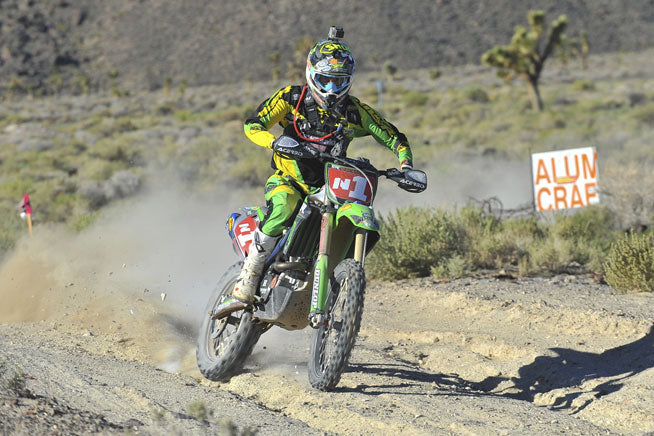
Image Source: riskracing.com
Factors Shaping Dirt Bike Speed
Several key elements combine to determine how fast a dirt bike can travel. It’s not simply a case of “bigger engine equals faster.”
Engine Size (CCs) – The Heart of the Matter
The displacement of a dirt bike’s engine, measured in cubic centimeters (cc), is a primary indicator of its potential power and, consequently, its speed.
- 125cc Dirt Bikes: These are typically entry-level or youth bikes. They are lightweight and nimble, perfect for learning. Their 250cc dirt bike speed is significantly lower. Top speeds might hover around 40-60 mph.
- 250cc Dirt Bikes: This is a very popular class, offering a good balance of power and manageable weight. They are agile and capable of impressive acceleration. A 250cc dirt bike speed can reach speeds of 60-85 mph, sometimes more in ideal conditions. These bikes are excellent for motocross, trail riding, and even some forms of racing. Their motocross bike performance is a strong selling point.
- 450cc Dirt Bikes: These are the workhorses for serious motocross and enduro riders. They pack a significant punch. A 450cc dirt bike speed can easily exceed 70-95 mph, with some high-performance models pushing even higher. The increased dirt bike engine power allows for faster acceleration and higher top-end speeds.
- Over 500cc and Specialty Bikes: Some larger displacement bikes, often used for desert racing or specific off-road disciplines, can achieve even higher speeds, sometimes breaking the 100 mph mark.
Bike Type: Motocross vs. Enduro vs. Trail
The intended purpose of a dirt bike plays a huge role in its design and, therefore, its speed.
- Motocross Bikes: These are built for pure speed and performance on closed courses. They have stiff suspension, aggressive tires, and engines tuned for maximum power output. Their focus is on rapid acceleration out of corners and maintaining high speeds on jumps and straights. This is where you’ll find some of the highest dirt bike top speed figures within their respective engine classes. Their racing dirt bike capabilities are optimized for this.
- Enduro Bikes: Designed for long-distance, off-road riding, enduro bikes prioritize durability, fuel range, and tractability. While still powerful, their engines are often tuned for broader powerbands and smoother delivery, which can sometimes mean slightly lower top speeds compared to a motocross bike of the same engine size. They are built to handle varied off-road motorcycle speed requirements.
- Trail Bikes: These are generally more relaxed and user-friendly. They often have lower gearing, softer suspension, and engines tuned for low-end torque rather than outright top speed. Their top speeds are typically lower than motocross or enduro bikes, prioritizing control and comfort on less demanding trails.
Gearing: Fine-Tuning the Speedometer
Dirt bike gear ratios are a critical component in determining a bike’s acceleration and top speed. The gearbox allows the rider to multiply the engine’s torque at lower speeds and achieve higher speeds at higher RPMs.
- Shorter Gearing (Lower Gear Ratios): This means the rear wheel turns fewer times for each revolution of the engine’s output shaft. This results in quicker acceleration and better low-end power, making the bike easier to handle in technical terrain. However, it limits the ultimate top speed.
- Taller Gearing (Higher Gear Ratios): This means the rear wheel turns more times for each revolution of the engine’s output shaft. This sacrifices some initial acceleration but allows the engine to reach higher speeds before hitting its rev limiter. Tall gearing is often used for faster tracks or specific off-road events where sustained high speeds are necessary.
Manufacturers often select a balance of dirt bike gear ratios that suit the intended use of the bike. However, riders can often change sprockets (front and rear) to alter the gearing to their preference.
Tires and Terrain
The type of tires fitted and the surface being ridden on significantly impact a dirt bike’s actual speed.
- Tires: Knobby tires, essential for off-road traction, inherently create more rolling resistance than slick road tires. Different knob patterns and tire compounds will affect grip and rolling resistance.
- Terrain: Riding on a smooth, hard-packed dirt track will allow for much higher speeds than tackling loose sand, mud, or rocky trails. The ability of the tires to grip and put power to the ground is paramount. A bike that can achieve 90 mph on a smooth track might struggle to reach 60 mph in deep sand.
Aerodynamics and Rider Position
While less significant than engine power or gearing at lower speeds, aerodynamics do play a role, especially at higher velocities.
- Bike Design: Motocross bikes are generally designed with aerodynamics in mind, with sleek bodywork that minimizes drag.
- Rider Position: A rider’s position on the bike can create significant drag. Crouching low over the tank can reduce wind resistance, allowing the bike to reach a higher top speed. Standing up or riding in a less aerodynamic position will naturally reduce top speed.
Performance Breakdown: 250cc vs. 450cc
Let’s look closer at the two most popular engine sizes for adult riders.
The 250cc Powerhouse
The 250cc dirt bike speed is a sweet spot for many riders. These bikes are:
- Lightweight and Agile: Easier to maneuver, jump, and pick up after a fall.
- Snappy Acceleration: They offer exciting motorcycle acceleration that can be exhilarating without being overwhelming for less experienced riders.
- Versatile: Capable of handling motocross tracks, tight single-track trails, and general off-road riding.
- Manageable Power: Their power delivery is often described as “flickable,” meaning it’s easy to get the power exactly where you want it.
Table 1: Typical 250cc Dirt Bike Performance
| Metric | Typical Range | Notes |
|---|---|---|
| Top Speed (mph) | 60-85 mph | Varies by model, gearing, and terrain |
| Horsepower | 35-50 hp | Depends heavily on tuning and model |
| Weight (Dry) | 220-240 lbs | Lighter bikes feel faster and are nimbler |
| Acceleration | Quick, lively | Exciting for intermediate riders |
The 450cc Dominator
The 450cc dirt bike speed is in a different league, offering more grunt and higher potential speeds. These bikes are:
- Torquey and Powerful: They have significantly more low-end and mid-range power.
- Higher Top Speeds: Their increased dirt bike engine power translates directly to higher potential velocities.
- Demanding: Require more physical strength and skill to control, especially in challenging conditions.
- Best for Experienced Riders: Their potent power delivery is best suited for seasoned riders who can manage the demands.
Table 2: Typical 450cc Dirt Bike Performance
| Metric | Typical Range | Notes |
|---|---|---|
| Top Speed (mph) | 70-95 mph+ | Can reach over 100 mph in specific setups |
| Horsepower | 50-60+ hp | Often higher, especially in racing trims |
| Weight (Dry) | 230-250 lbs | Slightly heavier but more potent |
| Acceleration | Explosive, potent | Requires skill to harness fully |
What About the Fastest Dirt Bike Models?
When we talk about the fastest dirt bike models, we’re usually referring to highly tuned motocross or specialized off-road racing bikes. These machines are often built with cutting-edge technology and are designed for maximum performance.
- Factory Race Bikes: Bikes used by professional motocross and supercross racers are often significantly modified from their stock counterparts. They feature engine tuning, advanced suspension, lighter components, and optimized dirt bike gear ratios for specific tracks. While manufacturers don’t typically publish the exact top speeds of these highly specialized machines, they are undoubtedly among the fastest.
- Purpose-Built Racers: Some manufacturers produce “factory edition” or “special edition” models that offer performance upgrades over standard bikes. These often come with premium components and are closer to what a professional racer might use.
- Modification is Key: For many riders aiming for maximum speed, modifying a stock bike is part of the experience. This can involve exhaust systems, engine remapping, performance air filters, and of course, adjusting the dirt bike gear ratios.
How Dirt Bike Engine Power Translates to Speed
Dirt bike engine power, measured in horsepower (hp), is a direct contributor to a bike’s speed. More horsepower generally means a higher top speed, assuming other factors like gearing and aerodynamics are also optimized. However, it’s not the only factor.
- Torque: The twisting force produced by the engine. Higher torque allows the bike to accelerate more quickly, especially at lower RPMs.
- Powerband: The range of RPMs where the engine produces its most effective power. A broad powerband is often more desirable for off-road riding, offering usable power across a wider range.
- Efficiency: How effectively the engine converts fuel into power.
The motocross bike performance equation is complex. A bike with slightly less peak horsepower but better low-end torque and a wider powerband might feel faster and be more effective on a technical track than a bike with a higher peak horsepower but a narrow, peaky powerband.
Comprehending Motorcycle Acceleration
Motorcycle acceleration is not just about reaching a high top speed; it’s about how quickly a bike can get there. This is what makes dirt biking so thrilling.
- Power-to-Weight Ratio: This is a crucial metric. A lighter bike with a powerful engine will accelerate faster than a heavier bike with the same engine, or a lighter bike with a less powerful engine.
- Gearing: As discussed, the dirt bike gear ratios have a massive impact on acceleration. Shorter gearing will provide faster initial acceleration, while taller gearing will allow the engine to rev higher before shifting, leading to higher speeds in each gear but slower initial pickup.
- Traction: The ability of the tires to grip the surface and transfer the engine’s power to forward motion. Lack of traction means wheelspin, which wastes energy and reduces effective acceleration.
- Rider Input: Proper clutch control and throttle modulation are essential for maximizing acceleration. A skilled rider can optimize their input to keep the engine in its powerband and maintain traction.
Deciphering Off-Road Motorcycle Speed Limitations
While we’ve discussed how fast dirt bikes can go, it’s important to remember the inherent limitations and differences compared to street motorcycles.
- Purpose: Dirt bikes are designed for off-road use, which prioritizes traction, suspension travel, and durability over aerodynamics and high-speed stability.
- Tires: Knobby tires are not designed for high-speed grip on pavement. Attempting to reach a dirt bike’s absolute top speed on a hard surface without appropriate tires can be dangerous.
- Suspension: Dirt bike suspension is optimized for absorbing impacts from jumps, bumps, and ruts, not for high-speed stability on smooth surfaces.
- Braking: While powerful, dirt bike braking systems are also designed with off-road conditions in mind and may not offer the same fade resistance or consistent performance as street bike brakes at very high speeds.
Factors Affecting Real-World Dirt Bike Speed
In the real world, achieving the theoretical maximum dirt bike top speed is rare. Here’s why:
- Terrain: As mentioned, the surface you’re riding on is paramount. Loose dirt, mud, sand, rocks, and hills all reduce effective speed.
- Altitude: Thinner air at higher altitudes contains less oxygen, which can reduce engine power and, consequently, top speed.
- Rider Skill and Comfort: Many riders prioritize control and safety over absolute top speed, especially in challenging conditions.
- Bike Maintenance: A well-maintained bike with clean air filters, proper jetting (for carbureted bikes), and good lubrication will perform better and be capable of higher speeds than a poorly maintained one.
Frequently Asked Questions (FAQ)
Q1: Can a 125cc dirt bike go on the highway?
A1: Generally, no. Most 125cc dirt bikes are not street-legal and lack the power, speed, and safety features (like lights and mirrors) required for highway use. Their top speeds are also insufficient for highway speeds.
Q2: What is the fastest dirt bike ever made?
A2: This is hard to pinpoint definitively as manufacturers don’t always release top speed figures for specialized racing machines. However, heavily modified 450cc or larger displacement motocross and desert racing bikes, especially those built by top racing teams, are likely the fastest, potentially exceeding 100 mph in optimized conditions.
Q3: Does changing the dirt bike gear ratios affect top speed?
A3: Yes, significantly. Taller gearing (higher numerical ratio in the final drive) will increase the potential top speed, while shorter gearing will improve acceleration at the expense of top speed.
Q4: How much horsepower does a 450cc dirt bike typically have?
A4: A stock 450cc dirt bike typically produces between 50 and 60 horsepower, though some performance-oriented models or race-tuned bikes can exceed this.
Q5: What is the top speed of a typical 250cc dirt bike?
A5: A typical 250cc dirt bike can reach speeds between 60 and 85 mph, depending on the specific model, gearing, and riding conditions.
Q6: Is dirt bike acceleration different from street bike acceleration?
A6: Yes. Dirt bike acceleration is optimized for off-road traction and responsiveness, often featuring quicker throttle response and gearing that prioritizes getting moving quickly on loose surfaces. Street bike acceleration is often more about smooth, continuous power delivery for road use.
In conclusion, while the question of “how fast does a dirt bike go” has a broad answer, the specific dirt bike top speed is a fascinating interplay of engine size, bike type, rider input, and crucial components like dirt bike gear ratios. Whether you’re looking at the nimble 250cc dirt bike speed or the potent 450cc dirt bike speed, each offers a unique and thrilling experience rooted in its motocross bike performance and off-road motorcycle speed capabilities, all powered by impressive dirt bike engine power. Understanding these factors allows riders to better appreciate the engineering and potential of these incredible machines, and perhaps even optimize their own racing dirt bike capabilities.