
A 250cc dirt bike can reach top speeds ranging from 45 mph to over 70 mph, depending on the specific model, engine type (two-stroke vs. four-stroke), terrain, rider skill, and modifications. This answer provides a general idea, but the actual speed varies greatly.
The world of dirt bikes is thrilling and varied. When you hear about a “250cc dirt bike,” it’s a common question to ask: “How fast is a 250cc dirt bike?” The answer isn’t a single number. Many things affect how quickly these machines can go. We’ll explore what makes a 250cc dirt bike tick and how fast it can really move.
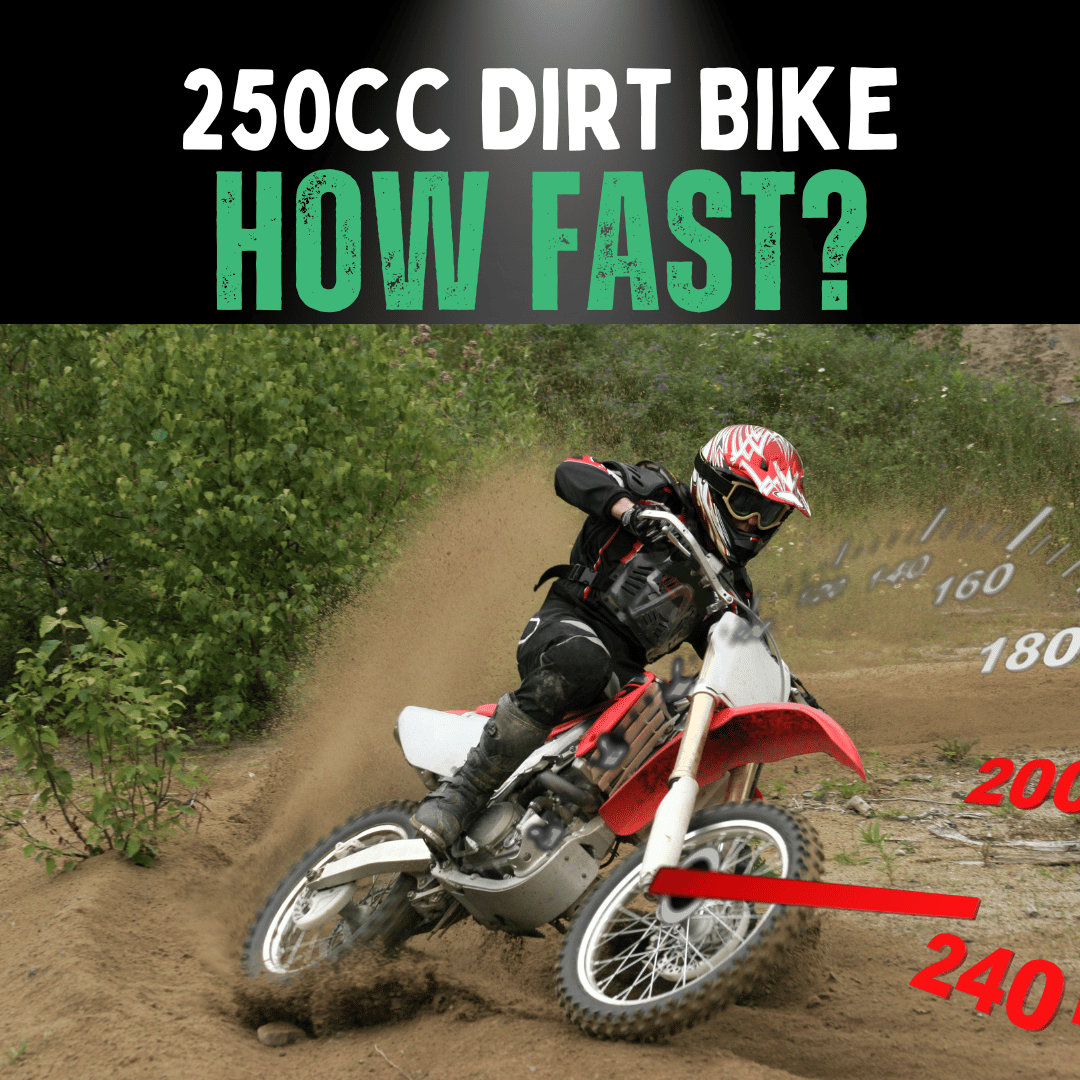
Image Source: riiroo.com
Deciphering 250cc Dirt Bike Speed
The speed of any motorcycle, including a 250cc dirt bike, is influenced by a mix of factors. Think of it like a recipe – each ingredient plays a role in the final outcome.
Engine Type: Two-Stroke vs. Four-Stroke
One of the biggest differences in 250cc dirt bikes comes down to their engines. They usually have either a two-stroke or a four-stroke engine. Each type has its own way of working and its own power delivery. This directly impacts their speed.
The Punchy Two-Stroke
250cc two-stroke dirt bike speed is often known for its quick, sharp power. These engines complete their power cycle in just two piston strokes. This means they fire more often.
- Quick Acceleration: Two-strokes tend to have a more explosive acceleration. They get up to speed very rapidly.
- Lighter Weight: Generally, two-stroke engines are lighter. Less weight means a bike can accelerate faster and feel more nimble.
- Simpler Design: Fewer moving parts can mean less to go wrong and easier maintenance for some riders.
However, two-strokes can be trickier to ride. They often have a narrow powerband, meaning they hit their peak power in a specific RPM range. Outside this range, they might feel sluggish. This makes them demanding for beginners.
The Smooth Four-Stroke
250cc four-stroke dirt bike speed is characterized by a broader, more usable powerband. These engines take four piston strokes to complete a power cycle. They produce power more smoothly.
- Consistent Power: Four-strokes deliver power more evenly across the RPM range. This makes them easier to ride, especially for less experienced riders.
- Better Fuel Economy: They are typically more fuel-efficient than two-strokes.
- Lower Emissions: Four-strokes generally produce fewer emissions.
While four-strokes offer smooth power, they can be heavier and more complex than two-strokes. Their acceleration might not be as explosive as a well-ridden two-stroke, but it’s often more consistent and easier to manage.
Factors Influencing Top Speed
Beyond the engine type, many other things determine how fast a 250cc dirt bike can go.
Rider Skill and Weight
The person riding the bike makes a big difference. A skilled rider can get more out of a bike. They know how to use the powerband effectively, shift gears at the right time, and handle the bike on different surfaces. A heavier rider might experience slightly lower top speeds due to the extra weight the engine has to push.
Terrain and Conditions
Where the bike is ridden is crucial.
- Smooth Surfaces: On a smooth, flat dirt track or a paved road (though not recommended for typical dirt bikes), a 250cc dirt bike can reach its maximum potential speed.
- Off-Road: Riding in sand, mud, or rocky terrain will slow a bike down significantly. The wheels will spin, and the engine will work harder. Uphill sections will also reduce speed.
- Track Layout: A motocross track with jumps, berms, and tight corners is designed for acceleration and maneuverability, not just straight-line speed.
Gearing and Sprockets
The gearing of a dirt bike is a key factor in its speed. Dirt bikes are designed for off-road performance, meaning they often have shorter gearing. This prioritizes acceleration and lower speed control over high top-end speed.
- Shorter Gearing (Smaller Rear Sprocket/Larger Front Sprocket): This leads to quicker acceleration and better pulling power but limits top speed.
- Taller Gearing (Larger Rear Sprocket/Smaller Front Sprocket): This allows for higher top speeds but sacrifices acceleration.
Manufacturers set up stock gearing for a balance of performance. Many riders change their sprockets to suit their riding style or the type of riding they do.
Modifications
Owners often modify their dirt bikes to improve performance. This can include:
- Exhaust Systems: Aftermarket exhausts can improve exhaust flow, leading to more power and potentially higher speeds.
- Engine Tuning: Re-mapping the fuel injection (on newer bikes) or modifying the carburetor can optimize engine performance.
- Air Filters: High-flow air filters can allow the engine to breathe better.
- Internal Engine Work: More extensive modifications like porting, different camshafts, or higher compression pistons can significantly boost power and speed.
Tire Choice and Condition
The tires on a dirt bike are specialized for off-road use. Their knobby tread is great for grip but can create more rolling resistance than smooth tires on pavement. Worn-out tires can also affect performance.
250cc Motocross Bike Top Speed
When we talk about 250cc motocross bike top speed, we’re generally looking at bikes designed for racing on closed tracks. These bikes prioritize agility, suspension, and a strong power-to-weight ratio.
- Typical Top Speed: A stock 250cc motocross bike, on a suitable surface, can typically reach speeds in the 60-70 mph range. Some might even touch 75 mph in ideal conditions with a skilled rider.
- Focus on Power Delivery: Motocross bikes are geared for explosive acceleration out of corners and over jumps. Their top speed on a straightaway is important, but it’s not the only measure of their performance. The ability to get up to speed quickly and maintain momentum is key.
250cc Dirt Bike Performance
250cc dirt bike performance is a broad term. It encompasses acceleration, handling, suspension, and how the bike behaves in different off-road scenarios. A 250cc engine size offers a sweet spot for many riders. It’s powerful enough to be exciting and capable for experienced riders but manageable enough for those moving up from smaller bikes.
- Acceleration: As mentioned, both two-stroke and four-stroke 250cc bikes offer strong acceleration. Two-strokes are often more immediate and “snappy,” while four-strokes are smoother and more progressive.
- Handling: Dirt bikes are built for rough terrain. Their suspension systems are designed to absorb impacts and keep the wheels in contact with the ground. The lighter weight of 250cc bikes makes them very agile and easy to maneuver.
- Versatility: Depending on the specific model (motocross, enduro, trail), a 250cc dirt bike can be incredibly versatile, handling tight trails, open fields, or even the occasional street ride (though always check local laws).
250cc Two-Stroke Dirt Bike Speed Specifics
Let’s dive a little deeper into the speed of a 250cc two-stroke dirt bike speed. These bikes are known for their exciting, high-revving nature.
- Acceleration Dominance: The defining characteristic of a 250cc two-stroke is its rapid acceleration. When the engine hits its powerband, it unleashes a surge of power that can be thrilling.
- Top Speed Potential: In terms of pure top speed on a flat, open surface, a well-maintained 250cc two-stroke can also reach speeds in the 60-70 mph range, similar to its four-stroke counterparts. However, the way it gets there is different. The power delivery can feel more aggressive.
- Riding Style: To achieve maximum speed and performance, a rider must be adept at keeping the 250cc two-stroke “on the pipe” (in its powerband). This requires constant gear changes and precise throttle control.
250cc Four-Stroke Dirt Bike Speed Specifics
Now, let’s look at 250cc four-stroke dirt bike speed. These bikes have become incredibly popular due to their user-friendliness and broad power.
- Smooth Powerband: The advantage of a 250cc four-stroke is its wide and smooth powerband. This means the engine pulls strongly from lower RPMs up to its redline, making it more forgiving and easier to manage.
- Consistent Speed: While they might not have the same “hit” as a two-stroke, four-strokes can often maintain a more consistent speed in varied conditions due to their broader power delivery.
- Top Speed: A stock 250cc four-stroke motocross bike will typically also have a top speed in the 60-70 mph range. Some riders might push them slightly higher with modifications or different gearing.
Dirt Bike Engine Size and Speed
The statement “dirt bike engine size speed” is a general observation. Larger engines generally produce more power and can achieve higher speeds than smaller engines, assuming all other factors are equal. A 250cc engine is a mid-range size in the dirt bike world.
- Comparison: Compared to a 125cc dirt bike, a 250cc will be significantly faster and have more torque. Compared to a 450cc dirt bike, a 250cc will generally be lighter and have quicker-revving characteristics, but the 450cc will typically have a higher top speed and more raw power.
- Sweet Spot: The 250cc class is often considered a great balance. It offers enough power for experienced riders to have fun and compete, but it’s not so overwhelming that it becomes unmanageable for intermediate riders.
250cc Off-Road Bike Speed
When we talk about 250cc off-road bike speed, we’re usually referring to bikes designed for trails, enduro riding, or dual-sport use. These bikes are often geared differently than motocross bikes.
- Trail Bikes: These are typically geared for lower speeds and more torque to climb hills and navigate technical terrain. Their top speed might be slightly lower than a motocross bike, perhaps in the 50-65 mph range, but they excel at lower-speed control and traction.
- Enduro Bikes: Enduro bikes are a step up, often closer to motocross bikes in engine performance but with features like lights, larger fuel tanks, and wider-ratio gearboxes for versatility. Their top speeds can also be in the 60-70 mph range, but they are built to handle a wider variety of terrain at speed.
- Dual-Sport Bikes: These are street-legal dirt bikes. They will have taller gearing for highway speeds and can often reach speeds of 70 mph or more, but they might sacrifice some of the raw acceleration and agility of dedicated off-road bikes.
250cc Motorcycle Speed
While the term “dirt bike” implies off-road use, sometimes people are curious about 250cc motorcycle speed in a broader sense. It’s important to remember that dirt bikes are not designed for sustained high speeds on paved roads. Their suspension, tires, and engine characteristics are optimized for off-road conditions. However, the engine displacement itself provides a baseline for potential speed. A 250cc engine in a street bike, for example, can often achieve higher top speeds than a 250cc dirt bike due to aerodynamics, gearing, and tire differences. But when focused on dirt bikes, the 60-70 mph range for top speed is a good benchmark.
Riding a 250cc Dirt Bike: What to Expect
The excitement of a 250cc dirt bike isn’t just about its top speed. It’s about how it feels to ride.
Acceleration and Power Delivery
250cc dirt bike acceleration is a highlight for many riders.
- Two-Stroke: Expect a surge of power once the engine gets into its powerband. It’s exhilarating and requires good throttle control.
- Four-Stroke: Enjoy a broader, more manageable pull. It’s easier to get on the gas and accelerate smoothly.
Handling and Agility
One of the biggest advantages of a 250cc dirt bike is its agility.
- Lightweight Design: These bikes are relatively light, making them easy to steer, maneuver through tight trails, and pick up if you drop them.
- Suspension: The sophisticated suspension systems allow them to absorb bumps, rocks, and jumps, providing a controlled and comfortable ride over rough terrain.
- Cornering: Their light weight and responsive handling mean they carve through corners with ease, whether on a motocross track or a winding trail.
Capabilities in Different Riding Styles
The 250cc dirt bike capabilities shine through in various riding disciplines.
- Motocross: They are highly competitive in 250cc class motocross racing, where quick acceleration, agility, and a good power-to-weight ratio are essential.
- Trail Riding: Their manageable power and lightweight nature make them excellent for navigating tight, technical trails.
- Enduro Racing: Many enduro riders opt for 250cc bikes due to their balance of power and maneuverability, which is crucial for long, demanding courses.
- Beginner-Friendly (with caveats): While not as docile as smaller bikes, many 250cc four-strokes are suitable for intermediate riders or motivated beginners transitioning from smaller displacement machines. 250cc two-strokes are generally recommended for riders with more experience.
Comparing 250cc Two-Stroke and Four-Stroke Top Speeds
Let’s look at how the top speeds might compare between the two engine types when all other factors are kept as similar as possible.
| Feature | 250cc Two-Stroke Dirt Bike | 250cc Four-Stroke Dirt Bike |
|---|---|---|
| Top Speed Range | 60-70+ mph | 60-70+ mph |
| Acceleration | Explosive, peaky powerband, rapid | Smoother, broader powerband, progressive |
| Power Delivery | Aggressive, requires active rider input to stay in powerband | Predictable, easier to manage across RPM range |
| Engine Weight | Lighter | Heavier |
| Maintenance | Simpler in some aspects (e.g., no valve adjustments) | More complex (e.g., valve adjustments, oil changes) |
| Usability | More demanding, best for experienced riders | More forgiving, suitable for intermediate riders |
As you can see, the 250cc motocross bike top speed for both engine types can be quite similar. The real difference lies in how they deliver that speed and the overall riding experience.
Fathoming Dirt Bike Engine Size and Speed
It’s useful to have a general idea of how different engine sizes affect speed, keeping in mind that many other factors are at play.
- 50cc – 85cc: Primarily for kids and smaller riders. Top speeds are generally low, in the 20-40 mph range, depending on the specific bike and rider.
- 125cc: A popular entry-level bike for adults and teens. Top speeds often range from 45-55 mph.
- 250cc: The sweet spot for many. Top speeds generally 60-70 mph.
- 450cc: More powerful bikes for experienced riders. Top speeds can easily reach 70-80+ mph.
This is a simplification, but it shows the trend: larger engines generally mean higher potential top speeds.
What Affects a 250cc Dirt Bike’s Capabilities?
The 250cc dirt bike capabilities extend beyond just its top speed. It’s a package of performance.
Gearing Choices
As discussed, gearing significantly impacts a bike’s performance.
- Motocross gearing: Prioritizes acceleration and strong pulling power out of corners.
- Enduro/Trail gearing: Often lower gearing for better hill-climbing and technical terrain control, which might slightly limit top speed but enhances overall capability in specific situations.
Suspension Setup
The suspension is crucial for how a dirt bike handles.
- Stiffness: A stiffer suspension is better for higher speeds and jumping, providing stability.
- Softness: A softer suspension is better for absorbing smaller bumps and maintaining traction on rough terrain at lower speeds.
- Adjustability: Most modern dirt bikes have adjustable suspension, allowing riders to tune it to their weight, riding style, and the terrain.
Chassis and Weight Distribution
The frame, chassis design, and how the weight is distributed all affect a bike’s handling and how it feels at speed. A well-balanced chassis makes a bike feel stable and predictable, even when pushed hard.
Maximizing Your 250cc Dirt Bike’s Speed
If you’re looking to get the most out of your 250cc dirt bike, consider these points:
- Proper Maintenance: Ensure your bike is in top condition. Clean air filter, fresh oil, properly tensioned chain, and well-maintained engine components are vital for optimal performance.
- Rider Technique: Practice your throttle control, clutch work, and body positioning. Smoothness and precision will help you carry more speed.
- Gear Selection: Learn to shift gears at the optimal RPMs for acceleration and to maintain momentum.
- Suspension Tuning: Adjust your suspension to suit your weight and the terrain you’ll be riding on.
- Consider Gearing Changes: If you’re consistently finding yourself wanting more top end, consider a slightly taller gearing setup. If you need more grunt, go for shorter gearing.
- Weight Reduction: Remove any unnecessary accessories that add weight.
- Aftermarket Upgrades: As mentioned, exhaust systems, engine tuning, and air filters can offer modest performance gains.
Frequently Asked Questions (FAQ)
Can a 250cc dirt bike be ridden on the street?
Generally, no. Most 250cc dirt bikes are designed for off-road use only and are not street legal. They lack features like headlights, taillights, turn signals, mirrors, and street-legal tires required by law in most places. There are “dual-sport” motorcycles that are street-legal dirt bikes, and many of these come in 250cc displacements, but they are a different category.
Is a 250cc dirt bike too much for a beginner?
A 250cc four-stroke dirt bike is often considered a good option for intermediate riders or motivated beginners who have some experience. A 250cc two-stroke is generally more challenging for beginners due to its aggressive power delivery. Smaller bikes like 125cc or 250cc trail bikes are usually recommended for absolute beginners.
How often should I service my 250cc dirt bike?
Service intervals depend heavily on how you ride and the type of bike. However, general guidelines include:
- Oil Changes: Every 10-20 hours of riding for four-strokes, or after every few rides for two-strokes if mixing oil and gas.
- Air Filter Cleaning: After every ride or every few rides, depending on conditions.
- Chain Maintenance: Clean and lubricate the chain after every ride or every other ride.
- Top-End Rebuild (Two-Stroke): May be needed every 40-100 hours depending on riding style and maintenance.
- Valve Adjustments (Four-Stroke): Typically recommended every 20-50 hours.
Always consult your owner’s manual for specific recommended service intervals.
What is the difference between a 250cc motocross bike and a 250cc trail bike?
- Motocross Bikes: Designed for racing on closed dirt tracks. They have stiffer suspension, aggressive tires, are geared for quick acceleration, and often have lightweight components. They are not typically street legal and are focused on performance and handling on a track.
- Trail Bikes: Designed for riding on trails and varied off-road terrain. They usually have softer suspension, more versatile tires, wider-ratio gearboxes for better low-speed control, and often come with features like lights and a skid plate. They are built for durability and rider comfort over long distances.
How does rider weight affect the speed of a 250cc dirt bike?
A heavier rider will generally experience slightly lower top speeds and slower acceleration compared to a lighter rider on the same 250cc dirt bike. The engine has to work harder to move more mass. However, the impact is usually more noticeable in handling and suspension performance than in outright top speed, especially with modern, powerful 250cc engines.
In conclusion, a 250cc dirt bike is a versatile and exciting machine. While its top speed is generally in the 60-70 mph range, the true joy of riding one comes from its acceleration, agility, and the incredible capabilities it offers across a wide spectrum of off-road adventures. Whether you choose a snappy two-stroke or a smooth four-stroke, a 250cc dirt bike promises a thrilling experience.