
What is the top speed of an 80cc dirt bike? Generally, an 80cc dirt bike can reach top speeds ranging from 25 mph to 45 mph, though this can vary significantly based on rider weight, terrain, and the specific model.
If you’re curious about the speed capabilities of an 80cc dirt bike, you’ve come to the right place. These smaller-displacement machines are often the gateway into the thrilling world of off-roading, perfect for younger riders or those looking for a nimble and fun ride. But how fast can these little machines actually go? Let’s dive into the details of 80cc dirt bike speed capabilities.
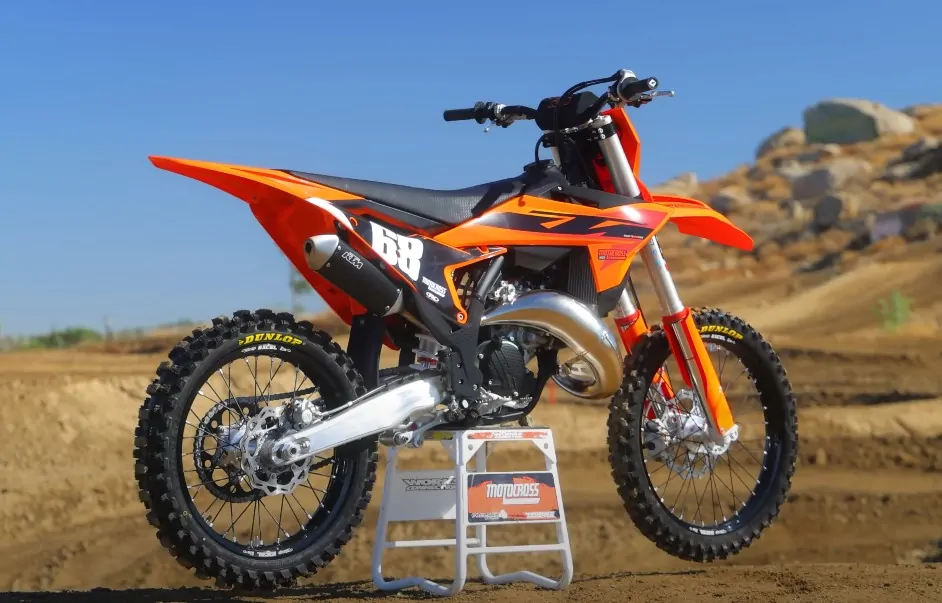
Image Source: efeducationtibcosvb.com
Decoding 80cc Dirt Bike Engine Performance
The heart of any dirt bike is its engine, and for an 80cc model, this means a small but often potent two-stroke or four-stroke engine. The 80cc dirt bike engine performance is geared towards providing punchy acceleration and manageable power, rather than outright top speed.
Two-Stroke vs. Four-Stroke: What’s the Difference?
- Two-Stroke Engines: These are known for their lighter weight and higher power output for their displacement. They achieve power on every crankshaft revolution, leading to a snappy, responsive feel. This often translates to quicker 80cc dirt bike acceleration, making them popular for younger riders learning to control power.
- Four-Stroke Engines: These engines are generally more fuel-efficient, produce cleaner emissions, and have a broader, more predictable powerband. While they might not have the same immediate snap as a two-stroke, they offer smooth, usable power across a wider range of RPMs.
The choice between two-stroke and four-stroke will influence how an 80cc dirt bike feels and performs, including its acceleration and how it handles different speeds.
Factors Influencing 80cc Dirt Bike Top Speed
Many elements contribute to how fast an 80cc dirt bike can go. It’s not just about the engine size; other factors play a crucial role in determining the 80cc dirt bike top speed.
Rider Weight
A lighter rider will generally allow an 80cc dirt bike to reach a higher speed than a heavier rider. This is because the engine has less mass to move. For instance, a 60-pound child will see a different 80cc mini bike speed than a 120-pound teenager.
Terrain
The surface you ride on significantly impacts speed.
- Smooth, Hard-Packed Dirt: This allows for the highest speeds as there’s minimal resistance. An 80cc off road bike speed will be at its peak here.
- Loose Gravel or Sand: These surfaces offer more traction but also create more drag, slowing the bike down.
- Mud or Wet Conditions: These can dramatically reduce speed due to loss of traction and increased resistance.
- Uphill vs. Downhill: Obviously, going downhill will allow the bike to achieve a higher speed due to gravity, while going uphill will limit it.
Gearing
The gearing on a dirt bike is a critical component that directly affects both acceleration and top speed.
- Lower Gearing (Shorter Gearing): This prioritizes acceleration. The bike will get up to speed quickly but will have a lower theoretical top speed. This is common on bikes meant for tighter trails or supercross.
- Higher Gearing (Taller Gearing): This prioritizes top speed. The bike will accelerate more slowly but will be able to reach higher speeds. This might be suited for open desert riding.
Manufacturers often set a balance of gearing suitable for general use, but riders can change sprockets to fine-tune performance.
Tire Condition and Pressure
Tire tread and pressure affect how well the bike grips the ground and rolls. Worn tires offer less grip, potentially leading to wheel spin and reduced speed. Improper tire pressure can also impact rolling resistance and handling.
Bike Maintenance and Condition
A well-maintained 80cc dirt bike will perform better. Clean air filters, proper engine oil, and a well-tuned carburetor or fuel injection system all contribute to optimal 80cc dirt bike engine performance and thus, speed.
Altitude
At higher altitudes, the air is less dense. This means there’s less oxygen for the engine to combust, which can reduce power output and, consequently, top speed.
What Speeds Can You Expect? An 80cc Speed Breakdown
Let’s break down the expected speeds for various types of 80cc dirt bikes. It’s important to remember these are general estimates, and actual performance can vary.
80cc Pit Bike Speed
80cc pit bike speed typically falls on the lower end of the spectrum for 80cc bikes. Pit bikes are designed for maneuverability and fun in smaller areas, often like pits at a racetrack.
- Estimated Top Speed: 25-35 mph.
- Focus: Quick acceleration out of corners, easy handling.
80cc Mini Bike Speed
The term “mini bike” can sometimes overlap with pit bikes, but generally, 80cc mini bike speed refers to bikes that might be a step up from the smallest children’s bikes.
- Estimated Top Speed: 30-40 mph.
- Focus: Fun, recreational riding, often for younger riders graduating from smaller bikes.
80cc Trail Bike Speed
An 80cc trail bike is built for navigating various off-road conditions, including paths, forests, and light trails. These bikes balance manageable power with enough speed for covering ground.
- Estimated Top Speed: 35-45 mph.
- Focus: Versatility on varied terrain, comfortable riding for longer durations.
80cc Motocross Bike Speed
While 80cc motocross bikes (often referred to as “80s” or “Superminis” in racing classes, though Superminis can sometimes be larger, like 85cc) are aimed at youth racing, their performance is optimized for track conditions.
- Estimated Top Speed: 40-45 mph (on a motocross track).
- Focus: Quick acceleration for holeshots, sharp handling, and good suspension for jumps and bumps. The 80cc motocross bike speed is about quick bursts and agility on a closed course.
Measuring 80cc Dirt Bike Acceleration
Acceleration is how quickly a bike reaches its speed. For an 80cc dirt bike, this is often more impressive than its top speed.
How Acceleration is Felt
- “Pop”: Many 80cc two-stroke dirt bikes have a noticeable “pop” or surge of power when they hit their powerband. This makes them feel very quick off the line.
- Smooth Pull: Four-stroke models tend to offer a smoother, more linear acceleration.
What Affects Acceleration?
- Engine Power Delivery: As mentioned, two-strokes often accelerate faster initially.
- Gearing: Lower gearing drastically improves acceleration.
- Weight: Lighter bikes and riders accelerate faster.
- Traction: Good traction is essential to put power down efficiently.
The 80cc dirt bike acceleration is a key characteristic that makes these bikes exciting and approachable for new riders.
80cc Dirt Bike Max Speed: Pushing the Limits
When we talk about the 80cc dirt bike max speed, we’re referring to the highest velocity achievable under ideal conditions.
Ideal Conditions for Max Speed
- Flat, Hard-Packed Terrain: Minimizes rolling resistance.
- Favorable Wind Conditions: No headwind.
- Rider in an Aerodynamic Tuck: Minimizes air resistance.
- Lighter Rider: Less mass to propel.
- Bike in Perfect Tune: Engine running optimally, correct tire pressure.
Under these conditions, an 80cc dirt bike might edge towards the higher end of its typical speed range, perhaps touching 45 mph. However, reaching beyond this is uncommon for a stock 80cc dirt bike.
80cc Dirt Bike Speed Capabilities: A Summary
In essence, the speed of an 80cc dirt bike is a balance of its engine size, design, and external factors.
- Top Speed Range: Typically 25-45 mph.
- Acceleration: Generally brisk and engaging, especially from two-stroke models.
- Purpose-Built: These bikes are designed for fun, learning, and navigating various terrains, not for highway speeds.
The 80cc dirt bike speed capabilities are perfectly suited for their intended use: providing an exciting and accessible off-road experience for younger riders or those seeking a lightweight, agile machine.
Factors Affecting Overall Performance and Speed
Beyond the core components, several other aspects contribute to how an 80cc dirt bike performs and its achievable speeds.
Suspension and Handling
While not directly about speed, the quality of the suspension impacts how well a rider can maintain control at higher speeds and over rough terrain. Good suspension allows the wheels to stay planted, which is crucial for both acceleration and maintaining speed. An 80cc off road bike speed can be limited by poor suspension that causes the rider to slow down for comfort and control.
Braking Systems
Effective braking is paramount. Most 80cc dirt bikes will feature disc brakes for reliable stopping power. The efficiency of these brakes means riders can push the bike to its limits with confidence, knowing they can slow down quickly when needed.
Exhaust System
The exhaust system plays a role in both power delivery and sound. Modifications to the exhaust can sometimes uncork a bit more power, potentially increasing the 80cc dirt bike max speed, but often at the expense of noise and emissions.
Carburetor/Fuel Injection Tuning
The way fuel and air are mixed is critical for 80cc dirt bike engine performance. A properly tuned carburetor or fuel injection system ensures the engine receives the optimal mixture for power and efficiency across the RPM range, directly influencing acceleration and top-end speed.
Customization and Speed Enhancement
While stock 80cc dirt bikes are designed with a specific performance envelope, there are ways enthusiasts might seek to increase their speed.
Performance Upgrades
- Exhaust Systems: Aftermarket exhausts can sometimes improve exhaust flow, leading to minor power gains.
- Air Filters: High-flow air filters can allow the engine to breathe more freely.
- Carburetor Jetting/Tuning: Optimizing the fuel-air mixture for specific conditions or modifications can enhance performance.
- Gearing Changes: As discussed, altering the sprocket sizes can significantly impact top speed versus acceleration.
It’s important to note that significant speed increases on an 80cc engine are difficult without major internal engine work, which is often beyond the scope of typical modifications for these bikes. The 80cc pit bike speed or 80cc mini bike speed might see modest gains, but don’t expect massive leaps without considerable investment.
Safety First: Riding Responsibly
Regardless of how fast an 80cc dirt bike can go, safety should always be the top priority.
- Proper Gear: Always wear a helmet, goggles, gloves, boots, and protective riding gear.
- Supervised Riding: Younger riders should always be supervised by experienced adults.
- Know Your Limits: Ride within your skill level and the bike’s capabilities.
- Respect the Terrain: Be aware of the conditions and ride appropriately.
- Maintenance: Ensure the bike is in good working order before every ride.
The thrill of an 80cc dirt bike comes from its agility and responsive power, not necessarily from extreme speeds. Enjoying the ride safely is key.
Frequently Asked Questions (FAQ)
Q1: Can an 80cc dirt bike go on the road?
No, 80cc dirt bikes are designed for off-road use only and are not street legal. They lack the necessary safety features like headlights, taillights, mirrors, and proper emissions controls.
Q2: How much does an 80cc dirt bike weigh?
The weight of an 80cc dirt bike can vary, but typically they range from around 100 lbs to 150 lbs (45 kg to 68 kg). This makes them relatively lightweight and easy to handle.
Q3: Is an 80cc dirt bike suitable for a beginner?
Yes, an 80cc dirt bike is often an excellent choice for beginner riders, particularly children and smaller teenagers. Their manageable power and lighter weight make them less intimidating and easier to learn on compared to larger bikes.
Q4: What is the difference between an 80cc and an 85cc dirt bike?
While the numbers are close, 85cc dirt bikes are generally considered the next step up in youth racing classes and typically have more powerful engines, better suspension, and are designed for more aggressive riding. The 80cc motocross bike speed might be slightly lower than a competitive 85cc bike.
Q5: How do I maintain my 80cc dirt bike for optimal performance?
Regular maintenance is key. This includes cleaning the air filter after every few rides, changing the engine oil regularly, checking tire pressure, lubricating the chain, and ensuring the brakes are in good working order. Proper maintenance ensures consistent 80cc dirt bike engine performance.
Q6: Can I upgrade an 80cc dirt bike to go faster?
You can make minor upgrades, such as exhaust systems or air filters, that may offer slight performance improvements. However, significant speed increases would require more extensive engine modifications, which might not be cost-effective or practical for an 80cc engine. The focus is usually on improving the 80cc dirt bike acceleration and overall rideability.