
A 110cc dirt bike can typically reach a top speed of around 30 to 45 miles per hour (48 to 72 kilometers per hour). This speed can vary significantly based on several factors.
When people ask “How fast will a 110cc dirt bike go?”, they’re often curious about the limits of these popular entry-level machines. Whether you’re a parent looking for a safe yet fun ride for your child, or an adult seeking a nimble off-road companion, understanding the performance capabilities of a 110cc dirt bike is key. While the exact speed can fluctuate, knowing what influences it helps manage expectations and appreciate the machine for what it is.
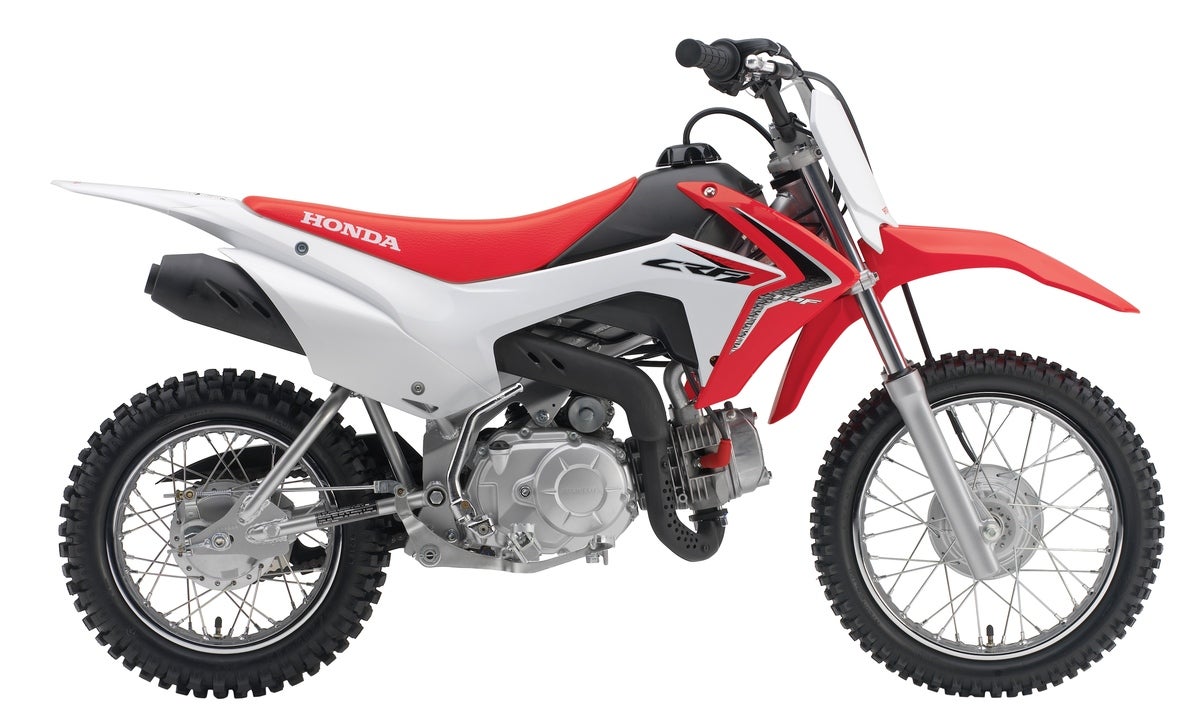
Image Source: www.dirtbikes.com
Fathoming The Speed Limits of 110cc Dirt Bikes
The speed of any motorcycle, including a 110cc dirt bike, is a complex interplay of its design, its rider, and the environment it’s ridden in. A 110cc engine size, while modest, is potent enough to offer exciting performance for its intended purpose. Let’s break down the elements that determine how fast one of these bikes will truly go.
Engine Size and Horsepower: The Heart of the Matter
The “110cc” designation refers to the displacement of the engine – the total volume swept by all the pistons inside the cylinders. A larger displacement generally means more fuel and air can be burned, leading to more power. For a 110cc engine, the horsepower output typically falls within a range of 7 to 10 horsepower. This might not sound like much compared to larger bikes, but for a lightweight dirt bike, it’s enough to get moving.
- Smaller Engines, Lighter Bikes: 110cc engines are usually found in very lightweight dirt bikes, often weighing between 150 and 200 pounds (68 to 90 kg). This low weight means that even a modest amount of horsepower can propel the bike with surprising agility.
- Torque vs. Top Speed: While horsepower is often associated with top speed, torque is crucial for acceleration. A 110cc engine might produce decent torque at lower RPMs, allowing for quick getaways from a standstill, even if its ultimate speed isn’t record-breaking.
Gearing: The Transmission’s Role
The gearing of a dirt bike is a critical factor in both its acceleration and its top speed. The gearbox uses different combinations of sprockets and gears to multiply engine torque.
- Lower Gearing (Smaller Countershaft Sprocket, Larger Rear Sprocket): This setup prioritizes acceleration. The bike will get up to speed quickly but will hit its top speed at a lower RPM in the highest gear. This is often preferred for younger riders or for navigating technical off-road trails where quick bursts of power are needed.
- Higher Gearing (Larger Countershaft Sprocket, Smaller Rear Sprocket): This setup favors top speed. The engine will need to rev higher to reach its maximum velocity, but it will be able to achieve a greater overall speed. This might be chosen for riding on smoother, more open terrain.
The factory gearing on a 110cc dirt bike is usually a compromise, designed to offer a balance of acceleration and a reasonable top speed for general trail riding.
Rider Weight: The Human Factor
The rider’s weight has a significant impact on the performance of any vehicle, and a 110cc dirt bike is no exception. A lighter rider will allow the bike to accelerate faster and reach a higher top speed than a heavier rider.
- Impact on Acceleration: A heavier rider means more mass for the engine to move. This will result in slower acceleration, especially from a standstill.
- Impact on Top Speed: Similarly, a heavier rider will cause the bike to work harder to maintain speed, potentially lowering the real-world speed it can achieve on flat ground.
- Rider Skill: While not directly related to weight, a skilled rider can optimize their body positioning and throttle control to maximize the bike’s performance, regardless of their size.
Terrain: Where the Rubber Meets the Road (or Dirt)
The type of terrain a 110cc dirt bike is ridden on will significantly affect its speed.
- Smooth, Hard-Packed Surfaces: On a smooth, flat surface like a dirt track or a paved road (though not recommended for most dirt bikes), a 110cc dirt bike will achieve its highest speeds.
- Loose Gravel and Sand: In these conditions, the tires will have less traction, leading to wheelspin and reduced forward momentum. This will slow down both acceleration and top speed.
- Mud and Water: Mud can clog the engine and drivetrain, reducing power and potentially causing the bike to bog down. Wet conditions also reduce traction.
- Hills and Inclines: Riding uphill requires more power. A 110cc dirt bike will struggle to maintain speed on steep inclines, and its top speed will be considerably lower than on flat ground. Downhill, of course, gravity will assist, and the bike can exceed its usual top speed.
Fuel Type: The Right Juice for the Engine
While most 110cc dirt bikes are designed to run on standard unleaded gasoline, the quality of the fuel type can play a minor role.
- Octane Rating: Higher octane fuels resist knocking or pre-ignition. However, for most 110cc dirt bikes with relatively low compression ratios, the difference between standard (87 octane) and premium (91 or higher) gasoline will be negligible in terms of performance. The manufacturer’s recommendation should always be followed.
- Fuel Quality: Using fresh, clean fuel is always important for optimal engine performance. Stale fuel can lead to starting problems and reduced power.
Modification: Pushing the Envelope
For those looking to extract more performance from their 110cc dirt bike, modification is an option. However, it’s important to approach this with realistic expectations, as the fundamental engine size remains the same.
- Exhaust System: A less restrictive aftermarket exhaust can improve exhaust gas flow, potentially leading to a small increase in horsepower and a slightly higher top speed.
- Air Filter: A high-flow air filter can allow more air into the engine, which, when combined with other modifications, can improve performance.
- Carburetor Tuning: Adjusting the carburetor to match other modifications (like an exhaust or air filter) can optimize the air-fuel mixture for better power delivery.
- Engine Tuning: More advanced modifications might include porting and polishing the cylinder head, increasing compression, or even a big-bore kit (though this would technically change the engine size beyond 110cc). These are more involved and costly.
It’s crucial to remember that modifying a small engine like a 110cc can also reduce its reliability and longevity if not done correctly.
Real-World Speed: What to Expect on the Trail
The real-world speed you’ll experience on a 110cc dirt bike will almost always be less than the theoretical maximum. Manufacturers’ stated top speeds are usually achieved under ideal conditions: a perfectly flat, smooth surface with a lightweight rider, and often with the bike running at its absolute peak.
On the trail, you’re likely to encounter:
- Variable Terrain: Hills, bumps, loose surfaces, and corners all reduce speed.
- Frequent Stops and Starts: Trail riding often involves navigating obstacles, requiring braking and acceleration.
- Rider Comfort and Safety: Most riders, especially beginners, will not be pushing the bike to its absolute limit.
Therefore, a realistic top speed for a typical 110cc dirt bike with an average rider on varied terrain might be closer to the 25-35 mph (40-56 km/h) range. The acceleration will feel peppy enough to get going, but don’t expect the kind of warp-speed acceleration you’d get from a larger displacement motorcycle.
Factors Influencing 110cc Dirt Bike Speed – A Summary Table
| Factor | Effect on Speed | Notes |
|---|---|---|
| Engine Size | Direct relationship; larger displacement = more power | 110cc typically 7-10 horsepower. |
| Horsepower | Direct relationship; more HP = higher potential speed | Crucial for overcoming resistance and reaching higher velocities. |
| Gearing | Affects both acceleration and top speed | Lower gearing for acceleration; higher gearing for top speed. |
| Rider Weight | Inverse relationship; lighter rider = higher speed | Significant impact on how quickly the bike accelerates and its limits. |
| Terrain | Variable; smooth surfaces yield higher speeds | Hills, mud, sand, and rough terrain all reduce speed. |
| Fuel Type | Minor impact on stock engines | Use recommended octane; fresh fuel is best. |
| Modification | Can increase speed if done correctly | Exhaust, air filter, tuning can improve performance. |
| Wind | Headwind reduces speed; tailwind can slightly increase | Affects resistance the bike needs to overcome. |
| Tire Pressure | Correct pressure is key for traction and efficiency | Under or over-inflated tires can hinder performance. |
| Maintenance | A well-maintained bike runs optimally | Clean air filter, proper oil changes, and tuned engine are essential. |
What is the Top Speed of a 110cc Dirt Bike?
The top speed of a 110cc dirt bike generally falls between 30 and 45 mph (48-72 km/h). This is an estimate and can be influenced by the specific model, rider weight, terrain, and other factors discussed.
Can I Ride a 110cc Dirt Bike on the Road?
No, 110cc dirt bikes are typically designed for off-road use only. They lack the necessary safety equipment, lighting, and emissions controls required for street legality. Riding them on public roads is illegal and dangerous.
Who is a 110cc Dirt Bike For?
110cc dirt bikes are ideally suited for:
- Beginner Riders: They offer a manageable power output and learning platform.
- Children and Teenagers: They are a popular size for younger riders progressing from smaller pit bikes.
- Adults Seeking Recreation: For casual trail riding or light play, they offer plenty of fun.
- Practice and Skill Development: They are excellent for honing clutch control, throttle response, and balance.
Frequently Asked Questions (FAQ)
Q1: How fast can a 110cc dirt bike go with a 10-year-old on it?
With a 10-year-old rider, who is generally lighter, the top speed might be closer to the upper end of the typical range, around 35-40 mph (56-64 km/h) on a flat, smooth surface. However, safety and rider experience are paramount, and the actual speed will be dictated by how the child operates the throttle and the terrain.
Q2: Will a 110cc dirt bike wheelie easily?
Yes, most 110cc dirt bikes have enough low-end torque and are light enough that performing a wheelie is achievable, especially for a skilled rider. Acceleration is a key factor here, and a quick burst of throttle while pulling on the handlebars can lift the front wheel.
Q3: How much horsepower does a typical 110cc dirt bike have?
A typical 110cc dirt bike engine will produce between 7 and 10 horsepower. This figure can vary slightly between different manufacturers and models.
Q4: What is the average top speed of a Kawasaki KLX110?
The Kawasaki KLX110 is a popular 110cc dirt bike. Its top speed is generally in the 30-40 mph (48-64 km/h) range, depending on the factors mentioned earlier.
Q5: Can I modify my 110cc dirt bike to go faster?
Yes, modification is possible. Common modifications include exhaust upgrades, air filter changes, and carburetor tuning, which can potentially increase horsepower and top speed. However, always ensure modifications are done safely and responsibly.
Q6: How does gearing affect the speed of a 110cc dirt bike?
Changing the gearing (sprocket sizes) can significantly alter how a 110cc dirt bike performs. Shorter gearing (smaller front sprocket, larger rear sprocket) improves acceleration but lowers the top speed. Taller gearing (larger front sprocket, smaller rear sprocket) increases top speed but reduces acceleration.
Q7: What is the importance of rider weight on a 110cc dirt bike’s performance?
Rider weight is a crucial factor. A lighter rider will allow the 110cc dirt bike to accelerate more quickly and achieve a higher top speed compared to a heavier rider, as there is less mass for the engine to move.
Q8: How does terrain affect the real-world speed of a 110cc dirt bike?
Terrain plays a significant role. Smooth, flat surfaces allow for higher speeds, while rough terrain, hills, sand, or mud will reduce the bike’s speed due to increased resistance and reduced traction. This means the real-world speed will often be less than the maximum potential speed.
Q9: Does the fuel type impact the speed of a 110cc dirt bike?
For most stock 110cc dirt bikes, the fuel type (octane rating) has a minimal impact on speed. Using the manufacturer’s recommended octane is sufficient. However, using fresh, high-quality fuel ensures the engine runs as efficiently as possible.
In conclusion, while a 110cc dirt bike might have a modest engine size, its top speed is a fascinating blend of engineering, rider input, and environmental conditions. Understanding these factors allows for a greater appreciation of these versatile machines and what they can achieve.