
A 125cc bike can typically reach top speeds between 60 mph and 75 mph (around 96 km/h to 120 km/h). The exact speed depends on various factors, including the bike’s design, weight, rider, and even the weather.
When people ask, “How fast is a 125cc bike?”, they’re usually curious about the performance limits of these popular, entry-level machines. Whether you’re looking at a nimble 125cc scooter or a sporty 125cc motorcycle, these bikes offer a fantastic blend of practicality, affordability, and fun. But how much speed can you really expect from a 125cc engine? Let’s dive deep into the world of 125cc bike performance and find out what makes them tick.
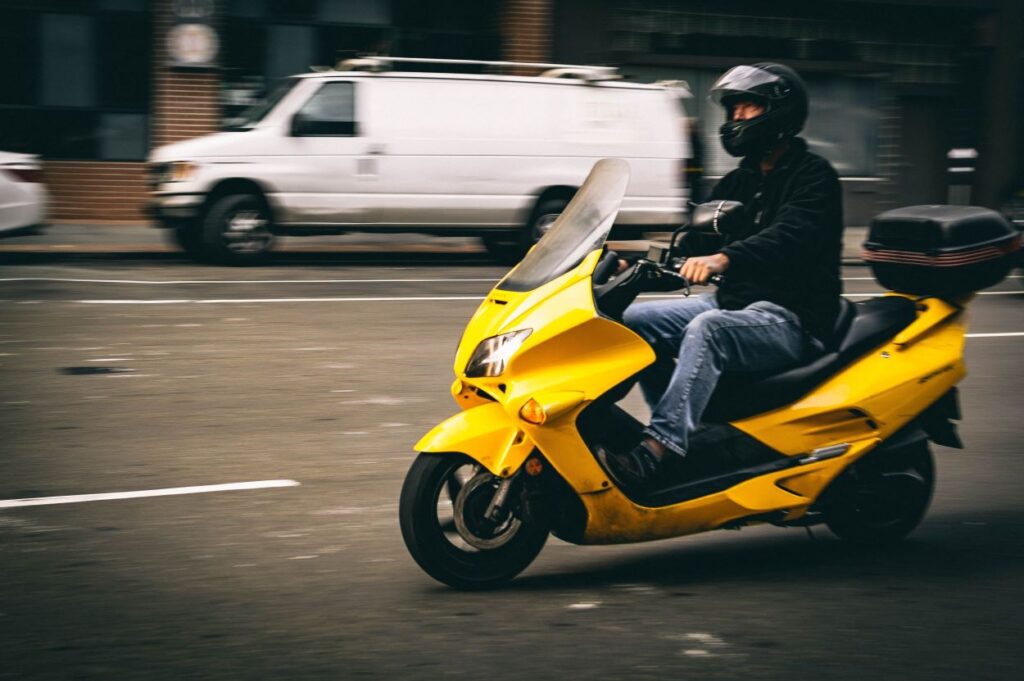
Image Source: www.bikesure.co.uk
Exploring 125cc Engine Performance
The heart of any 125cc vehicle is its engine. The 125cc engine performance is the key determinant of its overall speed and acceleration. These engines, typically powered by a single cylinder, are designed for efficiency and ease of use rather than outright power.
How Engine Size Affects Speed
The “cc” in 125cc stands for cubic centimeters, which refers to the volume of the cylinder bore. A larger displacement generally means a bigger “bang” with each combustion cycle, leading to more power. A 125cc engine is at the smaller end of the motorcycle engine scale, but it’s a significant step up from smaller mopeds or scooters. This size is ideal for city commuting, short-distance travel, and learning the ropes of two-wheeled riding.
Factors Influencing 125cc Bike Speed
Several elements work together to determine the top speed of a 125cc bike:
- Engine Power Output: Measured in horsepower (HP) or kilowatts (kW), this is the most direct indicator of potential speed.
- Gearing: The gear ratios affect how efficiently the engine’s power is transmitted to the rear wheel. Taller gearing can lead to higher top speeds but slower acceleration.
- Aerodynamics: The bike’s design, including fairings and rider position, plays a crucial role in reducing wind resistance at higher speeds.
- Weight: A lighter bike generally accelerates faster and can reach a higher top speed more easily than a heavier one, assuming similar power.
- Rider Position: A tucked-in riding position can significantly reduce drag, allowing the bike to achieve its maximum potential speed.
- Tire Quality and Pressure: Properly inflated tires with good grip contribute to stability and performance.
- Fueling System: Whether it’s a 125cc carburetor speed setup or a 125cc fuel injected speed system, the efficiency of fuel delivery impacts engine performance.
Decoding 125cc Scooter Top Speed
125cc scooter top speed is a frequently searched term, and for good reason. Scooters offer a convenient, step-through design that makes them incredibly accessible.
Scooter Aerodynamics and Speed
Generally, scooters have a more upright riding position and often a less aerodynamic design compared to motorcycles, especially those with full fairings. This means that while a 125cc scooter might have a similar engine displacement to a motorcycle, its top speed might be slightly lower due to increased wind resistance.
Typical Scooter Speeds
A typical 125cc automatic scooter speed will likely hover in the range of 55 mph to 65 mph (around 88 km/h to 104 km/h). Some sportier models with better aerodynamics and slightly higher power output might nudge closer to 70 mph. They excel in urban environments, offering quick acceleration from a standstill and ease of maneuvering through traffic.
The Velocity of 125cc Motorcycle Speed
When we talk about 125cc motorcycle speed, we’re often referring to bikes with a more traditional motorcycle design, complete with a gearbox and clutch. These bikes usually offer a more engaging riding experience and can sometimes achieve higher top speeds than their scooter counterparts.
Gearing and Motorcycle Velocity
The 125cc geared bike top speed is heavily influenced by its gearbox. Modern 125cc motorcycles often feature 5- or 6-speed transmissions. The tuning of these gears is crucial. Manufacturers aim for a balance between quick acceleration for city riding and a decent top speed for occasional highway stretches.
Maximum Speed of a 125cc Motorcycle
The maximum speed 125cc motorcycle can achieve is generally a bit higher than scooters. You can expect most 125cc motorcycles to comfortably reach speeds between 60 mph and 75 mph (96 km/h to 120 km/h). Some performance-oriented models might even touch 80 mph under ideal conditions, especially with a skilled rider in a tucked position. These bikes are often favoured by younger riders obtaining their first motorcycle license due to their manageable power and relatively low running costs.
Comparing Fuel Injection vs. Carburetion in 125cc Bikes
The fueling system can make a difference in how a 125cc engine performs.
125cc Fuel Injected Speed
Modern 125cc fuel injected speed vehicles benefit from precise fuel delivery. Fuel injection systems (FI) electronically control the amount of fuel entering the engine, optimizing it for various conditions like temperature and altitude. This usually results in:
- Smoother Power Delivery: Less hesitation and a more consistent throttle response.
- Better Fuel Efficiency: More bang for your buck in terms of mileage.
- Easier Starting: Particularly in cold weather.
- Potentially Higher Top Speeds: Due to more efficient combustion.
While the difference might not be drastic, a fuel-injected 125cc bike might feel a little more refined and responsive, potentially allowing it to reach its top speed a touch more readily than its carbureted equivalent.
125cc Carburetor Speed
Carburetors are a more traditional method of mixing fuel and air. The 125cc carburetor speed might exhibit:
- More Mechanical Feel: Some riders prefer the directness of a carburetor.
- Simpler Maintenance: Carburetors are generally easier for DIY adjustments.
- Sensitivity to Conditions: Performance can be more affected by changes in altitude or temperature.
- Slightly Lower Efficiency: Compared to modern FI systems.
However, a well-tuned carburetor can still deliver excellent performance from a 125cc engine, and many riders find the character of carbureted bikes appealing. The top speed difference between a carbureted and fuel-injected 125cc bike of the same model is often marginal, usually within a few miles per hour.
125cc Bike Acceleration: Getting Up to Speed
Beyond top speed, 125cc bike acceleration is a crucial aspect of performance, especially for city riding and merging into traffic.
How Acceleration Works
Acceleration is about how quickly a bike can increase its speed. This is influenced by the engine’s torque (twisting force), the gear ratios, and the bike’s weight.
- Torque: A 125cc engine produces a modest amount of torque. This means acceleration won’t be neck-snapping, but it’s sufficient for most everyday riding scenarios.
- Gearing: Lower gears are designed for quick acceleration from a standstill, while higher gears are for maintaining speed.
- Weight: Lighter bikes will naturally accelerate faster.
Typical Acceleration
From a standstill, most 125cc bikes can reach 30 mph (around 48 km/h) in roughly 4 to 6 seconds. Accelerating to 60 mph (around 96 km/h) might take anywhere from 10 to 15 seconds, depending on the specific model and conditions. This is perfectly adequate for keeping up with urban traffic and making your way through city streets.
What Affects a 125cc Bike’s Top Speed?
Let’s break down the factors that can push a 125cc bike towards its maximum velocity.
Engine Tuning and Modifications
While stock 125cc bikes are designed for reliability and efficiency, some owners opt for modifications to enhance performance. These can include:
- Exhaust Systems: Aftermarket exhausts can sometimes improve exhaust flow, leading to a slight increase in power and potentially top speed.
- Air Filters: High-flow air filters can improve air intake.
- ECU Tuning (for FI bikes): Adjusting the engine control unit can remap fuel and ignition timing.
- Different Sprockets: Changing the final drive gearing can alter the balance between acceleration and top speed.
However, it’s important to note that modifications on such small engines often yield minimal gains in top speed without significant and potentially unreliable changes. For most riders, the stock performance is more than enough.
Rider Weight and Aerodynamics
The rider’s weight and riding posture have a surprisingly large impact on the top speed of a 125cc bike.
- Rider Weight: A heavier rider will require more energy from the engine to maintain speed, potentially lowering the top speed slightly.
- Aerodynamic Tuck: As mentioned, leaning forward into a “tucked” position reduces the rider’s frontal area exposed to the wind. This is a common technique used by riders to squeeze out the last few miles per hour from their bikes. Even a slight reduction in drag can make a noticeable difference on a small-displacement engine.
Environmental Conditions
The environment in which you’re riding also plays a role:
- Wind: A strong headwind will significantly reduce your top speed, while a tailwind can help you reach it.
- Temperature: Cooler air is denser, which can sometimes lead to slightly better engine performance.
- Altitude: Higher altitudes mean thinner air, which can reduce engine power.
- Road Gradient: Riding downhill will, of course, allow the bike to achieve a higher speed than riding on a flat road.
Common 125cc Bike Models and Their Performance
Let’s look at some examples of how different popular 125cc bikes perform.
Example 1: A Sporty 125cc Motorcycle
Many European and Japanese manufacturers offer sporty 125cc motorcycles designed to look like their larger counterparts. These often feature aggressive styling, clip-on handlebars, and sporty suspension.
- Expected Top Speed: 70-75 mph (112-120 km/h)
- Acceleration: Quick for its class, capable of reaching 60 mph in around 10-12 seconds.
- Key Features: Often fuel-injected, capable of a more committed riding posture for better aerodynamics.
Example 2: A Commuter-Focused 125cc Scooter
These scooters prioritize comfort, practicality, and fuel economy for daily urban use.
- Expected Top Speed: 55-65 mph (88-104 km/h)
- Acceleration: Smooth and manageable, ideal for city traffic.
- Key Features: Automatic transmission, ample under-seat storage, comfortable seating.
Example 3: A Retro-Styled 125cc Motorcycle
Some 125cc bikes are designed with classic styling in mind. Their engines are usually tuned for a relaxed ride.
- Expected Top Speed: 60-70 mph (96-112 km/h)
- Acceleration: Moderate, focused on ease of use rather than outright speed.
- Key Features: Classic aesthetics, often carbureted, upright riding position.
It’s crucial to remember that these are general estimates. Individual model specifications, rider weight, and riding conditions will all contribute to the actual speeds achieved.
Safety and Legal Considerations for 125cc Bikes
While discussing speed is fun, it’s vital to remember the importance of safety and legal compliance.
Speed Limits
Always adhere to local speed limits. 125cc bikes are often used on roads where speed limits are lower than highways, but it’s essential to know and respect these limits for your safety and the safety of others.
Rider Training
For new riders, proper training is paramount. A good motorcycle safety course will teach you not only how to handle your bike but also how to ride defensively and manage speed effectively.
Licensing
In many regions, 125cc motorcycles can be ridden with a specific entry-level motorcycle license or endorsement. Ensure you have the correct license for the type of bike you intend to ride.
Protective Gear
Always wear appropriate protective gear, including a helmet, riding jacket, gloves, and sturdy footwear, regardless of the bike’s speed.
Frequently Asked Questions (FAQ) about 125cc Bike Speed
Here are some common questions people have about the speed of 125cc bikes:
Q1: Can a 125cc bike go on the highway?
A1: While some 125cc motorcycles can technically reach highway speeds, it’s often not recommended for extended periods. Their smaller engines can be strained by sustained high speeds, and they may struggle to keep up with faster-moving traffic, posing a safety risk. Always check local regulations, as some jurisdictions have minimum engine size requirements for highway use.
Q2: Is a 125cc motorcycle faster than a 125cc scooter?
A2: Generally, a 125cc motorcycle with a gearbox and a more aerodynamic design can be slightly faster than a 125cc scooter. This is due to better gearing options and reduced wind resistance from a more tucked riding position. However, a sporty 125cc scooter might be as fast or faster than a less performance-oriented 125cc motorcycle.
Q3: How much does rider weight affect a 125cc bike’s top speed?
A3: Rider weight can have a noticeable effect. A heavier rider requires more power to overcome inertia and wind resistance, which can slightly reduce the maximum achievable speed. Conversely, a lighter rider might find it easier to reach the bike’s top speed.
Q4: What is the typical 0-60 mph time for a 125cc bike?
A4: The 0-60 mph (0-96 km/h) time for a 125cc bike typically ranges from about 10 to 15 seconds, depending on the specific model, its weight, and the rider.
Q5: Are fuel-injected 125cc bikes faster than carbureted ones?
A5: While fuel injection offers more precise fuel delivery, which can lead to slightly better performance and efficiency, the difference in top speed between a fuel-injected and a well-tuned carbureted 125cc bike of the same model is usually marginal, often only a few miles per hour.
Q6: Can I legally ride a 125cc bike in my country?
A6: Licensing requirements for 125cc bikes vary significantly by country and region. Many places allow riders with a specific learner’s permit or a standard car license to operate a 125cc motorcycle, especially if it’s geared towards learner riders. It’s crucial to research and comply with the specific licensing laws in your area.
Conclusion: The Capable and Accessible 125cc
So, how fast will a 125cc bike go? The answer, as we’ve explored, is that a 125cc bike typically tops out between 60 and 75 mph. Whether you choose a sporty 125cc motorcycle or a practical 125cc scooter, these bikes offer a fantastic entry point into the world of motorcycling. They are economical, fun to ride, and provide just enough performance for most urban commuting and recreational riding needs. While they might not set speed records, their accessibility, low running costs, and engaging nature make them a beloved choice for millions of riders worldwide. Always prioritize safety, obey traffic laws, and enjoy the journey!