The weight of a dirt bike can range significantly, generally from around 160 pounds for smaller, lighter models to over 250 pounds for larger, more powerful machines.
When you’re thinking about getting a dirt bike, weight is a big deal. It affects how easy it is to ride, handle, and even transport. This article will dive deep into the world of dirt bike weights, helping you figure out what’s right for you. We’ll look at different types of dirt bikes and what makes them heavier or lighter.
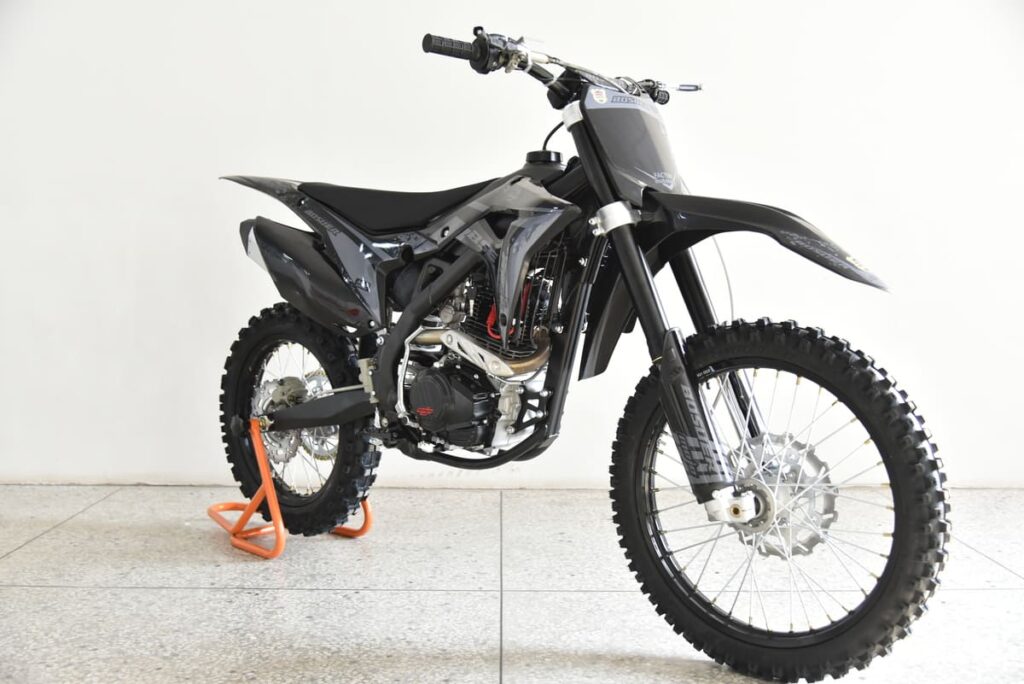
Image Source: www.bsemotor.com
Fathoming Dirt Bike Weights
Dirt bikes aren’t all the same. They come in many shapes and sizes, and their weight changes a lot depending on what they’re made for. Think of it like comparing a small car to a big truck. Both are vehicles, but they’re built for different jobs and that makes them weigh differently.
What Influences A Dirt Bike’s Weight?
Several key things make a dirt bike heavier or lighter. These are the building blocks that engineers and designers consider when they create these machines.
- Engine Size (Displacement): Bigger engines usually mean more metal, more fuel, and often stronger frames to handle the power. This naturally adds weight. A 125cc engine is much smaller and lighter than a 450cc engine.
- Frame Material: Most dirt bike frames are made of steel or aluminum. Aluminum is lighter than steel, so bikes with aluminum frames tend to be lighter overall.
- Suspension Components: Dirt bikes have advanced suspension systems to absorb bumps. The quality and size of the forks and shock absorbers can add to the weight. High-end, long-travel suspension can be heavier.
- Bodywork and Plastics: The plastic fenders, fuel tank, and side panels contribute to the overall weight. While plastics are generally light, the sheer amount used can make a difference.
- Wheels and Tires: The size, spokes, and type of tires can also influence how much a dirt bike weighs. Larger, more robust tires and wheels designed for tough terrain will be heavier.
- Fuel Tank Capacity: A larger fuel tank means you can ride longer, but it also means more weight, especially when full.
Deciphering Different Dirt Bike Categories and Their Weights
Dirt bikes are specialized machines. Because of this, their weights vary a lot. Let’s explore the common types and what their typical dirt bike weight is.
Motocross Bikes
These bikes are built for racing on closed tracks with jumps, berms, and whoops. They are designed to be lightweight and agile for maximum performance.
- Focus: Speed, agility, and handling on a prepared track.
- Typical Weight:
- 85cc: Around 150-170 pounds (68-77 kg)
- 125cc/150cc: Around 190-210 pounds (86-95 kg)
- 250cc: Around 210-230 pounds (95-104 kg)
- 450cc: Around 220-245 pounds (100-111 kg)
Motocross bike weight is a critical factor. Riders need to be able to maneuver these bikes aggressively, and a lighter bike makes it easier to pop off jumps and change direction quickly.
Off-Road Bikes (Trail Bikes)
These are for riding on trails, through forests, and over varied terrain. They often have features like lights and sometimes more comfortable seats than motocross bikes.
- Focus: Durability, comfort, and versatility for varied off-road conditions.
- Typical Weight:
- 125cc-250cc: Around 200-240 pounds (90-109 kg)
- 300cc-450cc: Around 220-260 pounds (100-118 kg)
The off-road bike weight is balanced. They need to be light enough to handle technical sections but robust enough to withstand the rigors of trail riding.
Enduro Bikes
Enduro bikes are designed for endurance racing over long distances, often in challenging natural terrain, including mud, rocks, and logs. They are built to be tough and reliable.
- Focus: Stamina, reliability, and ability to handle tough, varied terrain for extended periods.
- Typical Weight:
- 250cc: Around 220-250 pounds (100-113 kg)
- 300cc-450cc: Around 230-270 pounds (104-122 kg)
Enduro bike weight is often slightly higher than motocross bikes due to more robust components, larger fuel tanks, and sometimes added features like skid plates and handguards.
Dual Sport Bikes
These bikes are street-legal dirt bikes, meaning you can ride them on roads as well as off-road trails. They have features like headlights, taillights, turn signals, and mirrors.
- Focus: Versatility for both on-road and off-road riding.
- Typical Weight:
- 250cc: Around 250-280 pounds (113-127 kg)
- 650cc: Around 300-350 pounds (136-159 kg)
The street legal dirt bike weight and dual sport bike weight are generally higher than pure dirt bikes because of the added road-legal components and often larger, more powerful engines for highway speeds.
Trial Bikes
These are specialized bikes for the sport of motorcycle trials, where riders navigate extreme obstacles. They are very light and designed for low-speed control.
- Focus: Extreme maneuverability and balance at very low speeds.
- Typical Weight: Around 150-170 pounds (68-77 kg)
Motorcycle weight for trial bikes is minimal to allow riders to “throw” the bike around obstacles.
Factors Affecting The Average Dirt Bike Weight
While we’ve looked at categories, there are other things that can make a specific bike heavier or lighter than others in its class.
Engine Size and Configuration
- CCs: As mentioned, a larger engine displacement (CCs) generally means more weight. A 450cc engine will be heavier than a 250cc engine.
- Engine Type: Two-stroke engines are typically lighter than four-stroke engines of similar displacement because they have fewer moving parts (no valves, camshafts).
Frame and Construction Materials
- Steel vs. Aluminum: Aluminum frames are lighter and stiffer than steel frames. Many modern performance dirt bikes use aluminum frames.
- Chassis Design: The overall design of the frame, including how it’s braced and supported, impacts weight.
Suspension and Brakes
- Travel Length: Longer suspension travel, common on motocross and enduro bikes, often means larger, heavier fork tubes and shock absorbers.
- Brake System: While not usually a massive difference, more powerful braking systems might use slightly larger rotors or calipers, adding a small amount of weight.
Fuel Tank Size
- Capacity: Bikes intended for longer rides or racing will have larger fuel tanks, adding significant weight when filled.
Added Features and Modifications
- Lights and Electricals: Dual sport bikes need lights, batteries, and other electrical components, adding weight.
- Aftermarket Parts: Some riders upgrade parts like exhaust systems, wheels, or tires. Lighter aftermarket parts can reduce weight, while heavier ones increase it.
Weighing Different Bike Types: A Comparison Table
Here’s a look at how different types of dirt bikes generally stack up in terms of weight.
| Bike Type | Typical Engine Size | Approximate Dry Weight (lbs) | Approximate Dry Weight (kg) | Key Characteristics |
|---|---|---|---|---|
| Motocross (Pro-level) | 250cc 4-stroke | 220-230 | 100-104 | Lightweight, agile, high-performance |
| Motocross (Pro-level) | 450cc 4-stroke | 225-245 | 102-111 | Powerful, stable, track-focused |
| Enduro | 300cc 2-stroke | 230-250 | 104-113 | Durable, good low-end torque, trail-ready |
| Enduro | 450cc 4-stroke | 240-260 | 109-118 | Powerful, long-distance capability |
| Trail/Off-Road | 250cc 4-stroke | 220-240 | 100-109 | Versatile, comfortable for trail riding |
| Dual Sport | 350cc 4-stroke | 270-300 | 122-136 | Road-legal, lights, signals, flexible |
| Dual Sport | 650cc 4-stroke | 320-350 | 145-159 | Highway capable, heavier, more touring potential |
| Youth Motocross | 85cc 2-stroke | 150-170 | 68-77 | Lighter, for smaller riders |
| Trial | 250cc 4-stroke | 150-170 | 68-77 | Ultra-light, extreme maneuverability |
Note: “Dry weight” is the weight of the bike without fuel, oil, or coolant. “Wet weight” (bike with all fluids) will be higher.
When you look at the average dirt bike weight, you can see a clear trend: bikes built for more extreme or specialized riding tend to be lighter, while those needing to be road-legal or handle more varied conditions can be heavier.
What Is The Weight Of A Typical Dirt Bike?
The average dirt bike weight often falls in the range of 200 to 250 pounds (90 to 113 kg) for bikes used in recreational riding and trail riding, excluding the very small youth bikes and the larger dual-sport models. This is a broad average, as the specific type and engine size play a huge role.
What is the lightest dirt bike?
The lightest dirt bikes are typically the youth motocross bikes (like 50cc and 65cc models) or specialized trial bikes. These can weigh as little as 80-100 pounds (36-45 kg) for the smallest youth bikes, and around 150-170 pounds (68-77 kg) for full-size trial bikes.
Can I lift a dirt bike by myself?
Whether you can lift a dirt bike yourself depends on your strength and the bike’s weight. A lighter bike, like an 85cc motocross bike (around 150-170 lbs), might be manageable for a strong adult. However, lifting a heavier 450cc motocross or a dual-sport bike (220-350+ lbs) by yourself is very difficult and potentially dangerous. It’s always better to have help when lifting or moving a dirt bike.
How does ATV weight compare to dirt bike weight?
ATVs (All-Terrain Vehicles) are generally much heavier than dirt bikes. A typical sport ATV might weigh 400-500 pounds (180-227 kg), while utility ATVs can easily weigh 600-800 pounds (272-363 kg) or more. This ATV weight comparison highlights the fundamental differences in design and purpose. ATVs have four wheels, wider stances, and often more robust frames and suspension to carry loads or passengers, all contributing to their significantly higher weight.
The Impact of Weight on Riding Experience
The weight of a dirt bike isn’t just a number; it directly impacts how the bike feels and performs.
Maneuverability and Agility
- Lighter Bikes: Easier to flick from side to side, hop over obstacles, and change direction quickly. This is crucial in tight trails or technical motocross sections.
- Heavier Bikes: Can feel more planted and stable at higher speeds or on open terrain, but are harder to maneuver at low speeds or in tight spots.
Rider Effort and Fatigue
- Lighter Bikes: Require less physical effort to control, especially when standing on the pegs or picking the bike up after a fall. This reduces rider fatigue on long rides.
- Heavier Bikes: Can be more tiring to ride, especially if you’re not used to them or if you encounter challenging terrain that requires constant adjustments and balance.
Handling and Cornering
- Lighter Bikes: Tend to corner more easily and can be leaned over more readily.
- Heavier Bikes: May require more deliberate effort to initiate a turn and can feel like they are “pushing” through corners if not handled with the right technique.
Jumping and Airtime
- Lighter Bikes: Easier to get into the air and can be adjusted more easily mid-flight.
- Heavier Bikes: Require more throttle to get airborne and can be harder to control once in the air.
Tips for Managing Dirt Bike Weight
If you’re considering a heavier bike or want to make your current bike easier to handle, here are some tips:
Choosing the Right Bike
- Consider Your Experience Level: Beginners often benefit from lighter bikes that are easier to manage and less intimidating.
- Think About Your Riding Style: If you do a lot of technical riding or trail riding, a lighter bike might be more suitable. If you’re mostly riding on open terrain, a slightly heavier bike might be fine.
- Physical Fitness: Be honest about your strength and fitness. A bike you can handle comfortably will be more enjoyable.
Making Your Dirt Bike Lighter
- Aftermarket Parts: Upgrade to lighter components like titanium exhaust systems, lighter batteries, or carbon fiber parts.
- Remove Unnecessary Items: If you’re not using certain features (e.g., handguards on a bike not used for hard trail riding), you might consider removing them.
- Maintenance: Ensure your tires are properly inflated and your chain is lubed. While this doesn’t change the bike’s core weight, it improves how it feels and handles.
Common Questions About Dirt Bike Weight
Here are some answers to frequently asked questions about dirt bike weights.
What is the typical weight of a 250cc dirt bike?
A typical 250cc motocross bike weighs around 210-230 pounds (95-104 kg). Enduro and trail versions might be slightly heavier, around 220-250 pounds (100-113 kg).
How much does a 450cc dirt bike weigh?
A 450cc motocross bike usually weighs between 220-245 pounds (100-111 kg). Enduro and dual-sport models with 450cc engines can be a bit heavier, often in the 230-270 pound range (104-122 kg) for enduro and 250-300 pounds (113-136 kg) for dual-sport variants.
What is considered a “lightweight” dirt bike?
Anything under 200 pounds (90 kg) is generally considered lightweight for a full-size dirt bike. This category primarily includes smaller displacement motocross bikes (like 125cc two-strokes) and specialized trial bikes. Youth bikes are even lighter.
Does the fuel level affect the dirt bike’s weight?
Yes, absolutely. A full tank of gas adds significant weight. For example, a 2.5-gallon fuel tank can add about 15-20 pounds (7-9 kg) when full. This is why manufacturers often list “dry weight” – the weight without any fluids, which is always less than the “wet weight.”
How does the weight of a 2-stroke compare to a 4-stroke?
Generally, 2-stroke dirt bikes are lighter than 4-stroke dirt bikes of a similar displacement. This is because 2-stroke engines have fewer moving parts (no valves, camshafts, etc.) and often simpler oiling systems. For instance, a 250cc 2-stroke enduro bike might weigh around 220-230 pounds (100-104 kg), while a 250cc 4-stroke can be closer to 230-250 pounds (104-113 kg).
In conclusion, the weight of a dirt bike is a crucial specification that influences its performance, handling, and how enjoyable it is to ride. By understanding the factors that contribute to a dirt bike’s weight and the typical weights for different categories, you can make a more informed decision when choosing your next off-road adventure machine.