
Can pregnant women ride bikes? Yes, generally, pregnant women can ride bikes, but how long depends on several factors. This maternity exercise guide explores pregnancy physical activity and the specifics of pregnancy cycling.
For many expectant mothers, staying active is crucial for a healthy pregnancy. Exercise during pregnancy offers numerous benefits, from managing weight gain to improving mood. Biking, when done safely, can be a fantastic way to maintain fitness. However, the duration and intensity of your cycling sessions will evolve as your pregnancy progresses. This article provides comprehensive pregnancy health advice on how long you can ride a bike, focusing on safety and trimester-specific considerations.
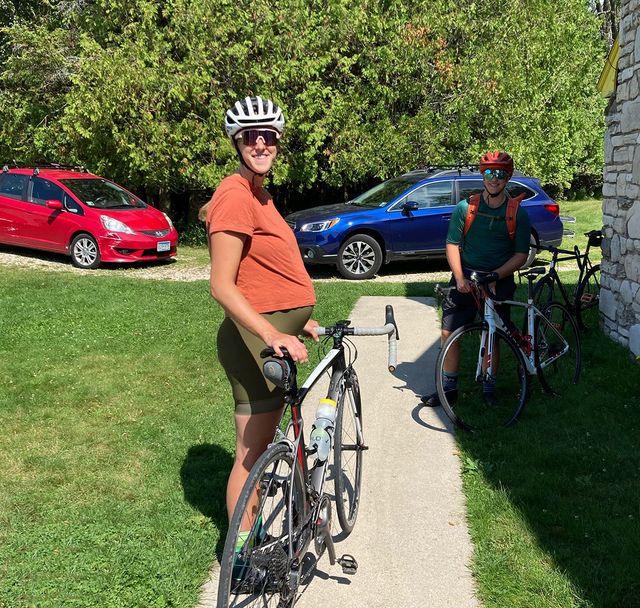
Image Source: lirp.cdn-website.com
The Benefits of Biking During Pregnancy
Pregnancy physical activity like cycling can offer a wealth of benefits for both mother and baby. It’s a low-impact exercise that can be sustained throughout much of the pregnancy if done cautiously.
For the Mother:
- Improved Cardiovascular Health: Regular cycling strengthens the heart and lungs, which is vital for handling the increased demands of pregnancy.
- Weight Management: It helps manage healthy weight gain, reducing the risk of complications like gestational diabetes and preeclampsia.
- Reduced Back Pain and Swelling: The upright posture on some bikes can alleviate back discomfort. Cycling can also improve circulation, lessening swelling in the legs and ankles.
- Enhanced Mood and Sleep: Safe exercise pregnancy releases endorphins, natural mood boosters, and can contribute to better sleep quality.
- Easier Labor and Recovery: Stronger leg muscles and improved stamina can contribute to a smoother labor and quicker postpartum recovery.
- Blood Sugar Control: For those at risk of or diagnosed with gestational diabetes, regular exercise like cycling can help regulate blood sugar levels.
For the Baby:
- Optimal Fetal Development: Increased blood flow to the uterus supports healthy fetal growth.
- Lower Birth Weight (in some cases): While healthy weight gain is important, preventing excessive gain can lead to a healthier birth weight.
- Better Stress Response: Babies of mothers who exercise regularly may have a better stress response after birth.
Safety First: Essential Precautions for Pregnancy Cycling
Before you even think about how long you can ride, safety is paramount. Biking during pregnancy requires a careful approach.
Choosing the Right Bike:
- Comfort is Key: Opt for a comfortable, upright riding position. Avoid bikes that require you to lean far forward, which can strain your back. A cruiser or hybrid bike is often a good choice.
- Stability Matters: A bike with good suspension and sturdy tires will provide a smoother ride and better stability on varied surfaces.
- Bike Fit: Ensure the bike is properly fitted to your body. Adjust the seat and handlebars to a comfortable, ergonomic position.
Riding Environment:
- Smooth Surfaces: Stick to smooth, well-maintained paths or roads. Avoid bumpy trails, gravel, or uneven terrain. Falling is a significant risk, and rough surfaces increase that possibility.
- Avoid Crowded Areas: Busy streets or crowded parks can lead to unexpected obstacles and the need for sudden stops or swerves.
- Weather Conditions: Avoid cycling in extreme heat, humidity, or rain. Overheating can be dangerous during pregnancy.
Personal Safety Gear:
- Helmet: Always wear a properly fitted helmet. This is non-negotiable for safe exercise pregnancy.
- Comfortable Clothing: Wear loose, breathable clothing.
- Hydration: Carry plenty of water. Dehydration can occur quickly, especially in warmer weather.
- Snacks: Keep energy-boosting snacks on hand.
Listening to Your Body:
- Know Your Limits: This is the most crucial piece of pregnancy health advice. Your body is changing, and your energy levels will fluctuate.
- Avoid Overexertion: Pushing yourself too hard can be detrimental. You should be able to hold a conversation while cycling.
- Stop if You Feel Unwell: Discontinue cycling immediately if you experience any of the warning signs (discussed later).
How Long Can You Ride a Bike While Pregnant? Trimester-Specific Guidelines
The duration and intensity of your cycling sessions will vary significantly throughout your pregnancy. Here’s a breakdown by trimester:
First Trimester (Weeks 1-12)
In the first trimester, most women can continue their pre-pregnancy exercise routines, including cycling, provided they feel well.
- Duration: If you were a regular cyclist before pregnancy, you can likely continue for your usual durations, perhaps 30-60 minutes per session. If you are new to cycling, start with shorter rides, around 20-30 minutes, and gradually increase.
- Intensity: Maintain a moderate intensity. You should be able to talk comfortably while cycling.
- Focus: Enjoy the activity and use it as a way to maintain fitness. Listen to your body, especially if you’re experiencing fatigue or morning sickness.
Second Trimester (Weeks 13-28)
The second trimester is often considered the “golden period” of pregnancy for many women, with energy levels often peaking and nausea subsiding.
- Duration: You can generally maintain or even slightly increase your cycling duration if you feel good, but listen to your body’s signals for fatigue. Aim for consistency rather than pushing for longer rides. Perhaps 30-60 minutes, 3-4 times a week.
- Intensity: Continue with moderate intensity. As your belly grows, your center of gravity shifts, which can affect balance.
- Bike Adjustments: You might need to adjust your bike setup. Raising the handlebars can provide a more upright position, easing pressure on your lower back. Some women find recumbent bikes or stationary bikes more comfortable during this stage.
- Considerations:
- Balance: Your sense of balance can be affected due to hormonal changes and your shifting center of gravity. Be extra cautious.
- Pelvic Pressure: As the uterus expands, you might feel more pelvic pressure. If cycling exacerbates this, it may be time to switch to a different form of exercise.
- Heart Rate: While not a strict guideline for all pregnancies, some practitioners suggest keeping your heart rate below 140 beats per minute, but it’s best to consult your doctor. Perceived exertion is a more reliable indicator.
Third Trimester (Weeks 29-40)
As your pregnancy advances into the third trimester, your body undergoes significant changes that may impact your ability to cycle.
- Duration: It’s advisable to shorten your cycling sessions. Many women find that 20-30 minutes is sufficient and comfortable. Frequency might also decrease to 2-3 times a week, or as tolerated.
- Intensity: Keep the intensity low to moderate. Focus on enjoyment and gentle movement rather than cardiovascular challenge.
- Bike Adjustments: An upright riding position is crucial. Consider a step-through frame bike if you haven’t already. A comfortable, well-padded saddle is also important.
- Focus on Stability: Your balance will be significantly compromised. Stick to very familiar, flat, and smooth routes.
- When to Stop: Many women find they need to stop cycling altogether in the late third trimester, usually around 30-34 weeks, due to:
- Increased risk of falls.
- Discomfort from the growing belly.
- Pelvic pressure or pain.
- Fatigue.
Transitioning to Stationary Cycling or Other Activities
If outdoor cycling becomes too challenging or feels unsafe, don’t despair! There are excellent alternatives.
Stationary Cycling:
- Benefits: Stationary bikes offer a safe and controlled environment for pregnancy cycling. They eliminate the risk of falls and provide a great cardiovascular workout.
- Duration: You can often cycle for longer periods on a stationary bike compared to outdoor cycling in later pregnancy, perhaps 30-45 minutes.
- Intensity: Adjust the resistance to maintain a comfortable, moderate intensity.
- Considerations: Ensure the bike allows for an upright posture. Avoid leaning forward.
Other Safe Pregnancy Workouts:
- Swimming: Excellent for reducing swelling and providing a full-body workout.
- Prenatal Yoga: Improves flexibility, strength, and relaxation.
- Walking: A simple, effective, and accessible form of exercise during pregnancy.
- Stationary Elliptical or Recumbent Bike: Offer low-impact cardio options.
This variety ensures you can continue to enjoy the benefits of safe pregnancy workouts throughout your nine months.
When to Avoid Cycling or Consult Your Doctor
While cycling can be beneficial, it’s crucial to know when to stop or seek professional advice. Certain conditions or symptoms warrant a discussion with your healthcare provider.
Signs to Stop Cycling Immediately:
- Vaginal bleeding.
- Leaking amniotic fluid.
- Severe abdominal pain or cramping.
- Dizziness or fainting.
- Shortness of breath before starting exercise.
- Headache.
- Sudden swelling, especially in the hands or face.
- Pain or swelling in your calf (could indicate a blood clot).
- Decreased fetal movement.
- Heart palpitations or irregular pulse.
Consult Your Doctor If:
- You have a history of miscarriage or preterm labor.
- You have placenta previa or are at risk of placenta previa.
- You have cervical insufficiency.
- You have persistent high blood pressure or preeclampsia.
- You have been diagnosed with gestational diabetes and your doctor has advised specific exercise limitations.
- You experience any discomfort or concerns related to your cycling.
Your doctor or midwife can provide personalized pregnancy health advice based on your individual health status and pregnancy progression. They can help you determine how long and how intensely you can safely engage in pregnancy physical activity like cycling.
Frequently Asked Questions About Pregnancy Cycling
Q1: Can I start cycling if I wasn’t a cyclist before pregnancy?
A: It’s generally recommended to stick to activities you were familiar with before pregnancy. If you want to start cycling, begin very gently in the first trimester, focusing on short, flat rides at low intensity, and always consult your doctor first.
Q2: Is it safe to cycle with a belly band?
A: Belly bands can offer some support, but they do not prevent falls. Focus on safe riding practices and listen to your body’s needs regarding support.
Q3: How do I know if I’m overexerting myself?
A: The “talk test” is a good indicator. You should be able to hold a conversation comfortably while exercising. If you find yourself breathless and unable to speak in short sentences, you are likely overexerting yourself.
Q4: What if I fall while cycling?
A: Even a minor fall can be concerning during pregnancy. If you fall, even without apparent injury, it’s wise to contact your doctor or midwife for advice and potential check-up.
Q5: Are there any specific risks associated with cycling and gestational diabetes?
A: For women with gestational diabetes, exercise is highly recommended to help manage blood sugar. Cycling is a good option, but it’s crucial to monitor your blood sugar levels before and after exercise and to keep your intensity moderate. Discuss your exercise plan with your doctor to ensure it aligns with your diabetes management.
Q6: When should I switch from an outdoor bike to a stationary bike?
A: This is a personal decision and depends on how you feel. Many women switch to stationary bikes in their second or third trimester as their balance changes or they feel less stable outdoors. Listen to your body and prioritize safety.
Q7: Can cycling cause premature labor?
A: Moderate exercise during pregnancy, including cycling, is generally not associated with an increased risk of premature labor in healthy pregnancies. However, if you have a history of premature labor or other risk factors, it’s essential to discuss any exercise routine with your doctor.
Conclusion: Enjoying the Ride Safely
Biking during pregnancy can be a wonderful way to stay active and healthy. By prioritizing safety, listening to your body, and making trimester-specific adjustments, you can continue to enjoy the benefits of pregnancy cycling. Remember that every pregnancy is unique, and what works for one person may not work for another. Always consult with your healthcare provider for personalized pregnancy health advice to ensure you and your baby are safe and well throughout your journey. This maternity exercise guide aims to inform, but professional medical guidance is always the most important. Enjoy your safe exercise pregnancy!