
An e-bike battery typically lasts between 3 to 5 years or 500 to 1000 charge cycles, whichever comes first, though this can vary significantly. Many factors influence how long your e-bike battery will actually last, from how you use it to how you care for it. This guide will delve into the specifics of e-bike battery lifespan, explore what affects battery degradation, and provide actionable tips to maximize your battery’s duration and performance.
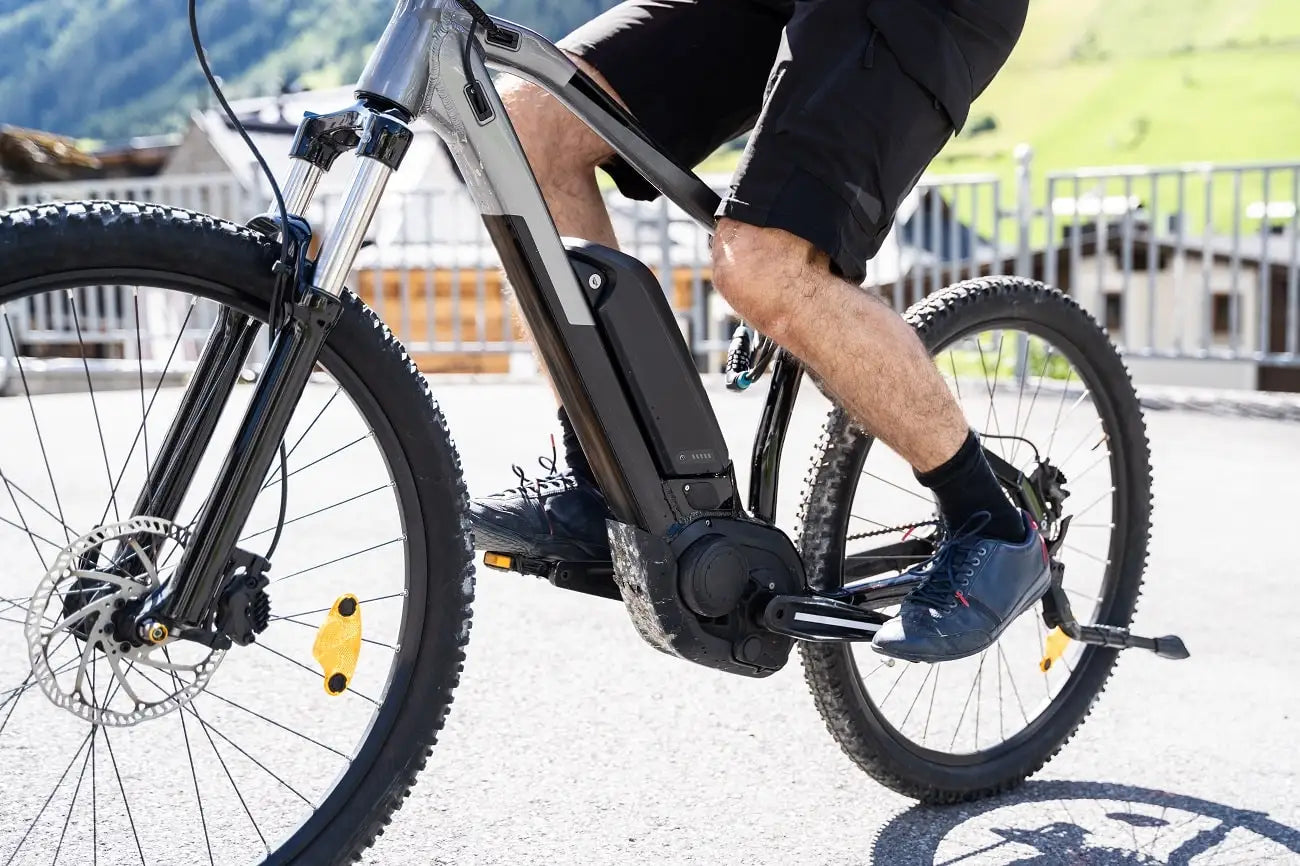
Image Source: rydybikes.com
The Core of Your Electric Ride: E-Bike Battery Lifespan
The heart of any electric bicycle is its battery. It’s the powerhouse that provides the electric assistance, transforming your ride from a leisurely pedal to a brisk, assisted journey. The e-bike battery lifespan is a critical consideration for any rider, impacting both the long-term cost of ownership and the overall enjoyment of the e-bike experience. Knowing what influences this lifespan allows you to make informed decisions about care and when an e-bike battery replacement might be on the horizon.
Fathoming E-Bike Battery Degradation
E-bike battery degradation is a natural process that occurs over time. Think of it like anything else that gets used regularly; it wears down. For lithium-ion batteries, the most common type in e-bikes, this degradation means a gradual decrease in the battery’s e-bike battery capacity – its ability to store and deliver energy. This results in a shorter range on a single charge and potentially less power output.
Several factors contribute to this gradual decline:
- Charge Cycles: Each time you fully charge and discharge your battery, it counts as one “charge cycle.” The e-bike battery charge cycles rating is a key indicator of its expected life. A battery rated for 500 charge cycles will, in theory, last for 500 full charges before its capacity drops significantly (often to around 80% of its original capacity).
- Age: Even if a battery isn’t heavily used, it will still degrade over time due to internal chemical processes. This is why even a spare battery left unused for many years might not perform as well as a newer one.
- Temperature: Extreme temperatures, both hot and cold, can accelerate battery degradation. Storing or charging your e-bike battery in very hot or very cold conditions is detrimental to its e-bike battery health.
- Charging Habits: How you charge your battery plays a significant role. Regularly draining the battery completely or constantly keeping it at 100% can put stress on the cells.
- Depth of Discharge (DoD): This refers to how much of the battery’s capacity is used before it’s recharged. Deeper discharges generally contribute more to wear than shallower ones.
- Storage Conditions: How you store your e-bike battery when not in use impacts its longevity.
Deciphering E-Bike Battery Capacity
E-bike battery capacity is measured in Watt-hours (Wh). This figure tells you how much energy the battery can store. A higher Wh rating generally means a longer range. However, as the battery degrades, its actual usable capacity will decrease. This means that an older battery might not provide the same number of miles as it did when it was new, even if it still holds a charge.
What is E-bike Battery Life Expectancy?
The e-bike battery life expectancy is the estimated duration you can expect the battery to function effectively. This is often quoted in years or charge cycles. As mentioned, most e-bike batteries are designed to last for a substantial period, but proper e-bike battery care is paramount to achieving this.
Maximizing Your E-Bike Battery Duration: Essential Care Tips
To get the most out of your e-bike battery and extend its electric bike battery duration, following proper e-bike battery care practices is essential. These simple habits can significantly impact its e-bike battery performance and overall lifespan.
The Art of Charging: Best Practices for E-Bike Batteries
Charging is perhaps the most frequent interaction you’ll have with your e-bike battery. Doing it right can make a big difference.
Optimal Charging Techniques
- Avoid Full Discharge: Try not to let your battery drain completely to 0% regularly. Lithium-ion batteries prefer shallower discharges. Aim to recharge when the battery level drops to around 20%.
- Avoid Constant 100% Charging: While modern e-bike battery management systems (BMS) are sophisticated, keeping a battery plugged in at 100% for extended periods can still contribute to slight degradation. If you’re not riding for a while, it’s often best to store the battery at around 50-60% charge.
- Use the Correct Charger: Always use the charger specifically designed for your e-bike battery. Using an incompatible charger can damage the battery and is a significant safety risk.
- Charge in Moderate Temperatures: Charge your battery in a cool, dry place, away from direct sunlight or extreme cold. Ideal charging temperatures are typically between 10°C and 30°C (50°F and 86°F).
- Don’t Overcharge: While modern chargers have overcharge protection, it’s still good practice to unplug the battery once it’s fully charged.
- Periodic Top-Ups: If you’re not riding for an extended period (e.g., over a month), it’s advisable to top up the battery to about 50-60% every few months to maintain e-bike battery health.
Charging Cycle Considerations
- What are E-bike Battery Charge Cycles? As defined earlier, a charge cycle is one full discharge and recharge. If your battery has a 500-cycle rating, it means it’s designed to provide optimal performance for approximately 500 such cycles.
- Partial Charges vs. Full Charges: Modern lithium-ion batteries don’t suffer from the “memory effect” that older battery technologies did. This means you can charge your battery part of the way without harming its e-bike battery capacity. In fact, partial charges are often better for extending the overall e-bike battery lifespan.
Storage Savvy: Keeping Your Battery Healthy When Not in Use
Proper storage is crucial, especially if you don’t ride your e-bike year-round or if you have a spare battery.
Ideal Storage Conditions
- Temperature: Store batteries in a cool, dry environment. Avoid extreme heat or cold. An ideal temperature range is between 10°C and 25°C (50°F and 77°F).
- Charge Level: For long-term storage (more than a month), aim for a charge level of 40-60%. This helps prevent deep discharge or overcharging while idle.
- Location: Store batteries away from flammable materials and in a safe place where they won’t be damaged.
Environmental Factors and Battery Longevity
The environment in which you ride and store your e-bike impacts its battery.
Temperature’s Toll
- Heat: High temperatures can accelerate the chemical reactions within the battery, leading to faster degradation. Avoid leaving your e-bike or battery in a hot car or direct sunlight for prolonged periods.
- Cold: Very cold temperatures can temporarily reduce the battery’s capacity and e-bike battery performance. While the battery will recover its capacity as it warms up, repeated exposure to extreme cold can cause permanent damage.
Riding Habits That Preserve Battery Health
Your riding style also influences how long your battery lasts.
Smart Riding Techniques
- Minimize Assist When Not Needed: Use the lowest assist level that suits your needs. Overusing higher assist levels drains the battery faster.
- Smooth Acceleration: Avoid aggressive starts and stops, as these demand more power from the battery.
- Maintain Momentum: Try to maintain a steady pace rather than constantly accelerating and decelerating.
- Proper Gear Use: Shifting gears appropriately allows you to pedal more efficiently, reducing the strain on both you and the battery.
- Keep Tires Inflated: Underinflated tires increase rolling resistance, meaning the motor has to work harder, draining the battery faster.
Understanding Battery Components and Their Impact
The internal components of your e-bike battery are designed to work in harmony to deliver power. Their quality and how they are managed directly affect the battery’s e-bike battery performance and lifespan.
The Role of the Battery Management System (BMS)
Every modern lithium-ion battery pack, including those in e-bikes, is equipped with a Battery Management System (BMS). The BMS is the brain of the battery pack.
Key Functions of the BMS
- Protection: It prevents overcharging, over-discharging, over-current, and short-circuiting, all of which can severely damage the battery.
- Balancing: It ensures that all individual cells within the battery pack are charged and discharged evenly. This is crucial for maximizing the e-bike battery lifespan and e-bike battery capacity.
- Monitoring: It monitors the voltage, current, and temperature of the battery pack.
- Communication: In some systems, the BMS communicates with the e-bike’s motor controller and display, providing information about battery status and estimated range.
Cell Chemistry and Its Influence
The specific chemistry of the lithium-ion cells used in your battery pack can also impact its e-bike battery life expectancy. While most e-bikes use Lithium Nickel Manganese Cobalt Oxide (NMC) or Lithium Nickel Cobalt Aluminum Oxide (NCA) cells, variations in quality and manufacturing processes can lead to differences in performance and longevity.
The Impact of Battery Capacity (Wh) on Lifespan
While a higher e-bike battery capacity (Wh) gives you more range, it doesn’t necessarily mean it will last for more years or charge cycles than a smaller battery. The e-bike battery lifespan is more directly tied to the number of charge cycles and the overall e-bike battery health. However, a larger battery that is used less intensively for the same distance might experience less stress per mile, potentially leading to a longer effective life in terms of usage.
What Happens When an E-Bike Battery Reaches the End of its Life?
As a battery ages and undergoes e-bike battery degradation, its e-bike battery performance will noticeably decline.
Signs of a Worn-Out Battery
- Reduced Range: The most common sign is a significant decrease in how far you can travel on a single charge.
- Slower Charging: The battery might take longer to charge, or it might not reach its full indicated capacity.
- Inconsistent Power Delivery: You might notice a drop in power, especially when going uphill or under load.
- Battery Not Holding Charge: The battery may drain very quickly even after a full charge.
- Physical Changes: Swelling, leaks, or unusual heat during charging or discharging are serious signs that the battery needs immediate attention.
- Error Codes: Some e-bike systems will display error codes related to battery performance issues.
E-Bike Battery Replacement Considerations
When your e-bike battery has reached the end of its usable life, an e-bike battery replacement will be necessary.
When to Consider Replacement
- When the battery can no longer provide a useful range for your typical rides.
- When the e-bike battery health is compromised to the point where it poses a safety risk.
- When the cost of repair or refurbishment outweighs the cost of a new battery.
Choosing a Replacement Battery
- Compatibility: Ensure the replacement battery is compatible with your e-bike’s motor system and charging port.
- Capacity: You can opt for a battery with the same capacity or a higher capacity for extended range.
- Quality: Invest in a reputable brand to ensure e-bike battery performance and safety.
- Warranty: Check the warranty offered on the replacement battery.
Recycling Your Old E-Bike Battery
Proper disposal is crucial. E-bike batteries contain materials that can be harmful to the environment if not disposed of correctly. Most local recycling centers or e-bike retailers offer battery recycling programs.
Factors Affecting E-Bike Battery Performance in Different Scenarios
The e-bike battery performance can vary based on how and where you use your bike.
Riding in Different Terrains
- Hills: Climbing hills requires more power, leading to a faster drain of the e-bike battery capacity.
- Flat Terrain: Riding on flat surfaces generally conserves battery power.
- Off-Road: Rough terrain and frequent acceleration/deceleration can also increase battery consumption.
Weather Conditions and Battery Life
- Rain: While most e-bike batteries are sealed and weather-resistant, riding in heavy rain generally requires more effort (and thus more battery power) due to increased rolling resistance and potential need for higher assist.
- Wind: Riding against a strong headwind demands significant power from the motor, reducing the electric bike battery duration.
Load and Weight
- Rider Weight: Heavier riders will naturally consume more battery power than lighter riders.
- Cargo: Carrying heavy loads or using a trailer will increase the demand on the battery, shortening the e-bike battery lifespan on a per-ride basis.
Maintaining Optimal E-Bike Battery Health
Focusing on e-bike battery health is a proactive approach to extending the life of your battery.
Regular Inspections
Periodically inspect your battery for any signs of physical damage, corrosion on the contacts, or unusual smells. A damaged battery should not be used.
Software Updates
If your e-bike system has a connected app or displays that receive software updates, ensure they are kept current. Sometimes, these updates include optimizations for battery management that can improve e-bike battery performance.
Periodic Full Charge Cycles (With Caution)
While it’s generally advised to avoid frequent full discharges, some manufacturers suggest performing a full charge cycle (from near empty to full) every few months to help the BMS recalibrate and accurately report the battery’s e-bike battery capacity. Always refer to your e-bike’s manual for specific recommendations.
E-Bike Battery Lifespan: A Summary
The e-bike battery lifespan is a complex interplay of the battery’s intrinsic quality, usage patterns, and diligent e-bike battery care. By implementing the tips outlined above, you can significantly prolong the life of your battery, ensuring consistent e-bike battery performance and many enjoyable miles of electric-assisted cycling. When the time comes for an e-bike battery replacement, understanding these factors will help you make an informed decision. Remember, a well-cared-for battery is an investment in your e-biking experience.
Frequently Asked Questions (FAQ)
Q1: Can I use my e-bike in the rain?
Yes, most e-bikes and their batteries are designed to be weather-resistant. However, avoid submerging the battery or charging it while it’s wet. Excessive riding in heavy rain can also increase battery consumption.
Q2: How often should I charge my e-bike battery?
You can charge your e-bike battery whenever it’s convenient, but it’s generally best to avoid letting it drop to 0% regularly. Charging it when it’s around 20% is a good practice.
Q3: Does extreme cold damage my e-bike battery?
Yes, prolonged exposure to extreme cold can temporarily reduce capacity and, in severe cases, cause permanent damage to the e-bike battery health. It’s best to bring your e-bike or battery indoors to a moderate temperature before charging or riding in very cold conditions.
Q4: What is the warranty on e-bike batteries?
Warranties vary by manufacturer, but typically e-bike batteries come with a warranty of 1-2 years or a specific number of charge cycles (e.g., 500 cycles). Always check the manufacturer’s warranty details.
Q5: Can I leave my e-bike battery on the charger overnight?
While modern chargers have protection, it’s not ideal for long-term e-bike battery health to leave it plugged in at 100% constantly. It’s better to unplug it once it’s fully charged. If storing for a long time, aim for a 50-60% charge.
Q6: How do I know if I need an e-bike battery replacement?
Signs include significantly reduced range, slower charging, inconsistent power, and the battery draining very quickly. Always refer to your e-bike’s manual for specific diagnostic indicators.
Q7: Can I use a different brand’s charger for my e-bike battery?
No, it is strongly advised not to. Using an incompatible charger can damage the battery and is a serious safety hazard, potentially voiding your warranty and affecting your e-bike battery performance. Always use the charger specifically designed for your battery model.