
So, you’re wondering, “How long does it take to bike 50 miles?” The average 50 mile bike ride time can range from 2 to 6 hours, depending on several key elements. This guide will help you figure out your 50 mile cycling time estimate and what you need to know to make that ride a success. We’ll dive into the speed needed for a 50 mile bike ride, how to prepare for a 50 mile bike ride, and all the factors affecting 50 mile cycling time.
Biking 50 miles is a significant undertaking, often referred to as endurance cycling 50 miles. It’s a distance that can be both challenging and incredibly rewarding. Whether you’re planning your first long-distance ride, training for an event, or simply curious about your cycling capabilities, this comprehensive guide will equip you with the knowledge to set realistic expectations and prepare effectively.
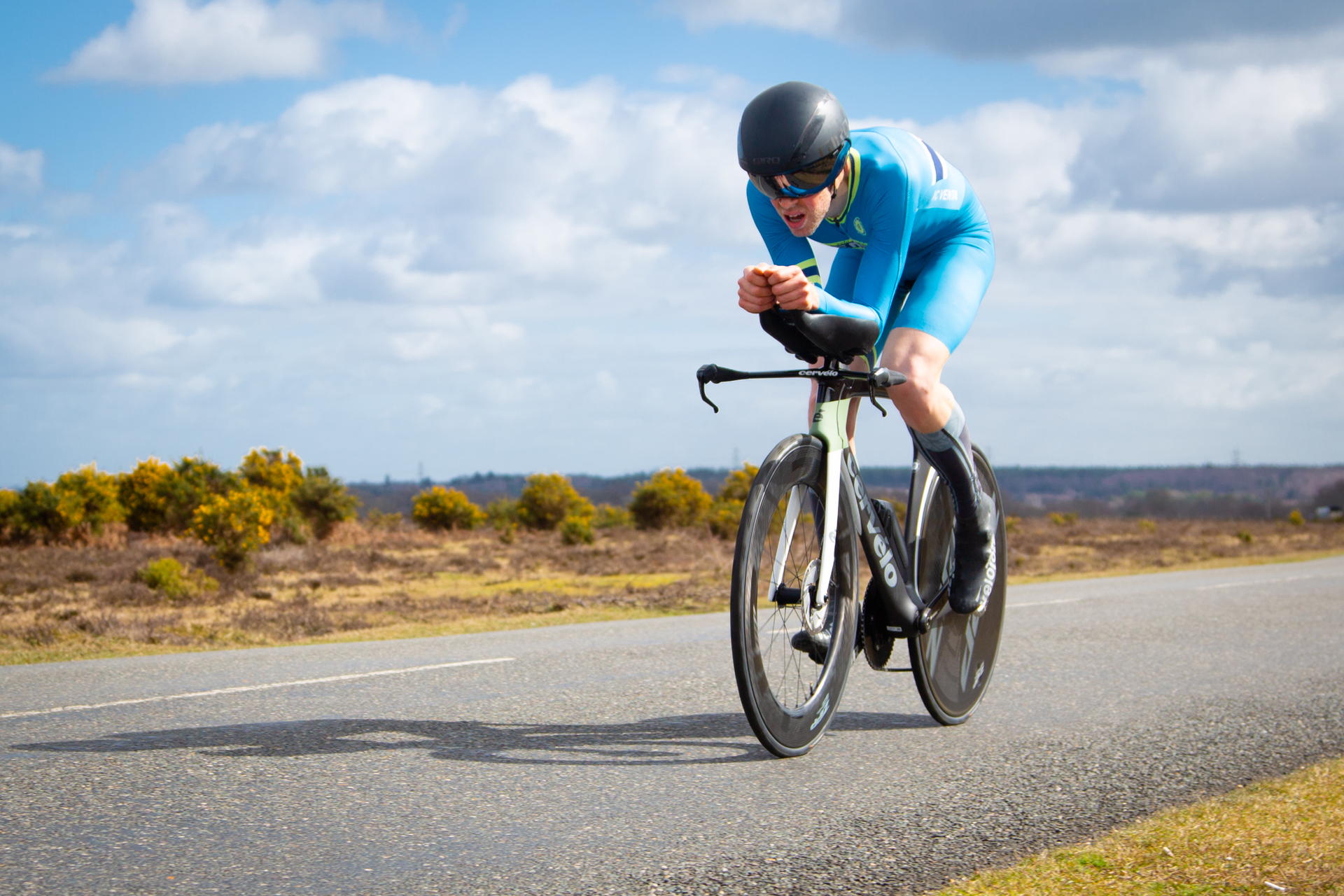
Image Source: theendurancehabit.com
Deciphering Your 50-Mile Cycling Duration
When we talk about calculating 50 mile bike ride duration, we’re essentially looking at how much time you’ll spend pedaling, plus any stops. Several factors play a crucial role in this calculation. Let’s break them down.
Average Speeds and Their Impact
The most significant factor in your realistic time for 50 mile cycling is your average speed. This is not your top speed, but the speed you can maintain consistently over the entire distance.
- Beginner Cyclist: Someone new to cycling or who rides casually might average between 10-12 miles per hour (mph).
- Intermediate Cyclist: Those who ride regularly and have built some fitness might average 12-15 mph.
- Experienced/Advanced Cyclist: Fit individuals who train regularly and ride often can average 15-20 mph or even higher.
Let’s look at how this translates into time:
| Average Speed (mph) | Estimated Time (Hours) | Estimated Time (Hours:Minutes) |
|---|---|---|
| 10 mph | 5.0 | 5:00 |
| 12 mph | 4.17 | 4:10 |
| 14 mph | 3.57 | 3:35 |
| 16 mph | 3.13 | 3:08 |
| 18 mph | 2.78 | 2:47 |
| 20 mph | 2.5 | 2:30 |
These are purely pedaling times. Remember to add time for stops.
Factors Affecting Your 50-Mile Cycling Time
Beyond your raw speed, many other elements influence how long your 50-mile journey will take.
Terrain and Elevation Gain
The type of terrain you encounter can drastically change your speed and effort.
- Flat Terrain: If the 50 miles are on mostly flat roads, your average speed will likely be higher.
- Hilly Terrain: Hills require more effort and slow you down. Significant elevation gain will increase your overall ride time. A 50-mile ride with 3,000 feet of climbing will take considerably longer than 50 miles on flat ground.
- Mixed Terrain: A combination of flats and hills will fall somewhere in between.
Wind Conditions
Wind is another major external factor.
- Headwind: Riding into a headwind is like pedaling through treacle. It significantly reduces your speed and increases your effort.
- Tailwind: A tailwind, on the other hand, can be a welcome boost, pushing you along and increasing your average speed with less effort.
- Crosswinds: Crosswinds can make handling your bike more difficult and can still impact your speed.
Bike Type and Maintenance
The type of bike you ride and its condition matter.
- Road Bike: Designed for speed on paved surfaces, they generally allow for faster average speeds.
- Hybrid Bike: A good all-rounder, suitable for various surfaces, but typically not as fast as a road bike.
- Mountain Bike: Designed for off-road terrain, they have knobbier tires and suspension that create more rolling resistance, making them slower on pavement.
- Bike Maintenance: A well-maintained bike with properly inflated tires, a clean and lubricated chain, and good brakes will perform better and allow for a more efficient ride.
Rider Fitness and Experience
Your personal fitness level and cycling experience are paramount.
- Fitness Level: The more aerobically fit you are, the longer you can sustain a higher power output, leading to a faster average speed.
- Cycling Experience: Experienced cyclists are often more efficient with their pedaling technique, better at pacing themselves, and more adept at handling different conditions.
Weather Conditions
Beyond wind, other weather elements play a role.
- Temperature: Extreme heat can lead to dehydration and fatigue, slowing you down. Extreme cold can make it uncomfortable and require more energy to stay warm.
- Rain: Wet roads can be slippery, making braking and cornering more cautious. It can also increase rolling resistance if the roads are full of puddles.
Stops and Breaks
No one rides 50 miles without stopping!
- Rest Stops: Taking breaks to rest, refuel, or stretch is essential, especially for longer rides.
- Traffic Lights/Intersections: If your route involves a lot of stop-and-go traffic, this will add to your overall time.
- Mechanical Issues: Flat tires or other mechanical problems can add unplanned time to your ride.
Comprehending Your Comfortable Pace for 50 Mile Bike Ride
Finding your comfortable pace for 50 mile bike ride is key to enjoying the experience and completing the distance without burning out. This pace is typically one where you can hold a conversation without gasping for breath, often referred to as an “easy” or “conversational” pace. For many, this falls within the 12-15 mph range.
What is a Realistic Time for 50 Mile Cycling?
For most recreational riders, a realistic time for 50 mile cycling falls between 3.5 to 5 hours. This includes some brief stops for water or a snack. Advanced riders might aim for under 3 hours, while those prioritizing enjoyment and exploration might take longer.
Preparing for Your 50-Mile Cycling Adventure
Proper preparation is essential for a successful and enjoyable 50-mile bike ride. This involves training, nutrition, hydration, and having the right gear.
50 Mile Bike Ride Training: Building Your Endurance
50 mile bike ride training should be a progressive process. You wouldn’t jump into running a marathon without training, and the same applies to a 50-mile bike ride.
Progressive Long Rides
The cornerstone of your training will be gradually increasing the distance of your weekend rides.
- Start Small: If you’re currently riding 10-15 miles, start by increasing your long ride by no more than 10-20% each week.
- Build Up: Aim to comfortably ride 30-35 miles a few weeks before your 50-mile target. This builds the necessary endurance.
- Listen to Your Body: Don’t push too hard too soon. Rest days are crucial for muscle recovery and preventing injury.
Incorporate Different Types of Rides
Varying your training will make you a more well-rounded cyclist.
- Tempo Rides: Rides where you maintain a comfortably hard pace for a sustained period (e.g., 30-60 minutes).
- Hills Repeats: If your 50-mile route has hills, practice climbing them by doing repeats.
- Recovery Rides: Short, very easy rides to promote blood flow and aid recovery.
Consistency is Key
Regular riding throughout the week is more effective than sporadic long rides. Aim for 2-3 shorter rides during the week, in addition to your longer weekend ride.
Cross-Training
Activities like swimming, running, or strength training can complement your cycling by building overall fitness and preventing muscle imbalances.
Nutrition and Hydration: Fueling Your Ride
Proper fueling before, during, and after your ride is critical for endurance cycling 50 miles.
Before the Ride
- Carbohydrates: Consume a carbohydrate-rich meal 2-3 hours before your ride. Oatmeal, pasta, or bread are good choices.
- Hydration: Start hydrating well in advance. Drink water throughout the day leading up to the ride.
During the Ride
- Hydration: Aim to drink 16-24 ounces of fluid per hour. Water is essential, but for rides over an hour, an electrolyte drink can help replace lost salts.
- Fueling: For a 50-mile ride, you’ll need to consume calories regularly. Aim for 30-60 grams of carbohydrates per hour, starting after the first hour.
- Good sources: Energy gels, energy bars, bananas, dried fruit, or energy chews.
- Pacing: Eat small amounts frequently rather than one large meal.
After the Ride
- Replenish: Within 30-60 minutes after finishing, consume a mix of carbohydrates and protein to help your muscles recover. A recovery drink, chocolate milk, or a meal containing both are excellent options.
Essential Gear for Your 50-Mile Journey
Having the right gear can make the difference between a smooth ride and a frustrating one.
The Bicycle
- Fit: Ensure your bike is properly fitted to you. A poorly fitting bike can lead to discomfort and inefficient pedaling.
- Maintenance: Make sure your bike is in good working order: check brakes, gears, tire pressure, and lubrication.
Clothing
- Padded Cycling Shorts: These are non-negotiable for comfort on a long ride.
- Moisture-Wicking Jersey: Helps keep you dry and comfortable.
- Cycling Gloves: Provide grip and cushioning for your hands.
- Helmet: Safety first! Always wear a properly fitted helmet.
- Eyewear: Protects your eyes from sun, wind, and debris.
- Cycling Shoes and Pedals: Offer better power transfer and efficiency.
Tools and Spares
- Spare Tube: Absolutely essential.
- Tire Levers: To remove and reinstall your tire.
- Mini-Pump or CO2 Inflator: To inflate your tire.
- Multi-tool: For minor adjustments.
- Patch Kit: For minor punctures if you run out of tubes.
Nutrition and Hydration Carriers
- Water Bottles/Cages: Carry enough fluid.
- Saddle Bag or Jersey Pockets: To store your food and tools.
Navigation and Safety
- GPS Device or Smartphone with Navigation App: To follow your route.
- Identification and Emergency Contact Information: Always carry this.
- Lights: Front and rear lights, even for daytime riding, improve visibility.
Calculating 50 Mile Bike Ride Duration: A Closer Look
Let’s revisit calculating 50 mile bike ride duration with more detail. The core formula is simple:
Time = Distance / Speed
However, as we’ve discussed, the “Speed” here is your average moving speed. This average speed is influenced by everything that slows you down.
The Importance of Average Moving Speed
When estimating your time, it’s vital to consider your average moving speed rather than just your cruising speed. This accounts for the time you spend not actively pedaling, like at stoplights or brief pauses.
Total Time = (Distance / Average Moving Speed) + Stop Time
If you aim for an average moving speed of 14 mph over 50 miles:
Time spent cycling = 50 miles / 14 mph = 3.57 hours
Now, let’s say you anticipate 30 minutes of stops (two 15-minute breaks or several shorter stops):
Total Time = 3.57 hours + 0.5 hours = 4.07 hours
4.07 hours is approximately 4 hours and 4 minutes.
Factors for Your 50 Mile Cycling Time Estimate
When creating your 50 mile cycling time estimate, use the following framework:
- Estimate Your Average Speed: Be realistic based on your training and the expected terrain.
- Calculate Base Cycling Time: Use the formula Time = Distance / Speed.
- Estimate Stop Time: Consider how many stops you might need for hydration, snacks, restroom breaks, or mechanical checks. For a 50-mile ride, 5-10 minutes per hour of riding for stops is a reasonable starting point, but this can vary greatly.
- Add Buffer Time: Always add a buffer for unexpected issues like traffic, headwinds, or simply needing a longer break.
Example Scenario: Moderate Hills, Average Fitness
- Distance: 50 miles
- Estimated Average Moving Speed: 13 mph (typical for moderate hills and average fitness)
- Base Cycling Time: 50 miles / 13 mph = 3.85 hours (approx. 3 hours and 51 minutes)
- Estimated Stop Time: Assume 5 stops of 10 minutes each = 50 minutes
- Total Estimated Time: 3 hours 51 minutes + 50 minutes = 4 hours 41 minutes
Now, add a 15-minute buffer for unforeseen circumstances:
- Final Realistic Estimate: 4 hours 56 minutes.
This gives you a solid 50 mile bike ride time to aim for.
Achieving Your 50-Mile Goal: Tips for Success
Whether you’re a seasoned cyclist or embarking on this distance for the first time, here are some tips to help you conquer your 50 miles.
Pacing Strategy
- Start Conservatively: Don’t go out too hard. It’s easy to get caught up in the excitement and push too fast, only to burn out later.
- Find Your Rhythm: Settle into a steady, sustainable pace. The goal is to finish strong, not to sprint the first 10 miles.
- Break It Down: Think of the ride in smaller segments – perhaps 10-mile chunks or landmark to landmark.
Mental Preparation
- Visualize Success: Imagine yourself completing the ride comfortably.
- Stay Positive: There will be challenging moments. Focus on your breathing, your surroundings, and your progress.
- Break Down Mental Barriers: If you feel like you can’t go on, remind yourself of your training and your goal.
Dealing with Discomfort
- Saddle Sores: Use chamois cream to prevent chafing. Ensure your shorts are clean and don’t have any irritating seams.
- Fatigue: This is normal on a long ride. Make sure you’re fueling and hydrating consistently.
- Muscle Soreness: Proper stretching and hydration can help mitigate this.
Route Selection
- Familiarity: If possible, ride parts of your planned route during training to familiarize yourself with the terrain and any potential challenges.
- Safety: Choose routes that are safe, with good road surfaces and minimal traffic if possible.
Frequently Asked Questions (FAQ)
Here are some common questions about biking 50 miles:
- Q1: How much water do I need for a 50-mile bike ride?
A1: For a 50-mile ride, you should aim to drink about 16-24 ounces of fluid per hour. This means carrying at least 2-3 large water bottles (around 750ml each) or using a hydration pack. Adjust this based on the weather conditions; you’ll need more in hot weather. - Q2: What should I eat before a 50-mile bike ride?
A2: The best pre-ride meal is one that is rich in carbohydrates and easy to digest. A good option is a meal with pasta, rice, or bread eaten 2-3 hours before your ride. Avoid fatty or overly fibrous foods that could cause digestive issues. - Q3: Do I need special cycling clothes for 50 miles?
A3: While not strictly mandatory, padded cycling shorts are highly recommended for comfort on rides of this length. They significantly reduce chafing and pressure points. A moisture-wicking jersey is also beneficial. - Q4: What if I get a flat tire?
A4: Having a spare tube, tire levers, and a pump or CO2 inflator is crucial. Practice changing a flat tire before your ride so you’re prepared. Knowing how to patch a tube can also be a lifesaver. - Q5: Is 50 miles considered a long bike ride?
A5: Yes, 50 miles is generally considered a long or “century” distance (a century is 100 miles, but 50 miles is a significant portion of that). It requires a decent level of fitness and preparation.
In conclusion, the time it takes to bike 50 miles is a personal journey influenced by your fitness, the terrain, and the conditions. By understanding these factors and preparing adequately, you can set realistic expectations and enjoy the rewarding experience of completing a 50-mile cycling adventure. Happy riding!