
Wondering how long it takes to charge your electric bike? Generally, charging an electric bike battery can take anywhere from 2 to 8 hours, depending on the battery’s size, the charger’s speed, and whether it’s a full charge or a top-up. This blog post will dive deep into everything you need to know to optimize your electric bike’s charging routine for performance and longevity.
Electric bikes are fantastic. They make cycling easier and more accessible for many. But like any electronic device, their batteries need power. Knowing how to charge your e-bike correctly ensures you get the most out of every ride and keep your battery in good shape for years. This guide will cover everything from typical charging times to factors affecting them, how to charge, and tips for extending your battery’s life.
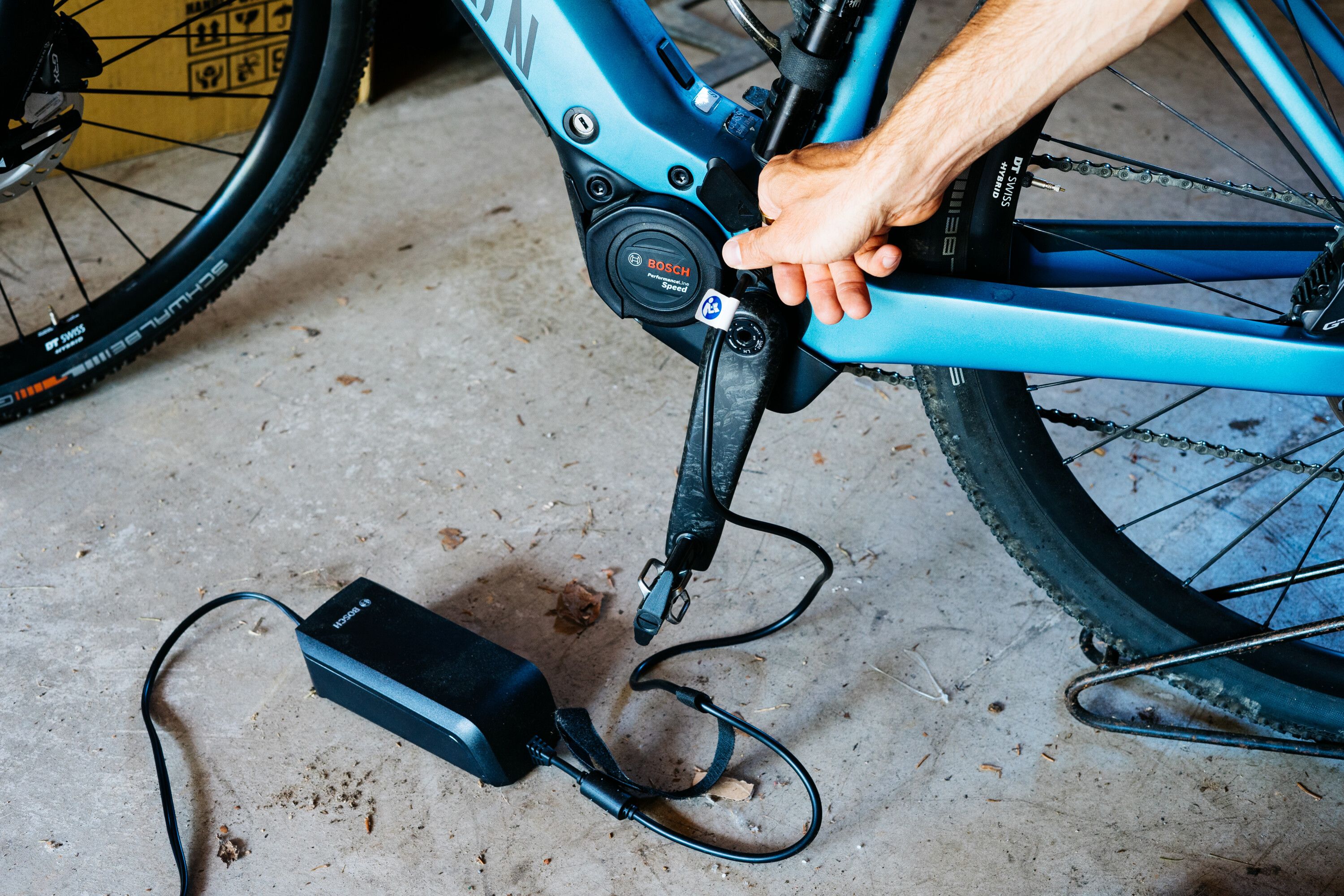
Image Source: hips.hearstapps.com
Deciphering Electric Bike Battery Charge Time
The electric bike battery charge time is a crucial factor for riders. It dictates how often you’ll need to plug in and can influence your riding plans. Let’s break down what goes into this.
Factors Influencing EV Bike Charging Duration
Several elements play a significant role in how long your EV bike charging duration will be.
- Battery Capacity (Amp-hours or Watt-hours): Larger batteries hold more energy, like bigger fuel tanks. A 500Wh battery will take longer to charge than a 300Wh battery, assuming the same charger.
- Charger Output (Amps): The charger is the “pump” delivering electricity. A higher amperage charger delivers power faster, reducing charging time. For example, a 4A charger will fill a battery quicker than a 2A charger.
- Battery State of Charge: Charging from 0% to 100% takes the longest. Topping up a battery that’s already at 50% will be much faster.
- Battery Health: An older battery might not accept a charge as quickly as a new one.
- Temperature: Very cold or very hot temperatures can slow down the charging process for safety reasons.
Standard Charging Times for E-bike Batteries
Most e-bike batteries fall into a similar charging time bracket.
| Battery Capacity (Wh) | Typical Charger Output (A) | Estimated Charge Time (Hours) |
|---|---|---|
| 300-400 | 2-3 | 3-6 |
| 400-500 | 2-4 | 4-7 |
| 500-750 | 3-5 | 5-8 |
| 750+ | 4-6 | 6-10+ |
Note: These are estimates. Always refer to your e-bike manufacturer’s specifications.
The Anatomy of an E-bike Power Cycle Length
The e-bike power cycle length refers to how long the battery can provide power. This is often measured in miles or hours of use. Charging directly impacts this.
Battery Voltage and Amperage: The Power Equation
- Voltage (V): Think of voltage as the “pressure” that pushes electricity. Common e-bike battery voltages are 36V, 48V, and 52V.
- Amp-hours (Ah): Amp-hours measure the battery’s capacity – how much current it can deliver over time. A higher Ah means a longer range.
- Watt-hours (Wh): This is the most comprehensive measure of battery capacity, calculated by Voltage x Amp-hours (Wh = V x Ah). It gives you a clearer picture of the total energy stored.
A longer e-bike power cycle length is achieved with a larger Wh capacity, which in turn means a longer charging time.
How to Charge an Electric Bike Effectively
Knowing how to charge an electric bike properly is key to maximizing battery life and performance. It’s not as simple as just plugging it in and walking away.
Step-by-Step Charging Guide
- Locate the Charging Port: This is usually on the battery itself or on the bike frame where the battery connects.
- Remove the Battery (Optional but Recommended): For many bikes, you can remove the battery to charge it indoors. This is often easier and safer. Check your manual.
- Connect the Charger: Plug the charger into a wall outlet first, then connect the charging cable to the battery’s port.
- Monitor Charging: Most chargers have indicator lights. Green usually means fully charged, while red or orange indicates charging.
- Unplug When Fully Charged: Avoid leaving the battery plugged in for extended periods after it’s reached 100%.
- Store Properly: If not using the bike for a while, store the battery at around 50-70% charge in a cool, dry place.
Using the Right Electric Bike Charger Speed
The electric bike charger speed is a critical component. Manufacturers often provide a standard charger, but faster chargers are available.
- Standard Chargers: These typically have lower amperage outputs (e.g., 2A or 3A) and will charge your battery more slowly, often taking 6-8 hours for a full charge. This is generally better for long-term battery health.
- Fast Chargers: These have higher amperage outputs (e.g., 4A, 5A, or more) and can significantly reduce charging time, sometimes by half. While convenient, using a fast charger exclusively can potentially stress the battery and shorten its lifespan if not managed correctly.
Important Consideration: Always use the charger specifically designed for your e-bike battery. Using an incompatible charger can damage the battery or pose a safety risk.
Maximizing Your Electric Bicycle Charging Cost and Efficiency
The electric bicycle charging cost is generally very low, especially compared to gasoline-powered vehicles.
- Cost Calculation:
- A typical e-bike battery might be 400Wh (0.4kWh).
- If electricity costs $0.15 per kWh, a full charge costs: 0.4 kWh * $0.15/kWh = $0.06.
- Even with daily charging, the monthly cost is minimal.
Optimizing for Efficiency
- Charge from a Wall Outlet: Avoid using inefficient power strips or long extension cords that can cause power loss.
- Charge During Off-Peak Hours: If your electricity provider offers time-of-use rates, charging overnight when rates are lower can save a tiny bit of money.
- Maintain Battery Health: A well-maintained battery charges more efficiently and lasts longer, indirectly saving you money on replacements.
Preserving E-bike Battery Lifespan
The e-bike battery lifespan is a significant investment. With proper care, most lithium-ion e-bike batteries can last 3-5 years or 500-1000 charge cycles.
E-bike Battery Health: Key Practices
Maintaining e-bike battery health is paramount.
- Avoid Deep Discharges: Don’t let the battery completely drain to 0% regularly. It’s better to recharge when it reaches around 20%.
- Avoid Constant Full Charges: While not as detrimental as deep discharges, leaving the battery plugged in for days after it’s fully charged isn’t ideal. Unplug it once it’s full.
- Temperature Control: Extreme heat or cold damages batteries. Store and charge your battery in moderate temperatures. Avoid leaving it in a hot car or direct sunlight.
- Gentle Handling: Avoid dropping or physically damaging the battery pack.
- Use the Right Charger: Always use the charger that came with your e-bike or a manufacturer-approved replacement.
The Best Time to Charge Electric Bike
The best time to charge electric bike batteries is when you need them. However, for long-term health:
- Charge after most rides: If you ride daily, charging after each ride, even if you only used a small portion of the battery, is good practice. This prevents deep discharges.
- Avoid charging immediately after intense use in extreme heat: Let the battery cool down for 30 minutes before charging.
- If storing the bike: Charge the battery to about 70% and store it in a cool place. Recharge it to 70% every 3-6 months.
Exploring Electric Bike Range Extender Charging
Some e-bikes offer electric bike range extender charging or additional battery packs.
How Range Extenders Work
An electric bike range extender charging system typically involves a second battery that connects to the bike, either in parallel with the main battery or as a replacement.
- Charging the Extender: The range extender battery is usually charged separately using its own charger, following the same best practices as the main battery.
- Charging Simultaneously: Some advanced systems might allow both batteries to charge from a single charger, but this is less common and requires specific hardware. Always check your bike’s manual.
The charging time for a range extender will depend on its capacity, just like the main battery.
Advanced Charging Strategies and Considerations
Let’s delve into some more nuanced aspects of e-bike charging.
Understanding Battery Management Systems (BMS)
Modern e-bike batteries have a Battery Management System (BMS). This is a small computer that:
- Monitors individual cell voltages.
- Prevents overcharging and over-discharging.
- Balances cell charge levels.
- Protects against short circuits and overheating.
The BMS is crucial for safety and battery longevity. It’s why you should never tamper with your battery pack or use unauthorized chargers.
Trickle Charging vs. Standard Charging
- Trickle Charging: This is a very low-power charge that maintains a full battery. While it can keep a battery topped up, leaving it in trickle charge for very long periods can sometimes lead to slight degradation over time. Most modern e-bike chargers are “smart” and stop charging once full, avoiding continuous trickle.
- Standard Charging: This is the normal process of bringing a battery from a lower state to a full charge.
What Happens During the Last 10-20% of Charging?
You might notice the charging speed slows down considerably when the battery is nearly full (e.g., from 80% to 100%). This is intentional. The BMS switches to a slower, more controlled charging mode (Constant Current / Constant Voltage – CC/CV) to protect the battery cells and ensure a complete, balanced charge without overstressing them. This is normal and good for e-bike battery health.
Troubleshooting Common Charging Issues
Sometimes, you might encounter problems.
Battery Not Charging
- Check Connections: Ensure the charger is securely plugged into both the wall and the battery.
- Inspect Charger and Cable: Look for any visible damage to the charger brick or the charging cable.
- Try a Different Outlet: Rule out a faulty wall socket.
- Clean Charging Port: Dust or debris can interfere with the connection. Gently clean the port with a dry cloth or compressed air.
- Battery Temperature: If the battery is too hot or too cold, the BMS might prevent charging. Let it return to room temperature.
- Battery BMS Fault: In rare cases, the BMS itself might be faulty. Contact the manufacturer.
Charging Stops Prematurely
- Overheating: If the battery or charger overheats, the BMS will temporarily stop charging to prevent damage. Ensure good ventilation around the battery and charger.
- Faulty Charger: The charger itself might be malfunctioning.
- Battery Cell Imbalance: If one cell within the battery pack is significantly different from the others, the BMS might halt charging to prevent damage.
Frequently Asked Questions (FAQ)
Can I leave my e-bike battery plugged in overnight?
It’s generally not recommended to leave your e-bike battery plugged in for days on end, even though modern chargers have safeguards. Unplug it once it indicates a full charge to prolong its lifespan.
Does charging my e-bike battery every day harm it?
No, charging your e-bike battery every day is usually fine, especially if you’re only using a portion of its capacity. It helps prevent deep discharges, which are more harmful. Just don’t leave it plugged in indefinitely.
How often should I fully charge my e-bike battery?
You don’t need to fully charge it every single time. Partial charges are perfectly acceptable and can even be beneficial for the battery’s long-term health. Aim to charge it when it gets below 20-30%.
Can I use a car charger for my e-bike?
Absolutely not. Using a car charger is extremely dangerous and will almost certainly damage your e-bike battery, potentially causing a fire. Always use the charger specifically designed for your e-bike model.
What does “charge cycles” mean for an e-bike battery?
A charge cycle refers to one complete discharge and recharge of the battery. For example, using half the battery one day and charging it, then using the other half the next day and charging it, counts as one full charge cycle.
Does cold weather affect charging time?
Yes, very cold temperatures can slow down the charging process. The battery’s internal resistance increases, and the BMS may limit the charging rate to protect the cells. It’s best to let a very cold battery warm up to room temperature before charging.
Is it bad to charge my e-bike in the rain?
Never charge your e-bike or its battery outdoors in the rain or in damp conditions. Water and electronics do not mix and can lead to short circuits or damage. Ensure both the charger and the battery are in a dry environment when charging.
How do I know if my e-bike battery needs replacing?
Signs include a significantly reduced range, the battery not holding a charge for long, or the battery taking an unusually long time to charge. If you suspect your battery is failing, consult your e-bike dealer.
Conclusion: Ride Further with Smart Charging
Mastering how long to charge electric bike batteries involves more than just knowing the numbers. It’s about adopting smart habits that prioritize both your riding convenience and the long-term health of your e-bike’s most crucial component – its battery. By paying attention to the electric bike battery charge time, utilizing the correct chargers, and following best practices for e-bike battery health, you’ll ensure consistent performance, extend the e-bike battery lifespan, and enjoy many miles of electrifying adventures. Happy riding!