
What is a good bike ride distance? A good bike ride distance varies greatly depending on your fitness level, goals, and available time. For beginners, a casual bike ride of 5-10 miles is a great starting point. More experienced cyclists might aim for 20-30 miles for a moderate ride, while those seeking endurance might tackle 50 miles or more.
The question of “how many miles is a good bike ride?” is one that many cyclists ponder, from those just starting out to seasoned road warriors. The simple answer is that there’s no single, universal mileage that defines a “good” bike ride. What constitutes a perfect outing for one person might be a grueling ordeal or a mere warm-up for another. Your personal fitness, the terrain you’re riding on, your goals for the ride, and the amount of time you have all play a crucial role in determining your optimal mileage.
This article will delve into the factors that influence what makes a bike ride “good” and provide some general guidelines for different types of cycling. We’ll explore how distance, cycling duration, and bike ride length are interconnected and how you can find your own sweet spot.
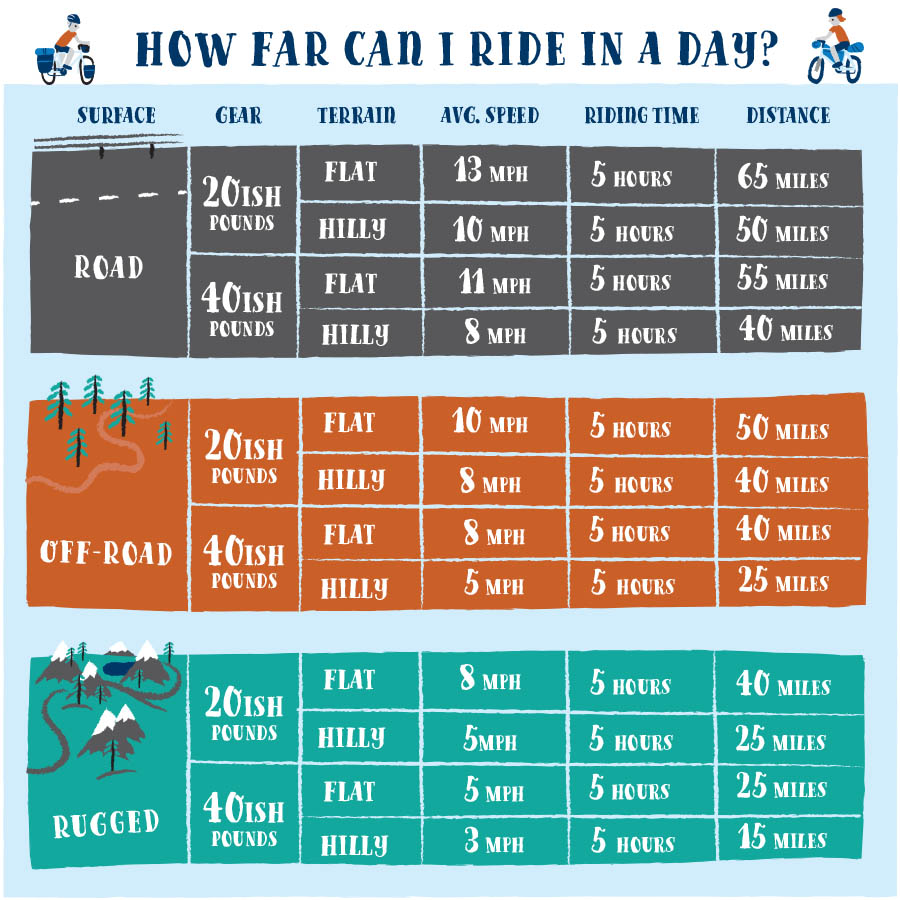
Image Source: www.adventurecycling.org
Key Factors Shaping Your Ideal Bike Ride Length
Deciphering how many miles you should aim for involves considering several interconnected elements. It’s not just about the number on the odometer; it’s about the experience and the outcome you’re seeking.
Your Current Fitness Level
This is perhaps the most significant factor. If you’re new to cycling or returning after a break, your body needs time to adapt. Pushing too hard too soon can lead to fatigue, injury, and discouragement.
- Beginners: Starting with shorter rides, perhaps 5-10 miles, allows your cardiovascular system and muscles to get accustomed to the activity. Focus on consistency and enjoying the ride rather than a specific distance.
- Intermediate Cyclists: Once you can comfortably complete 10-15 miles, you can gradually increase your bike ride length. Aiming for 15-25 miles is a good target for a moderate ride. This allows for sustained effort and builds endurance.
- Advanced Cyclists: For those with a solid fitness base, 30+ miles might be a comfortable distance. You might be looking at long distance cycling or endurance riding, where the focus is on maintaining a consistent pace for extended periods.
Your Cycling Goals
Why are you riding your bike? Your purpose will dictate your recommended distance.
- Casual Cycling for Enjoyment: If your goal is simply to enjoy the scenery, get some fresh air, and have a relaxed time, a shorter, more leisurely ride might be perfect. A casual bike ride of 5-15 miles can be incredibly rewarding. The pace is relaxed, and the focus is on the experience.
- Fitness and Health: For fitness cycling, you might aim for a distance that gets your heart rate up and provides a good cardiovascular workout. This could mean 10-20 miles at a slightly brisker pace, or even shorter distances done with higher intensity intervals.
- Training for an Event: If you’re training for a specific event like a century ride (100 miles) or a charity bike tour, your training rides will need to progressively increase in distance to build up the necessary endurance riding capabilities.
- Commuting: If you use your bike to get to work or run errands, the “good” distance is simply the distance you need to cover to reach your destination.
Terrain and Route
The type of roads or trails you ride on significantly impacts the perceived difficulty and the achievable distance.
- Flat Terrain: On flat, smooth roads, you can cover more miles in a given amount of time and with less effort. A 20-mile ride on flat ground might feel much easier than a 10-mile ride with significant hills.
- Hilly Terrain: Climbing hills requires more energy and effort. A 15-mile ride with many climbs might be more challenging than a 30-mile ride on the flat. Factor in the elevation gain when planning your bike ride length.
- Off-Road Trails: Mountain biking or gravel riding can be more physically demanding due to rough surfaces, technical sections, and varied terrain. A 10-mile trail ride can feel like a substantial workout.
Time Availability
How much time do you have for your ride? This is a practical constraint that will influence your bike ride length.
- Short on Time: Even a 30-minute ride can be beneficial. This might equate to 5-8 miles depending on your pace and terrain.
- More Time Available: If you have a few hours, you can extend your distance and enjoy a longer outing. This is where you might comfortably tackle 20, 30, or even 40 miles.
Weather Conditions
The weather can also play a role in how far you comfortably ride. Riding in extreme heat, strong headwinds, or cold temperatures can reduce your distance or make the ride feel much harder.
General Mileage Guidelines by Cycling Type
To give you a clearer picture, here are some general mileage ranges considered “good” for different types of cycling and fitness levels. Remember, these are starting points, and you should always listen to your body.
Casual Bike Ride
A casual bike ride is all about enjoyment and relaxation. The pace is typically slow to moderate, and the focus is on exploring your surroundings and taking in the experience.
- Distance: 5-15 miles
- Cycling Duration: 30 minutes to 1.5 hours
- Focus: Enjoyment, light exercise, exploration.
- Who it’s good for: Beginners, those seeking a relaxed outing, families, people recovering from illness or injury.
Fitness Cycling
This type of cycling has a more defined fitness objective. You’re looking to get your heart rate up, burn calories, and improve your cardiovascular health.
- Distance: 10-25 miles
- Cycling Duration: 45 minutes to 2 hours
- Focus: Cardiovascular improvement, calorie burning, building a base fitness.
- Who it’s good for: Individuals looking to improve their health, those training for casual events, people wanting a solid workout without extreme exertion. This range often represents a good moderate ride.
Endurance Riding
Endurance riding or long distance cycling involves sustained effort over longer periods. The goal is to build stamina and the ability to ride for many hours.
- Distance: 25-50+ miles
- Cycling Duration: 1.5 hours to several hours
- Focus: Building stamina, improving aerobic capacity, preparing for longer events.
- Who it’s good for: Experienced cyclists, those training for marathons, century rides, or multi-day cycling tours. This type of cycling often requires specific nutrition and hydration strategies.
Gradual Progression: How to Increase Your Bike Ride Length
If you’re looking to increase the distance of your bike rides, a gradual and smart approach is key. Jumping into long distance cycling without proper preparation can lead to burnout or injury.
The 10% Rule
A common guideline for increasing training volume, including cycling distance, is the 10% rule. This suggests that you shouldn’t increase your weekly mileage by more than 10% from the previous week.
- Example: If you rode a total of 30 miles last week, aim for no more than 33 miles this week.
- Applying it to a single ride: If your longest ride last week was 15 miles, your longest ride this week could be around 16-17 miles.
Listen to Your Body
This is paramount. If you feel excessive fatigue, pain, or discomfort, it’s a sign that you might be doing too much, too soon. Rest and recovery are just as important as the ride itself.
Incorporate Different Ride Types
Varying your bike ride length and intensity can be more beneficial than simply doing the same distance every time.
- Longer, Slower Rides: These are crucial for building endurance riding capacity. Focus on maintaining a comfortable pace for an extended period.
- Shorter, Faster Rides: These rides can improve your speed and power. They might not cover as much distance, but they can still be highly beneficial for fitness cycling.
- Interval Training: Alternating between periods of high intensity and recovery can significantly boost your fitness.
Nutrition and Hydration
As you increase your distance, paying attention to what you eat and drink becomes more critical.
- Before the Ride: Ensure you’re well-hydrated and have had a balanced meal or snack a couple of hours prior.
- During the Ride: For rides longer than an hour, you’ll want to consume energy in the form of sports drinks, gels, or energy bars. Sip water or electrolyte drinks consistently.
- After the Ride: Replenish your energy stores with a mix of carbohydrates and protein to aid recovery.
Bike Maintenance and Comfort
A well-maintained bike is essential for any ride, especially longer ones. Ensure your tires are properly inflated, brakes are working, and your gears shift smoothly. Also, a comfortable saddle and proper bike fit can make a huge difference in your ability to ride further.
What’s a “Good” Mileage for Different Cyclists?
Let’s break down some recommended distance ranges for various scenarios.
The Beginner Cyclist
- Goal: Get comfortable on the bike, build basic fitness, enjoy the experience.
- Good Distance: 5-10 miles.
- Considerations: Focus on flat terrain, take breaks, and don’t worry about speed. The goal is to complete the ride feeling good, not exhausted. A 5-mile ride might take 20-30 minutes, while a 10-mile ride could be 40-60 minutes.
The Recreational Cyclist
- Goal: Regular exercise, exploring local trails or roads, social rides.
- Good Distance: 15-25 miles.
- Considerations: This range allows for a good cardiovascular workout. You can explore further afield and enjoy a decent amount of cycling duration. Hills can be incorporated more readily.
The Fitness-Focused Cyclist
- Goal: Improve cardiovascular health, increase strength, burn calories.
- Good Distance: 20-35 miles.
- Considerations: This mileage allows for sustained effort, potentially at a higher intensity than a casual ride. Incorporating hills or some faster-paced sections is common here for fitness cycling.
The Century Rider (or Long-Distance Enthusiast)
- Goal: Prepare for events like 100-mile rides, or simply enjoy extended cycling.
- Good Distance: 40-70+ miles for training rides, building up to 100 miles or more for event day.
- Considerations: This is where long distance cycling and endurance riding come into play. Training requires consistent increases in bike ride length and cycling duration, along with careful attention to nutrition, hydration, and pacing. Longer rides might require multiple days of preparation.
Measuring Your “Good” Ride
How do you know if your chosen distance was indeed “good”?
- Feeling After the Ride: Do you feel invigorated or excessively drained? A good ride should leave you feeling accomplished, perhaps a little tired, but ready to recover and ride again.
- Achieving Your Goals: Did you meet your objective for the ride, whether it was to explore a new area, get in a certain amount of exercise, or practice a specific skill?
- Enjoyment Factor: Ultimately, a good bike ride is one you enjoyed. If you dreaded every moment or were in constant pain, the distance might have been too much for your current level.
Frequently Asked Questions (FAQ)
Q1: How many miles should a beginner ride on their first bike ride?
A1: For a very first ride, start with 3-5 miles. The focus should be on getting comfortable with the bike, traffic rules, and your body’s response. You can gradually increase this to 5-10 miles in subsequent rides.
Q2: What is a good average speed for a bike ride?
A2: Average speed varies greatly. For a casual ride, 10-12 mph is common. For fitness cycling, 14-18 mph is typical. Experienced road cyclists can average 20 mph or more. It’s more important to focus on distance and cycling duration relative to your fitness than on achieving a specific speed.
Q3: How often should I go for a bike ride?
A3: For general fitness, riding 2-3 times a week is a good starting point. If you’re training for an event, you might ride more frequently, ensuring adequate rest days.
Q4: Can I ride 50 miles if I’ve only ridden 10 miles before?
A4: It’s not recommended to jump from 10-mile rides to 50-mile rides without a progressive training plan. You should gradually increase your bike ride length over several weeks or months to build the necessary endurance riding capabilities.
Q5: Is it better to ride longer distances or shorter, more intense rides?
A5: Both have their benefits. Longer rides build aerobic endurance, while shorter, intense rides improve speed and power. A well-rounded fitness plan often includes a mix of both. For a general moderate ride, a balance is often struck.
Q6: How much water should I drink on a bike ride?
A6: For rides under an hour, water is usually sufficient. For longer rides (over an hour), consider an electrolyte drink. A general guideline is to drink about 16-24 ounces of fluid per hour of riding, adjusting for heat and intensity.
Q7: What are common mistakes people make when determining their bike ride length?
A7: Common mistakes include overestimating their current fitness, not accounting for terrain, neglecting proper hydration and nutrition for longer rides, and not allowing for adequate recovery between rides. Focusing solely on distance without considering the overall context can lead to disappointment.
Q8: How can I make longer bike rides more enjoyable?
A8: Plan interesting routes, ride with friends, carry snacks you enjoy, listen to music or podcasts (if safe to do so), and focus on the scenery. Breaking a long ride into smaller segments mentally can also help.
Q9: What is the difference between fitness cycling and endurance riding?
A9: Fitness cycling often focuses on general health, calorie expenditure, and moderate effort over shorter to medium distances. Endurance riding specifically targets the ability to sustain effort over extended periods and greater bike ride lengths, building stamina and aerobic capacity for events or very long outings.
Q10: How do I know if I’m riding too far?
A10: Signs you might be riding too far or too intensely include extreme fatigue that lasts for days, persistent muscle soreness, joint pain, a decrease in performance, irritability, and a loss of motivation for cycling. Always prioritize recovery and gradual progression to avoid overtraining. A “good” ride should be sustainable and enjoyable.