
So, how many miles should you bike weekly for fitness and weight loss? For general fitness, aiming for 30-60 miles per week is a good starting point. For significant weight loss, increasing that to 60-100 miles or more per week, combined with a healthy diet, will yield better results.
Cycling is a fantastic way to boost your fitness and shed unwanted pounds. But how much is enough? The answer isn’t a simple one-size-fits-all. It depends on your current fitness level, your weight loss goals, and your overall health. Let’s dive into the details to help you set effective bike mileage goals.
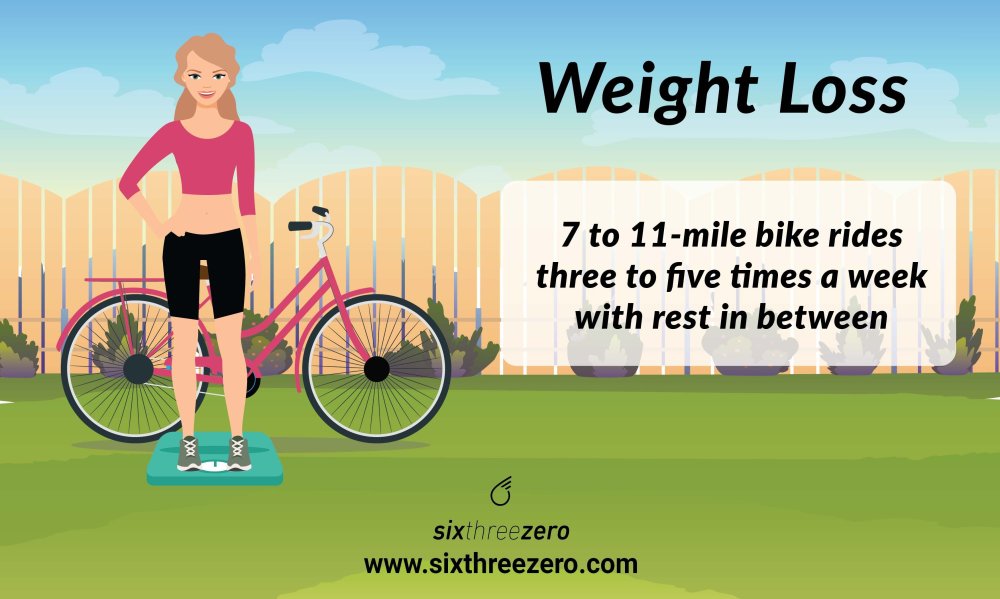
Image Source: images.ctfassets.net
Starting Your Cycling Journey: Beginner Bike Mileage
If you’re transitioning from a sedentary lifestyle to cycling, starting slow and steady is key. Pushing yourself too hard too soon can lead to injury and burnout. The focus here is on building a consistent habit and improving your cardiovascular health.
- Initial Goal: Aim for 10-15 miles per week.
- Frequency: Spread this over 2-3 rides.
- Duration: Start with 20-30 minute rides.
- Intensity: Keep it at a comfortable pace where you can still hold a conversation. This is crucial for building an aerobic base.
As you get comfortable, gradually increase the duration and frequency of your rides. Don’t worry too much about cycling distance at this stage; consistency is more important. You might find yourself doing 5-mile rides a few times a week. This is a great start!
Building Endurance: Intermediate Cycling Distance
Once you can comfortably complete your initial weekly mileage, it’s time to start increasing your weekly cycling targets. This is where you’ll really start to see improvements in your cycling fitness.
- Increased Mileage: Aim to build up to 30-60 miles per week.
- Ride Structure: You can now incorporate longer rides. Perhaps one longer ride of 15-20 miles on the weekend and shorter 10-15 mile rides during the week.
- Intensity Variation: Introduce some moderate-intensity efforts. This could mean picking up the pace for short bursts or riding on rolling hills. This variation challenges your body in new ways.
At this stage, you’re moving beyond just getting by and actively working towards specific fitness improvements. You might start noticing you can ride for longer without getting as tired, and your recovery time between rides is shorter. This is a clear sign of progress.
Elevating Your Fitness: Advanced Bike Training
For those who are serious about cycling fitness and want to maximize weight loss or improve performance, you’ll need to push your bike mileage goals higher.
- Higher Mileage: Aim for 60-100 miles or more per week.
- Structured Training: This level often involves more structured training plans, including interval training, hill repeats, and tempo rides.
- Long Distance Cycling: Incorporating long distance cycling rides, perhaps one 30-50 mile ride per week, becomes essential. These longer rides are excellent for fat burning and building mental toughness.
- Recovery: With higher mileage comes a greater need for proper recovery. This includes adequate sleep, nutrition, and rest days.
Advanced training might look like:
* Tuesday: 15 miles with hill repeats
* Thursday: 20 miles at a steady, moderate pace
* Saturday: 40 miles long ride
* Sunday: 10 miles easy recovery spin
This approach ensures you’re consistently challenging your body while allowing for necessary recovery to prevent overtraining.
How Cycling Helps with Weight Loss
Cycling is a calorie-burning powerhouse. The amount of calories you burn depends on several factors, including your weight, the intensity of your ride, and the duration.
- Calorie Burn: A 155-pound person can burn approximately 676 calories per hour cycling at a 16-20 mph pace. A more leisurely pace of 12-14 mph might burn around 498 calories per hour.
- Metabolism Boost: Regular cycling can also boost your metabolism, meaning you burn more calories even at rest.
- Muscle Building: While primarily an aerobic exercise, cycling also engages your leg and core muscles, contributing to lean muscle mass. More muscle means a higher resting metabolic rate.
To achieve significant weight loss, you need to be in a calorie deficit, meaning you burn more calories than you consume. Cycling is an excellent tool to help create this deficit. Combining your weekly cycling targets with a balanced, healthy diet is the most effective strategy for sustainable weight loss.
Factors Influencing Your Bike Mileage Goals
Setting realistic bike mileage goals requires considering several personal factors.
Your Current Fitness Level
- Sedentary Lifestyle to Cycling: If you’ve been inactive, start with shorter, less frequent rides. Your body needs time to adapt to the new demands. Don’t compare your progress to experienced cyclists.
- Active but Not Cycling: If you’re already active in other sports, you might be able to handle a slightly higher starting mileage, but remember that cycling uses muscles differently.
Your Weight Loss Goals
- Small Weight Loss: If your goal is to lose a few pounds and improve general fitness, a moderate cycling distance of 30-50 miles per week might be sufficient when combined with dietary changes.
- Significant Weight Loss: For substantial weight loss, you’ll likely need to increase your weekly cycling targets to 60-100 miles or more, again, in conjunction with a controlled diet. The more you move, the more calories you burn.
Time Availability
Be realistic about how much time you can dedicate to cycling each week. It’s better to set achievable daily bike miles or weekly goals that you can consistently meet rather than setting an ambitious target you can’t maintain.
- Busy Schedule: Even 15-20 minutes of cycling most days can make a difference. Perhaps aim for 3-4 short rides of 5-8 miles each week.
- More Time: If you have more time, you can incorporate longer rides and increase your overall cycling distance.
Health Conditions and Injuries
Always consult with a doctor or physical therapist before starting any new exercise program, especially if you have pre-existing health conditions or a history of injuries. They can help you tailor your bike mileage goals to your specific needs and limitations.
Creating a Cycling Plan
Let’s break down how to structure your cycling week for optimal results.
Sample Weekly Cycling Targets
Here are a few examples based on different goals:
1. Beginner/Re-engaging with Fitness:
- Goal: Build habit, improve general health.
- Total Weekly Mileage: 10-20 miles.
- Ride Structure:
- Ride 1: 30 minutes easy pace (e.g., 5 miles)
- Ride 2: 30 minutes easy pace (e.g., 5 miles)
- Ride 3: 45 minutes easy pace (e.g., 8-10 miles)
2. Intermediate/Fitness Improvement & Moderate Weight Loss:
- Goal: Increase cardiovascular fitness, burn more calories.
- Total Weekly Mileage: 40-60 miles.
- Ride Structure:
- Ride 1: 45 minutes moderate pace (e.g., 10-12 miles)
- Ride 2: 60 minutes with some hills or faster intervals (e.g., 15 miles)
- Ride 3: 90 minutes steady pace, slightly longer distance (e.g., 20 miles)
- Ride 4 (optional): 30 minutes easy spin (e.g., 7 miles)
3. Advanced/Performance & Significant Weight Loss:
- Goal: Maximize calorie burn, improve endurance and speed.
- Total Weekly Mileage: 70-100+ miles.
- Ride Structure:
- Ride 1: 60 minutes with interval training (e.g., 15-18 miles)
- Ride 2: 75 minutes steady tempo pace (e.g., 18-20 miles)
- Ride 3: 120 minutes long distance cycling (e.g., 30-35 miles)
- Ride 4: 45 minutes easy recovery spin (e.g., 10-12 miles)
- Ride 5 (optional): 60 minutes moderate effort (e.g., 15 miles)
Remember these are just examples. You should adjust them based on how you feel and your progress.
The Importance of Consistency
Whether you’re aiming for 20 miles or 100 miles a week, consistency is the most critical factor. Riding regularly, even for shorter durations, will yield better results than infrequent long rides.
- Builds Aerobic Base: Consistent rides help your body become more efficient at using oxygen.
- Sustains Motivation: Seeing regular progress can be a powerful motivator.
- Reduces Injury Risk: Your body adapts gradually, making it less susceptible to strains and sprains.
Progressive Overload
To continue making progress in cycling fitness and weight loss, you need to gradually increase the demands on your body. This is known as progressive overload.
- Increase Mileage: Add 5-10% to your weekly mileage each week or two.
- Increase Duration: Ride for longer each time.
- Increase Intensity: Ride faster, tackle more hills, or incorporate more challenging intervals.
- Increase Frequency: Add an extra ride day if your schedule allows.
Rest and Recovery
Your body doesn’t get stronger during exercise; it gets stronger during rest. Adequate rest is crucial for muscle repair and growth, and for preventing overtraining.
- Rest Days: Schedule at least one full rest day per week.
- Active Recovery: Light spinning or walking on rest days can aid recovery.
- Sleep: Aim for 7-9 hours of quality sleep per night.
Measuring Your Progress
Tracking your progress can be highly motivating and helps you adjust your bike mileage goals as needed.
Key Metrics to Track
- Distance: How many miles you cover.
- Time: How long you ride.
- Average Speed: How fast you’re going on average.
- Heart Rate: Monitor your effort level. Many fitness trackers and cycling computers do this.
- Perceived Exertion: How hard the ride felt on a scale of 1-10.
- Weight: Weigh yourself regularly (but not obsessively) to track weight loss.
- How You Feel: Notice improvements in energy levels, sleep quality, and overall mood.
Tools to Help You Track
- Cycling Computers/Bike Computers: Provide real-time data like speed, distance, and cadence.
- Fitness Trackers/Smartwatches: Offer heart rate monitoring and activity tracking.
- Smartphone Apps: Strava, Ride with GPS, MapMyRide are popular choices for tracking rides and analyzing data.
- Journals: A simple notebook can work wonders for logging rides and how you felt.
Frequently Asked Questions (FAQ)
Q1: Is cycling enough for weight loss on its own?
A1: Cycling is a very effective tool for weight loss, but it’s rarely enough on its own. For significant and sustainable weight loss, it’s crucial to combine your cycling efforts with a healthy, balanced diet that creates a calorie deficit. Think of cycling as a powerful calorie burner and metabolism booster that works best when paired with mindful eating.
Q2: How quickly can I expect to see results from cycling?
A2: Results vary greatly depending on your starting point, the intensity and consistency of your rides, and your diet. Many people report feeling fitter and having more energy within a few weeks. Visible weight loss can take anywhere from a few weeks to a few months, again, depending on the factors mentioned. Consistency is key to seeing and sustaining results.
Q3: Can I cycle every day?
A3: While some athletes cycle daily, it’s generally not recommended for most people, especially when starting out or aiming for general fitness and weight loss. Your body needs rest days for recovery and muscle repair. If you want to be active every day, consider alternating cycling days with active recovery activities like walking, swimming, or yoga. Listen to your body; if you feel persistent fatigue or pain, take a rest day.
Q4: What if I don’t have a lot of time to ride?
A4: Even short rides can be beneficial! If you only have 20-30 minutes, focus on higher intensity during that time. This could involve interval training (alternating between hard bursts of pedaling and easier recovery periods) or riding on hilly terrain. Short, intense workouts can still contribute significantly to calorie burn and fitness improvements, even if your daily bike miles are low.
Q5: How does cycling compare to running for weight loss?
A5: Both cycling and running are excellent calorie-burning exercises. Running tends to burn more calories per hour than cycling at a similar perceived exertion level because it’s a weight-bearing activity that engages more muscles. However, cycling is often less impactful on the joints, which can be a significant advantage for many people, reducing the risk of injury and allowing for more consistent training over time. The best exercise for you is the one you enjoy and will stick with consistently.
Q6: I have a sedentary lifestyle. What’s the best way to start cycling?
A6: The best way to start cycling from a sedentary lifestyle to cycling is to begin with short, leisurely rides. Focus on comfort and building a habit rather than distance or speed. Aim for 2-3 rides per week, each lasting 20-30 minutes, on flat terrain. Gradually increase the duration and frequency as your body adapts. Make sure your bike is properly fitted to you to prevent discomfort and injury.
By following these guidelines and listening to your body, you can set effective bike mileage goals that help you achieve your fitness and weight loss aspirations. Happy cycling!