
The most effective way to answer “how many miles should I bike to lose weight?” is to state that there’s no single magic number, as it depends on individual factors like your starting weight, metabolism, and the intensity of your rides. However, aiming for a consistent cycling routine that burns a significant number of calories is key for cycling weight loss.
Losing weight through cycling is a fantastic goal. It’s a low-impact activity that strengthens your cardiovascular system and burns a considerable amount of calories. But how much mileage do you actually need to cover to see results? This guide will break down the science behind calorie burn cycling and provide actionable advice for achieving your bike mileage for fat loss goals.
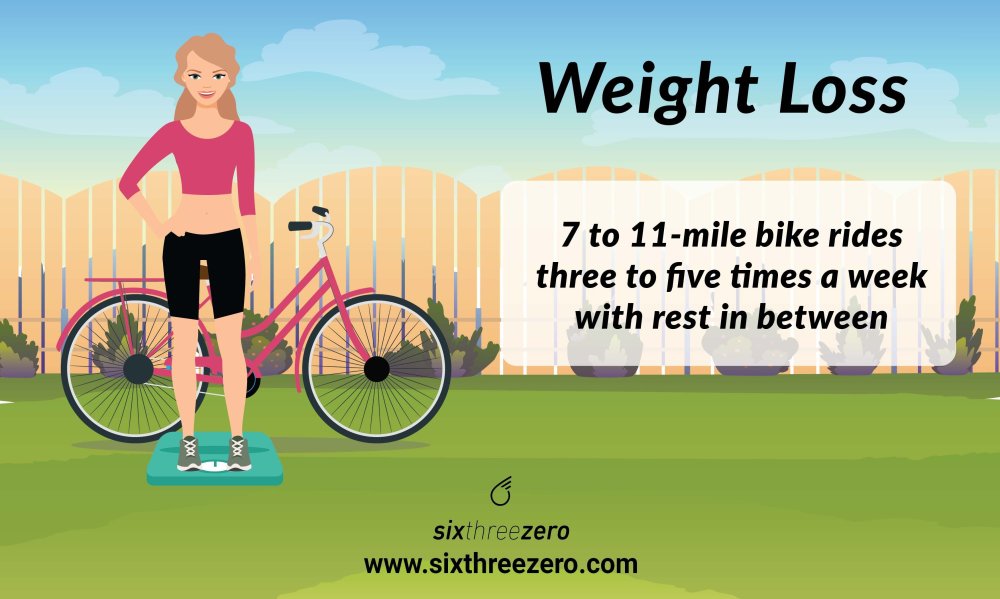
Image Source: images.ctfassets.net
Deciphering Your Calorie Needs for Weight Loss
Before we get into specific mileage, it’s crucial to grasp the fundamental principle of weight loss: you need to consume fewer calories than you burn. This is known as a calorie deficit. For every pound of fat you want to lose, you need to create a deficit of approximately 3,500 calories.
Cycling is a powerful tool to help you achieve this deficit. The number of calories you burn on a bike ride depends on several factors:
- Your Body Weight: Heavier individuals generally burn more calories than lighter individuals doing the same activity.
- The Intensity of Your Ride: Faster speeds, climbing hills, and interval training burn significantly more calories than leisurely cruising.
- The Duration of Your Ride: The longer you ride, the more calories you will burn.
- Your Metabolism: Individual metabolic rates can influence how efficiently your body burns calories.
Estimating Your Calorie Burn on the Bike
While precise calorie counters are difficult to achieve outside of a lab, we can use estimations. A common guideline is that a person can burn roughly 10-15 calories per pound of body weight per hour of moderate-intensity cycling.
Let’s look at some examples:
| Body Weight (lbs) | Moderate Cycling (Calories per Hour) | Vigorous Cycling (Calories per Hour) |
|---|---|---|
| 120 | 1,200 – 1,800 | 1,440 – 2,160 |
| 150 | 1,500 – 2,250 | 1,800 – 2,700 |
| 180 | 1,800 – 2,700 | 2,160 – 3,240 |
| 200 | 2,000 – 3,000 | 2,400 – 3,600 |
Note: These are estimates. Actual calorie burn can vary.
The Role of Intensity: Moderate vs. Vigorous Cycling
The intensity of your cycling workout plan weight loss is a significant factor. Moderate intensity cycling weight loss is beneficial and sustainable. This typically means you can talk, but not sing, during your ride. You should feel your heart rate elevate and start to sweat.
Cycling intensity and weight loss are directly correlated. When you push yourself harder, your calorie burn cycling increases dramatically. Vigorous cycling, where you can only speak a few words at a time, is excellent for rapid calorie burning and improving cardiovascular fitness.
Calculating Your Target Mileage: Putting it All Together
To determine how much cycling for weight loss you need, we’ll work backward from your weight loss goal and calorie deficit.
Let’s say you want to lose 1 pound per week. This means you need a weekly calorie deficit of 3,500 calories.
If you aim to achieve this deficit solely through cycling, you would need to burn an extra 500 calories per day (3,500 calories / 7 days).
Now, let’s connect this to mileage:
Example Scenario:
- Your Weight: 170 lbs
- Weight Loss Goal: 1 lb per week (3,500 calorie deficit)
- Daily Calorie Deficit Goal: 500 calories
If you burn approximately 12 calories per pound per hour at a moderate intensity, then for a 170 lb person:
170 lbs * 12 calories/lb/hour = 2,040 calories per hour.
To burn 500 calories at this rate:
500 calories / 2,040 calories/hour ≈ 0.245 hours.
0.245 hours * 60 minutes/hour ≈ 15 minutes of moderate cycling per day.
However, this calculation assumes you’re not also adjusting your diet. Most successful weight loss plans involve a combination of diet and exercise. If you reduce your calorie intake by 250 calories and burn 250 calories through cycling, you’ll reach your 500-calorie daily deficit.
Determining Daily Cycling Mileage for Weight Loss
For a 170 lb person aiming to burn 250 calories through cycling at a moderate intensity (around 12-14 mph), the required duration might be:
- Calorie Burn Rate: Roughly 600-700 calories per hour at 12-14 mph.
- To Burn 250 Calories: 250 calories / 650 calories/hour ≈ 0.38 hours.
- Duration: 0.38 hours * 60 minutes/hour ≈ 23 minutes.
- Distance (at 13 mph): 13 mph * 0.38 hours ≈ 4.9 miles.
So, for this individual, around 5 miles of moderate-intensity cycling daily could contribute to a healthy weight loss plan, assuming a dietary adjustment is also made.
This highlights that daily cycling mileage for weight loss isn’t a fixed number but rather a target duration and intensity that results in a desired calorie burn.
Creating Your Cycling Workout Plan for Weight Loss
A well-structured cycling workout plan weight loss is more effective than random rides. Here’s how to build one:
1. Consistency is Key: Cycling Frequency Weight Loss
Cycling frequency weight loss is paramount. Aim for at least 3-5 cycling sessions per week. More frequent rides, even shorter ones, can be more beneficial than one long, infrequent ride.
- Beginners: Start with 3 rides per week, 20-30 minutes each. Focus on building endurance and getting comfortable on the bike.
- Intermediate: Increase to 4-5 rides per week, 30-45 minutes each. Introduce some interval training.
- Advanced: Aim for 5-6 rides per week, 45-60+ minutes. Incorporate varied terrain and high-intensity intervals.
2. Varying Your Rides for Optimal Results
Don’t just do the same thing every time. Mix up your rides to challenge your body and prevent plateaus.
- Endurance Rides: Longer, steady-paced rides at a moderate intensity. These build aerobic capacity and burn a good amount of calories over time.
- Interval Training (HIIT): Short bursts of high-intensity pedaling followed by periods of recovery. This is excellent for boosting metabolism and improving fitness quickly.
- Hill Repeats: Riding up hills and recovering on the descent. This builds leg strength and is a great calorie burner.
- Tempo Rides: Rides at a pace that is comfortably hard, just below your maximum effort. This helps improve your lactate threshold.
3. Gradually Increasing Mileage and Intensity
If you’re new to cycling, don’t jump into long, strenuous rides immediately. Gradually increase your bike mileage for fat loss and intensity to avoid injury and burnout.
- Week 1-2: Focus on consistency and comfort. Ride 3 times a week for 20-30 minutes.
- Week 3-4: Increase ride duration by 5-10 minutes or add a short, slightly faster segment.
- Week 5-6: Introduce one interval session or a short hill climb per week. Increase total weekly mileage by 10%.
- Ongoing: Continue to challenge yourself by increasing duration, intensity, or frequency as your fitness improves.
Sample Cycling Workout Plan for Weight Loss (Beginner)
This plan is for someone new to cycling, aiming for weight loss.
Week 1:
- Ride 1: 25 minutes, easy pace, flat terrain.
- Ride 2: 25 minutes, easy pace, flat terrain.
- Ride 3: 30 minutes, easy pace, flat terrain.
Week 2:
- Ride 1: 30 minutes, easy pace, flat terrain.
- Ride 2: 30 minutes, easy pace, with 2-3 short (30-second) bursts of slightly faster pedaling.
- Ride 3: 35 minutes, easy pace, flat terrain.
Week 3:
- Ride 1: 35 minutes, easy pace, flat terrain.
- Ride 2: 30 minutes, moderate pace, incorporate a few gentle inclines if available.
- Ride 3: 40 minutes, easy pace, flat terrain.
Week 4:
- Ride 1: 40 minutes, easy pace, flat terrain.
- Ride 2: 35 minutes, moderate pace, include 3-4 intervals of 1 minute hard pedaling with 2 minutes easy recovery.
- Ride 3: 45 minutes, easy pace, flat terrain.
Continue to progressively increase duration, intensity, and frequency week by week. Listen to your body and adjust as needed.
Indoor Cycling vs. Outdoor Cycling for Weight Loss
Both indoor and outdoor cycling offer excellent benefits for cycling weight loss. The choice often comes down to convenience and personal preference.
Indoor Cycling (Exercise Bike)
An exercise bike weight loss approach offers several advantages:
- Controlled Environment: You can ride regardless of weather conditions.
- Precise Intensity: Many bikes have built-in metrics and resistance levels that allow for precise control over your workout intensity.
- Convenience: No need to prepare the bike, wear special gear (beyond comfortable clothes), or worry about traffic.
- Tracking: Many stationary bikes and connected apps provide detailed tracking of distance, speed, time, and calories burned.
When using an exercise bike, focus on maintaining a consistent cadence (pedal strokes per minute) and adjusting resistance to achieve your target heart rate zone. Many classes and programs are designed specifically for calorie burn cycling and fitness.
Outdoor Cycling
Riding outdoors provides a more immersive experience and engages different muscles due to varied terrain and the need for balance.
- Varied Terrain: Hills, wind, and changing road surfaces add an element of challenge and work different muscle groups.
- Mental Benefits: Being outdoors can improve mood and reduce stress, which can be helpful for sticking to a weight loss plan.
- Real-World Skills: You develop practical cycling skills, like navigating traffic and handling different surfaces.
For outdoor riding, the concept of bike mileage for fat loss becomes more about the effort you put in. A mile uphill will burn far more calories than a mile on a flat road.
Factors Influencing Your Weight Loss Journey
Beyond the mileage, other elements play a crucial role in successful cycling weight loss:
1. Diet and Nutrition
No amount of cycling can outrun a poor diet. For effective weight loss, your food intake needs to align with your calorie expenditure. Focus on whole, unprocessed foods, lean protein, plenty of vegetables, and healthy fats. Reducing sugar intake and processed carbohydrates is often a key step.
2. Sleep and Recovery
Adequate sleep (7-9 hours per night) is vital for muscle repair, hormone regulation, and overall recovery. Overtraining without sufficient rest can lead to burnout and hinder progress.
3. Hydration
Staying well-hydrated is crucial for optimal performance and metabolic function. Drink water throughout the day, especially before, during, and after your rides.
4. Listening to Your Body
Pay attention to how your body feels. If you experience pain, take a rest day or reduce the intensity of your workout. Pushing through sharp or persistent pain can lead to injury, setting back your progress significantly. Moderate intensity cycling weight loss is often more sustainable and safer than constantly pushing to exhaustion.
5. Setting Realistic Goals
Weight loss is a journey, not a race. Aim for a healthy and sustainable rate of weight loss, typically 1-2 pounds per week. Rapid weight loss can be unhealthy and difficult to maintain.
FAQs about Cycling and Weight Loss
Q1: How many miles should I bike per day to lose weight?
A1: There’s no one-size-fits-all answer. For many, aiming to burn an extra 250-500 calories through cycling most days of the week is a good starting point. This could translate to anywhere from 5-15 miles of moderate-intensity cycling per day, depending on your weight and the terrain.
Q2: Can I lose weight by cycling just 30 minutes a day?
A2: Yes, you can definitely lose weight by cycling 30 minutes a day, especially if you maintain a consistent pace and intensity. Combined with a healthy diet, 30 minutes of daily cycling can contribute significantly to a calorie deficit. The exact mileage covered will depend on your speed.
Q3: Does cycling intensity matter for weight loss?
A3: Absolutely! Cycling intensity and weight loss are closely linked. Higher intensity rides burn more calories in a shorter amount of time and can boost your metabolism even after your ride is over (the “afterburn effect”). However, moderate intensity cycling weight loss is also very effective and more sustainable for longer durations and building cardiovascular fitness.
Q4: What is the best type of cycling for weight loss?
A4: The best type of cycling for weight loss is the one you will do consistently. However, varying your rides with a mix of endurance, tempo, and interval training is highly effective for maximizing calorie burn cycling and preventing plateaus.
Q5: How much weight can I lose cycling 10 miles a day?
A5: If you weigh 150 lbs and cycle 10 miles at a moderate pace (e.g., 13 mph, which takes about 46 minutes), you might burn around 400-500 calories. If you maintain this consistently and are in a calorie deficit from your diet, you could lose close to a pound per week from this activity alone.
Q6: How important is diet when cycling for weight loss?
A6: Diet is incredibly important, arguably more so than exercise for weight loss. While cycling burns calories, controlling your food intake is essential for creating the calorie deficit needed to lose fat. Cycling complements a healthy diet by increasing your calorie expenditure and improving overall health.
Q7: Will cycling make my legs bigger?
A7: For most people, cycling, especially at moderate intensities, will help to tone and strengthen leg muscles but is unlikely to cause significant muscle hypertrophy (bulking up). If your goal is strictly weight loss, focusing on calorie deficit and endurance rides will prevent excessive muscle gain.
By understanding your body’s calorie needs, consistently engaging in cycling, and pairing it with a balanced diet, you can effectively use your bike to achieve your weight loss goals. Remember that how much cycling for weight loss you need is a personal equation, but consistency and intensity are your most powerful levers.