
To effectively bike for fitness and weight loss, the recommended daily bike ride varies based on your current fitness level, goals, and available time. For beginners, starting with 5-10 miles is a good way to build endurance and avoid injury. As you progress, increasing your daily cycling mileage can boost your fitness biking goals, contributing to significant cardiovascular benefits and aiding in weight management.
Cycling, a fantastic form of cardiovascular exercise biking, offers a low-impact way to improve your overall health and shed pounds. But the age-old question persists: “How many miles should you bike a day?” The answer isn’t a simple number; it’s a personalized journey. This guide will help you decipher your optimal cycling distance for both fitness gains and effective weight loss.
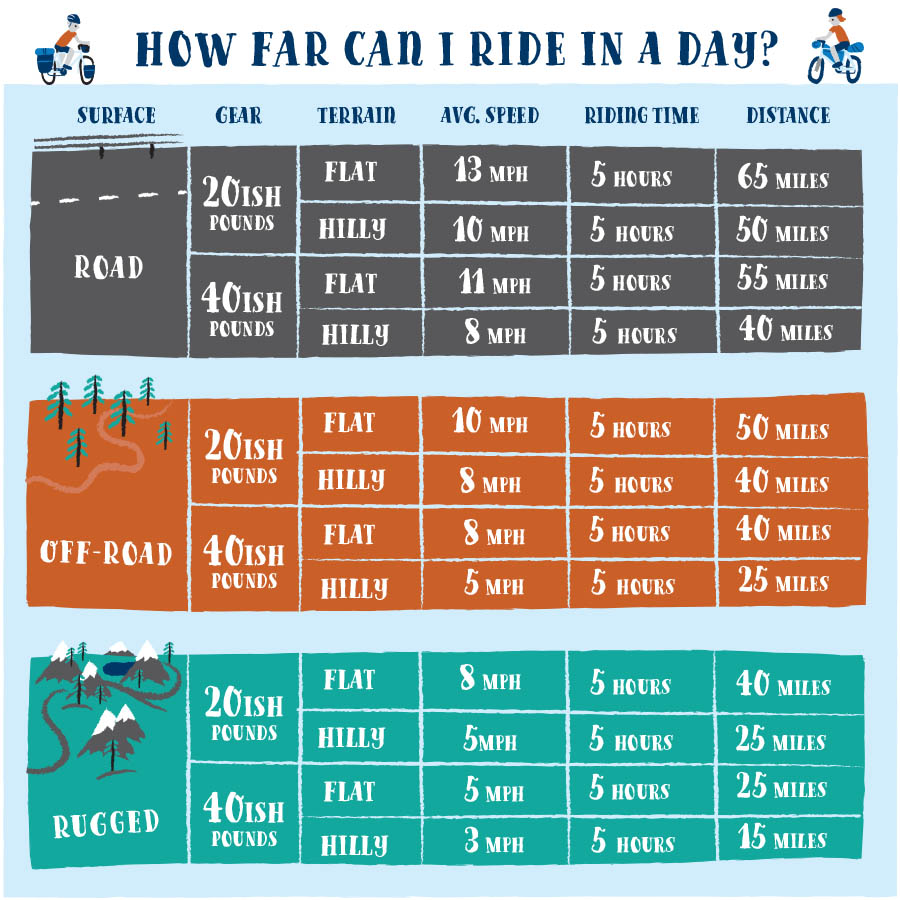
Image Source: www.adventurecycling.org
Fathoming Your Personal Cycling Needs
Before you decide on a specific cycling distance, it’s crucial to assess where you stand now. Your current fitness level is the most significant factor.
Assessing Your Starting Point
- Beginner: If you’re new to cycling or haven’t exercised regularly, your body needs time to adapt. Pushing too hard too soon can lead to injuries and burnout.
- Intermediate: You’re comfortable cycling for moderate distances and can maintain a consistent pace. You’re likely looking to increase intensity or duration.
- Advanced: You have a solid fitness base and are accustomed to longer rides and higher intensities. You might be training for events or aiming for more significant performance improvements.
Your fitness biking goals are also paramount. Are you aiming for general health, weight loss, improved cardiovascular health, or training for a specific event? Each goal will dictate a different approach to your daily cycling mileage.
The Sweet Spot: Finding Your Ideal Daily Cycling Mileage
There’s no magic number that fits everyone. However, we can provide guidelines based on different objectives and fitness levels.
For Beginners: Building a Foundation
If you’re just starting, your primary goal is to build consistency and allow your body to adapt.
- Recommended Daily Bike Ride: Start with 5 to 10 miles.
- Focus: Maintain a comfortable pace where you can still hold a conversation. This ensures you’re building an aerobic base and developing good cycling habits.
- Frequency: Aim for 3-4 times a week initially, with rest days in between.
- Progression: Gradually increase the distance by 1-2 miles each week, or add a few minutes to your rides. Listen to your body. If you feel excessive fatigue or pain, scale back.
This initial phase is about establishing a routine and making biking for fitness an enjoyable part of your life.
For General Fitness and Health Improvement
Once you’ve established a base, you can increase your cycling distance to reap more substantial fitness benefits.
- Recommended Daily Bike Ride: 10 to 15 miles.
- Focus: Introduce some variations in pace. You might include short bursts of faster pedaling followed by recovery periods. This improves your cardiovascular exercise biking capacity.
- Frequency: Aim for 4-5 times a week.
- Progression: Continue to gradually increase your distance or the intensity of your rides. Consider adding a slightly longer ride once a week.
At this stage, you’re not just maintaining; you’re actively improving your cardiovascular system and boosting your metabolism.
For Weight Loss
Weight loss through cycling is achieved by burning more calories than you consume. Your daily cycling mileage and intensity play a crucial role here.
- Recommended Daily Bike Ride: 15 to 25 miles, or longer depending on your fitness.
- Focus: Consistency and calorie expenditure are key. Aim for rides that elevate your heart rate into the fat-burning zone (typically 60-70% of your maximum heart rate) for a sustained period. Incorporate interval training, where you alternate between higher and lower intensity efforts. This type of training is highly effective for calorie burn.
- Frequency: Aim for 5-6 times a week.
- Progression: As your endurance improves, you can increase your cycling distance or the intensity of your interval training. Longer rides on weekends can be beneficial for burning extra calories.
Remember, diet plays a significant role in weight loss. Combining your cycling with a balanced, calorie-controlled diet will yield the best results. Your endurance cycling mileage will naturally increase as you progress, allowing you to burn more calories in each session.
For Advanced Fitness and Endurance
If your goal is to improve performance, build significant endurance, or train for cycling events, your daily cycling mileage will be higher.
- Recommended Daily Bike Ride: 25 miles and upwards, often including longer rides of 50+ miles.
- Focus: Structured training becomes essential. This includes long, steady-state rides to build aerobic capacity, high-intensity interval training (HIIT) to boost power and speed, and hill climbs to improve strength. A well-designed cycling training plan is critical.
- Frequency: 5-7 times a week, often with varied intensities and durations.
- Progression: This involves periodization, where training load varies over weeks and months to prevent overtraining and maximize performance gains. Your endurance cycling mileage will be a cornerstone of your training.
The average cycling distance for advanced riders can be highly variable, depending on the specific goals and event they are training for.
The Role of Intensity and Cadence
It’s not just about how far you go; it’s also about how you ride.
Intensity Matters
Your heart rate is a good indicator of intensity.
- Low Intensity (Zone 1-2): You can easily talk. Good for warm-ups, cool-downs, and recovery rides.
- Moderate Intensity (Zone 3): You can speak in short sentences. This is your primary fat-burning zone.
- High Intensity (Zone 4-5): You can only speak a few words. Great for boosting your VO2 max and improving speed, but should be used sparingly.
Cadence: The Art of Pedaling
Cadence refers to the number of revolutions your pedals make per minute (RPM).
- Lower Cadence (e.g., 60-70 RPM): Often used when climbing hills or riding with higher resistance. It engages more muscle strength.
- Higher Cadence (e.g., 80-90 RPM): Generally considered more efficient for sustained riding on flatter terrain. It uses less muscle force per pedal stroke and can be easier on your joints over long distances.
A good cycling training plan will incorporate variations in both intensity and cadence to target different physiological systems.
Estimating Calorie Burn
To lose weight, you need a calorie deficit. Cycling burns a significant number of calories, but this depends on several factors:
- Your Weight: Heavier individuals burn more calories.
- Speed/Intensity: Faster and more intense cycling burns more calories.
- Terrain: Riding uphill burns more calories than riding on flat ground.
- Duration: Longer rides burn more calories.
Here’s a rough estimate for a 155-pound person:
| Activity | Miles | Duration (approx.) | Calories Burned (approx.) |
|---|---|---|---|
| Leisurely | 5 | 30 mins | 150-200 |
| Moderate | 10 | 45-60 mins | 300-400 |
| Brisk/Hilly | 15 | 60-75 mins | 450-600 |
| Sustained Effort | 20 | 75-90 mins | 600-800 |
These are general estimates. Using a heart rate monitor or cycling computer can provide more personalized calorie burn data.
Designing Your Cycling Training Plan
A structured cycling training plan is crucial for making consistent progress and avoiding plateaus.
Key Components of a Training Plan
- Goal Setting: Clearly define what you want to achieve (e.g., ride 15 miles without stopping, lose 5 pounds in a month).
- Frequency: How many days a week will you ride?
- Duration: How long will each ride be?
- Intensity: What pace or effort level will you aim for?
- Progression: How will you gradually increase the challenge?
- Rest and Recovery: Crucial for muscle repair and preventing burnout.
Sample Weekly Cycling Plan (Intermediate Fitness, Weight Loss Goal)
| Day | Activity | Distance (Miles) | Duration (Mins) | Intensity Focus |
|---|---|---|---|---|
| Monday | Rest or Light Activity | – | – | Gentle stretching, walking |
| Tuesday | Steady State Ride | 12 | 60 | Moderate, consistent pace |
| Wednesday | Interval Training | 10 | 45 | Warm-up (10 min), 5x(2 min hard, 2 min easy), Cool-down (5 min) |
| Thursday | Rest or Light Activity | – | – | Light cycling, yoga |
| Friday | Moderate Endurance Ride | 15 | 70 | Focus on maintaining a strong, steady effort |
| Saturday | Longer Endurance Ride | 20 | 90 | Build endurance cycling mileage, steady pace |
| Sunday | Active Recovery or Rest | 5 (optional) | 30 | Very light spinning or complete rest |
This is just an example. You should tailor it to your specific needs and progress. The average cycling distance for this plan is around 13 miles per riding day.
Common Pitfalls to Avoid
Even with a great plan, you might encounter challenges.
Overtraining
- Signs: Persistent fatigue, decreased performance, irritability, sleep disturbances, increased susceptibility to illness.
- Solution: Prioritize rest days. Listen to your body and don’t push through significant pain or exhaustion. Incorporate active recovery.
Neglecting Nutrition
- Problem: Cycling burns calories, but if you overcompensate by eating more unhealthy food, you won’t achieve weight loss.
- Solution: Focus on a balanced diet rich in whole foods. Hydrate well. Understand your caloric needs based on your activity level.
Improper Bike Fit
- Problem: A poorly fitted bike can lead to discomfort, pain, and inefficiency, making it harder to achieve your fitness biking goals.
- Solution: Get a professional bike fit to ensure your saddle height, handlebar position, and other adjustments are optimized for your body.
Inconsistent Riding
- Problem: Sporadic cycling won’t yield consistent results.
- Solution: Stick to your cycling training plan as much as possible. If you miss a ride, don’t dwell on it; just get back on track.
Frequently Asked Questions (FAQ)
Q: How many miles should a beginner bike per day?
A: A beginner should aim for 5-10 miles per day, 3-4 times a week, focusing on a comfortable pace.
Q: Can cycling 10 miles a day help me lose weight?
A: Yes, cycling 10 miles a day, especially at a moderate to brisk pace, can contribute to weight loss when combined with a calorie-controlled diet. The exact amount of weight loss will depend on your calorie intake and metabolism.
Q: What is a good average cycling distance for fitness?
A: For general fitness, an average cycling distance of 10-15 miles per day, 4-5 times a week, is a good target.
Q: How much should I bike per day to see results?
A: To see results, consistency is more important than the exact number of miles. Aim for at least 3-4 rides per week, gradually increasing your cycling distance and intensity as your fitness improves.
Q: Is riding my bike every day good for me?
A: Riding your bike every day can be beneficial if you vary the intensity and duration to allow for recovery. However, incorporating rest days is crucial to prevent overtraining and allow your muscles to repair and adapt. Listen to your body.
Q: How does cycling distance affect weight loss?
A: A greater cycling distance generally leads to a higher calorie burn, which is essential for creating the calorie deficit needed for weight loss. Longer rides and higher intensity rides will burn more calories.
Q: What is considered endurance cycling mileage?
A: Endurance cycling mileage typically refers to distances that are longer than what is comfortable for a casual ride, often exceeding 20 miles, and requiring sustained effort to build aerobic capacity and stamina.
Q: How can I create a cycling training plan?
A: A cycling training plan involves setting goals, determining frequency, duration, and intensity, and planning for progression and recovery. You can find many templates online or consult with a cycling coach.
Q: What is the recommended daily bike ride for someone trying to improve cardiovascular health?
A: For improving cardiovascular health, the recommended daily bike ride should be at least 15-20 minutes of continuous cardiovascular exercise biking at a moderate intensity, performed most days of the week. Increasing the distance over time will further enhance benefits.
By carefully considering your personal fitness level, setting clear goals, and following a well-structured approach, you can determine the optimal daily cycling mileage to achieve your fitness and weight loss aspirations. Happy cycling!