
To lose weight by cycling, you need to consistently burn more calories than you consume. The exact number of miles varies greatly depending on your weight, cycling speed, intensity, and metabolism, but a good starting point is aiming to burn 500-1000 calories per day through exercise and diet. For many, this translates to roughly 30-60 minutes of moderate-intensity cycling most days of the week, or covering a specific distance that achieves this calorie deficit.
Embarking on a journey of losing weight cycling can be both effective and enjoyable. Cycling for weight loss offers a fantastic way to boost your metabolism, improve cardiovascular health, and shed those extra pounds. But the burning question for many is: how many miles do I actually need to bike to lose weight? Let’s dive deep into the science and practicalities of using your bike as a powerful tool for fat loss.
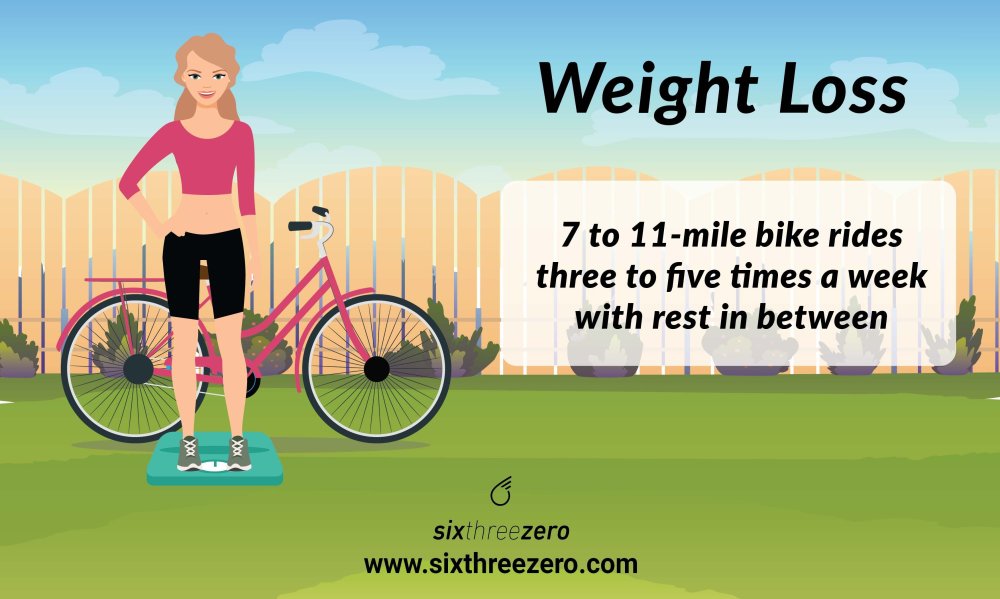
Image Source: images.ctfassets.net
The Science of Weight Loss: Calories In vs. Calories Out
At its core, weight loss is a simple equation: calories in versus calories out. To shed pounds, you must create a calorie deficit. This means your body needs to expend more energy (burn calories) than it takes in through food and drinks.
- Calories In: This refers to the total number of calories you consume from your diet.
- Calories Out: This is the total number of calories your body burns. It’s made up of:
- Basal Metabolic Rate (BMR): The calories your body burns at rest to maintain basic functions like breathing, circulation, and cell production.
- Thermic Effect of Food (TEF): The calories your body burns digesting and absorbing food.
- Activity Thermogenesis: The calories you burn through any physical movement, including exercise and non-exercise activity thermogenesis (NEAT), like fidgeting or walking around.
Cycling, as a form of aerobic exercise weight loss, significantly contributes to the “calories out” side of the equation.
Calorie Burn Cycling: How Many Calories Does Cycling Really Burn?
The calorie burn cycling depends on several factors:
- Body Weight: A heavier person will burn more calories than a lighter person doing the same activity because they have more mass to move.
- Cycling Intensity: The faster and harder you cycle, the more calories you burn per minute. This can be measured by perceived exertion or heart rate.
- Cycling Speed/Pace: Higher speeds generally equate to higher calorie expenditure.
- Terrain: Cycling uphill or on challenging terrain will burn more calories than cycling on flat surfaces.
- Duration: The longer you cycle, the more calories you burn.
A general estimate for calorie burn during cycling:
| Activity | Calories Burned Per Hour (Approx.) |
|---|---|
| Casual Cycling | 300-500 |
| Moderate Cycling | 500-700 |
| Vigorous Cycling | 700-1000+ |
These are estimates and can vary significantly. Using a heart rate monitor or a cycling computer that calculates calorie burn based on your personal metrics can provide more accurate figures.
To lose one pound of fat, you need to create a deficit of approximately 3,500 calories.
Bike Miles for Fat Loss: Calculating Your Target
So, how do we translate this into bike miles for fat loss? It’s not as simple as a fixed number of miles because of the variables mentioned above. However, we can work backward from your calorie goals.
Let’s say you want to lose 1 pound of fat per week. This requires a deficit of 3,500 calories per week, or 500 calories per day.
Scenario 1: Losing 500 calories through cycling daily.
If you burn, on average, 15 calories per mile cycling (this is a rough average for a moderately fit person), you would need to cycle:
500 calories / 15 calories/mile = approximately 33 miles per day.
This might seem like a lot. However, most successful weight loss plans combine diet and exercise.
Scenario 2: Losing 250 calories through cycling and 250 calories through diet daily.
- Cycling Goal: 250 calories / 15 calories/mile = approximately 17 miles per day.
- Diet Goal: Reducing your daily intake by 250 calories. This could mean cutting out a sugary drink, a small snack, or reducing portion sizes slightly.
This combined approach is often more sustainable and effective for long-term losing weight cycling.
The Importance of Distance vs. Effort
While distance to cycle for weight loss is a common metric, it’s crucial to remember that effort and intensity play a massive role. Cycling 10 miles at a very brisk pace with hills will burn significantly more calories than cycling 10 miles on a flat road at a leisurely pace.
Cardio cycling weight loss is maximized when you challenge your cardiovascular system. This means incorporating:
- Interval Training: Alternating between periods of high-intensity cycling and lower-intensity recovery periods. This boosts your metabolism and can lead to greater calorie burn cycling in a shorter amount of time.
- Hill Training: Ascending hills requires more effort and therefore burns more calories.
- Increased Resistance: On an exercise bike weight loss settings, increasing the resistance is a direct way to increase the intensity and calorie burn.
Creating Your Weight Loss Cycling Plan
A successful weight loss cycling plan is not just about the miles; it’s about consistency, progression, and combining cycling with a healthy diet.
Key Components of a Weight Loss Cycling Plan:
- Set Realistic Goals: Don’t aim for drastic weight loss overnight. Aim for 1-2 pounds per week, which is considered healthy and sustainable.
- Assess Your Current Fitness Level: If you’re new to cycling, start slowly. Begin with shorter rides and gradually increase the duration and intensity.
- Determine Your Cycling Frequency: Cycling frequency weight loss is key. Aim for at least 3-5 cycling sessions per week. More frequent, shorter rides can be just as effective as fewer, longer ones.
- Plan Your Routes: Vary your routes to keep things interesting and to challenge yourself with different terrains. Include some hilly routes if possible.
- Incorporate Intensity: Don’t just pedal at the same pace every time. Include interval training or tempo rides to push your limits.
- Listen to Your Body: Rest days are crucial for muscle recovery and preventing burnout. Don’t push yourself too hard too soon.
- Combine with Diet: This is non-negotiable. No amount of cycling will compensate for an unhealthy diet. Focus on whole foods, lean proteins, fruits, vegetables, and healthy fats.
- Stay Hydrated: Drink plenty of water before, during, and after your rides.
Sample Weekly Cycling Schedule (Beginner to Intermediate)
This is a template, and you should adjust it based on your personal fitness and schedule.
- Monday: Rest or Light Activity (e.g., walking)
- Tuesday: 30-45 minutes moderate-intensity cycling. Focus on maintaining a steady pace where you can talk but not sing. (Estimate: 10-15 miles)
- Wednesday: 30 minutes interval training. Warm-up for 5 minutes, then alternate 1 minute of high intensity with 2 minutes of recovery for 20 minutes. Cool down for 5 minutes. (Estimate: 8-12 miles)
- Thursday: Rest or Light Activity
- Friday: 40-50 minutes moderate-intensity cycling. Try a route with some rolling hills. (Estimate: 12-18 miles)
- Saturday: Longer ride, 60-75 minutes at a comfortable pace. Enjoy the scenery! (Estimate: 15-25 miles)
- Sunday: Rest or light active recovery (e.g., stretching, short walk).
Total estimated weekly mileage for this sample plan: 45-70 miles.
This plan aims to create a calorie deficit of approximately 350-700 calories per day from cycling alone, depending on your weight and intensity. When combined with mindful eating, this can lead to significant weight loss cycling.
Factors Influencing Your Cycling Performance and Calorie Burn
Beyond the basic physics, other elements influence how many miles you need to cycle:
1. Your Metabolism
- Age: Metabolism tends to slow down with age.
- Gender: Men generally have more muscle mass than women, leading to a higher metabolic rate.
- Genetics: Some people naturally have faster metabolisms.
- Muscle Mass: The more muscle you have, the more calories you burn, even at rest.
2. The Type of Bike
- Road Bikes: Designed for speed and efficiency on paved surfaces. You’ll cover more miles and potentially burn more calories in a given time due to higher speeds.
- Mountain Bikes: Heavier and designed for off-road terrain. You’ll likely cover fewer miles and burn more calories per mile due to resistance and effort on uneven surfaces.
- Hybrid Bikes: A balance between road and mountain bikes, suitable for various terrains.
- Exercise Bikes (Stationary Bikes): Offer controlled environments where you can precisely set resistance and monitor your progress. Exercise bike weight loss is highly customizable.
3. Environmental Factors
- Wind: Cycling into a headwind significantly increases effort and calorie burn.
- Temperature: Extreme heat or cold can affect your body’s efficiency and energy expenditure.
Maximizing Your Cycling for Weight Loss
To get the most out of your cycling for weight loss efforts:
- Consistency is King: It’s better to cycle for 30 minutes four times a week than for 2 hours once a month. Regularity builds fitness and ensures a consistent calorie burn.
- Progressive Overload: As you get fitter, gradually increase the duration, intensity, or frequency of your rides. This ensures you continue to challenge your body and see results.
- Fuel Your Rides: For longer rides (over 60-90 minutes), consume easily digestible carbohydrates before and during your ride to maintain energy levels and intensity.
- Recovery is Essential: Proper nutrition, hydration, and sleep are vital for muscle repair and preventing overtraining.
- Track Your Progress: Use a cycling computer, fitness tracker, or app to monitor your distance, speed, time, and estimated calorie burn. This data can motivate you and help you adjust your plan.
Beyond the Miles: Other Benefits of Cycling for Weight Loss
While focusing on the number of miles is important for a weight loss cycling plan, it’s essential to remember the other significant benefits of cycling:
- Improved Cardiovascular Health: Cycling strengthens your heart and lungs, improving circulation and reducing the risk of heart disease.
- Increased Muscle Strength: Cycling engages major leg muscles (quadriceps, hamstrings, calves) and core muscles.
- Reduced Stress: Physical activity releases endorphins, which have mood-boosting effects and can help alleviate stress and anxiety.
- Low Impact: Compared to running, cycling is a low-impact activity, making it gentler on your joints, which is particularly beneficial for individuals with joint pain or those who are heavier.
- Enhanced Endurance: Regular cycling builds stamina and overall physical endurance.
Frequently Asked Questions (FAQ)
Q1: How many miles should I cycle daily to lose weight?
A1: There’s no single answer, as it depends on your weight, speed, and intensity. However, aiming to burn 500 calories per day through cycling would require roughly 30-40 miles at a moderate pace. Many people find success by combining cycling with dietary changes.
Q2: Can I lose weight by cycling just 3 days a week?
A2: Yes, it’s possible. Consistency and intensity are key. If you have longer, more intense rides on those three days and maintain a calorie deficit through your diet, you can achieve weight loss. However, more frequent cycling will likely yield faster results.
Q3: What is a good cycling speed for weight loss?
A3: A good speed is one that elevates your heart rate into your target heart rate zone for fat burning (typically 60-70% of your maximum heart rate). For many, this might be around 12-15 mph on flat terrain, but it’s more about the effort than a specific number.
Q4: How many calories does cycling burn?
A4: The calorie burn cycling varies greatly. A 155-pound person might burn around 500-600 calories per hour cycling at a moderate pace (12-14 mph). Heavier individuals or those cycling faster or uphill will burn more.
Q5: Is cycling better than running for weight loss?
A5: Both are excellent forms of cardio for weight loss. Cycling is lower impact, which can be beneficial for joints. Running generally burns more calories in the same amount of time due to greater muscle engagement and impact. The best choice depends on personal preference and physical condition.
Q6: How long does it take to see results from cycling for weight loss?
A6: With consistent cycling and a healthy diet, you can start to see results within a few weeks. However, significant and sustainable weight loss takes time, typically months. Focus on building healthy habits rather than quick fixes.
In conclusion, while a specific mileage target can be helpful, focusing on a consistent cycling frequency weight loss strategy that incorporates varying intensity and is supported by a balanced diet is the most effective path to achieving your weight loss goals through cycling. Enjoy the ride and the journey!