
So, how much does a bike chain cost? A new bike chain can range from as little as $10 for a basic, single-speed chain to over $100 for a high-end, specialized chain for performance bikes. This wide range depends on several factors, including the number of speeds your bike has, the brand, material, and intended use. Understanding these elements is key to knowing the true cost of a bicycle chain and how it impacts your riding experience.
The cost of a bicycle chain is a frequently asked question by cyclists of all levels. Whether you’re a casual rider, a weekend warrior, or a dedicated racer, your bike chain is a vital component that directly affects performance, efficiency, and even safety. This guide will delve deep into the factors that influence bike chain price, the average bike chain price, what you can expect to pay for a new bike chain, and the potential costs associated with bicycle chain replacement. We’ll also touch upon bike chain installation cost and the ongoing bicycle chain maintenance cost, helping you make informed decisions about keeping your drivetrain in top shape.
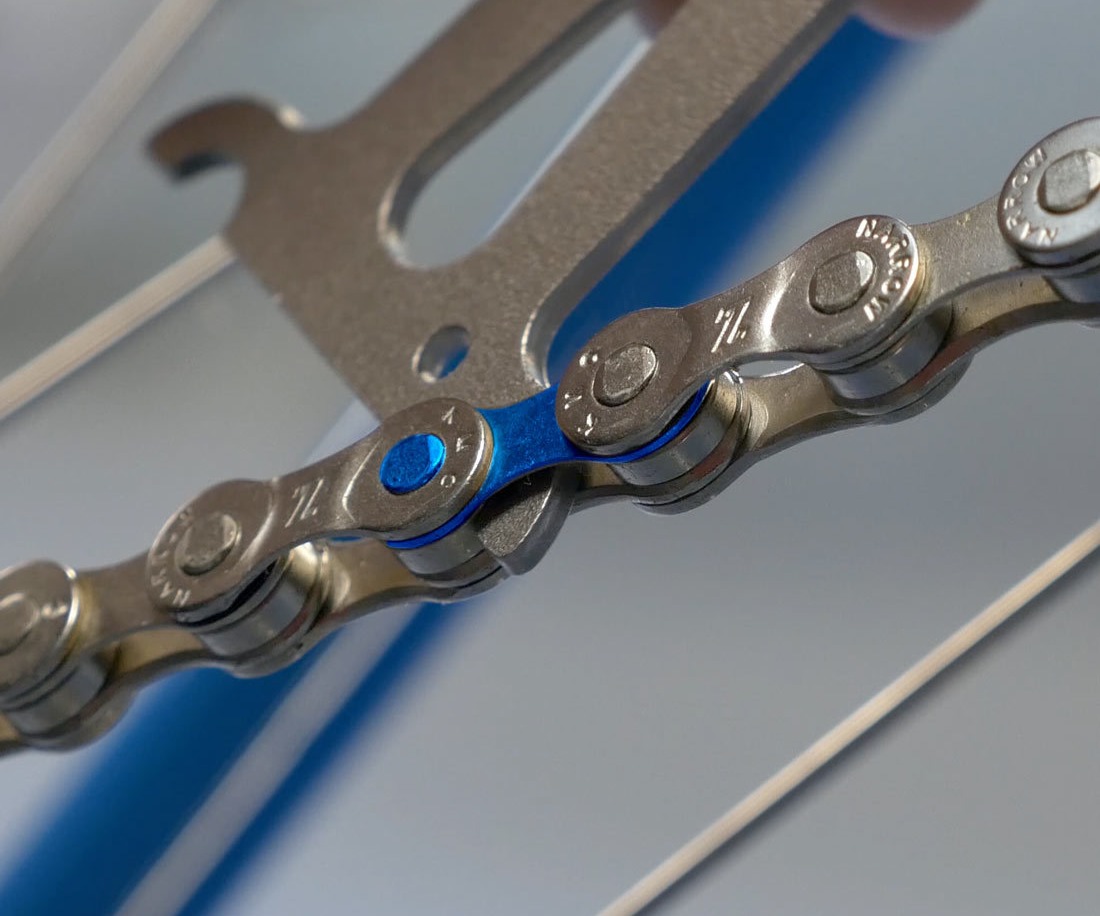
Image Source: www.sefiles.net
Deciphering Bike Chain Price Factors
The price of a bike chain isn’t arbitrary; it’s a reflection of the materials used, the manufacturing process, the number of speeds it’s designed for, and the brand’s reputation. Let’s break down these key influences on the bike chain cost.
1. The Speed Count of Your Drivetrain
This is perhaps the most significant factor impacting the bike chain price. Modern bicycles come with a variety of gear systems, from simple single-speed setups to complex 11, 12, or even 13-speed drivetrains.
- Single-Speed Chains (1, 2, or 3 Speeds): These are the simplest and generally the cheapest. They have fewer, wider plates and are built for robust use in urban commuting or BMX.
- Cheap bike chain cost: You can often find a decent single-speed chain for $10-$25.
- Multi-Speed Chains (5-11+ Speeds): As the number of gears increases, the chain needs to become narrower and more precisely engineered to shift smoothly between cogs. This precision manufacturing and tighter tolerances drive up the cost.
- 8-10 Speed Chains: These offer a good balance of performance and cost for many hybrid, mountain, and road bikes. Expect prices to range from $25-$50.
- 11-12 Speed Chains: These are designed for higher-end road and mountain bikes, requiring exceptional precision for rapid and smooth shifting. The price jumps to $40-$70, and sometimes more for premium options.
- 13 Speed Chains: The newest and most advanced systems often feature ultra-narrow chains with special coatings for maximum efficiency. These will be at the higher end of the spectrum, often exceeding $70.
2. Material and Construction Quality
The materials and how the chain is constructed play a crucial role in its durability, weight, and shifting performance.
- Standard Steel: Most entry-level and mid-range chains are made from steel. The quality of this steel and any hardening processes can affect longevity.
- Hardened Steel: Many reputable brands use hardened steel pins and rollers to increase wear resistance and extend the chain’s life. This is a common feature in chains above the absolute cheapest tier.
- Advanced Coatings: High-end chains often feature special coatings on their pins, rollers, or outer plates. These can include:
- Nickel Plating: Offers improved corrosion resistance and a smoother appearance.
- Chromium Plating: Enhances hardness and wear resistance.
- Titanium Nitride (Ti-Nitride) or other Diamond-like Carbon (DLC) Coatings: These are typically found on premium bike chains and offer superior hardness, reduced friction, and exceptional wear resistance, leading to smoother shifting and longer life. These coatings significantly increase the bike chain price.
- Hollow Pins or Plates: Some very high-end chains use hollow pins or even hollow outer plates to reduce weight. This is primarily for competitive cycling where every gram counts.
3. Brand Reputation and Research & Development
Established cycling brands invest heavily in research and development to create chains that are lighter, stronger, shift faster, and last longer. This investment is reflected in their pricing.
- Major Brands: Shimano, SRAM, and Campagnolo are the dominant players in drivetrain components, including chains. Their chains are engineered for specific groupsets and often offer the best performance. Their bike chain price generally reflects this.
- Aftermarket Brands: Companies like KMC and YBN also produce high-quality chains, often serving as excellent alternatives or direct replacements for the major brands. They can sometimes offer comparable performance at a slightly lower price point.
- Budget Brands: Lesser-known or house brands may offer cheaper alternatives, but it’s worth investigating their quality and compatibility, especially for multi-speed systems where precision is paramount.
4. Intended Use: Road vs. Mountain vs. Commuter
While the core function of a bike chain is the same, the demands placed on it differ between cycling disciplines.
- Road Chains: Often designed for smooth surfaces and high-speed efficiency. They might be lighter and have tighter tolerances for precise, rapid shifting required in road racing.
- Mountain Bike (MTB) Chains: Need to be robust enough to handle the stresses of off-road riding, mud, grit, and frequent, sometimes less-than-perfect shifts under load. Durability and resistance to contamination are key.
- Gravel and Cyclocross Chains: These often sit between road and MTB, needing a balance of lightweight performance and durability to handle varied terrain and weather.
- Commuter/Hybrid Chains: Durability and ease of maintenance are often prioritized over absolute weight or shaving milliseconds off shift times. They are typically built to last and be forgiving of less frequent cleaning.
What to Expect: Average Bike Chain Price and Tiers
To give you a clearer picture, let’s categorize chains into general price tiers. Remember, these are approximate and can vary based on sales, promotions, and regional pricing.
Entry-Level Chains
- Target User: Casual riders, single-speed bikes, basic commuter bikes.
- Features: Standard steel construction, fewer speed compatibilities (often 6-8 speed or single-speed). May not have advanced coatings.
- Average Bike Chain Price: $15 – $30
- Pros: Affordable, generally reliable for light use.
- Cons: Can wear out faster, may not shift as smoothly, heavier than premium options.
Mid-Range Chains
- Target User: Enthusiast road cyclists, mountain bikers, serious commuters.
- Features: Improved steel alloys, possibly hardened pins and rollers, better plating (e.g., nickel). Designed for 8-11 speeds. Often feature quick links for easier installation.
- Average Bike Chain Price: $30 – $60
- Pros: Good balance of performance, durability, and cost. Smoother shifting, longer lifespan than entry-level.
- Cons: Not the lightest or most advanced shifting available.
High-End / Premium Chains
- Target User: Competitive cyclists (road racers, XC mountain bikers), performance-oriented enthusiasts.
- Features: Advanced steel alloys, specialized coatings (chromium, Ti-Nitride, etc.), often lighter construction (e.g., hollow pins), optimized for 11, 12, or 13-speed systems. Focus on minimal friction and maximum shift speed.
- Average Bike Chain Price: $60 – $100+
- Pros: Superior shifting performance, lighter weight, enhanced durability, often longer lifespan due to coatings.
- Cons: Significantly more expensive, may require more precise maintenance, performance benefits are most noticeable for serious riders.
Cheap Bike Chain Cost Considerations
While a cheap bike chain might seem like a good deal, it’s important to weigh the upfront cost savings against potential long-term expenses. A very cheap chain might:
- Wear out significantly faster.
- Cause premature wear on your cassette and chainrings, which are much more expensive to replace.
- Shift poorly, leading to a frustrating riding experience.
- Be less durable and prone to breaking, especially under load.
For critical components like your drivetrain, it’s often wise to invest in a reputable mid-range option rather than the absolute cheapest.
The Cost of Bicycle Chain Replacement
So, you’ve determined your chain is worn out and needs replacing. What are the costs involved?
1. New Bike Chain Cost
As detailed above, the new bike chain cost itself is the primary expense. This will vary based on the factors we’ve discussed: number of speeds, material, brand, and features.
- DIY Replacement: If you’re comfortable doing it yourself, the cost is simply the price of the new chain.
- Professional Replacement: If you take your bike to a shop for replacement, you’ll incur labor costs in addition to the chain price.
2. Bike Chain Installation Cost
The bike chain installation cost at a bike shop can vary depending on the shop’s labor rates and your location.
- Typical Labor Charge: Expect to pay anywhere from $15 to $40 for chain installation. This usually includes:
- Removing the old chain.
- Sizing the new chain correctly.
- Installing the new chain (using a chain tool or quick link).
- Lubricating the new chain.
- Factors Influencing Installation Cost:
- Type of Chain: Some chains (especially those with specific master links or electronic shifting integration) might take slightly longer to install.
- Shop Labor Rates: Major metropolitan areas or high-end shops might charge more than smaller, independent shops.
- Additional Services: If the mechanic also needs to check and adjust your derailleurs or perform a more thorough drivetrain clean, this could add to the overall cost.
3. Tools for DIY Installation
If you plan to do the installation yourself, you’ll need a few basic tools.
- Chain Tool (Chain Breaker): Essential for breaking older chains and for pressing in pins on some new chains. These can cost $10 – $30.
- Master Link Pliers (Optional but Recommended): If your chain uses a master link (common on 9-speed and above), these specialized pliers make opening and closing the link much easier. Cost around $10 – $20.
- Degreaser and Lubricant: Necessary for cleaning the drivetrain before installation and for lubricating the new chain.
4. Drivetrain Inspection and Other Parts
When replacing a chain, it’s crucial to inspect other drivetrain components for wear. A worn-out chain can accelerate wear on your cassette and chainrings.
- Cassette: If your chain has been severely neglected, your cassette might also be worn. Replacement can range from $20 (for basic 7-speed) to $200+ (for high-end 11 or 12-speed cassettes).
- Chainrings: Similar to cassettes, chainrings wear out. Replacement costs can vary from $20 (for a single steel chainring) to $150+ (for a set of lightweight, high-performance chainrings).
- Derailleur Adjustment: Sometimes, a new chain can highlight existing issues with derailleur indexing. A quick adjustment might be included in the installation cost, or it could be an additional small fee.
Therefore, the total bicycle chain replacement cost could be anywhere from the price of a chain ($15-$100+) if you do it yourself and everything else is in good condition, to $100-$300+ if you need a new chain, cassette, and professional installation.
Bicycle Chain Maintenance Cost: The Long Game
The cost of a bike chain is not a one-time purchase. Regular bicycle chain maintenance cost is minimal in terms of direct monetary outlay but is significant in extending the life of your chain and your entire drivetrain.
1. Cleaning
- Frequency: After every few rides, especially in wet or dusty conditions.
- Method:
- Wipe Down: Simply wiping the chain with a rag after each ride to remove surface grit.
- Degreasing: Using a chain cleaning tool or a brush with a specialized degreaser to thoroughly clean the chain. This is done less frequently, perhaps monthly or every few hundred miles.
- Cost: A good chain degreaser costs about $5-$15. Chain cleaning tools are typically $15-$30.
- Time Investment: 5-15 minutes for a wipe down, 15-30 minutes for a full degrease.
2. Lubrication
- Frequency: After cleaning, or whenever the chain starts to sound dry or squeaky. The frequency depends heavily on riding conditions (dry lube for dry conditions, wet lube for wet conditions).
- Method: Apply a small drop of lubricant to each roller and pin. Spin the cranks backward to work it in. Wipe off excess lubricant.
- Cost: A bottle of quality bicycle chain lubricant costs $8-$20 and can last for many months or even years.
- Time Investment: 2-5 minutes.
3. Checking for Wear
- Frequency: Every few hundred miles, or if you notice skipping or poor shifting.
- Method: Use a chain checker tool. These tools have gauges that indicate when the chain has stretched beyond a usable point (typically 0.5% or 0.75% stretch).
- Cost: Chain checker tools are relatively inexpensive, ranging from $8 to $25.
- Time Investment: 1-2 minutes.
The Cost of Neglect
Failing to perform regular maintenance can lead to:
- Premature Chain Wear: A dirty, unlubricated chain wears out much faster. Instead of lasting 2,000-5,000 miles (depending on the chain and conditions), it might only last 500-1,000 miles.
- Drivetrain Damage: A worn chain will wear down your cassette and chainrings faster. Replacing a chain costs $15-$100. Replacing a cassette and chainrings can cost $100-$300+. The bicycle chain maintenance cost is significantly lower than the cost of replacing multiple worn drivetrain components.
- Reduced Shifting Performance: A dirty or worn chain shifts poorly, making your riding experience less enjoyable and efficient.
Therefore, the ongoing bicycle chain maintenance cost is an investment that pays dividends by prolonging the life of your entire drivetrain.
Bike Chain Cost Per Mile
It’s difficult to provide an exact bike chain cost per mile because it depends on so many variables:
- Chain Quality: A $100 premium chain will likely last longer than a $15 cheap chain.
- Riding Conditions: Riding in dusty, sandy, or wet conditions significantly reduces chain life.
- Rider Weight and Power Output: Heavier riders or those who pedal with more force might wear chains out faster.
- Maintenance Habits: Regular cleaning and lubrication are critical.
- Gearing: Using the cross-chaining (e.g., largest cog with largest chainring) puts more stress on the chain.
Estimated Bike Chain Lifespan:
- Entry-Level Chain: 1,000 – 2,500 miles
- Mid-Range Chain: 2,500 – 5,000 miles
- High-End Chain: 4,000 – 7,000+ miles
Let’s do a hypothetical calculation for a mid-range chain costing $40 that lasts 3,000 miles:
$40 (chain cost) / 3,000 miles = $0.013 per mile (or 1.3 cents per mile).
Now, consider a premium chain costing $80 that lasts 6,000 miles:
$80 (chain cost) / 6,000 miles = $0.013 per mile (or 1.3 cents per mile).
Interestingly, with proper maintenance, the bike chain cost per mile can be quite similar across different tiers. The premium chain costs more upfront but lasts twice as long, balancing out the cost. The key takeaway is that regular maintenance is the most significant factor in reducing your bike chain cost per mile.
Factors Affecting Chain Longevity
Beyond the initial cost, several factors influence how long your chain will last:
- Riding Environment: Mud, sand, and salt are chain killers. They grind away at the pins and rollers, increasing friction and wear.
- Chain Lubrication: A dry chain has increased friction, leading to rapid wear. Over-lubrication can attract dirt, which also accelerates wear. The type of lubricant matters, too (dry vs. wet).
- Shifting Technique: Smooth, deliberate shifts under light load prolong chain life. Aggressive, grinding shifts, especially under heavy pedaling, put immense stress on the chain.
- Drivetrain Cleanliness: A clean drivetrain runs more smoothly and wears less than a dirty one.
- Chain Quality: Higher-quality chains are manufactured with tighter tolerances and better materials, inherently making them more durable.
- Chain Wear Detection: Replacing a chain promptly when it shows minimal stretch prevents damage to more expensive components like cassettes and chainrings.
Frequently Asked Questions (FAQ)
Q1: How often should I replace my bike chain?
A1: This depends on your riding habits and maintenance. A general guideline is to check for wear with a chain checker tool every 1,000-1,500 miles. Most chains need replacement between 2,000 and 5,000 miles. If you notice skipping gears or poor shifting, it’s a strong indicator it’s time for a new chain.
Q2: Can I mix and match chain brands?
A2: For multi-speed bikes (8-speed and above), it’s generally recommended to stick with chains designed for your specific speed count. While some manufacturers claim broader compatibility, using a chain from the same brand as your cassette and chainrings (e.g., Shimano chain with Shimano cassette) often provides the best shifting performance. For single-speed bikes, compatibility is much less of an issue.
Q3: What is a master link, and do I need one?
A3: A master link (or quick link) is a special connecting link that allows you to install and remove your chain without using a chain tool. Many modern multi-speed chains come with one. If yours doesn’t, you can purchase one separately. They make maintenance much easier.
Q4: What’s the difference between a chain for a road bike and a mountain bike?
A4: While both perform the same function, MTB chains are often built slightly more robust to withstand the harsher conditions off-road. Road chains might be a bit lighter and optimized for the slicker, more consistent shifting required at high speeds. However, many modern chains are designed to be cross-compatible between road and MTB within the same speed count.
Q5: Is it worth buying a premium bike chain?
A5: For serious cyclists, racers, or those who appreciate the absolute best performance, a premium chain can be worth it. The smoother shifting, reduced friction, and enhanced durability can improve your riding experience. For casual riders or those on a budget, a good quality mid-range chain will provide excellent performance without the high price tag.
Q6: How do I know if my chain is worn?
A6: The best way is to use a chain checker tool. You can also look for signs like:
* The chain skipping or jumping on the cassette under load.
* Gears not shifting smoothly or cleanly.
* The chain feeling “loose” or floppy.
In conclusion, the cost of a bike chain is a variable expense, but one that is essential for a well-functioning bicycle. By understanding the factors that influence the bike chain price, the cost of bicycle chain replacement, and the importance of bicycle chain maintenance cost, you can make informed decisions to keep your ride smooth, efficient, and enjoyable for miles to come. Whether you opt for a cheap bike chain cost saving measure on a utility bike or invest in a premium bike chain price for your racing machine, proper care will always be the most economical approach in the long run.