
So, how much does a bike tune up cost? Generally, you can expect to pay anywhere from $75 to $250 for a standard bike tune-up. However, the actual cost can vary significantly based on the type of tune-up, the complexity of your bike, and where you get it serviced.
Keeping your bicycle in top shape is crucial for a safe and enjoyable ride. Regular maintenance, often referred to as a “tune-up,” ensures all parts are working correctly and prevents minor issues from becoming major, costly repairs. This guide will break down what goes into a bike tune-up, the different levels of service available, and how to estimate the bicycle maintenance cost you might encounter. We’ll also explore bike servicing prices and bicycle repair shop rates to help you budget effectively.
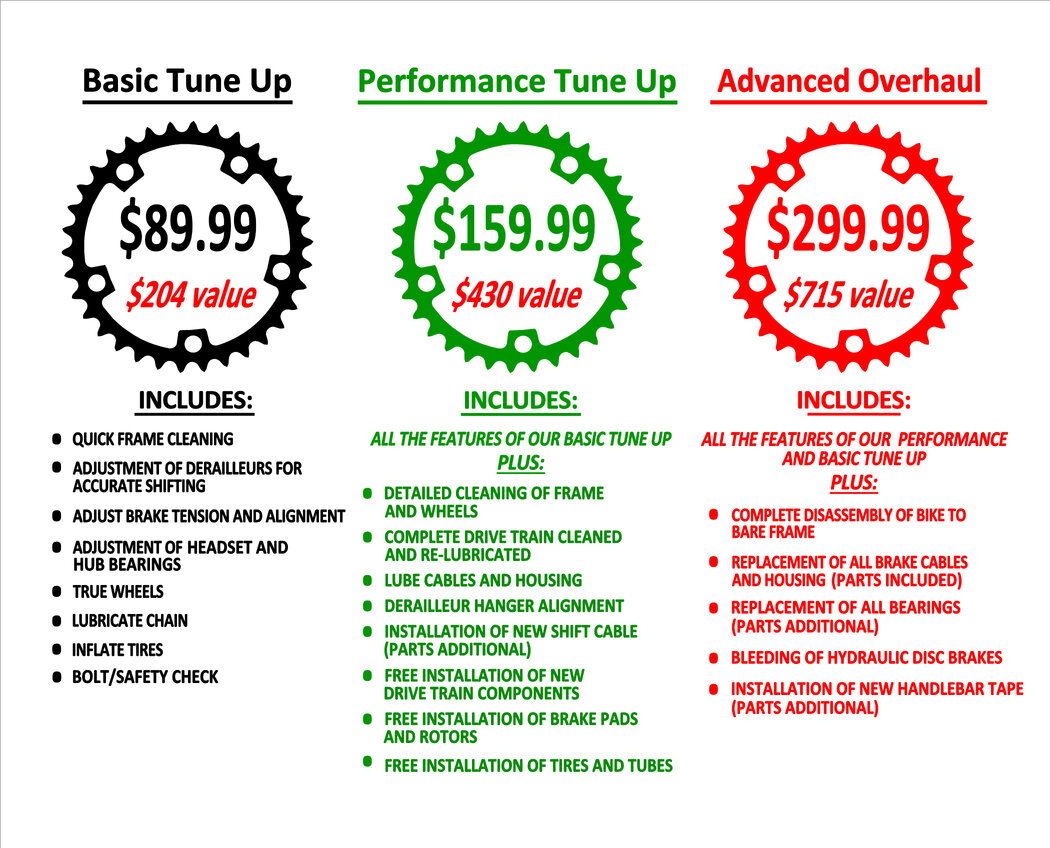
Image Source: www.sefiles.net
Why Regular Bike Tune-Ups Are Essential
Think of a bike tune-up like an oil change and multi-point inspection for your car. It’s preventative care that keeps your ride running smoothly and reliably. Here’s why it’s so important:
- Safety: Loose bolts, worn brake pads, or faulty gears can lead to accidents. A tune-up ensures critical safety components are in good working order.
- Performance: A well-maintained bike shifts smoothly, brakes effectively, and rolls efficiently. This makes your riding experience more enjoyable and less strenuous.
- Longevity: Regular care extends the life of your bike’s components. Catching wear and tear early can prevent expensive replacements down the line.
- Cost Savings: Addressing small issues during a tune-up is much cheaper than repairing a catastrophic failure caused by neglect.
- Resale Value: A well-documented service history can significantly increase your bike’s resale value.
What’s Typically Included in a Bike Tune-Up?
The cost of bicycle servicing depends heavily on the scope of work. Most bike shops offer different tiers of tune-ups. Here’s a look at what’s usually covered in a standard or basic tune-up:
Basic Tune-Up (“Level 1”)
This is the most common and affordable service, suitable for bikes ridden regularly that haven’t developed significant problems.
- Bike Inspection: A general check of the frame, fork, and all major components.
- Brake Adjustment: Ensuring brakes are responsive and stopping effectively. This includes pad alignment and cable tension.
- Gear Adjustment: Tuning derailleurs for smooth shifting. This involves adjusting limit screws and cable tension.
- Chain Lubrication: Applying appropriate lubricant to the chain for smooth operation and rust prevention.
- Tire Inflation: Checking and setting tire pressure to manufacturer recommendations.
- Bolt Check: Tightening loose bolts on handlebars, stem, seatpost, cranks, and wheels.
- Wheel Truing (Minor): Addressing minor wobbles in the wheels.
- Clean & Lube: A light cleaning and lubrication of the drivetrain.
The average bike tune up cost for this basic service usually falls between $75 and $125.
Standard Tune-Up (“Level 2”)
This is a more comprehensive service, ideal for bikes that are used more frequently or haven’t been serviced in a while. It builds upon the basic tune-up and includes more detailed attention.
- Everything in the Basic Tune-Up, PLUS:
- Drivetrain Cleaning: Thorough cleaning of the chain, cassette, chainrings, and derailleurs.
- Cable and Housing Inspection: Checking for fraying or damage and lubricating or replacing as needed (replacement parts extra).
- Minor Wheel Truing: More precise alignment of wheel spokes to eliminate wobbles.
- Headset Adjustment: Ensuring the steering is smooth and free of play.
- Bottom Bracket Check: Inspecting for play or stiffness in the crankset’s rotating mechanism.
- Hub Check: Checking for play in the wheel hubs.
- Tire and Tube Inspection: Checking for wear, cracks, or embedded debris.
You can expect tune up costs for bicycles at this level to range from $125 to $175. This is often referred to as a “full tune-up” or “comprehensive tune-up.”
Overhaul Tune-Up (“Level 3” / “Pro Tune-Up”)
This is the most thorough service, recommended for bikes that are several years old, ridden heavily, or are being prepared for a major event like a race or long tour. It involves disassembling and servicing key components.
- Everything in the Standard Tune-Up, PLUS:
- Full Drivetrain Disassembly and Cleaning: Removing the chain, cassette, and chainrings for deep cleaning and degreasing.
- Bearing Service: Overhauling and repacking bearings in the headset, bottom bracket, and wheel hubs with fresh grease.
- Wheel Overhaul: Disassembling hubs, cleaning and re-greasing bearings, and reassembling.
- Brake Bleed (for hydraulic disc brakes): Replacing old brake fluid and removing air from the system for optimal stopping power.
- Suspension Service (if applicable): Basic lower leg service for mountain bikes (major suspension rebuilds are often extra).
- Component Check and Lubrication: Detailed inspection and lubrication of shifters, derailleurs, and brake levers.
The bicycle service charges for an overhaul tune-up can range from $175 to $250 or more. Some shops may offer an “a la carte” pricing structure where you select specific services.
Factors Influencing Bike Tune-Up Costs
Several factors contribute to the variation in bicycle maintenance prices:
Type of Bike
- Road Bikes: Generally have simpler drivetrains and fewer complex components, often leading to lower tune-up costs.
- Mountain Bikes: Often feature suspension, disc brakes (hydraulic or mechanical), and more complex drivetrains, which can increase the bicycle maintenance cost. Hydraulic brake bleeds and suspension lower leg services are common add-ons.
- Hybrid/Commuter Bikes: Usually fall in the middle, with costs influenced by the complexity of their gearing and braking systems.
- Electric Bikes (E-bikes): Require specialized knowledge and tools for electrical system checks and battery maintenance. The cost of bicycle servicing for e-bikes is typically higher due to this added complexity.
- Single-Speed/Fixed-Gear Bikes: These are mechanically simpler and usually have the lowest tune-up costs.
Shop Rates and Location
- Bicycle repair shop rates vary significantly by region and the shop’s overhead. Shops in major metropolitan areas or those with a strong reputation for expertise may charge more.
- Mobile bike mechanics might have different pricing structures, sometimes charging a travel fee. Searching for “bike tune up prices near me” will give you local options.
Specific Services Needed
- A basic tune-up is one thing, but if your bike needs more specialized work, the price will increase. Examples include:
- Replacing worn cables and housing.
- Replacing brake pads.
- Replacing a worn chain or cassette.
- Bleeding hydraulic disc brakes.
- Truing a severely out-of-true wheel.
- Replacing bearings.
- Suspension service.
Parts and Labor
- The prices quoted above are typically for labor only. Any parts that need replacement (e.g., cables, housing, brake pads, chain, cassette, tires, tubes) will be an additional cost.
- Bike servicing prices can also be affected by the brand and quality of parts used.
What to Look For in a Bike Tune-Up
When you take your bike in for servicing, it’s good to know what you should expect from a reputable shop.
What the Shop Should Do:
- Listen to Your Concerns: A good mechanic will ask about how your bike feels and any specific issues you’ve noticed.
- Provide a Detailed Estimate: They should be able to give you a breakdown of what the tune-up includes and any potential extra costs.
- Use Quality Tools: Professional tools ensure a better and safer service.
- Communicate: If they find something that requires additional work or parts, they should contact you for approval before proceeding.
- Offer Advice: A good mechanic will often offer tips on how to maintain your bike between services.
What to Ask For:
- Clarify What’s Included: Before leaving your bike, ask for a clear explanation of what the tune-up covers.
- Ask About Parts: Inquire if the price includes replacement parts or if they are extra.
- Get a Written Estimate: For more extensive work, a written estimate is always a good idea.
Pricing Table: Common Bike Tune-Up Costs
Here’s a general breakdown of bike tune up prices you might encounter. Remember, these are estimates, and actual costs can vary.
| Service Level | Description | Estimated Cost Range |
|---|---|---|
| Basic Tune-Up | Safety check, brake/gear adjustments, lube, tire inflation, bolt check. | $75 – $125 |
| Standard Tune-Up | Basic + drivetrain cleaning, cable check, minor wheel truing, bearing checks. | $125 – $175 |
| Pro/Overhaul | Standard + full drivetrain clean, bearing service (hubs, headset, BB), brake bleed. | $175 – $250+ |
| E-Bike Tune-Up | Basic tune-up with added electrical system check. | $100 – $200+ |
Note: Prices do not typically include replacement parts.
Common Additional Bike Maintenance Costs
Beyond the standard tune-up, here are some common bicycle maintenance cost items that might be added:
- Cable & Housing Replacement: $15 – $30 per cable/set
- Brake Pad Replacement: $10 – $30 per wheel (parts extra)
- Chain Replacement: $20 – $40 (parts extra)
- Cassette Replacement: $40 – $80+ (parts extra)
- Hydraulic Brake Bleed: $30 – $50 per brake (fluid and parts extra)
- Wheel Trueing (Significant): $30 – $60 per wheel
- Tire/Tube Replacement: $10 – $25 per wheel (parts extra)
- Hub Overhaul: $40 – $70 per wheel
- Bottom Bracket Service: $40 – $70
- Headset Service: $30 – $50
When budgeting for bicycle service charges, consider that you might need one or two of these additional services on top of the basic tune-up, especially if it’s been a while since your last service.
DIY vs. Professional Bike Maintenance
Many basic maintenance tasks can be performed by the rider at home, potentially saving money on bike servicing prices. However, some tasks require specialized tools and expertise.
DIY Maintenance:
- Tire Inflation: Simple and essential.
- Chain Lubrication: Easy to do with the right products.
- Basic Cleaning: Washing your bike regularly.
- Minor Adjustments: Learning to fine-tune brakes and gears yourself can save trips to the shop.
When to Go Pro:
- Complex Adjustments: Internal gear hubs, hydraulic brake systems, and suspension components often require professional attention.
- Wheel Truing: Getting wheels perfectly straight can be challenging without practice and specific tools.
- Bearing Overhauls: Disassembling and reassembling hubs, bottom brackets, and headsets properly requires precision and specific grease.
- Anything You’re Unsure About: If you’re not confident performing a task, it’s always better to have a professional do it to avoid damage.
Finding the Best Bike Tune-Up Near You
When looking for bike tune up prices near me, consider these tips:
- Read Reviews: Check online reviews for local bike shops to gauge customer satisfaction with their service department.
- Ask for Recommendations: Talk to other cyclists in your area for their preferred shops.
- Check Shop Websites: Many shops list their service packages and prices online.
- Call Ahead: If you have a specific bike or issue, call a few shops to get quotes and turnaround times.
Remember that the cheapest option isn’t always the best. A slightly higher bicycle maintenance cost at a reputable shop can often mean better quality work and longer-lasting results.
Frequently Asked Questions (FAQ)
Q1: How often should I get a bike tune-up?
A: For most recreational riders, a tune-up once a year is sufficient. If you ride frequently (multiple times a week), in all weather conditions, or race, you might consider a tune-up every 6 months or after a significant event.
Q2: What’s the difference between a basic tune-up and a full tune-up?
A: A basic tune-up focuses on adjustments and safety checks. A full tune-up (or standard tune-up) includes more in-depth cleaning, lubrication, and inspection of bearings and other components.
Q3: Can I just get my brakes adjusted without a full tune-up?
A: Yes, most bike shops offer à la carte services. You can typically pay for individual adjustments or repairs like brake adjustments, gear indexing, or chain lubing.
Q4: How much does it cost to replace a bike chain?
A: The cost of replacing a bike chain typically ranges from $20 to $40 for labor, plus the cost of the chain itself, which can be $20 to $60 depending on the brand and type.
Q5: What are typical bicycle repair shop rates for hourly service?
A: While many shops offer flat-rate tune-up packages, some may charge an hourly rate for specific diagnostic or repair work, which can range from $70 to $120 per hour.
Q6: Do I need a tune-up if my bike is new?
A: Yes, it’s recommended to have a new bike checked by a mechanic after a few weeks of riding. This is often called a “break-in service” or “post-assembly check.” Cables can stretch, and bolts can settle. This service is often free or at a reduced cost by the shop where you purchased the bike.
Q7: My bike chain is rusty. How much to service a bike with this issue?
A: A rusty chain will definitely need attention. A basic tune-up might just include cleaning and re-lubing, but if the rust is severe, the chain might need replacement. This would add the cost of a new chain ($20-$60) to your tune-up cost. Degreasing and thorough cleaning will also be part of the service.
Q8: I need to find bike tune up prices near me. What are the cheapest options?
A: While you might find cheaper options at independent shops or mobile mechanics, always prioritize quality and reputation. Cheaper services might cut corners. Compare bike servicing prices and what’s included.
Q9: What does “indexing gears” mean in bike servicing?
A: “Indexing gears” refers to the precise adjustment of the derailleurs so that each gear shifts smoothly and accurately. This is a crucial part of any tune-up.
Q10: Are bicycle maintenance prices higher for mountain bikes?
A: Generally, yes. Mountain bikes often have more complex components like suspension forks and hydraulic disc brakes that require specialized servicing, leading to higher bicycle maintenance cost compared to simpler road or hybrid bikes.
Conclusion
Investing in regular bike tune-ups is essential for safety, performance, and the longevity of your bicycle. By understanding the different service levels, the factors that influence cost, and what to expect from a professional service, you can make informed decisions about your bicycle maintenance cost. Whether you opt for a basic tune-up or a comprehensive overhaul, keeping your bike in peak condition will ensure countless enjoyable miles on the road or trail. When searching for bike tune up prices near me, remember to consider the value of quality service, not just the lowest price.