
A typical racing bike, especially a road bike, can weigh anywhere from 15 to 20 pounds. But for serious competitors, the ideal bicycle weight often hovers around 15 pounds, with many elite pro cycling bike weight often pushing the UCI’s minimum limit.
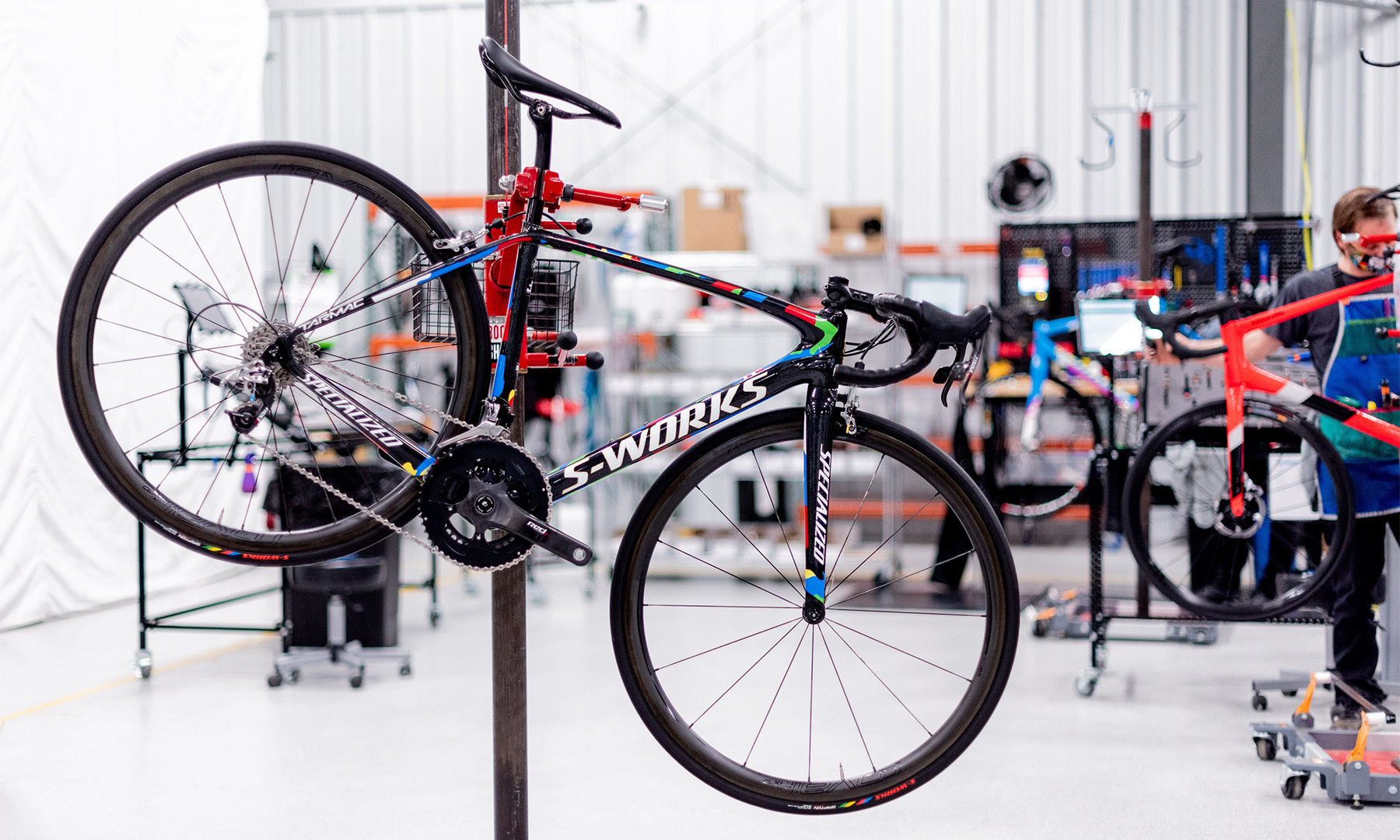
Image Source: www.theproscloset.com
Deciphering the Weight of Racing Bicycles
The allure of a fast bike often comes hand-in-hand with the pursuit of lightness. For cyclists, particularly those drawn to the competitive edge, the weight of their machine is a significant consideration. This guide aims to illuminate the various factors that contribute to a racing bike’s heft and explore the typical weights across different cycling disciplines.
What Influences Racing Bike Weight?
Several key components and material choices dictate how much a racing bicycle weighs. Understanding these elements is crucial for anyone looking to purchase or simply appreciate the engineering behind these speed machines.
Frame Material
The material of the frame is arguably the most impactful factor.
- Carbon Fiber: This is the reigning champion of lightweight frame construction. Its incredible strength-to-weight ratio allows for both rigidity and minimal mass. Modern carbon fiber frames can be incredibly light, often forming the backbone of the lightest racing bikes.
- Aluminum Alloys: A popular choice for many road bikes, aluminum offers a good balance of strength, durability, and cost. While generally heavier than carbon fiber, advancements in hydroforming and tubing manipulation have made aluminum frames surprisingly competitive in terms of weight.
- Steel: Once the standard for bicycle frames, steel is known for its durability, comfort, and classic ride quality. However, it is also significantly heavier than carbon fiber or aluminum, making it less common in modern pure racing applications, though still favored for certain niche disciplines or those prioritizing ride feel over absolute lightness.
- Titanium: Offering a superb blend of strength, corrosion resistance, and a unique ride quality, titanium is a premium material. While lighter than steel, it typically weighs more than comparable carbon fiber frames, placing it in a higher price bracket.
Components
Beyond the frame, the components bolted onto it play a massive role in the overall bicycle weight.
- Wheelset: Wheels are rotating masses, meaning their weight has a disproportionately large impact on how a bike feels and accelerates. Lightweight carbon fiber or high-end aluminum wheelsets can shave significant weight.
- Groupset (Drivetrain): This includes shifters, derailleurs, cranksets, and cassettes. Higher-end groupsets often utilize lighter materials like carbon fiber and titanium, as well as more advanced manufacturing processes to reduce weight.
- Brakes: While rim brakes are generally lighter than their disc brake counterparts, the evolution of disc brake technology has seen the weight gap narrow, especially with lightweight rotor and caliper designs.
- Handlebars, Stem, and Seatpost: These contact points are often made from carbon fiber on higher-end bikes to reduce weight and add a degree of vibration damping.
- Saddle: Even small components like the saddle can contribute to the overall weight. Lightweight saddles often feature carbon rails and minimal padding.
- Tires and Tubes: The weight of tires and, if used, inner tubes, contributes to the rotating mass. Tubeless setups can sometimes offer a slight weight advantage over traditional clinchers with tubes.
Frame Geometry and Design
While not directly a material, the design of the frame—its tube shapes, butting (varying wall thickness), and overall construction—also influences weight. Aerodynamic features, while beneficial for speed, can sometimes add a small amount of weight compared to simpler tube designs.
Weighing In: Typical Racing Bike Weights by Discipline
The term “racing bike” is broad, encompassing several distinct categories, each with its own weight considerations.
Road Bike Weight
This is perhaps what most people picture when they think of a racing bike. The goal here is speed on paved surfaces.
- Average Racing Bike Weight (Road): For a new, decent-quality road bike, you can expect the road bike weight to be in the range of 18-22 pounds.
- Performance Road Bikes: These often aim for a balance of aerodynamics and lightweight construction. Expect weights between 16-19 pounds.
- Lightweight Racing Bicycles (Climbing Bikes): These are optimized for steep ascents and will typically be at the lighter end of the spectrum. Many can be found in the 14-17 pound range.
- Pro Cycling Bike Weight (Road): Professional cyclists often ride bikes that are meticulously built to be as light as possible, often hovering around the UCI’s minimum weight limit of 6.8 kilograms (approximately 14.99 pounds). Achieving this often involves high-end carbon fiber frames, electronic groupsets, and ultralight wheelsets.
Track Bike Weight
Track bikes are designed for speed on velodromes, with a focus on rigidity and aerodynamics.
- Track Bike Weight: Track bikes are generally lighter than road bikes, as they lack gears, brakes, and suspension. A typical track bike weight can range from 12-16 pounds. The absence of these components significantly reduces overall bicycle weight.
Time Trial Bike Weight
Time trial bikes are built for pure aerodynamic efficiency over long distances against the clock. While aerodynamics is paramount, weight still plays a role.
- Time Trial Bike Weight: These bikes can vary, but they tend to be heavier than lightweight road bikes due to their aero features, wider tires, and often integrated storage or hydration systems. Expect time trial bike weight to be in the 18-22 pound range, though some very high-end models might be slightly lighter. The focus here is less on climbing and more on maintaining speed on flat or rolling terrain.
Cyclocross Bike Weight
Cyclocross bikes are designed for mixed terrain—mud, grass, gravel, and pavement—and require a more robust build.
- Cyclocross Bike Weight: Due to their wider tires, more durable components, and often disc brakes, cyclocross bikes are typically heavier than road bikes. An cyclocross bike weight can range from 18-25 pounds.
Gravel Bike Weight
Gravel bikes blend road bike geometry with features suited for off-road riding, including wider tire clearance and more relaxed handling.
- Gravel Bike Weight: Similar to cyclocross bikes, the need for wider tires, disc brakes, and sometimes suspension or more robust frame designs mean gravel bikes tend to be on the heavier side. An gravel bike weight often falls between 20-28 pounds, though lighter, performance-oriented gravel bikes are becoming more common.
The UCI Bike Weight Limits
For professional road racing, the Union Cycliste Internationale (UCI) has established bike weight limits. The most well-known is the minimum weight limit of 6.8 kilograms (approximately 14.99 pounds) for bicycles used in UCI-sanModes events. This rule was implemented to ensure that racing was not solely determined by the technology and expense of the bicycles.
Why the 6.8kg Limit?
The bike weight limits were introduced to:
- Promote rider skill: The idea was to prevent races from becoming a contest of who had the lightest, most expensive bike, and instead emphasize the rider’s physical capabilities and tactical prowess.
- Ensure safety: Extremely lightweight bikes, especially in the early days of carbon fiber, could sometimes raise concerns about durability and structural integrity under racing conditions.
Meeting the Limit
Many manufacturers build their top-tier racing bikes to be well under this limit, knowing that riders will add accessories like bottle cages, computers, and sometimes heavier tires or pedals, which naturally bring the bike up to or slightly above the minimum. It’s common to see pro cycling bike weight meticulously managed to hit this precise threshold.
The Pursuit of the Lightweight Racing Bicycle
The quest for a lightweight racing bicycle is a constant endeavor in the cycling industry. Every gram saved can translate into a fractional performance gain, especially on long climbs.
- Material Innovation: The development of advanced carbon fiber layups and manufacturing techniques continues to push the boundaries of what’s possible in terms of frame lightness and stiffness.
- Component Optimization: Manufacturers are constantly refining components, using hollowed-out designs, titanium hardware, and lighter alloys to shave grams from groupsets, wheels, and contact points.
- Aerodynamics vs. Weight: There’s often a trade-off between aerodynamic features and pure weight. A highly aerodynamic frame might be slightly heavier than a pure climbing frame, but it can offer significant advantages at higher speeds. The choice often depends on the intended race type.
Can I Afford a Lightweight Racing Bicycle?
Generally, the pursuit of extreme lightness comes with a significant price tag.
- High-End Materials: Carbon fiber, especially the ultra-high modulus varieties used in top-tier bikes, is expensive.
- Advanced Manufacturing: Complex molding processes and intricate designs contribute to cost.
- Premium Components: Lightweight groupsets, wheelsets, and components are also significantly more expensive than their heavier, more standard counterparts.
While entry-level racing bikes can be found at more accessible price points, truly featherlight machines favored by professionals are a substantial investment.
Factors Beyond Weight
It’s important to remember that bicycle weight is not the only factor determining a bike’s performance.
- Stiffness: A stiff frame transfers power efficiently from the pedals to the wheels. A bike that is too light but also too flexible can feel sluggish.
- Aerodynamics: For many types of racing, especially on flatter courses, aerodynamic efficiency can be more crucial than weight.
- Comfort and Fit: A bike that fits you well and is comfortable to ride for extended periods will ultimately allow you to perform better, regardless of a few extra grams.
- Tire Pressure and Tread: The contact points with the road—your tires—have a massive impact on rolling resistance and grip.
Frequently Asked Questions About Racing Bike Weight
Q: What is the lightest racing bike I can buy?
A: The absolute lightest racing bikes are custom-built or ultra-high-end production models that often push or stay just above the UCI’s 6.8kg minimum weight limit. These typically feature cutting-edge carbon fiber frames and the lightest possible components.
Q: Does weight matter for casual cycling?
A: While a lighter bike is generally easier to accelerate and climb with, for casual cycling, the difference in bicycle weight is less critical than comfort, fit, and reliability. The joy of cycling is accessible on bikes of all weights.
Q: How can I make my current bike lighter?
A: You can reduce your bike’s weight by upgrading components to lighter materials like carbon fiber (e.g., handlebars, seatpost, wheelset), switching to a lighter saddle, or opting for tubeless tires. However, be mindful of the cost-benefit ratio and the potential impact on durability.
Q: Are heavier bikes stronger?
A: Not necessarily. Modern materials like carbon fiber can be incredibly strong and stiff while remaining very light. A well-designed frame of any material can be both strong and relatively light. However, older or cheaper bikes might use heavier materials for increased durability.
Q: How much does an average road bike weigh?
A: As mentioned, an average racing bike weight for a road bike typically falls between 18-22 pounds. This can vary significantly based on the price point and intended use.
Q: Should I prioritize weight over aerodynamics for racing?
A: This depends heavily on the type of racing. For hilly races, weight is often paramount. For flat races or criteriums, aerodynamics can provide a more significant advantage. Many bikes aim for a balance.
In conclusion, the weight of a racing bike is a multifaceted aspect of its design, influenced by materials, components, and intended discipline. While the pursuit of lightness is a constant theme in competitive cycling, it’s essential to remember that a bike’s overall performance is a symphony of various elements, with rider capability and the specific demands of the race playing equally vital roles.