
A Tour de France bicycle weight typically hovers around the UCI’s minimum limit of 6.8 kilograms (14.99 pounds). This weight is a result of meticulous engineering and the use of advanced materials, primarily carbon fiber, to create lightweight racing bikes that offer maximum performance.
The question of Tour de France bicycle weight is one that fascinates cycling enthusiasts and casual observers alike. These machines are not just bikes; they are finely tuned instruments of speed and endurance, piloted by some of the world’s most elite athletes. The pursuit of a lighter bike is a constant battle in professional cycling, driven by the desire for any aerodynamic edge or climbing advantage. But what exactly is the magic number for these incredible machines? Let’s dive deep into the world of pro cycling bike weight and uncover the secrets behind these feather-light steeds.
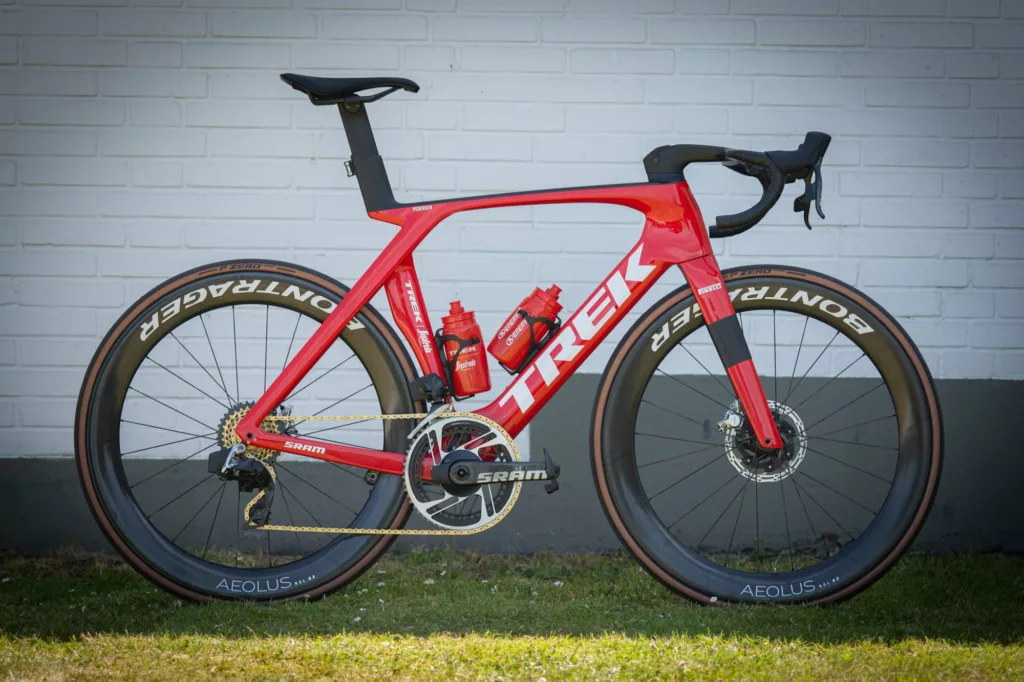
Image Source: procyclinguk.com
The Quest for Lightness: Why Weight Matters in Cycling
In the grueling crucible of the Tour de France, every gram counts. A lighter bicycle translates directly into a faster cyclist. Think about climbing a steep mountain pass. Pushing a heavier bike uphill requires more energy. Over hundreds of kilometers and multiple mountain stages, this energy saved can be the difference between winning and losing.
Climbing Advantage
On ascents, the force of gravity is a formidable opponent. The less mass a rider has to propel upwards, the easier and faster they can climb. This is why teams invest heavily in research and development to shave off even the smallest amount of weight from their bikes. A few hundred grams might seem insignificant, but when multiplied by the duration and intensity of a Tour de France stage, it becomes a tangible performance enhancer.
Acceleration and Handling
While climbing is a primary focus for weight reduction, a lighter bike also benefits acceleration and general handling. Quicker acceleration allows riders to respond to attacks or bridge gaps more effectively. Moreover, a lighter bike can feel more nimble and responsive in corners and technical sections, contributing to overall control and confidence.
Aerodynamics vs. Weight: A Constant Balancing Act
It’s important to note that weight is not the only factor determining a bike’s performance. Aerodynamics also plays a crucial role, especially on flat stages and descents. Teams must strike a delicate balance between keeping the bike light and making it as aerodynamic as possible. This often leads to design choices that might compromise on one aspect to enhance the other. For instance, deeper aero wheels might add a small amount of weight but significantly reduce drag. Similarly, some frame designs prioritize airflow over pure weight savings.
The UCI’s Influence: Bike Weight Limits Explained
The governing body of international cycling, the Union Cycliste Internationale (UCI), plays a significant role in shaping the specifications of bicycles used in professional races. One of their most critical regulations pertains to the minimum weight of a bicycle.
The 6.8 Kilogram Rule
The UCI mandates that all bicycles used in UCI-sanctioned events, including the Tour de France, must weigh at least 6.8 kilograms (14.99 pounds). This rule was implemented to prevent the sport from becoming an arms race dominated solely by technological advancements in materials and manufacturing, potentially making cycling prohibitively expensive and less about the rider’s ability.
Why 6.8 kg?
The 6.8 kg limit was established in the early 2000s. Before this rule, teams were pushing the boundaries of what was technically possible, creating incredibly light bikes. The concern was that bikes would become so specialized and fragile that they might compromise rider safety. The 6.8 kg mark was seen as a reasonable threshold that allowed for advanced materials and technology while still maintaining a degree of robustness and fairness.
Implications of the UCI Rule
The UCI bike weight regulations have had a profound impact on bike design. Manufacturers and teams are constantly working to build bikes that are as close to this minimum weight as possible without going under. This means that many lightest Tour de France bikes are meticulously assembled to hit this precise target.
- Ballast: In some cases, if a bike is built with extremely light components and comes in under 6.8 kg, riders or mechanics will add small amounts of weight, often in the form of lead or other dense materials, to the frame or components to meet the minimum requirement. This might seem counterintuitive, but it’s a necessity to comply with the rules.
- Component Selection: The UCI rule influences the selection of components. Teams will prioritize components that are both lightweight and durable enough to withstand the rigors of a three-week race.
The Materials Revolution: Carbon Fiber and Beyond
The evolution of materials has been the driving force behind the reduction in Tour de France bicycle weight. Gone are the days of heavy steel frames; today’s professional bikes are predominantly constructed from advanced composites.
The Reign of Carbon Fiber
Carbon fiber bike weight is exceptionally low compared to traditional frame materials like aluminum or steel. Carbon fiber is a material made of extremely thin strands of carbon atoms woven together into a fabric. This fabric is then layered with a strong resin and molded into the desired shape under high pressure and temperature.
Advantages of Carbon Fiber:
- Lightweight: This is the most significant advantage. Carbon fiber offers an excellent strength-to-weight ratio, allowing for incredibly light yet strong frames.
- Stiffness: Carbon fiber can be engineered to be extremely stiff in certain directions while allowing for controlled flex in others, optimizing power transfer and rider comfort.
- Shapeability: Carbon fiber can be molded into complex aerodynamic shapes, which are difficult or impossible to achieve with metal tubing. This allows designers to create frames that cut through the wind efficiently.
- Vibration Dampening: Carbon fiber can effectively absorb road vibrations, leading to a more comfortable ride for the cyclist over long distances.
Other Advanced Materials
While carbon fiber dominates, other materials and technologies are also employed to minimize weight and enhance performance:
- Titanium: Though less common in top-tier racing bikes due to its higher cost and slightly heavier nature compared to carbon fiber, titanium is known for its incredible durability, corrosion resistance, and a comfortable ride quality.
- Ceramic Bearings: Found in hubs, bottom brackets, and jockey wheels, ceramic bearings reduce friction and can shave off a few precious grams.
- Lightweight Alloys: High-end aluminum alloys are still used in some components, offering a good balance of strength, weight, and cost.
Anatomy of a Tour de France Bike: Component Breakdown
A Tour de France bicycle is a complex system of interconnected components, each designed for maximum efficiency and minimal weight.
Frameset: The Heart of the Machine
The frame and fork are the most significant contributors to a bike’s overall weight. Modern performance bike weight is largely dictated by the frame’s design and material.
- Frame Materials: Primarily high-modulus carbon fiber, meticulously laid up to achieve optimal stiffness and lightness. Manufacturers offer different grades of carbon fiber, with higher grades being lighter and stiffer but also more expensive.
- Fork: Also made from carbon fiber, including the steerer tube, to save weight and improve front-end stiffness for better steering and braking.
Wheelset: Rolling Light and Fast
Wheelsets are critical for both weight and aerodynamics.
- Rims: Typically carbon fiber for their lightness and stiffness. Rim depth varies depending on the stage profile, with shallower rims for climbing and deeper rims for flatter, faster stages to improve aerodynamics.
- Hubs: Often made from lightweight aluminum alloys with ceramic bearings.
- Spokes: Lightweight bladed or blunted spokes are used to reduce rotational weight and improve aerodynamics.
Drivetrain: Shifting Gears with Precision
The drivetrain includes the crankset, chainrings, chain, cassette, and derailleurs.
- Crankset: Modern cranksets are often made from hollow-forged carbon fiber or lightweight aluminum alloys.
- Chainrings and Cassette: Made from lightweight aluminum or titanium alloys to reduce weight.
- Chain: Specially treated and often hollow-pin chains are used to save weight.
- Derailleurs: High-end derailleurs are constructed from lightweight alloys and carbon fiber composite parts. Electronic shifting systems, while adding a small battery weight, offer superior precision and ease of use.
Cockpit: Steering and Control
The handlebars, stem, and seatpost are all designed to be as light as possible.
- Handlebars and Stem: Typically made from carbon fiber or lightweight aluminum. Integrated handlebar-stem units are popular for their aerodynamic benefits and clean aesthetics.
- Seatpost: Usually carbon fiber for vibration damping and weight savings.
Brakes: Stopping Power, Lightweight Design
Brakes have seen significant evolution in recent years.
- Disc Brakes: Increasingly popular for their superior stopping power in all weather conditions. While historically heavier than rim brakes, modern disc brake systems have become much lighter, with lightweight calipers and rotors.
- Rim Brakes: Still used by some teams, these are generally lighter than disc brake systems but can be less effective in wet conditions.
Saddle and Pedals: The Rider’s Connection
Even these smaller components are scrutinized for weight.
- Saddle: Lightweight carbon fiber rails and minimalist designs are common.
- Pedals: Made from lightweight alloys with carbon fiber pedal bodies.
Typical Road Bike Specifications of a Tour de France Contender
Let’s look at some representative road bike specifications for a bike that could be raced at the Tour de France. Keep in mind that exact specifications can vary by team, rider preference, and the specific race course.
| Component | Material / Specification | Typical Weight (grams) | Notes |
|---|---|---|---|
| Frame | Carbon Fiber (High-Modulus) | 800 – 1000 | Aerodynamic or lightweight climbing designs vary |
| Fork | Carbon Fiber | 300 – 400 | Integrated with frame for aerodynamics |
| Wheelset | Carbon Fiber Rims, Aluminum/Ceramic Hubs, Bladed Spokes | 1200 – 1500 | Depth varies (e.g., 40mm front, 60mm rear) |
| Tires | Lightweight Clincher or Tubeless | 200 – 250 (each) | Specific compounds for grip and rolling resistance |
| Crankset | Hollow Carbon Fiber or Lightweight Alloy | 500 – 600 | Includes crank arms, chainrings, and bottom bracket |
| Chain | Lightweight Alloy/Steel (Hollow Pins) | 250 – 300 | |
| Cassette | Lightweight Alloy (Titanium or Aluminum) | 180 – 250 | 11-speed or 12-speed, with a wide range of cogs |
| Front Derailleur | Lightweight Alloy/Carbon Fiber | 70 – 100 | Electronic shifting is standard |
| Rear Derailleur | Lightweight Alloy/Carbon Fiber | 180 – 220 | Electronic shifting is standard |
| Shifters | Lightweight Alloy/Carbon Fiber | 150 – 200 (pair) | Integrated with brake levers |
| Brakes | Lightweight Disc Brake Calipers/Rotors or Rim Brakes | 150 – 300 (per wheel) | Disc brake systems are increasingly common |
| Handlebars | Carbon Fiber or Lightweight Alloy | 180 – 250 | Integrated units reduce weight and improve aerodynamics |
| Stem | Carbon Fiber or Lightweight Alloy | 80 – 150 | |
| Seatpost | Carbon Fiber | 150 – 250 | Integrated or standard, depending on frame design |
| Saddle | Lightweight Carbon Fiber Rails/Shell | 100 – 150 | Minimalist design |
| Pedals | Carbon Fiber/Alloy Body, Steel Axle | 100 – 150 (pair) | |
| Cables/Housing | Lightweight Alloy/Composite | 50 – 100 | Minimal length for internal routing and aerodynamics |
| Bottle Cages | Carbon Fiber | 20 – 40 (each) | Essential for hydration, but chosen for lightness |
Total Estimated Weight: Approximately 6.8 – 7.5 kg (before rider and accessories). This range reflects the UCI minimum and slight variations due to component choices or specific bike configurations.
The Lightest Tour de France Bikes: A Glimpse at the Top
Over the years, several manufacturers have pushed the boundaries to create some of the lightest Tour de France bikes. Brands like Specialized, Trek, Pinarello, Colnago, and Canyon are consistently at the forefront of this innovation.
- Specialized S-Works Tarmac SL7/SL8: Renowned for its all-around performance, balancing aerodynamics with low weight, making it a popular choice for general classification contenders.
- Trek Émonda SLR: Specifically designed as a climbing bike, the Émonda series is famously lightweight, often appearing at the very bottom of the UCI weight limit.
- Pinarello Dogma F: A flagship model that blends aerodynamic tube shapes with a focus on ride stiffness and low weight, often favored by aggressive riders.
- Canyon Aeroad CFR / Ultimate CFR: Canyon offers both aerodynamic and lightweight options, with the Ultimate CFR being their dedicated climbing and lightweight machine.
The pursuit of the lightest Tour de France bikes involves a constant cycle of innovation. Designers work with aerodynamicists and material scientists to create frames that are not only light but also stiff, compliant where needed, and aerodynamically efficient.
The Rider’s Role in Bike Weight
While the bike itself is a critical factor, it’s important to remember that the rider’s weight is also a significant consideration in cycling performance, especially in the mountains. Professional cyclists undergo rigorous training and adhere to strict diets to maintain a low body weight. The combined weight of the rider and the bike is what ultimately determines the force of gravity the rider must overcome.
For example, a 70kg rider on a 6.8kg bike has a total weight of 76.8kg. A lighter rider with the same bike would have a performance advantage on climbs. This is why the focus on weight reduction extends to the athlete as much as it does to the equipment.
Factors Influencing Bike Weight Beyond Components
Beyond the obvious components, several other factors contribute to the final Tour de France bicycle weight.
Paint and Finish
The paint job on a professional bike can add a surprising amount of weight. Teams often opt for minimalist paint schemes or even raw carbon finishes to save a few grams. Custom paint jobs, while visually appealing, can add significant weight.
Accessories and Electronics
While not part of the base bike weight, accessories like bike computers, GPS devices, power meters, and even the weight of water bottles and their cages can add to the total load carried by the rider. Teams carefully select the lightest available options for these as well.
Tire Choice and Pressure
The type of tire (clincher, tubeless, tubular) and the specific rubber compound can influence weight. Tubular tires, often glued directly to the rim, are traditionally favored for their lightness and supple ride quality in racing, though tubeless technology is rapidly catching up and sometimes surpassing them. Tire pressure, while not a weight factor, significantly impacts rolling resistance and grip, both crucial for performance.
Frame Size
A larger frame will naturally be heavier than a smaller frame made from the same materials and with the same design. Professional cyclists often use the smallest frame size that fits them comfortably to minimize weight.
Frequently Asked Questions (FAQ)
What is the minimum weight for a Tour de France bike?
The minimum weight for a bicycle in UCI-sanctioned events, including the Tour de France, is 6.8 kilograms (14.99 pounds).
Are all Tour de France bikes exactly 6.8 kg?
Not necessarily. While many bikes are built to be as close to 6.8 kg as possible, some might be slightly heavier due to design choices or the need for added durability. If a bike is lighter than 6.8 kg, ballast is added to meet the regulation.
Why is bike weight so important in the Tour de France?
Bike weight is crucial because a lighter bike requires less energy to accelerate and climb hills. In a race as demanding as the Tour de France, even small gains in efficiency can translate into significant performance advantages.
What materials are used for Tour de France bikes?
The vast majority of Tour de France bikes are made from high-modulus carbon fiber due to its exceptional strength-to-weight ratio and moldability.
Are there weight limits for components?
While the UCI has an overall bike weight limit, there are no specific weight limits for individual components. However, component manufacturers aim to make their products as light as possible while maintaining strength, reliability, and performance within the context of the overall 6.8 kg rule.
Can I buy a Tour de France-spec bike?
Yes, many of the bikes raced by professional teams are available to the public, often referred to as “pro-spec” or “team replica” bikes. However, these bikes can be very expensive, reflecting the advanced materials and technology used.
How does aerodynamics affect bike weight considerations?
Aerodynamics and weight are often in a trade-off. Deeper aero wheels might add a bit of weight but reduce drag, making the bike faster on flats. Teams and riders must balance these factors based on the demands of the race stage.
Does the UCI weight limit apply to time trial bikes?
Yes, time trial bikes also must adhere to the 6.8 kg minimum weight limit, although their designs are heavily focused on aerodynamics and often include integrated fairings and rider positions that are not allowed in road races.
How much does a professional cyclist’s bike cost?
A high-end professional racing bike, built to the specifications of a Tour de France contender, can cost anywhere from $8,000 to over $15,000 USD, and sometimes even more depending on the level of customization and the specific components.
What about disc brakes vs. rim brakes and weight?
Historically, rim brakes were lighter. However, modern disc brake systems have become very lightweight and offer significant advantages in stopping power and modulation, especially in wet conditions. Many teams have transitioned to disc brakes, accepting the slight potential weight penalty for the performance benefits.