
So, you’re wondering, “How much does an electric dirt bike cost?” Generally, electric dirt bikes can range from around $3,000 for entry-level models to over $15,000 for high-performance, professional-grade machines. This broad spectrum reflects the diverse technologies, performance capabilities, and features available in the growing electric off-road market.
The world of dirt biking is changing. Electric dirt bikes are no longer a niche curiosity; they are a serious and exciting alternative to their gasoline-powered counterparts. They offer instant torque, quiet operation, and a cleaner riding experience. But when it comes to the electric dirt bike purchase cost, many potential riders are unsure of what to expect. This guide aims to demystify the electric dirt bike prices and help you make an informed decision. We’ll explore the factors that influence electric dirt bike affordability, look at the average electric dirt bike cost, and help you determine if an electric dirt bike investment is right for you.
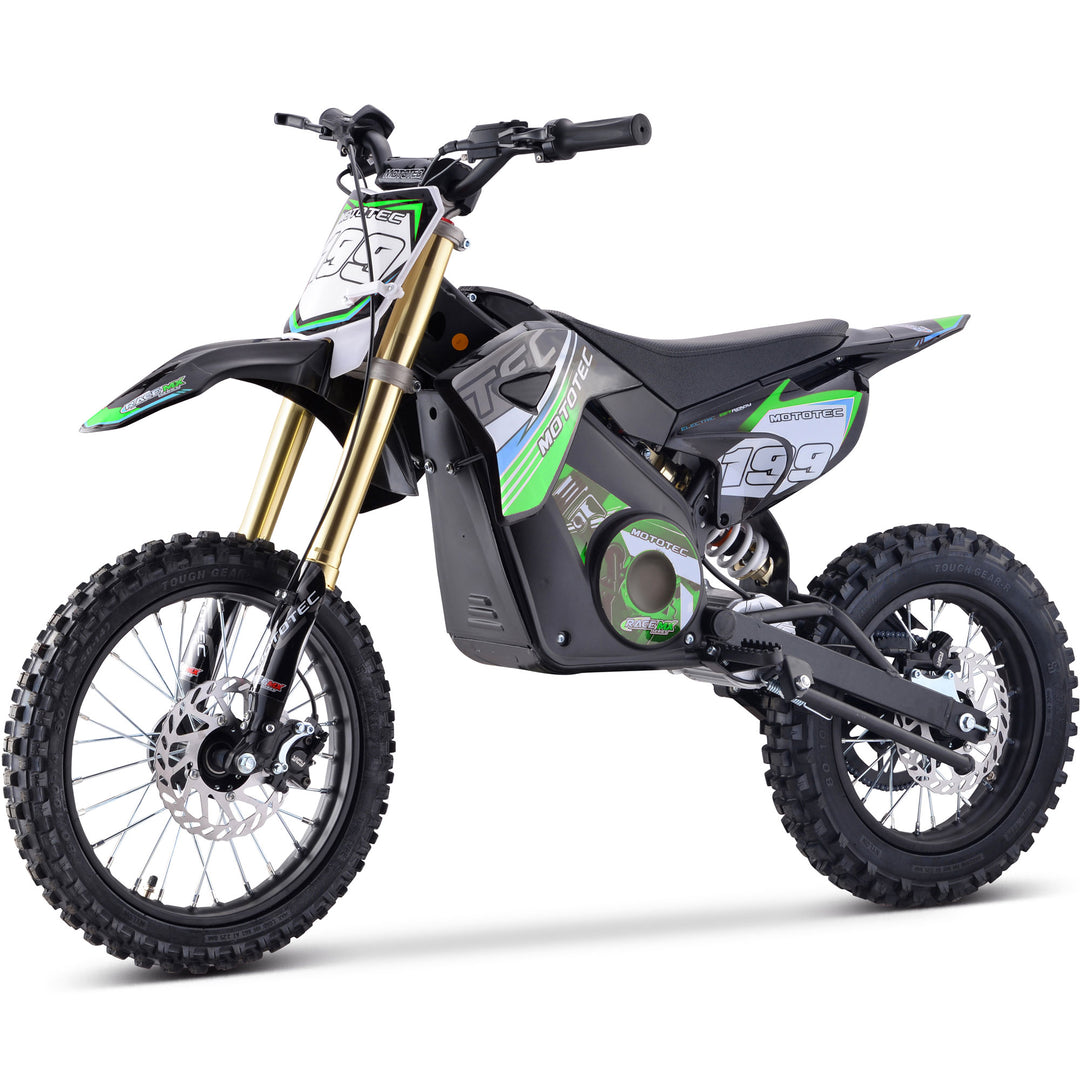
Image Source: electricrideco.com
Deciphering Electric Dirt Bike Prices
The cost of electric motocross bike models often sits at the higher end of the spectrum. This is due to the advanced battery technology, powerful motors, and sophisticated electronics required for competitive performance. Similarly, electric trail bike price points can also vary significantly based on factors like battery range, suspension quality, and overall build.
When you look at electric dirt bike retail price, you’re not just paying for the bike itself. You’re investing in cutting-edge technology, engineering innovation, and a different riding experience. Let’s break down what drives these costs.
Key Factors Influencing Electric Dirt Bike Cost
Several elements contribute to the final price tag of an electric dirt bike. Understanding these will help you appreciate the electric dirt bike purchase cost.
1. Battery Technology and Capacity
- The Heart of the Electric Bike: The battery is often the most expensive component of an electric dirt bike.
- Lithium-ion Dominance: Most electric dirt bikes use lithium-ion batteries, which offer a good balance of energy density, lifespan, and weight.
- Capacity Matters: Battery capacity, measured in kilowatt-hours (kWh), directly impacts range and power output. Larger capacity batteries are more expensive. A bike with a longer range will typically cost more.
- Charging Speed: Faster charging capabilities, while convenient, can also add to the overall cost due to more advanced battery management systems and charging hardware.
2. Motor Power and Performance
- Torque and Speed: The power of the electric motor is a significant cost driver. Higher wattage motors provide more torque and higher top speeds, which are essential for performance-oriented bikes like electric motocross models.
- Motor Type: Different motor designs (e.g., mid-drive vs. hub drive) can have varying costs based on their complexity and efficiency. Mid-drive motors, often found in higher-performance bikes, can be more expensive.
- Cooling Systems: High-performance electric dirt bikes often require robust cooling systems for both the motor and battery to prevent overheating during demanding use. This adds to the complexity and cost.
3. Frame and Suspension Components
- Material: Like traditional dirt bikes, the materials used for the frame (e.g., aluminum, chromoly steel) influence the cost. Lightweight and strong materials can increase the price.
- Suspension Quality: High-quality suspension systems, such as those from renowned manufacturers like WP or Showa, are crucial for handling and comfort on rough terrain. Top-tier suspension components are expensive and add significantly to the electric dirt bike retail price.
- Adjustability: Fully adjustable suspension (compression, rebound) allows riders to fine-tune their bike’s performance for different conditions, but this feature comes at a premium.
4. Build Quality and Components
- Durability: The overall build quality, including the use of premium components for brakes, wheels, tires, handlebars, and controls, impacts the price.
- Brand Reputation: Established brands with a reputation for quality and reliability often command higher prices.
- Features: Additional features like advanced digital displays, multiple ride modes, regenerative braking, and robust lighting systems can also contribute to the overall cost.
5. Intended Use and Specialization
- Electric Motocross Bikes: These are built for racing and aggressive riding. They typically have powerful motors, advanced suspension, and high-end components, placing them at the higher end of the price spectrum for electric dirt bikes.
- Electric Trail Bikes: Designed for recreational riding and exploring trails, these bikes may have slightly less powerful motors and more emphasis on comfort and range. Their prices can vary widely, offering options for different budgets.
- Kids’ Electric Dirt Bikes: Smaller, less powerful electric dirt bikes designed for younger riders are generally the most affordable. These can be a great entry point into the sport.
Electric Dirt Bike Price Ranges: A Detailed Look
Let’s dive deeper into the typical price brackets you can expect to encounter when looking at electric dirt bikes. This will give you a clearer picture of the average electric dirt bike cost.
Entry-Level Electric Dirt Bikes (Under $5,000)
- Target Audience: Beginners, younger riders, or those looking for a casual riding experience.
- Key Features:
- Lower power output motors (e.g., 1kW – 3kW).
- Smaller battery capacity, resulting in shorter range (often 1-2 hours of riding).
- Simpler suspension systems, often with limited adjustability.
- Basic frame construction.
- Focus on ease of use and safety.
- Examples: Many mini electric dirt bikes and some entry-level adult electric dirt bikes fall into this category. They are excellent for learning the basics or for riding on private property. These represent a budget electric dirt bike option.
Mid-Range Electric Dirt Bikes ($5,000 – $10,000)
- Target Audience: Enthusiast riders, recreational trail riders, and those looking for a step up in performance.
- Key Features:
- More powerful motors (e.g., 5kW – 15kW) offering better acceleration and top speed.
- Larger battery capacities providing extended range (often 2-4 hours of riding).
- Improved suspension components with some adjustability.
- Better quality brakes and drivetrain.
- Often feature multiple ride modes and more sophisticated electronics.
- These bikes offer a good balance of performance and electric dirt bike affordability.
- Examples: Many popular electric trail bikes and some less aggressive electric motocross-style bikes are found here.
High-Performance Electric Dirt Bikes ($10,000+)
- Target Audience: Serious riders, amateur racers, and those seeking top-tier performance for motocross or aggressive trail riding.
- Key Features:
- High-output motors (e.g., 15kW – 30kW+) delivering exceptional power and torque comparable to 250cc or 450cc gasoline bikes.
- Large, high-capacity batteries for extended range and consistent power delivery.
- Top-of-the-line, fully adjustable suspension systems from premium manufacturers.
- Lightweight, high-strength frames.
- Advanced features like sophisticated battery management systems, regenerative braking, and multiple performance profiles.
- The high-performance electric dirt bike cost reflects these cutting-edge technologies.
- Examples: Electric motocross bikes designed for competition, such as those from Stark Varg, Sur-Ron (premium models), or Cake (performance variants).
Comparing Electric Dirt Bikes to Gas Bikes: The Cost Equation
When considering the electric dirt bike investment, it’s essential to compare the upfront cost with the long-term savings and the overall value proposition compared to traditional gasoline dirt bikes.
Upfront Costs
- Electric Dirt Bikes: Generally have a higher upfront purchase price than comparable gasoline dirt bikes, primarily due to battery technology and powertrain complexity.
- Gasoline Dirt Bikes: Offer a lower entry price point for many models.
Long-Term Ownership Costs
This is where electric dirt bikes often shine.
1. Fuel vs. Electricity
- Electric: The cost of electricity to charge a dirt bike is significantly lower than the cost of gasoline. A full charge typically costs a few dollars or less, depending on electricity rates.
- Gasoline: Fuel costs can add up quickly, especially with fluctuating gas prices and the fuel consumption of high-performance dirt bikes.
2. Maintenance
- Electric: Electric dirt bikes have far fewer moving parts than gasoline bikes. There are no carburetors to clean, no oil to change, no spark plugs, no exhaust systems, and no complex clutch systems to maintain. This drastically reduces maintenance time and costs.
- Gasoline: Require regular oil changes, filter replacements, chain maintenance, valve adjustments, carburetor cleaning, and more frequent part replacements due to wear and tear on more complex systems.
3. Other Considerations
- Brakes: While both types of bikes have brake pads, electric bikes with regenerative braking can experience less wear on their traditional brake pads.
- Tires: Tire wear is largely dependent on riding style and terrain for both types of bikes.
- Battery Replacement: This is a significant long-term cost for electric bikes. However, high-quality batteries are designed to last for many years and thousands of charge cycles. When it does eventually need replacement, it can be expensive, but this cost should be amortized over the lifespan of the bike.
The Total Cost of Ownership (TCO)
While the initial electric dirt bike retail price might be higher, the lower running costs and reduced maintenance requirements can make electric dirt bikes more economical over their lifespan. This makes the electric dirt bike affordability a nuanced discussion that goes beyond the sticker price.
Popular Electric Dirt Bike Brands and Their Pricing
The market for electric dirt bikes is rapidly expanding. Here are a few prominent brands and what you can generally expect in terms of electric dirt bike prices.
1. Sur-Ron
- Reputation: Known for their agile, lightweight, and fun electric bikes that bridge the gap between bicycles and traditional dirt bikes.
- Pricing:
- Light Bee X: Often starts around $4,000 – $5,000. This is a very popular model for trail riding and general recreation.
- Storm Bee: A more powerful, full-size electric dirt bike with higher performance capabilities, typically costing $7,000 – $9,000+. This is more in the cost of electric motocross bike territory.
2. Cake
- Reputation: A Swedish brand focused on premium, minimalist, and sustainable electric off-road motorcycles, often designed for exploration and utility as much as for performance.
- Pricing:
- Ösa: A more utility-focused electric bike, with prices starting around $4,500 – $6,000.
- Kalk Series (Kalk INK, Kalk OR, Kalk AP): These are their performance-oriented models, with prices ranging from $10,000 to $15,000+, depending on the specific model and features. These are high-performance electric dirt bike cost examples.
3. KTM (Electric Models)
- Reputation: A powerhouse in the motocross and off-road world, KTM offers electric options that carry their performance legacy.
- Pricing:
- Freeride E-XC: A lightweight electric enduro bike, typically priced around $10,000 – $12,000.
- Stark Varg (Technically not KTM, but often associated due to partnership/development): This is a very high-performance electric motocross bike, with prices starting around $11,900. This is a significant contender for the cost of electric motocross bike at the top end.
4. Yamaha (Electric Models)
- Reputation: While Yamaha is a giant in gasoline motorcycles, their electric off-road offerings are still developing but are highly anticipated.
- Pricing:
- TY-E 2.0: A prototype/race-specific model, not for general sale, but indicative of their technological investment.
- Electric Scooter/Mopeds: Offer more accessible electric two-wheelers, but not typically in the full dirt bike category. Keep an eye on their future releases for more direct competitors in the electric trail bike price market.
5. Honda (Electric Models)
- Reputation: Similar to Yamaha, Honda is a major player in gasoline motorcycles and is also exploring electric off-road.
- Pricing:
- CR Electric Proto: A prototype electric motocross bike, showcasing their intentions.
- Montesa 4Ride: While a trials bike, some electric versions are being explored, but it’s a niche segment.
6. Other Brands to Consider
The electric dirt bike market is dynamic. Brands like Segway Dirt eBike, Talaria, and various smaller manufacturers offer a range of options, often at competitive price points.
* Segway Dirt eBike: Models like the X160 and X260 are often in the $4,000 – $5,000 range, offering good value for recreational riders.
* Talaria: Their Sting and Dragon models are generally priced between $5,000 and $8,000, offering performance that rivals more expensive options.
Is an Electric Dirt Bike a Good Investment?
The term “investment” for a recreational vehicle might seem unusual, but in the context of an electric dirt bike investment, it refers to the value you get over its lifetime and the potential for enjoyment and savings.
Pros of Investing in an Electric Dirt Bike:
- Lower Running Costs: Significantly cheaper to “fuel” and maintain.
- Environmental Friendliness: Zero tailpipe emissions, contributing to cleaner air.
- Quieter Operation: Allows for riding in areas where noise is a concern, and offers a different sensory experience.
- Instant Torque: Provides exciting acceleration that many riders enjoy.
- Reduced Mechanical Complexity: Less can go wrong, leading to fewer breakdowns and less frustration.
- Access to New Riding Areas: Some areas may restrict gasoline-powered vehicles due to noise or emissions, but allow electric ones.
Cons of Investing in an Electric Dirt Bike:
- Higher Initial Purchase Price: The upfront electric dirt bike purchase cost can be a barrier for some.
- Range Anxiety: While improving, battery range can still be a limitation for very long rides compared to gasoline bikes.
- Charging Time: Recharging a battery takes longer than refuelling a gas tank.
- Battery Degradation and Replacement Cost: Batteries have a finite lifespan and can be expensive to replace.
- Limited Model Availability (Historically): While growing, the selection might still be smaller than traditional dirt bikes, though this is rapidly changing.
Making the Decision:
Whether an electric dirt bike is a good electric dirt bike investment for you depends on your priorities.
- If you prioritize: Low maintenance, quiet operation, eco-friendliness, and are comfortable with the upfront cost and charging logistics, an electric dirt bike is likely an excellent choice.
- If you need: Extremely long range without interruption, instant refueling, or are on a very strict budget for the initial purchase, a gasoline dirt bike might still be more suitable.
Frequently Asked Questions (FAQ)
Q1: Are electric dirt bikes cheaper to maintain than gas dirt bikes?
Yes, generally, electric dirt bikes are significantly cheaper to maintain. They have fewer moving parts, meaning no oil changes, no spark plugs, no fuel filters, and no exhaust systems to worry about. This dramatically reduces both the cost and frequency of maintenance.
Q2: How long do electric dirt bike batteries last?
The lifespan of an electric dirt bike battery depends on its quality, how it’s used, and how it’s charged and stored. High-quality lithium-ion batteries in modern electric dirt bikes are typically designed to last for many years and thousands of charge cycles. Manufacturers often provide warranties for their batteries, commonly ranging from 1 to 3 years or a specific number of charge cycles.
Q3: What is the range of an electric dirt bike?
The range of an electric dirt bike varies greatly depending on the model, battery capacity, riding conditions, and rider weight. Entry-level models might offer a range of 10-20 miles, while higher-performance bikes with larger batteries can achieve 30-50 miles or more on a single charge under optimal conditions. Many manufacturers quote riding times (e.g., 1-4 hours) rather than distance.
Q4: Can I ride an electric dirt bike on public trails?
Regulations vary significantly by location. Some public trails that permit gasoline dirt bikes may also allow electric dirt bikes due to their quieter operation and zero emissions. However, it’s crucial to check with local land managers and authorities before riding on any public trails. Some areas may have specific restrictions for electric off-road vehicles.
Q5: What is the top speed of an electric dirt bike?
The top speed of electric dirt bikes also varies widely. Smaller, entry-level bikes might top out around 20-30 mph. Mid-range bikes can reach 40-60 mph, while high-performance electric motocross bikes can exceed 70 mph and even approach 100 mph in some cases, rivaling the performance of their gasoline counterparts.
Q6: Is the electric dirt bike purchase cost worth it compared to a gasoline bike?
This depends on your priorities. While the upfront cost is often higher, the lower running costs (electricity vs. gasoline) and significantly reduced maintenance can make an electric dirt bike a more economical choice over the long term for many riders. It also offers a different, often quieter and more responsive, riding experience.
Q7: What makes a high-performance electric dirt bike cost so much?
The higher cost of high-performance electric dirt bikes is attributed to advanced battery technology, more powerful and efficient motors, premium suspension components, lightweight and durable frame materials, sophisticated electronics, and rigorous engineering for competitive performance. These bikes are built with the best available technology to compete at a high level.
Conclusion
The electric dirt bike purchase cost is a significant consideration for anyone looking to enter the electric off-road riding scene. From budget-friendly options for beginners to high-performance machines for seasoned racers, there’s an electric dirt bike to suit various needs and budgets. While the initial investment might seem higher than for some gasoline-powered alternatives, the long-term savings in fuel and maintenance, combined with the unique riding experience, make electric dirt bikes a compelling electric dirt bike investment. By carefully considering the factors discussed – battery technology, motor power, component quality, and intended use – you can navigate the pricing landscape and find the electric trail bike price or cost of electric motocross bike that best fits your riding aspirations and your wallet. As technology continues to advance, expect the electric dirt bike affordability to improve, making these exciting machines accessible to an even wider audience.