
The weight of a bicycle can vary significantly, generally ranging from as little as 15 pounds for a lightweight road bike to over 60 pounds for a heavy-duty electric mountain bike.
When you’re looking for a new bike, one of the first things you’ll notice is the variety of types available. From sleek road bikes built for speed to robust mountain bikes designed for rugged trails, each category has its own purpose and, consequently, its own typical weight. But why does bicycle weight matter, and how much should a bike weigh? This guide will help you decipher the world of bike weights and find the perfect ride for your needs.
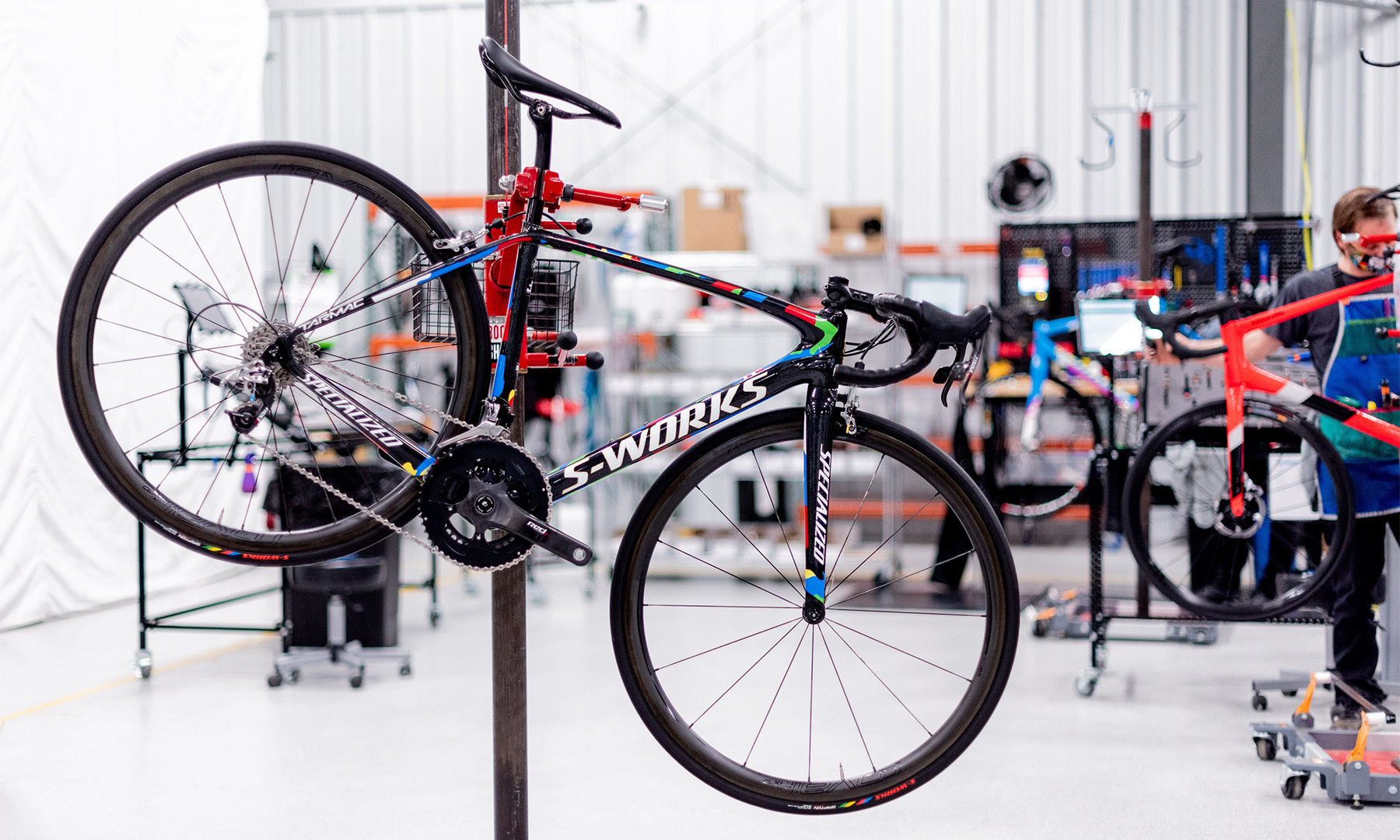
Image Source: www.theproscloset.com
Deciphering the Importance of Bicycle Weight
The bike curb weight is more than just a number; it’s a crucial factor that influences how a bicycle feels and performs. A lighter bike generally requires less effort to accelerate, climb hills, and maneuver. Conversely, a heavier bike might offer more stability or durability, particularly in specialized applications like touring or cargo hauling.
The Impact of Weight on Performance
- Acceleration: Lighter bikes feel quicker off the line. Every pedal stroke translates more efficiently into forward motion.
- Climbing: Hills become significantly easier to conquer when your bike is lighter. You’re not just pushing the bike forward; you’re also lifting its weight against gravity.
- Handling: While not the only factor, weight distribution and overall mass play a role in how a bike steers and responds to rider input.
- Carrying: If you need to lift your bike onto a car rack, carry it up stairs, or transport it on public transit, a lighter bike is a massive advantage.
Bike Weight by Type: A Comprehensive Breakdown
The type of bike you choose is the most significant determinant of its weight. Manufacturers build bikes for different purposes, and this dictates the materials used, the components fitted, and ultimately, the overall bike weight by type.
Road Bike Weight
Road bike weight is a key consideration for cyclists who prioritize speed and efficiency on paved surfaces. These bikes are designed with aerodynamics and low weight in mind.
- Typical Range: Lightweight road bikes can weigh as little as 15-18 pounds (6.8-8.2 kg). Performance-oriented road bikes often fall in the 18-22 pound (8.2-10 kg) range. Entry-level or endurance road bikes might be slightly heavier, perhaps 22-25 pounds (10-11.3 kg).
- Factors Influencing Weight:
- Frame Material: Carbon fiber is the lightest and strongest, followed by high-grade aluminum. Steel and heavier aluminum alloys will increase weight.
- Components: Lighter groupsets (drivetrain and brakes), wheels, and contact points (saddle, handlebars) contribute to a lower overall weight.
- Tire Width: Narrower tires are generally lighter than wider ones.
Mountain Bike Weight
Mountain bike weight is a more nuanced discussion, as weight needs to be balanced with durability and the ability to absorb impacts.
- Typical Range:
- Cross-Country (XC) Mountain Bikes: These are the lightest mountain bikes, often ranging from 22-28 pounds (10-12.7 kg). They are designed for climbing and fast riding over less technical terrain.
- Trail/All-Mountain Bikes: These bikes are more robust and versatile, typically weighing between 28-35 pounds (12.7-15.9 kg). They can handle more challenging descents and climbs.
- Enduro/Downhill Bikes: Built for aggressive riding and high-speed descents, these bikes are heavier, often ranging from 35-45 pounds (15.9-20.4 kg) or more. Durability and suspension travel are prioritized over absolute lightness.
- Factors Influencing Weight:
- Frame Material: Aluminum and carbon fiber are common. Carbon fiber is lighter but more expensive.
- Suspension: Full suspension bikes are heavier than hardtails (bikes with only front suspension) due to the rear shock and linkage. The amount of suspension travel also adds weight.
- Tires: Wider, knobbier tires for grip are heavier than narrower, smoother tires.
- Wheel Size: Larger wheels (29-inch) can sometimes be slightly heavier than smaller ones (27.5-inch), but this is offset by their rolling efficiency.
Electric Bike Weight
Electric bike weight is significantly influenced by the addition of a motor and battery.
- Typical Range: Electric bikes are generally heavier than their non-electric counterparts.
- Electric Road Bikes: Can range from 28-35 pounds (12.7-15.9 kg).
- Electric Mountain Bikes (eMTBs): Typically weigh between 40-55 pounds (18.1-24.9 kg), sometimes even more for robust models.
- Electric Commuter/Hybrid Bikes: Often fall in the 40-55 pound (18.1-24.9 kg) range.
- Factors Influencing Weight:
- Battery Capacity: Larger batteries, offering longer range, are heavier.
- Motor Type and Size: More powerful motors can add weight.
- Frame Material: Aluminum is very common for e-bike frames to balance cost, strength, and weight.
- Suspension and Components: Similar to non-electric bikes, these factors add to the overall mass.
Gravel Bike Weight
Gravel bike weight sits in an interesting middle ground, combining road bike efficiency with some of the ruggedness of mountain bikes.
- Typical Range: Gravel bikes generally weigh between 19-25 pounds (8.6-11.3 kg). This allows them to be nimble on varied terrain.
- Factors Influencing Weight:
- Frame Material: Carbon fiber and aluminum are prevalent. Steel is also used for its ride quality and durability, though it’s typically heavier.
- Tire Clearance: Gravel bikes are designed to accommodate wider tires than road bikes, which can add a small amount of weight.
- Componentry: Similar to road bikes, lighter groupsets and wheels will reduce the overall weight.
Other Bike Types and Their Weights
- Hybrid Bikes: Designed for comfort and versatility, often used for commuting and recreational riding. They typically weigh between 25-35 pounds (11.3-15.9 kg).
- Touring Bikes: Built for carrying heavy loads over long distances, these bikes prioritize durability and stability. They can weigh anywhere from 30-45 pounds (13.6-20.4 kg) without gear.
- BMX Bikes: Known for their small size and maneuverability, BMX bikes are often made from sturdy steel, resulting in weights of around 22-28 pounds (10-12.7 kg).
- Folding Bikes: Their compact nature can sometimes mean lighter weights, but the folding mechanisms and sturdier frames needed can offset this. They can range from 20-35 pounds (9-15.9 kg).
What is the Average Bike Weight?
The average bike weight is difficult to pinpoint precisely due to the vast array of bike types. However, if we consider the most popular categories for general cycling, the average might hover around 25-30 pounds (11.3-13.6 kg). This would encompass many hybrid bikes, entry-level road bikes, and lighter hardtail mountain bikes.
Factors Affecting Bike Weight
Beyond the type of bike, several other elements contribute to its overall mass.
1. Bike Frame Weight
The bike frame weight is the single largest contributor to a bicycle’s total weight. The material, design, and size of the frame all play a significant role.
-
Materials:
- Carbon Fiber: The lightest and strongest material for frames. It offers excellent vibration damping and stiffness. Frames can weigh as little as 1.5-2.5 pounds (0.7-1.1 kg) for high-end road bikes.
- Aluminum Alloys: A popular choice, offering a good balance of weight, strength, and cost. Aluminum frames typically weigh between 2.5-4 pounds (1.1-1.8 kg).
- Steel: Known for its durability and comfortable ride quality, steel frames are generally the heaviest, ranging from 4-6 pounds (1.8-2.7 kg) or more, depending on the type of steel.
- Titanium: A premium material that is lighter than steel but heavier than aluminum, offering excellent corrosion resistance and a unique ride feel. Titanium frames typically weigh between 3-4.5 pounds (1.4-2 kg).
-
Frame Design:
- Full Suspension vs. Hardtail: As mentioned, full suspension frames inherently carry more weight due to extra components.
- Tube Shapes and Thickness: Thicker, more robust tubes increase weight but also strength. Hydroforming and other advanced shaping techniques can optimize strength while minimizing weight.
- Integrated Components: Frames designed with integrated seatposts, handlebars, or internal cable routing can sometimes shave off a few grams.
2. Wheelset Weight
The wheels are rotating mass, meaning their weight has a more pronounced effect on how a bike accelerates and handles than static weight.
- Rims: Carbon rims are the lightest and stiffest, followed by high-end aluminum rims.
- Hubs: Lighter hubs often use advanced bearings and lighter alloys.
- Spokes: Lighter spokes can be made from thinner gauge steel or even carbon.
- Tires and Tubes: The weight of tires and inner tubes can vary considerably. Tubeless setups can sometimes be lighter than traditional tube-and-tire combinations.
3. Drivetrain Components
The groupset, which includes the shifters, derailleurs, crankset, cassette, and chain, can add significant weight.
- Shifters and Brake Levers: Electronic shifting systems are often lighter than mechanical ones.
- Crankset: Lightweight cranks are typically made from carbon fiber or high-grade aluminum.
- Cassette and Chain: Higher-end cassettes and chains use more advanced materials and designs to reduce weight.
4. Suspension Components
For mountain bikes, the suspension fork and rear shock are significant weight contributors.
- Travel: Longer travel suspension systems are generally heavier.
- Materials: High-end suspension components use lighter alloys and carbon fiber stanchions.
5. Other Components
- Saddle and Seatpost: Lightweight saddles and seatposts are common upgrades for weight reduction.
- Handlebars and Stem: Carbon fiber handlebars and stems are lighter than their aluminum counterparts.
- Pedals: Pedal weight can vary dramatically, from heavy-duty platforms to ultralight clipless pedals.
Can I buy a Lightweight Bicycle?
Yes, you absolutely can buy a lightweight bicycle. The market is full of options for those who prioritize low weight.
- For Road Enthusiasts: Look for bikes with carbon fiber frames, high-end component groupsets (like Shimano Ultegra Di2 or SRAM Red eTap), and lightweight wheelsets. These can often be found in the 15-18 pound range.
- For Mountain Bikers: A lightweight hardtail XC mountain bike with a carbon frame can be a great option, often falling into the low 20-pound range. For full suspension, consider lightweight trail or XC bikes.
- For Commuters/Casual Riders: While true ultralight bikes aren’t the primary focus, lighter hybrid or urban bikes made with aluminum frames and quality components can still offer a pleasant riding experience without being overly burdensome to lift or push.
Is a Lighter Bike Always Better?
Not necessarily. While a lighter bike often translates to better performance in terms of speed and climbing, it’s not the sole factor to consider.
- Durability: For certain disciplines, like downhill mountain biking or touring, a slightly heavier frame and components might be chosen for their increased durability and ability to withstand rough use.
- Comfort: Some materials that are lighter, like carbon fiber, also offer excellent vibration damping, improving ride comfort. However, other factors like frame geometry and tire width play a huge role in comfort.
- Cost: Lighter components and materials are almost always more expensive. A very lightweight bike will come with a premium price tag.
- Intended Use: For casual riding, commuting, or bike paths, the subtle performance gains of a significantly lighter bike might not be worth the extra cost. A slightly heavier but more robust and comfortable bike might be a better choice.
Fathoming Bike Weight vs. Other Factors
When choosing a bike, it’s important to weigh the importance of weight against other crucial factors:
- Fit: A bike that fits you properly will always feel better and perform better, regardless of its weight.
- Purpose: Match the bike type to your intended riding. A road bike won’t perform well on singletrack, no matter how light it is.
- Components: The quality and type of components (brakes, drivetrain, suspension) significantly impact performance and rider experience.
- Durability: For rugged use, a slightly heavier but stronger bike is often preferable.
- Budget: Determine your budget and find the best bike that fits your needs and financial constraints.
How to Find the Weight of a Specific Bike
- Manufacturer Websites: Most reputable bike manufacturers list the specifications, including weight, for their models on their official websites. Note that this is often for a specific size (usually medium) and may not include pedals.
- Bike Shop Staff: Experienced sales staff at your local bike shop can provide accurate information about the weight of bikes they carry.
- Online Reviews and Forums: Cycling publications and online forums often feature detailed reviews that include the weight of tested bikes.
- Weighing it Yourself: The most accurate method is to weigh the bike yourself using a digital scale. If the bike comes without pedals, remember to add the weight of the pedals you intend to use.
Frequently Asked Questions (FAQ)
Q1: What is a good weight for a beginner road bike?
A good weight for a beginner road bike typically falls between 22-25 pounds (10-11.3 kg). These bikes offer a good balance of performance and affordability.
Q2: Can I make my current bike lighter?
Yes, you can often reduce the weight of your existing bike. Common upgrades include:
* Switching to lighter tires and tubes (or going tubeless).
* Upgrading to lighter wheels.
* Replacing heavier components like the saddle, seatpost, handlebars, and stem with lighter alternatives (often carbon fiber).
* Considering a lighter groupset when it’s time for a replacement.
Q3: How much does a bicycle weigh without pedals?
The weight listed on manufacturer websites usually excludes pedals. Pedals can add anywhere from 0.5 pounds (225g) for lightweight road pedals to over 1.5 pounds (680g) for heavier platforms.
Q4: Does bike weight affect resale value?
Yes, a lighter bike, particularly a lightweight bicycle in good condition, often commands a higher resale value, especially within certain categories like road cycling.
Q5: What is the difference between bike weight and bike curb weight?
In the context of bicycles, “bike weight” and “bike curb weight” are essentially the same. “Curb weight” is a term more commonly used for vehicles, referring to the total weight of the vehicle without occupants or cargo. For bikes, it simply means the weight of the bike as it is, ready to be ridden (though often excluding pedals).
Q6: How much does a bike frame weight contribute to the total bike weight?
The bike frame weight typically accounts for 30-50% of a bicycle’s total weight. This is why frame material and design are so critical in determining a bike’s overall mass.
Q7: What’s the lightest production bicycle ever made?
While exact records are hard to pin down, extremely lightweight road bikes can be built to weigh under 10 pounds (4.5 kg), often using exotic materials and custom components, but these are not typically available off-the-shelf and are prohibitively expensive. Commercially available lightweight road bikes typically start around 15 pounds (6.8 kg).
By considering these factors, you can make an informed decision when purchasing your next bicycle, ensuring you find a ride that not only performs well but also fits your budget and your riding aspirations.