
So, how much does it cost to tune up a bike? Generally, you can expect to pay anywhere from $75 to $250 for a basic to a more comprehensive bike tune-up. However, this price can vary significantly based on the type of bike, the services included, and where you get it done.
Keeping your bicycle in top condition is crucial for a smooth, safe, and enjoyable ride. Regular bike maintenance cost isn’t just about preventing breakdowns; it’s also about maximizing performance and extending the lifespan of your beloved two-wheeler. But what exactly goes into a tune-up, and how much should you budget for these essential services? This comprehensive guide will explore the various factors influencing bicycle service prices and help you understand the cost of bike tune-up.
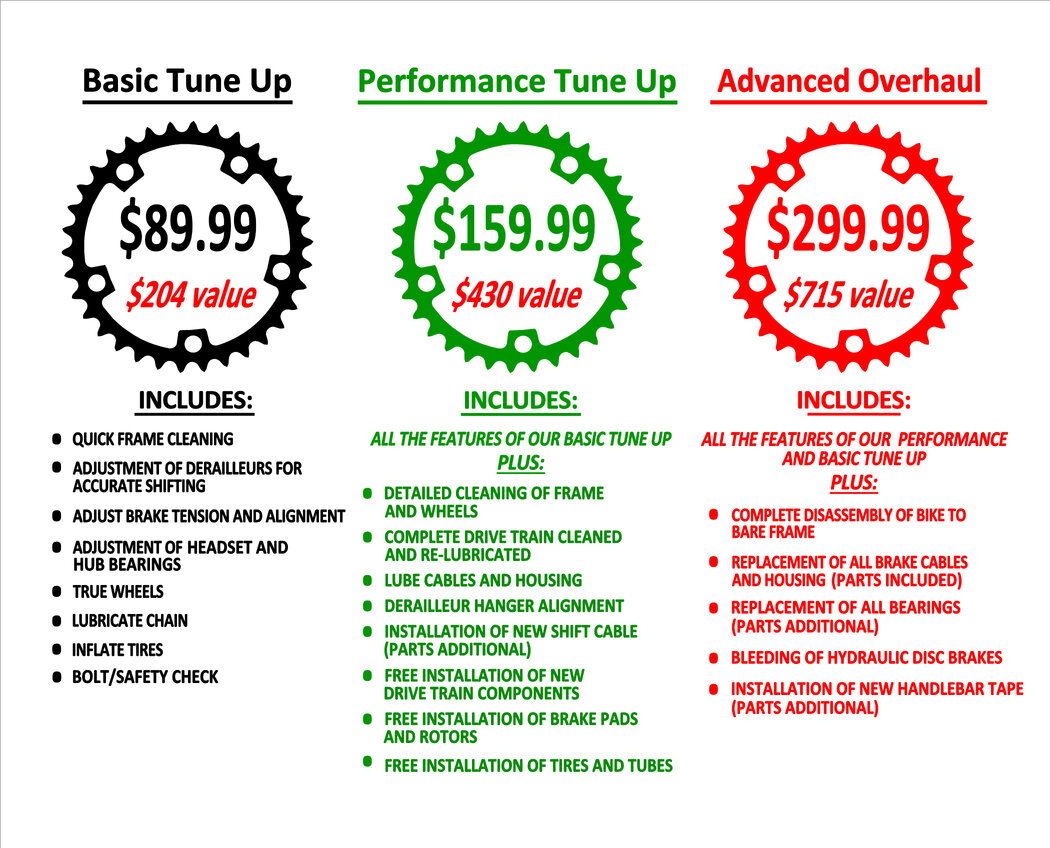
Image Source: www.sefiles.net
Deciphering the Bicycle Tune-Up
A “tune-up” can mean different things to different people and different bike shops. At its core, a bike tune-up is a preventative maintenance service designed to keep your bike running smoothly and efficiently. It typically involves a thorough inspection, cleaning, lubrication, and adjustment of key components. Think of it as a spa day for your bike!
What’s Usually Included in a Standard Tune-Up?
While offerings can vary, most bike shops provide a standard tune-up package that covers the essentials. This usually includes:
- Brake Adjustment: Ensuring your brakes are responsive and safe is paramount. This involves checking brake pads for wear, adjusting cable tension, and ensuring proper alignment. For hydraulic brakes, this might include a basic inspection for leaks.
- Gear Adjustment: Smooth shifting is key to an enjoyable ride. This service typically involves adjusting derailleurs (front and rear) to ensure clean and precise gear changes. It also includes checking and adjusting shifter cable tension.
- Drivetrain Cleaning and Lubrication: The chain, cassette, and chainrings are the heart of your bike’s propulsion. Cleaning away grime and applying fresh lubricant reduces friction, improves shifting, and prevents premature wear.
- Tire Inflation and Inspection: Checking tire pressure is a simple but vital step. Shops will also inspect tires for cuts, wear, and damage, ensuring they are safe to ride on.
- Wheel Truing (Minor): If your wheels have minor wobbles, a standard tune-up might include some basic truing to improve their straightness and stability.
- Bolt Check: A mechanic will go over your bike and ensure all critical bolts are properly tightened. This prevents parts from loosening up during rides.
- General Cleaning: While not a deep clean, most tune-ups include a wipe-down to remove surface dirt and grime.
What’s Typically Not Included in a Standard Tune-Up?
It’s important to know that a standard tune-up is not an overhaul. Certain services are usually extra:
- Cable Replacement: If your brake or shifter cables are frayed or stretched, they’ll need replacing, which comes with an additional cost for parts and labor.
- Brake Pad Replacement: If your brake pads are worn out, new ones will be an added expense.
- Chain Replacement: A worn chain can damage other drivetrain components, so replacement is often an extra cost.
- Tire or Tube Replacement: Flat tires or worn-out tires will incur additional charges.
- Suspension Service: For mountain bikes, suspension fork and rear shock servicing are specialized jobs that are not part of a standard tune-up.
- Bleeding Hydraulic Brakes: If your hydraulic brakes feel spongy, they might need bleeding, a service usually priced separately.
- Bearing Service: Overhauling hubs, headsets, or bottom brackets are more in-depth services that cost more.
Factors Influencing Bike Tune-Up Costs
Several elements contribute to the final bike repair estimate you receive from a shop. Understanding these will help you budget effectively and get the best value for your money.
Type of Bicycle
The complexity and components of your bike play a significant role in bicycle maintenance expenses.
- Road Bikes: Generally simpler in design with fewer complex systems, road bike tune-ups tend to be on the lower end of the spectrum. However, performance-oriented road bikes with electronic shifting or advanced braking systems might incur slightly higher costs for specialized adjustments.
- Mountain Bikes (MTB): These bikes often have more complex suspension systems, hydraulic disc brakes, wider gear ranges, and sometimes dropper posts. Each of these adds complexity to a tune-up, increasing the labor involved and thus the overall cost to service bicycle. A full suspension mountain bike will almost certainly cost more than a rigid one.
- Hybrid and Commuter Bikes: These bikes often fall in the middle. Their setup is usually straightforward, but they might have features like fenders, racks, or dynamo lighting that require a bit more time to work around.
- E-Bikes: E-bikes come with electrical components (motors, batteries, controllers) that require specialized knowledge and tools. While a basic mechanical tune-up might be similar in price to a non-electric bike, any work involving the electrical system will significantly increase the professional bike service cost. Some shops may also charge more due to the added weight and complexity of working on an e-bike.
- Single-Speed/Fixie Bikes: These bikes are the simplest, with fewer moving parts. Tune-ups are typically the most affordable for this category.
Level of Service: Basic vs. Comprehensive
Bicycle service prices are often tiered. Shops usually offer different levels of tune-ups to cater to various needs and budgets.
- Basic Tune-Up: This is the entry-level service. It covers the essential adjustments and checks mentioned earlier. It’s ideal for bikes that are in generally good working order but just need a little fine-tuning. The average bike tune-up cost for this tier usually falls between $75 and $125.
- Standard/Intermediate Tune-Up: This often includes everything in a basic tune-up, plus a more thorough cleaning of the drivetrain, minor wheel truing, and perhaps a check of bearing preload. This is a good option for bikes used regularly in moderate conditions. Expect to pay between $100 and $175 for this level.
- Premium/Overhaul Tune-Up: This is the most comprehensive service. It’s essentially a full strip-down and rebuild of the bike. It includes all the standard services, plus:
- Drivetrain removal, cleaning, and re-lubrication.
- Full suspension service (fork and shock rebuilds).
- Hub, headset, and bottom bracket bearing servicing.
- Brake bleeding for hydraulic systems.
- Truing wheels to a higher standard.
- Replacement of cables and housing if necessary (though parts are often extra).
This level of service can range from $175 to $350 or even more, depending on the bike. This is often referred to as a bike overhaul price and is for bikes that haven’t been serviced in a long time or are being prepared for a specific event.
Parts and Additional Repairs
The cost of bike tune-up is generally for labor and the adjustments themselves. Any worn-out parts that need replacing will be an additional expense. This is where bike maintenance cost can quickly add up.
- Brake Pads: Prices can range from $10-$30 per pair for basic pads to $50+ for high-performance or specific brands.
- Cables and Housing: A full set typically costs $20-$50.
- Chains: A new chain can cost $20-$100 depending on the quality and number of speeds.
- Tires and Tubes: Tubes are usually $5-$10, while tires can range from $20 for basic ones to $100+ for performance or tubeless-ready options.
If your bike has specific issues beyond routine adjustments, such as a bent wheel, a damaged derailleur, or a worn-out bottom bracket, these will be itemized on your bike repair estimate and add to the overall bicycle maintenance expenses.
Location and Shop Reputation
Bicycle service prices can vary based on geographic location. Shops in major metropolitan areas or tourist destinations might charge more due to higher overhead costs and demand.
The reputation and expertise of the bike shop also influence pricing. Highly reputable shops with experienced mechanics may command higher prices, but they often provide superior service and a greater level of care for your bike. It’s worth investing in a good shop, especially for more complex bikes or if you’re seeking specialized services.
What to Expect During a Professional Bike Service
When you take your bike in for a tune-up, a professional mechanic will typically follow a systematic process.
The Mechanic’s Checklist
A good mechanic will go through a detailed checklist to ensure nothing is overlooked. This might include:
- Initial Assessment: The mechanic will first look over your bike to identify any obvious issues or damage. They might ask you about any specific problems you’ve noticed.
- Cleaning: While not a deep clean in a basic tune-up, the bike will be cleaned to allow for better inspection and easier adjustments.
- Inspection of Wear Items:
- Tires: Checking tread depth, sidewall integrity, and potential damage.
- Brake Pads: Measuring thickness and checking for even wear.
- Chain: Using a chain wear indicator tool to check for stretch.
- Cassette and Chainrings: Looking for worn teeth (shark-finning).
- Adjustment of Moving Parts:
- Brakes: Adjusting caliper position, pad contact, and cable tension. For hydraulic brakes, checking fluid levels and looking for leaks.
- Gears: Adjusting derailleur limit screws and cable tension for optimal shifting.
- Headset: Ensuring it’s properly tensioned and spins smoothly without play.
- Bottom Bracket: Checking for play and smooth rotation.
- Hub Bearings: Checking for play and smooth spinning.
- Wheel Truing: Addressing any lateral or vertical wobble.
- Lubrication: Applying appropriate lubricants to the chain, derailleur pivots, and other moving parts.
- Tightening: Ensuring all bolts, screws, and quick releases are torqued correctly.
- Test Ride: Most mechanics will take the bike for a short test ride to confirm all adjustments are correct and the bike is performing as expected.
Getting a Bike Repair Estimate
Before any work begins, most reputable shops will provide you with a bike repair estimate. This estimate should detail the services included in the tune-up package, any additional parts that need replacing, and the estimated labor costs. It’s always a good idea to ask for this estimate upfront and to discuss any concerns you might have.
When to Get a Tune-Up
The frequency of tune-ups depends on how often and in what conditions you ride your bike.
- Casual Riders (Less than 100 miles/month): Once a year is usually sufficient. A seasonal tune-up before spring riding or after a long winter storage is ideal.
- Regular Riders (100-300 miles/month): Every 6 months is a good interval. This ensures that minor issues are caught before they become major problems.
- Aggressive/Competitive Riders or those riding in harsh conditions (e.g., rain, mud, salt): Every 3-4 months or even more frequently might be necessary. These conditions put more wear and tear on your bike’s components.
Signs Your Bike Needs a Tune-Up
Beyond the scheduled maintenance, be aware of these common signs that indicate your bike needs attention:
- Brakes feel spongy, weak, or grabby.
- Gears are skipping, not shifting smoothly, or the chain is noisy.
- Your wheels wobble or feel loose.
- You hear clicking, grinding, or squeaking noises that weren’t there before.
- The handlebars feel loose or the headset is stiff.
- Pedals feel loose or the bottom bracket is noisy.
- Your tires look worn or damaged.
Ignoring these signs can lead to more significant damage, costly repairs, and potentially unsafe riding conditions. The cost of bike tune-up is a small investment compared to the potential cost of a serious component failure or an accident.
DIY vs. Professional Service
While many basic maintenance tasks can be done at home with the right tools and knowledge, a full tune-up often benefits from professional expertise.
DIY Maintenance
You can perform several tasks yourself to keep your bike in good shape between professional tune-ups:
- Tire Inflation: Regularly check and adjust tire pressure.
- Chain Cleaning and Lubrication: This is one of the most impactful DIY tasks.
- Wipe Down and Basic Cleaning: Keeping the frame and components free of excessive dirt.
- Visual Inspection: Regularly checking for loose bolts, damaged parts, and tire wear.
Benefits of Professional Service
- Expertise: Professional mechanics have the experience and knowledge to diagnose and fix complex issues that you might miss.
- Specialized Tools: Many adjustments and services require specific tools that most home mechanics don’t own.
- Thoroughness: A shop tune-up is typically more comprehensive than what most home mechanics can achieve.
- Time Savings: Let the professionals handle the labor so you can focus on riding.
- Warranty and Guarantees: Reputable shops often stand behind their work, offering peace of mind.
When comparing bike maintenance cost, factor in the cost of tools and your time if you plan to do it yourself. For most people, the professional bike service cost is a worthwhile investment in their cycling enjoyment and safety.
Average Bike Tune-Up Cost Summary
To provide a clearer picture, here’s a general breakdown of average bike tune-up cost ranges:
| Service Level | Typical Price Range | What it Usually Includes |
|---|---|---|
| Basic Tune-Up | $75 – $125 | Brake/gear adjustments, drivetrain lube, tire inflate/inspect, bolt check. |
| Standard Tune-Up | $100 – $175 | Basic tune-up plus more thorough cleaning, minor wheel truing, bearing check. |
| Premium/Overhaul | $175 – $350+ | Full strip-down, deep clean, hub/headset/BB service, brake bleed, advanced wheel truing, cable/housing replacement (parts extra). |
| E-Bike Specific | $125 – $250+ | Basic mechanical tune-up + inspection of electrical components. Electrical system diagnostics will be extra. |
These prices are estimates and can vary significantly by location and shop.
Frequently Asked Questions (FAQ)
Q1: What is the difference between a tune-up and an overhaul?
A tune-up is a preventative maintenance service focusing on adjustments and minor cleaning. An overhaul is a much more comprehensive service that often involves disassembling, cleaning, and reassembling major components of the bike.
Q2: Can I get a bike tune-up on any type of bicycle?
Yes, most bike shops offer tune-up services for various types of bicycles, including road bikes, mountain bikes, hybrids, and even e-bikes. However, the complexity and cost will vary based on the bike’s components and systems.
Q3: How often should I get a professional bike tune-up?
This depends on your riding frequency and conditions. Casual riders might need one annually, while regular or aggressive riders may benefit from tune-ups every 3-6 months.
Q4: What is included in a basic bike tune-up?
A basic tune-up typically includes adjusting brakes and gears, cleaning and lubricating the drivetrain, inflating tires, and checking that all bolts are tight.
Q5: What are common additional costs during a bike tune-up?
Additional costs usually arise when parts need replacing, such as brake pads, cables and housing, chains, tires, or tubes. Complex repairs like hydraulic brake bleeding or suspension servicing are also typically extra.
Q6: Is it cheaper to do bike maintenance myself?
While you can save on labor costs by doing some maintenance yourself, you’ll need to invest in tools and learn the skills. For complex tasks or if you lack time, professional service is often more cost-effective and safer.
Q7: How much does a bike overhaul price typically cost?
A full bike overhaul price can range from $175 to $350 or more, depending on the bike’s complexity and the specific services performed, such as bearing overhauls or suspension rebuilds.
By investing in regular bike maintenance cost and professional tune-ups, you ensure your bicycle remains a reliable and enjoyable companion for all your adventures. Happy riding!