
So, how much does a mountain bike weigh? A typical mountain bike can weigh anywhere from 24 to 35 pounds (about 11 to 16 kilograms). However, this is just a general range, and the actual weight can vary significantly based on the bike’s type, components, and materials.
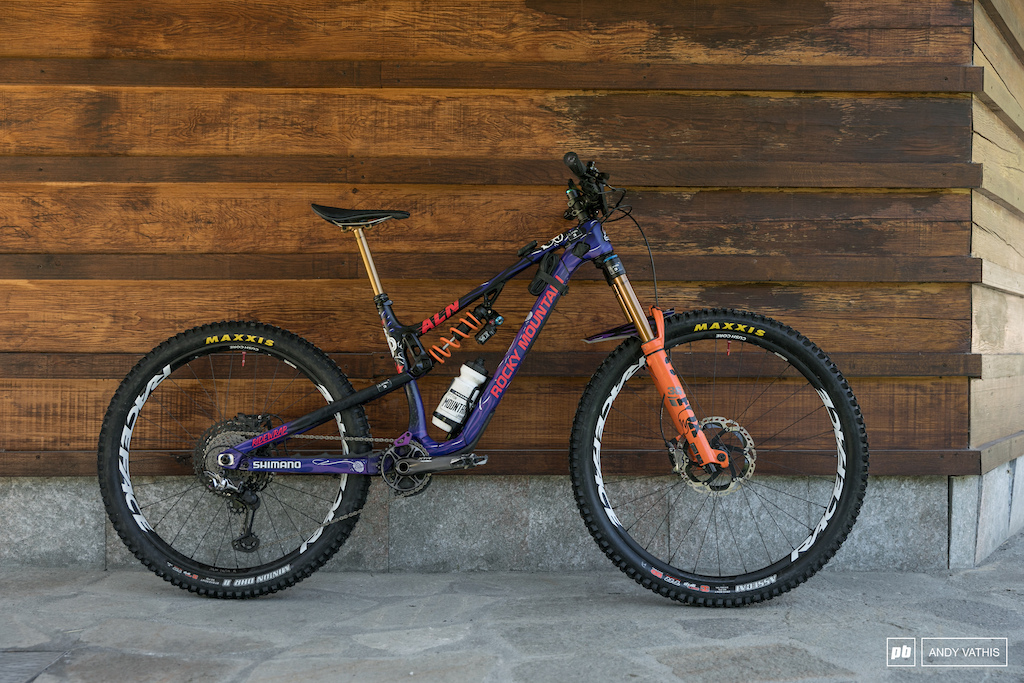
Image Source: ep1.pinkbike.org
Deciphering Mountain Bike Weights
The weight of a mountain bike is a crucial factor for many riders. It affects how easily you can pedal uphill, how quickly you can accelerate, and how nimble the bike feels on the trail. Whether you’re a seasoned racer aiming for every advantage or a casual rider seeking an enjoyable experience, knowing about mountain bike weights is key. This guide will explore the various factors influencing a mountain bike’s heft and help you find the perfect balance for your needs.
The Average Mountain Bike Weight
When people talk about the “average” mountain bike weight, they’re usually referring to bikes that are suitable for general trail riding. These bikes are built to handle a mix of uphill climbs and downhill descents.
- Typical Range: For a well-rounded trail bike, you’ll often find weights between 27 and 32 pounds (approximately 12.2 to 14.5 kilograms).
- What This Means: These bikes offer a good compromise between being light enough for climbing without being excessively heavy for handling. They are built with durable components that can withstand the rigors of regular trail use.
Factors Influencing Mountain Bike Weight
Several elements contribute to the overall weight of a mountain bike. Let’s break them down:
Frame Materials
The material used to construct the bike’s frame is one of the biggest determinants of its weight.
- Aluminum Alloys: These are common and offer a good balance of strength, durability, and affordability. Aluminum frames are generally lighter than steel but heavier than carbon fiber.
- Pros: Cost-effective, durable.
- Cons: Can be stiffer, potentially less vibration damping.
- Carbon Fiber: This is a premium material known for its exceptional strength-to-weight ratio. Carbon fiber frames are significantly lighter than aluminum, allowing manufacturers to build lighter and stiffer bikes.
- Pros: Very lightweight, excellent stiffness, good vibration absorption.
- Cons: More expensive, can be more susceptible to impact damage if not properly cared for.
- Steel: While less common in modern performance mountain bikes, steel is still used, especially in certain types of bikes like bikepacking rigs or some dirt jump bikes. It’s known for its durability and comfortable ride feel.
- Pros: Durable, compliant ride, cost-effective.
- Cons: Generally the heaviest option.
- Titanium: A high-end material offering a great combination of lightness, strength, and corrosion resistance. It provides a very comfortable ride.
- Pros: Lightweight, very durable, excellent ride quality, corrosion-resistant.
- Cons: Very expensive.
Suspension Systems
The type and travel of suspension play a significant role.
- Hardtail Mountain Bikes: These bikes have suspension only in the front fork. They are typically lighter than full-suspension bikes.
- Typical Weight: 23 to 28 pounds (approximately 10.4 to 12.7 kilograms) for a performance-oriented hardtail. Entry-level hardtails can be heavier.
- Full Suspension Mountain Bikes: These bikes have suspension in both the front and rear. The rear suspension system, including the shock, linkages, and pivots, adds considerable weight.
- Typical Weight: 28 to 35 pounds (approximately 12.7 to 15.9 kilograms). More downhill-oriented full-suspension bikes will be at the higher end or even exceed this range.
Componentry
Every part on the bike contributes to its overall weight. Lighter, higher-end components generally come with a higher price tag.
- Wheels and Tires: Lighter rims, spokes, and hubs can shave off significant weight. Tubeless tire setups can also be lighter than traditional tube setups, depending on the sealant used.
- Drivetrain: Components like the shifters, derailleurs, cranks, and cassette can vary in weight. Lighter groupsets often use more advanced materials like carbon fiber or higher-grade aluminum alloys.
- Brakes: Hydraulic disc brakes are standard, but the rotors and caliper design can influence weight.
- Cockpit: Handlebars, stems, and seatposts made from carbon fiber will be lighter than their aluminum counterparts.
- Saddle: Lighter saddles often use carbon rails or minimalist designs.
Mountain Bike Weight by Type
The intended use of a mountain bike dictates its design, which in turn affects its weight. Here’s a look at common types:
Hardtail Mountain Bike Weight
Hardtail mountain bikes are a fantastic option for cross-country riding, trail riding, and general exploration. They are simpler, often more affordable, and generally lighter than their full-suspension counterparts.
- Cross-Country Hardtails: These are designed for speed and efficiency on climbs and flatter terrain. They typically have less suspension travel (80-110mm).
- Weight Range: Can be as low as 21-25 pounds (9.5-11.3 kg) for high-end, race-oriented models. More budget-friendly options might be 25-28 pounds (11.3-12.7 kg).
- Trail Hardtails: These offer a bit more capability with slightly more suspension travel (120-130mm) and slacker geometry.
- Weight Range: Usually 24-29 pounds (10.9-13.2 kg).
Hardtail Mountain Bike Weight Chart (Approximate)
| Bike Type | Typical Weight (lbs) | Typical Weight (kg) | Key Features |
|---|---|---|---|
| Entry-Level Hardtail | 30-35 | 13.6-15.9 | Simpler components, heavier frame materials, more basic suspension. |
| Cross-Country Hardtail | 21-26 | 9.5-11.8 | Lightweight frame, efficient geometry, 80-110mm travel fork. |
| Trail Hardtail | 24-29 | 10.9-13.2 | Robust frame, 120-130mm travel fork, more capable geometry. |
Full Suspension Mountain Bike Weight
Full-suspension bikes offer a smoother, more controlled ride by absorbing impacts with both front and rear suspension. This added complexity and travel generally adds weight.
- Cross-Country (XC) Full Suspension: These bikes are built for climbing efficiency and speed on varied terrain. They have less suspension travel (100-120mm) and are designed to be relatively light.
- Weight Range: 25-30 pounds (11.3-13.6 kg) for performance models.
- Trail Full Suspension: These are the most versatile, designed for a mix of climbing and descending on a wide range of trails. They typically have 120-150mm of travel.
- Weight Range: 28-33 pounds (12.7-15 kg).
- All-Mountain/Enduro Full Suspension: These bikes are built for aggressive descending while still being capable of climbing. They feature longer travel (150-170mm) and more robust frames and components.
- Enduro Mountain Bike Weight: Expect these to be in the 30-35 pound (13.6-15.9 kg) range, sometimes slightly more for very heavy-duty builds.
Full Suspension Mountain Bike Weight Chart (Approximate)
| Bike Type | Typical Weight (lbs) | Typical Weight (kg) | Suspension Travel (Front/Rear) | Key Features |
|---|---|---|---|---|
| Cross-Country (XC) Full Sus. | 25-30 | 11.3-13.6 | 100-120mm / 100-120mm | Lightweight frame, efficient suspension platform, often carbon fiber, geared for climbing. |
| Trail Full Suspension | 28-33 | 12.7-15.0 | 120-150mm / 120-150mm | Versatile geometry, balanced suspension, good all-around trail performance. |
| Enduro/All-Mountain Full Sus. | 30-35+ | 13.6-15.9+ | 150-170mm / 150-170mm | Robust frame, longer travel suspension, slack geometry for descending, durable components. |
| Downhill Mountain Bike | 35-45+ | 15.9-20.4+ | 190-200mm+ / 190-200mm+ | Extremely robust frame, very long travel suspension, specialized for downhill racing. |
Enduro Mountain Bike Weight
Enduro bikes are designed for the demands of enduro racing, which involves timed downhill stages and untimed uphill transfers. They need to be robust enough for aggressive descents but light enough to pedal uphill.
- Weight Focus: Enduro bikes often prioritize durability and suspension performance over absolute lightness. This means they tend to be heavier than XC or trail bikes.
- Typical Range: You’ll commonly see enduro mountain bike weight in the 30 to 35 pounds (13.6 to 15.9 kilograms) range. Some lighter, more XC-oriented enduro bikes might dip slightly below this, while more downhill-focused models can push higher.
Downhill Mountain Bike Weight
Downhill bikes are specialized machines built solely for descending at high speeds on rough terrain. They feature the longest suspension travel and the most robust construction, making them the heaviest type of mountain bike.
- Purpose-Built: Designed for extreme forces, downhill bikes have beefy frames, dual-crown forks, and very strong components.
- Weight Range: Downhill mountain bike weight typically starts at 35 pounds (15.9 kg) and can easily go up to 45 pounds (20.4 kg) or even more, especially for aluminum models or those with exceptionally heavy-duty components.
What Makes a Lightweight Mountain Bike?
A lightweight mountain bike is often the Holy Grail for riders who prioritize climbing speed and agility. Several factors contribute to a bike being considered “light”:
- Carbon Fiber Frame: This is the most significant contributor to reducing overall weight.
- High-End Components: Lightweight wheels, carbon handlebars and seatposts, and premium drivetrain and brake components all help shave grams.
- Shorter Suspension Travel: Less travel generally means less material and simpler suspension designs, leading to lower weight.
- Minimalist Design: Bikes focused on XC racing often forgo features that add weight, like dropper seatposts (though many modern XC bikes now include them) or extensive frame protection.
-
Smaller Frame Size: Naturally, smaller frames use less material.
-
Truly Lightweight Example: A top-tier carbon fiber XC hardtail or a very well-appointed carbon XC full-suspension bike could weigh in the 20-25 pound (9-11.3 kg) range.
What Makes a Heavy Mountain Bike?
Conversely, a heavy mountain bike is usually the result of features designed for maximum durability, downhill capability, or simply a lower price point.
- Aluminum or Steel Frames: These materials are inherently heavier than carbon fiber.
- Long Travel Suspension: More travel means more stanchions, more oil, and more complex linkages, all adding weight.
- Robust Components: Heavier-duty wheels, tires, cranks, and braking systems designed for extreme conditions will increase weight.
- Extra Features: Dropper seatposts, larger tires, bash guards, and more suspension pivots can contribute to a heavier build.
-
Entry-Level Components: Many entry-level bikes use heavier, less expensive components to keep costs down.
-
Heavy Example: A downhill bike with an aluminum frame and robust build could easily be 40+ pounds (18+ kg). An entry-level full-suspension bike might also fall into this heavier category.
The Role of Tires
Tires are often overlooked but can significantly impact a bike’s weight.
- Tread Pattern and Width: Aggressive, wide tires designed for maximum grip will be heavier than narrower, less aggressive tires.
- Tire Casing: Thicker, more durable tire casings (often found on enduro and downhill tires) are heavier but more resistant to punctures.
- Inner Tubes: While many riders now opt for tubeless setups, traditional inner tubes add weight. The type of tube (e.g., lightweight butyl vs. standard) also matters.
The Impact of Weight on Riding
- Climbing: A lighter bike will feel easier to pedal uphill. You’ll accelerate quicker and expend less energy.
- Descending: While weight can sometimes help a bike feel more stable on descents due to momentum, a lighter bike can be easier to maneuver and jump.
- Handling: Lighter bikes often feel more nimble and responsive to rider input.
- Lifting and Transporting: A lighter bike is simply easier to lift onto car racks, carry up stairs, or maneuver in tight spaces.
Can I Use a Bike Weight Calculator?
Yes, you absolutely can use a bike weight calculator! Many online tools and apps allow you to input the components of your current bike or a bike you’re considering, and they will estimate the total weight. These calculators are great for:
- Estimating Your Current Bike’s Weight: If you don’t have a scale, a calculator can give you a good approximation.
- Planning a Build or Upgrade: You can see how swapping components will affect the overall weight before you buy.
- Comparing Bikes: If you’re looking at different models, you can use calculators to estimate their weights based on their specifications.
Some popular online bike weight calculators can be found on cycling enthusiast websites and forums.
Is Lighter Always Better?
Not necessarily. While a lighter bike offers advantages, especially for climbing, it’s important to consider the trade-offs.
- Durability: Extremely lightweight components might be less durable than their heavier counterparts, especially for aggressive riding.
- Cost: Lightweight materials and components are almost always more expensive.
- Ride Feel: Some riders prefer the planted feel that a slightly heavier bike can offer, particularly on descents.
- Intended Use: A downhill bike needs to be heavy and robust. Trying to make it ultra-light would compromise its function and safety.
A balanced approach is often best. For most trail riders, a bike that balances weight, durability, and performance is ideal.
Finding Your Mountain Bike Weight Sweet Spot
- For Racers: Focus on lightweight materials, especially carbon fiber, and choose bikes with less suspension travel (XC or light trail).
- For General Trail Riding: Aim for a balance. A good quality aluminum or carbon hardtail, or a mid-travel full-suspension bike, will likely be in the 25-32 pound range.
- For Aggressive Downhill/Enduro: Prioritize durability and suspension performance. Don’t shy away from a slightly heavier bike if it means better performance and reliability on rough terrain.
Frequently Asked Questions (FAQ)
Q1: How much should I worry about the weight of my mountain bike?
A1: This depends on your riding style and goals. If you’re focused on climbing efficiency and racing, weight is a significant factor. For casual trail riding, a few extra pounds are less critical than durability and comfort.
Q2: Can I make my current mountain bike lighter?
A2: Yes, you can often lighten a bike by upgrading components. Common upgrades include lighter wheels, a carbon fiber seatpost, handlebars, or even a lighter drivetrain. However, be mindful of the cost and the potential impact on durability.
Q3: Are carbon mountain bikes significantly lighter than aluminum ones?
A3: Yes, generally speaking, carbon fiber frames are considerably lighter than aluminum frames of comparable strength and stiffness. This is a primary reason why higher-end mountain bikes often use carbon.
Q4: What is the lightest type of mountain bike?
A4: Typically, cross-country (XC) hardtail mountain bikes are the lightest, especially those made from carbon fiber with minimal suspension travel and lightweight components. Some can even dip below 20 pounds.
Q5: Does tire choice affect mountain bike weight?
A5: Absolutely. Tires can add or subtract a significant amount of weight. Wider, more aggressive tires with durable casings are heavier, while narrower, less treaded tires are lighter. Tubeless setups can also influence overall wheel and tire weight.
Q6: Is a heavier mountain bike more durable?
A6: Not always directly, but bikes designed for heavier-duty use (like downhill or enduro) often use stronger, and therefore sometimes heavier, materials and components to withstand impacts and stress. So, there’s a correlation, but weight itself doesn’t guarantee durability.
By considering these factors, you can make a more informed decision when purchasing your next mountain bike or when planning upgrades for your current ride. Happy trails!