
What’s the typical bike tune-up cost? A basic bike tune-up generally ranges from $75 to $150. However, this price can increase significantly depending on the complexity of the service, the type of bike, and your location. This article will delve into the various factors influencing bike maintenance cost, break down bicycle servicing price ranges, and offer practical tips on how to save money today on your bike’s upkeep.
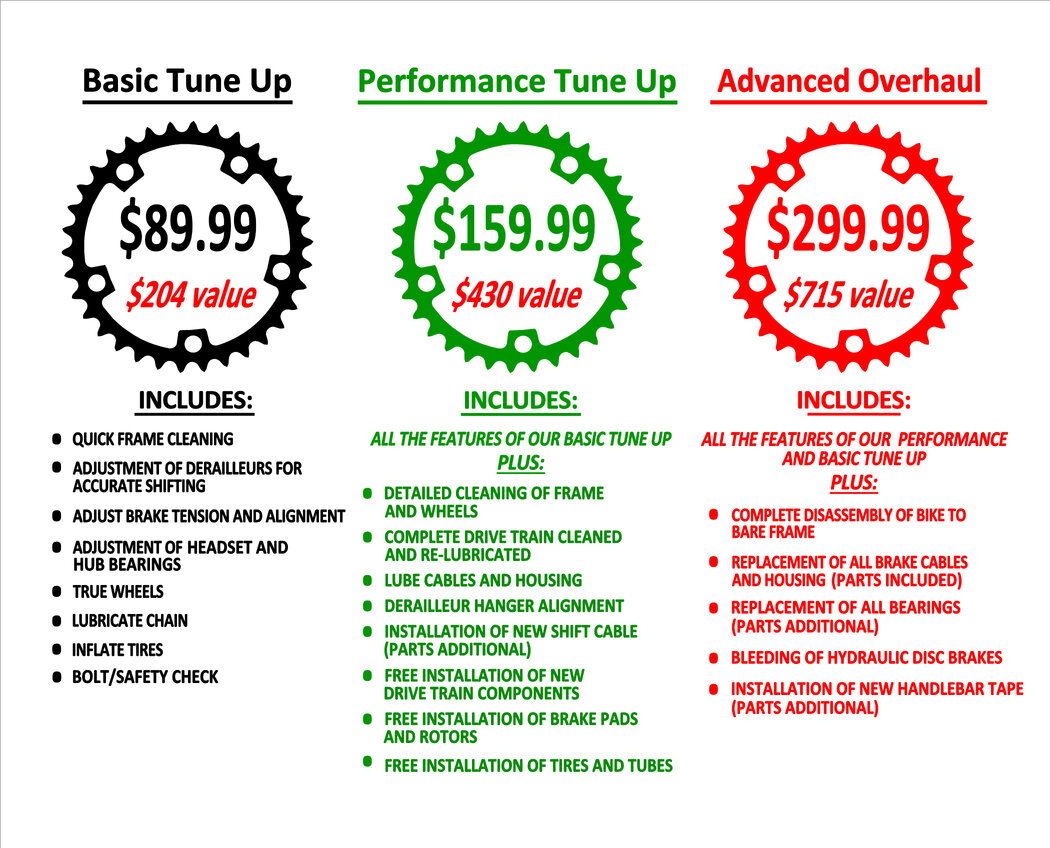
Image Source: www.sefiles.net
Decoding Bicycle Tune-Up Pricing
When you ask how much is a bike service, it’s important to know that not all tune-ups are created equal. Bike shop tune-up fees can vary widely. A simple clean and lube is different from a comprehensive overhaul. Let’s explore what goes into the cost of bicycle tune up.
Standard Tune-Up Packages
Most bike shops offer tiered tune-up packages. These are designed to cover the most common maintenance needs.
-
Basic Tune-Up: This is usually the entry-level service. It typically includes:
- Cleaning the drivetrain (chain, cassette, chainrings).
- Lubricating the chain and other moving parts.
- Adjusting gears for smooth shifting.
- Adjusting brakes for optimal stopping power.
- Checking tire pressure.
- Basic inspection of the frame and components.
- Average bike tune-up cost for this level: $75 – $120.
-
Standard or Comprehensive Tune-Up: This package offers more thorough servicing. It includes everything in the basic tune-up, plus:
- More in-depth cleaning of the entire bike.
- Inspection and adjustment of hubs, headset, and bottom bracket for play.
- Trueing wheels to ensure they are straight.
- Checking and tightening all bolts.
- Brake pad inspection and adjustment.
- Bicycle service charges for this tier: $120 – $200.
-
Overhaul or Pro Tune-Up: This is the most extensive service and is often recommended for bikes that haven’t been serviced in a long time or for performance-oriented riders. It can include:
- Complete disassembly of the bike.
- Deep cleaning of all components.
- Overhauling hubs, headset, and bottom bracket (replacing bearings if necessary).
- Bleeding hydraulic brakes.
- Replacing cables and housing.
- Truing wheels with spoke tension adjustments.
- Thorough inspection for wear and tear.
- Bicycle repair shop costs for an overhaul can range from $200 to $400+, depending on the bike’s complexity.
Factors Affecting Bicycle Servicing Price
Several elements can influence the final price you pay for your bike’s service. Understanding these will help you get a more accurate bicycle tune-up estimate.
Type of Bicycle
- Road Bikes: Generally have lighter components and are often less labor-intensive to tune up compared to mountain bikes, though intricate internal gearing systems can increase complexity.
- Mountain Bikes (MTB): These bikes often have more complex suspension systems, hydraulic disc brakes, and a wider range of gears. Suspension fork and shock servicing are separate, more expensive services, but even basic MTB tune-ups can be pricier due to these added complexities.
- Hybrid Bikes: Usually fall in the middle, with straightforward components making them moderately priced for service.
- Electric Bikes (e-bikes): These are significantly more complex due to their electrical components. While a basic mechanical tune-up might be similar, any work on the motor, battery, or controller will incur higher bicycle repair shop costs and often require specialized technicians.
Additional Parts and Labor
The cost of bicycle tune up often doesn’t include the cost of replacement parts. If your brake pads are worn, your cables are frayed, or your chain is stretched, these will be additional charges.
-
Replacement Parts:
- Brake Pads: $10 – $30 per set.
- Cables & Housing: $15 – $40 per set (for gears or brakes).
- Chain: $20 – $70+.
- Cassette: $30 – $150+.
- Tires: $20 – $80+ each.
- Tubes: $5 – $10 each.
-
Specialized Labor:
- Wheel Truing: $20 – $40 per wheel.
- Hub Overhaul: $30 – $60 per hub.
- Bottom Bracket Service: $30 – $70.
- Headset Service: $25 – $50.
- Hydraulic Brake Bleed: $30 – $75 per brake.
- Suspension Fork Service: $100 – $250+.
- Rear Shock Service: $80 – $200+.
When you get a bicycle tune-up estimate, always ask what is included and what isn’t.
Location and Shop Reputation
Bicycle servicing price can also be influenced by where you live. Shops in major metropolitan areas with a higher cost of living will generally charge more than those in smaller towns. Likewise, high-end specialty shops or those with highly certified mechanics might have higher bike shop tune up fees.
What is Included in a Standard Bike Tune-Up?
A standard tune-up aims to bring your bike back to optimal working condition. It’s about ensuring everything functions smoothly and safely.
Key Service Components
Here’s a detailed look at what you can expect from a typical tune-up:
-
Drivetrain Cleaning and Lubrication:
- Purpose: A clean and lubricated drivetrain runs more efficiently, shifts better, and wears out slower.
- Process: The chain, cassette, chainrings, and derailleurs are degreased and cleaned. Once dry, a quality lubricant is applied to the chain.
- Why it matters: A dirty drivetrain can cause skipping gears, noisy pedaling, and premature wear on expensive components.
-
Brake Adjustment:
- Purpose: Ensuring your brakes are responsive and stop effectively is crucial for safety.
- Process:
- Rim Brakes: Brake pads are checked for wear and adjusted to meet the rim correctly. Cables are tensioned as needed.
- Disc Brakes (Mechanical): Cables are adjusted for optimal lever feel and pad engagement. Pads are checked for wear.
- Disc Brakes (Hydraulic): Levers are checked for firm engagement. The system is inspected for leaks. If the lever feels spongy or pulls too close to the handlebar, a brake bleed might be recommended (often an additional charge).
- Why it matters: Poorly adjusted brakes can be dangerous, leading to longer stopping distances or complete brake failure.
-
Gear Adjustment (Shifting):
- Purpose: Smooth and accurate gear changes make riding more enjoyable and efficient.
- Process: Derailleurs (front and rear) are adjusted using the barrel adjusters and limit screws to ensure the chain moves precisely between cogs and chainrings. Cables are inspected for stretch or damage.
- Why it matters: Skipping gears, grinding noises, or the chain falling off are all signs of poorly adjusted gears.
-
Wheel Truing:
- Purpose: Wheels that are out of true (wobbly) can affect braking performance (especially with rim brakes) and can be less efficient or even unsafe.
- Process: Spokes are tensioned or loosened to bring the wheel back into a perfectly round and straight plane.
- Why it matters: A wobbly wheel can cause brake rub, make the bike feel unstable, and in extreme cases, spokes can break.
-
Tire Inflation and Inspection:
- Purpose: Properly inflated tires offer better rolling resistance, comfort, and fewer flats.
- Process: Tires are inflated to the recommended pressure (usually found on the tire sidewall). Tires are inspected for cuts, wear, and embedded debris.
- Why it matters: Underinflated tires can lead to pinch flats and make pedaling harder. Overinflated tires can be harsh and may even blow out if they exceed the tire’s rating.
-
Bolt Check:
- Purpose: Ensuring all critical bolts are tightened to the correct torque prevents components from loosening during riding.
- Process: Mechanics check and tighten bolts on stem, handlebars, seatpost, cranks, pedals, and frame.
- Why it matters: Loose bolts can lead to component failure or, worse, accidents.
-
Headset and Hub Bearing Check:
- Purpose: These bearings allow parts to spin smoothly and without play.
- Process: The headset (steering) and wheel hubs are checked for looseness or roughness. If play is detected, adjustment or servicing may be needed (often extra).
- Why it matters: Loose bearings can cause sloppy steering or noisy wheels. Worn bearings can eventually seize up.
Can I Get a Bicycle Tune-Up Estimate Over the Phone?
Yes, you can usually get a bicycle tune-up estimate over the phone or by checking a shop’s website. Most shops have standardized pricing for their tune-up packages. However, remember that this is an estimate. The final cost might vary once the mechanic has had a chance to physically inspect your bike and identify any specific issues or needed repairs beyond the scope of a standard tune-up. It’s always best to confirm the estimate in person.
When to Consider a More Extensive Service
If your bike has been sitting for a while, has been ridden extensively in harsh conditions (rain, mud, salt), or if you’re experiencing persistent problems, a basic tune-up might not be enough. You might need a more comprehensive service.
Signs Your Bike Needs More Than a Basic Tune-Up
- Grinding noises from the bottom bracket or hubs.
- Stiff or rough steering.
- Wheels that don’t spin freely after being turned.
- Spongy brake levers or brakes that don’t stop effectively.
- Worn-out shifting components (derailleur pulleys, cassette, chain).
- Corroded or damaged cables and housing.
- Suspension components that feel sluggish or don’t function correctly.
- Cracks or damage to the frame or fork.
Upgrades and Customizations
If you’re planning to upgrade components, install new accessories, or make significant modifications to your bike, factor these into your bike maintenance cost. Many shops offer installation services for parts you purchase from them or elsewhere.
How to Save Money on Your Bike Tune-Up
Regular maintenance is key to avoiding costly repairs down the line. Here are some tips to keep your bike maintenance cost down and your bike running smoothly.
Perform Basic Maintenance Yourself
You don’t need to be a master mechanic to do some simple but crucial upkeep.
- Clean your bike regularly: A quick wipe-down and drivetrain clean after wet or muddy rides can prevent a lot of grime build-up. Use bike-specific cleaners and degreasers.
- Lubricate your chain: After cleaning, or whenever it looks dry, apply a suitable chain lube. Wipe off excess lube to prevent it from attracting dirt.
- Check tire pressure: Do this before every ride or at least once a week.
- Inspect tires for wear and damage: Look for cuts, embedded glass, or excessive wear.
- Keep your bike dry: Wipe down your bike after riding in the rain and store it in a dry place.
Seasonal Tune-Ups and Timing
- Off-Season Servicing: Many shops offer discounts on tune-ups during the off-season (fall and winter). Scheduling your service then can save you money and ensure your bike is ready for spring.
- Don’t Wait for Problems: Addressing small issues before they become major problems will save you money in the long run. A squeaky brake might just need adjustment, but if ignored, it could lead to damaged brake pads or rotors.
Choosing the Right Bike Shop
- Research: Ask fellow cyclists for recommendations. Read online reviews for local bike shops.
- Compare Prices: Get a bicycle tune-up estimate from a few different shops to compare bicycle servicing price and what’s included.
- Ask About Packages: See if they offer multi-service discounts or annual maintenance plans.
Smart Component Replacement
- Buy during sales: Keep an eye out for sales on wear-and-tear items like chains, cassettes, and tires.
- Consider component lifespan: Understand how long components typically last for your riding style and replace them proactively to avoid damage to other parts. For example, a worn-out chain can quickly damage a new cassette.
Typical Bicycle Repair Shop Costs for Common Fixes
Beyond a standard tune-up, specific repairs can add to your bike maintenance cost. Here’s a look at some common bicycle repair shop costs:
| Service | Estimated Cost (USD) | Notes |
|---|---|---|
| Flat Tire Repair | $10 – $25 | Includes tube, labor. Tire replacement is extra. |
| Brake Pad Replacement (pair) | $15 – $40 | Labor included; pads extra. |
| Chain Replacement | $25 – $60 | Labor included; chain extra. |
| Cassette Replacement | $30 – $75 | Labor included; cassette extra. |
| Wheel Truing (per wheel) | $20 – $40 | Cost varies with spoke replacement needs. |
| Hydraulic Brake Bleed | $30 – $75 | Per brake; fluid and labor. |
| Derailleur Adjustment | $15 – $30 | Often included in tune-up. |
| Bottom Bracket Service/Replace | $40 – $100 | Labor and parts vary significantly. |
| Headset Service/Replace | $35 – $80 | Labor and parts. |
| Cable & Housing Replacement | $25 – $60 | Per brake or shifter set. |
| Suspension Fork Service | $100 – $250+ | Specialized labor and parts. |
| Tubeless Tire Setup (per wheel) | $20 – $40 | Includes sealant, valve core. |
These are general estimates and can vary significantly by shop and region.
Frequently Asked Questions (FAQ)
Q1: How often should I get a bike tune-up?
A1: For regular riders, a tune-up every 6-12 months is recommended. If you ride frequently, in all weather conditions, or race, consider a tune-up every 3-6 months.
Q2: What’s the difference between a tune-up and an overhaul?
A2: A tune-up involves adjustments and cleaning of key components. An overhaul is a much more thorough process, involving partial or complete disassembly, deep cleaning, and servicing of individual parts like bearings.
Q3: Can I just ask for specific adjustments instead of a full tune-up?
A3: Yes, most bike shops will perform individual repairs or adjustments. However, the cost per item might end up being higher than a bundled tune-up package.
Q4: Do I need to remove parts from my bike before taking it in for a tune-up?
A4: Generally, no. Most bike shops expect the bike to be complete. If you have specific accessories you don’t want serviced or might need removed, mention this to the shop.
Q5: How long does a bike tune-up typically take?
A5: A standard tune-up usually takes between 1 to 3 business days, depending on the shop’s workload and the complexity of the service. More extensive overhauls can take longer.
Q6: Should I tip the bike mechanic?
A6: Tipping is not generally expected in bike shops as mechanics are typically paid hourly or by commission. However, if you received exceptional service, a small tip or a positive online review is always appreciated.
Q7: What is considered a “basic” tune-up?
A7: A basic tune-up typically includes cleaning and lubing the chain, adjusting gears and brakes, checking tire pressure, and a general inspection. It focuses on getting the bike functioning safely and smoothly without disassembling major components.
Q8: When should I replace my chain instead of just cleaning and lubing it?
A8: Chains stretch over time. Using a chain checker tool can tell you when it’s worn out. Replacing a worn chain proactively prevents damage to your cassette and chainrings, which are more expensive to replace.
By keeping these costs and maintenance tips in mind, you can ensure your bicycle remains in top condition, providing you with countless miles of enjoyable riding. Regular, albeit simple, maintenance is the best way to manage your bike maintenance cost and keep your adventures rolling smoothly.