
So, you’re wondering, “How often should I lube my bike chain?” The simple answer is: it depends, but a good rule of thumb is every 100 to 200 miles, or after every few wet rides. However, this is a very general guideline, and many factors influence the ideal bike chain lubrication frequency. This comprehensive guide will delve into the specifics of bike chain care to keep your ride smooth and your components lasting longer.
A clean, well-lubricated chain is the heart of a happy bicycle. It ensures smooth gear changes, reduces wear on expensive drivetrain components like your cassette and chainrings, and makes your pedaling feel more efficient. Neglecting this simple maintenance task can lead to a host of problems, from a noisy drivetrain to premature component failure. Let’s explore everything you need to know about bicycle chain oiling schedule.
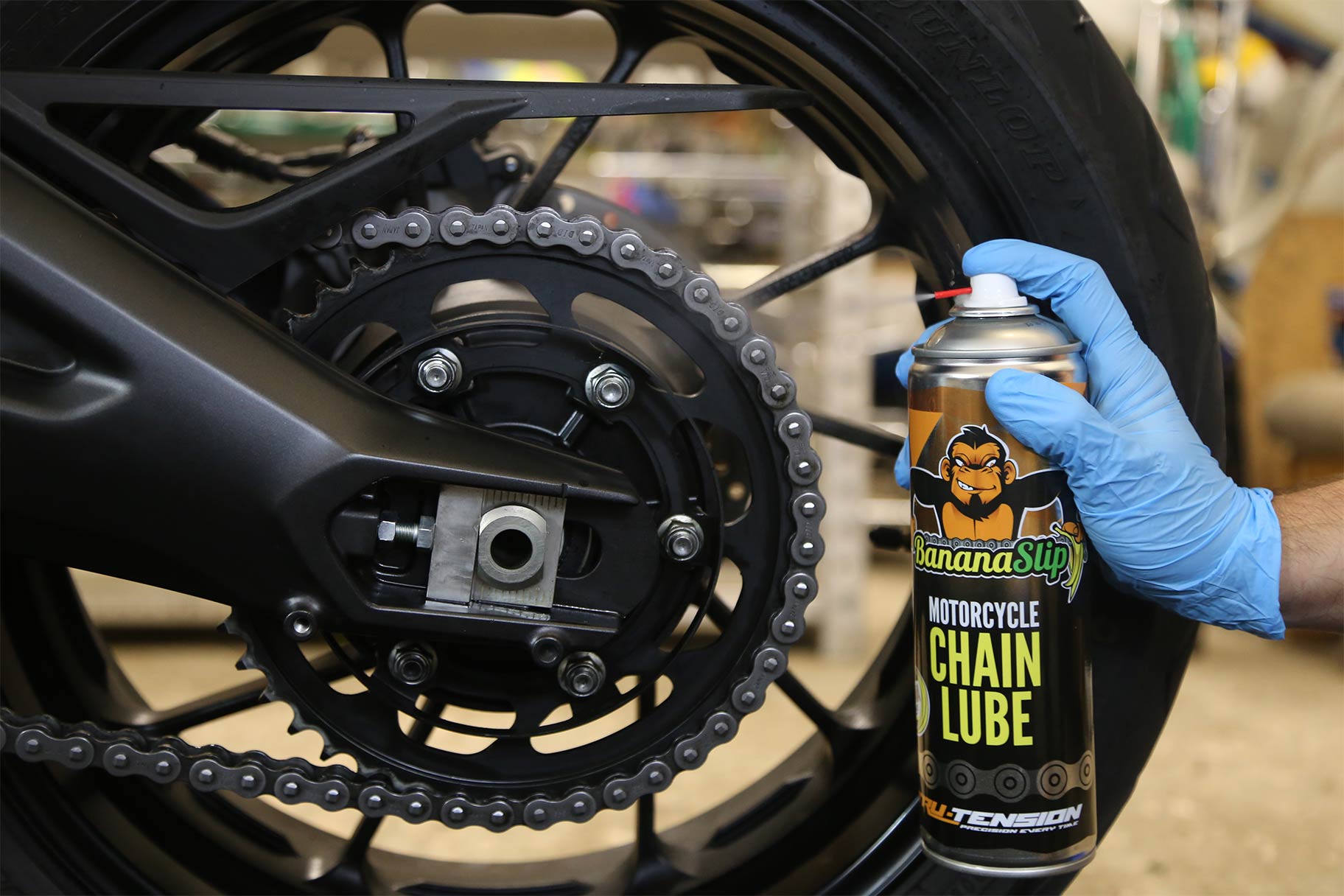
Image Source: www.tru-tension.co.uk
Why Lube Your Bike Chain?
Before we dive into how often, let’s briefly touch on why bike chain maintenance tips are so crucial. Your bike chain is a complex assembly of pins, rollers, and plates. When you pedal, these parts move against each other, creating friction. Without lubrication, this friction can cause:
- Increased Wear: Metal rubbing against metal grinds away at the chain’s surfaces, as well as the teeth of your cassette and chainrings. This is known as wear and tear.
- Rust and Corrosion: Moisture, especially salt from roads in winter or sea air, can cause your chain to rust. Lubricant acts as a barrier against these elements.
- Poor Shifting Performance: A dry or dirty chain doesn’t mesh well with the gears, resulting in clunky, hesitant, or missed shifts.
- Noise: A dry chain is a noisy chain. You’ll hear a distinct grinding or squeaking sound when pedaling.
- Reduced Efficiency: Friction means you’re losing energy as you pedal. A lubricated chain transfers power more effectively.
Factors Affecting Bike Chain Lube Frequency
The recommended bike chain lubrication interval isn’t a one-size-fits-all number. Several key factors will dictate how often you need to reach for that bottle of lube.
Riding Conditions
This is arguably the biggest influence on your bicycle chain oiling schedule.
- Dry and Dusty Conditions: Riding on dry, dusty trails or roads means your chain will pick up abrasive particles. This grit acts like sandpaper, quickly stripping away lubricant and causing wear. In these environments, you might need to lube more frequently, perhaps even after every ride if the dust is particularly bad. It’s essential to clean and re-lube when conditions are very dusty.
- Wet and Muddy Conditions: Riding in rain or through mud is tough on your drivetrain. Water and mud can wash away existing lubricant, exposing the chain to moisture and grit. After any ride in these conditions, it’s highly recommended to clean your chain and re-lube it. This prevents rust and ensures your chain remains protected.
- Clean Road Riding: If you primarily ride on clean, paved roads and avoid wet weather, your chain will stay cleaner for longer, and the lube will last more miles. You might be able to stretch the time between lubes.
Type of Lubricant Used
Not all chain lubes are created equal. The type of lubricant you choose significantly impacts how often you need to apply it.
- Dry Lubes: These are typically wax-based or light oil formulations that dry to a waxy film. They attract less dirt and are excellent for dry, dusty conditions. However, they can be washed off more easily by rain or mud, meaning more frequent application might be needed, especially if you ride in varied weather.
- Wet Lubes: These are thicker, oilier formulations that cling better to the chain and provide better protection against water and grit. They are ideal for wet or mixed conditions. The downside is that they can attract more dirt in dry, dusty environments. While they last longer in the wet, they still require cleaning and re-application after significant exposure to muck.
- Ceramic Lubes: These often combine oil with ceramic particles, which are said to reduce friction. Their longevity can vary depending on the specific product and conditions.
- Wax Dipping: This involves melting chain wax and submerging the chain. It creates a very clean and durable layer of lubrication, often lasting for hundreds of miles in dry conditions. However, it requires a more involved process and is less practical for quick re-application on the go.
Mileage and Usage
The more you ride, the more wear your chain experiences. A simple mileage-based approach can be helpful.
- General Guideline: For most casual to moderate riders, lubricating every 100-200 miles is a reasonable starting point.
- Heavy Use: If you’re a daily commuter, a gravel rider, or do long-distance touring, you’ll likely need to lube your chain more often. Pay attention to the sound and feel of your drivetrain.
Chain Condition and Cleanliness
A clean chain is a happy chain. If your chain is visibly dirty, gritty, or rusted, it’s time to clean it and then lube it. Applying fresh lube to a dirty chain is counterproductive, as the grit will be ground into the rollers by the new lubricant.
Riding Style
Aggressive riding, frequent hard accelerations, and hard braking can put more stress on the drivetrain, potentially leading to faster wear and requiring more frequent attention to your chain.
When to Lubricate Bicycle Chain: The Tell-Tale Signs
Beyond scheduled maintenance, your bike will often tell you when it’s time for lube. Learning these signs is a critical part of bike chain care.
The Sound of Silence… and Then Not
- Squeaking or Grinding: This is the most obvious sign. If you hear a dry, squeaky, or gritty sound coming from your drivetrain when pedaling, especially when shifting gears, your chain is begging for lubrication.
- Rough Shifting: If your gears are not shifting smoothly, hesitate, or feel clunky, a dry or dirty chain could be the culprit.
The Visual Cues
- Dry Appearance: If the chain looks dull, dry, or lacks that characteristic sheen, it’s probably time for a lube.
- Visible Rust: Any signs of rust on the chain pins or rollers mean you’ve waited too long.
- Grime Buildup: If you can see a thick layer of black, gritty gunk accumulated on the chain, it’s definitely time for a clean and lube.
The Feel of the Ride
- Increased Effort: If your pedaling feels harder than usual, or you notice a loss of power transfer, friction from a dry chain could be the cause.
- Sticky Pedaling: Sometimes, a dry chain can feel sticky or jerky when you pedal.
How to Maintain Bike Chain: A Step-by-Step Approach
Regular maintenance is key. This involves both cleaning and lubrication. The process for how to maintain bike chain can be broken down into a few simple steps.
Step 1: Cleaning Your Chain
This is a crucial prerequisite before any lubrication. Applying lube to a dirty chain is like putting lipstick on a pig – it won’t solve the underlying problem and can make it worse.
Methods for Cleaning:
- Wipe Down: For light dirt, a good wipe-down with a clean rag can suffice. Roll the pedals backward and wipe each side of the chain thoroughly.
- Degreaser and Brush: For more stubborn grime, use a bicycle-specific degreaser and a stiff brush (an old toothbrush works well). Apply degreaser to the chain, scrub with the brush, and wipe clean.
- Chain Cleaning Tool: These are small devices that clamp onto your chain and contain brushes and a reservoir for degreaser. They are very effective at getting into all the nooks and crannies. Fill the reservoir with degreaser, attach it to the chain, and pedal backward.
- Full Immersion (for heavily soiled chains): If your chain is extremely dirty, you might consider removing it (using a chain tool or master link) and soaking it in a degreaser solution for a few minutes, followed by scrubbing and thorough rinsing. Ensure it’s completely dry before re-lubing.
Important: After using a degreaser, it’s vital to rinse the chain thoroughly with water and then dry it completely. Any residual degreaser can break down new lubricant.
Step 2: Drying Your Chain
This is a step often overlooked but is critical. Water remaining in the chain rollers will prevent the lubricant from properly adhering and can lead to rust.
- Rag Dry: Use a clean, dry rag to wipe down the chain as thoroughly as possible.
- Air Dry: Let the chain air dry for at least 15-30 minutes, or even longer if possible, especially if you’ve rinsed it with water. You can also spin the pedals backward to help air circulate. Some people use compressed air for a faster drying process.
Step 3: Lubricating Your Chain
Now for the main event! The best time to lube bike chain is after it’s clean and dry.
Applying Lube:
- Choose Your Lube: Select a lube appropriate for your riding conditions and preferences (dry lube for dry conditions, wet lube for wet).
- Apply Sparingly: Apply one drop of lubricant to the top of each roller. You can do this by holding the applicator nozzle to the chain and slowly backpedaling. Aim for the nexus of the pins and rollers.
- Work It In: After applying lube to all the rollers, continue backpedaling for 10-15 seconds to help the lube penetrate into the inner workings of the chain. You can also gently shift through all the gears to help distribute it.
- Wipe Off Excess: This is a crucial step often missed. After letting the lube sit for a few minutes (check the lube manufacturer’s instructions), take a clean rag and thoroughly wipe off any excess lube from the outside of the chain. You want the lubricant inside the rollers, not coating the outside where it will attract dirt. Pedal backward and wipe until the chain looks clean on the outside.
Recommended Bike Chain Lubrication Interval: A Table Summary
To provide a clearer picture, here’s a table summarizing recommended bike chain lubrication interval based on typical conditions:
| Riding Condition | Lube Frequency (Approx.) | Notes |
|---|---|---|
| Dry, Dusty, Clean Roads | Every 100-200 miles | Listen for noise; wipe and relube if dusty. Consider dry lube. |
| Wet, Muddy, or Grimy Roads | Every 50-100 miles | After every wet or muddy ride, clean and relube. Consider wet lube. |
| Mixed Conditions (Frequent Changes) | Every 75-150 miles | Monitor chain noise and appearance. Clean and lube more often if conditions are particularly harsh. |
| Minimal Riding (Clean Storage) | Every 6 months | Even if not ridden, lube can dry out. A quick clean and lube is good practice. |
| After Washing the Bike | Always | Even if you only rinse your bike, the water can wash away lube. Always re-lube after washing. |
| If the Chain Sounds Dry | Immediately | Don’t wait for a scheduled interval if the chain is making noise. |
Remember: This is a guideline. The best approach is to develop a habit of checking your chain regularly and responding to its needs.
Factors Affecting Bike Chain Lube Frequency in Detail
Let’s dig a little deeper into why these factors are so important for your bike chain care guide.
Riding Environment’s Impact
- Dust: Fine dust particles are incredibly abrasive. When they get into a chain, they act like tiny ball bearings, increasing friction and accelerating wear. This is why frequent lubrication and cleaning are paramount in dusty environments. A quick wipe-down and re-lube might be necessary even mid-ride if you’re in a particularly dusty area.
- Water: While water itself isn’t inherently bad for a chain, it displaces lubricant. Once the lube is gone, water can then get into the rollers and pins, leading to rust. Salt in water (from salted roads in winter or coastal air) is even more corrosive.
- Mud: Mud is a combination of water and dirt, the worst of both worlds. It coats the chain, washes away lube, and then dries into a hard, gritty substance that can seize up the rollers.
Lubricant Choices and Their Longevity
- Dry Lubes: These are excellent for clean, dry conditions. They have low viscosity and don’t attract much dirt. However, they can be easily washed off by rain, heavy sweat, or even a powerful hose. Their main benefit is keeping the drivetrain clean.
- Wet Lubes: These are thicker and more viscous, designed to cling to the chain and resist water displacement. They offer superior protection in wet and muddy conditions. The trade-off is that they tend to attract more dirt and grime in dry conditions, which can build up over time. If you use a wet lube in dry conditions, you’ll need to clean your chain more frequently to remove the accumulated grit.
- Wax: Chain waxing (either by dipping or using drip-on wax lubes) offers a very clean and durable lubrication, particularly in dry conditions. Once the chain is properly waxed, it can last for hundreds of miles without needing reapplication. However, it’s not ideal for truly wet conditions as water can still penetrate the wax layer, and reapplying wax requires a more involved process.
Mileage and Wear Indicators
While mileage is a useful metric, it’s not the only factor. A chain on a bike that’s ridden gently on smooth roads will last longer between lubes than a chain on a bike used for aggressive downhill riding or touring loaded with gear.
- Chain Wear: Chains stretch over time. This stretching isn’t the metal elongating but rather the pins and rollers wearing down, creating play between the links. You can measure this wear with a chain checker tool. A worn chain can damage your cassette and chainrings, so replacing a worn chain is often more economical than replacing the entire drivetrain. Typically, you’ll want to replace a chain when it has stretched 0.5% to 0.75%.
Cleanliness is Paramount for Lubrication
Imagine trying to oil a rusty, sandy hinge. The oil would just sit on top of the dirt and rust, not getting into the crucial moving parts. The same applies to your bike chain.
- Grime: Dirt, dust, and old lube create a gritty paste that prevents fresh lube from penetrating the rollers. This leads to accelerated wear and poor performance.
- Rust: Rust is the enemy of smooth metal-on-metal contact. Lubricant cannot effectively prevent rust if it cannot reach the metal surfaces.
Comprehensive Bike Chain Maintenance Tips
Here are some additional tips to round out your bike chain care guide:
Regular Inspection
Make it a habit to glance at your chain before and after rides. Look for any obvious dirt, rust, or dryness. Listen for any unusual noises.
Invest in Quality Lubricants and Tools
While budget lubes exist, investing in a good quality lubricant suited to your riding conditions can make a significant difference in performance and component longevity. A good degreaser and a chain cleaning tool will also make the maintenance process easier and more effective.
Don’t Over-Lube
Too much of a good thing can be bad. Excess lube on the outside of the chain will attract dirt and grime, effectively creating a grinding paste. Always wipe off the excess.
Consider the Drivetrain as a System
Your chain is part of a larger system that includes your cassette, chainrings, and derailleur pulleys. Keeping all these components clean and properly lubricated will lead to the best overall performance and lifespan. Clean your derailleur pulleys regularly as they tend to accumulate a lot of gunk.
Master Links and Chain Tools
If you plan on doing regular deep cleaning or replacement, investing in a master link plier (if your chain uses a master link) or a chain tool will make these tasks much easier.
Frequently Asked Questions (FAQ)
Here are some common questions regarding bike chain lubrication:
Q1: Can I use WD-40 to lubricate my bike chain?
A1: While WD-40 can be used to clean and degrease a chain, it is not a suitable long-term lubricant. It’s a solvent and a water displacer, meaning it will evaporate quickly and doesn’t provide the lasting lubrication your chain needs. Using it as a primary lubricant will lead to a dry chain and increased wear. Always use a dedicated bicycle chain lubricant.
Q2: How often should I clean my bike chain?
A2: You should clean your bike chain every time you lubricate it, especially if you’ve been riding in wet, muddy, or dusty conditions. A good rule of thumb is to clean and lube every 100-200 miles for general riding, but more often if exposed to the elements.
Q3: What happens if I don’t lube my bike chain?
A3: Not lubricating your bike chain will lead to increased friction, premature wear on the chain, cassette, and chainrings, noisy operation, poor shifting, and potential rust and corrosion.
Q4: Is it okay to lube my chain while it’s still a little dirty?
A4: It’s best to avoid this. While a quick wipe might seem sufficient, even a small amount of grit can be ground into the chain by new lubricant, accelerating wear. Always aim for a clean chain before lubricating.
Q5: How long does bike chain lube last?
A5: The lifespan of bike chain lube varies greatly depending on the type of lube, riding conditions, and mileage. Dry lubes might last 50-100 miles in dry conditions, while wet lubes can last 100-200 miles or more in wet conditions. However, it’s always best to check for signs of dryness or noise, as these are the most reliable indicators.
By following these guidelines and paying attention to your bike, you can ensure your drivetrain runs smoothly and efficiently for many miles to come. Happy riding!