
So, how old do you need to be to ride an e-bike? Generally, there isn’t a single federal law dictating the minimum age for riding an e-bike in the United States. However, many states and local jurisdictions have implemented their own e-bike age restrictions. These rules can vary significantly, impacting where and how you can ride your electric bicycle.
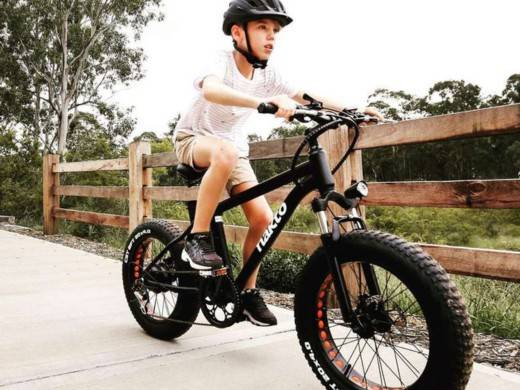
Image Source: nakto.com
Gauging the Legal Landscape of E-bike Ridership
The world of electric bicycles is exciting, offering a boost to your ride and opening up new possibilities for commuting and recreation. But as you consider hopping on an e-bike, or perhaps buying one for a younger family member, it’s crucial to grasp the legal framework surrounding who can operate these powered two-wheelers. This isn’t a simple question with one answer because e-bike age restrictions are a patchwork of state and local laws. We’ll delve into what you need to know to ensure safe and legal riding.
Deciphering E-bike Classifications and Age Rules
The key to understanding e-bike age restrictions lies in how e-bikes are classified. Most states follow a three-class system, which significantly influences age requirements and where e-bikes can be ridden. These classes are primarily based on the motor’s assistance and top speed.
- Class 1 E-bike: Features a motor that provides assistance only when the rider is pedaling and stops assisting once the bike reaches 20 mph.
- Class 2 E-bike: Features a motor that can be used exclusively to propel the bike, independent of pedaling, and stops assisting once the bike reaches 20 mph.
- Class 3 E-bike: Features a motor that provides assistance only when the rider is pedaling and stops assisting once the bike reaches 28 mph. These also feature a speedometer.
The minimum age for e-bike riding often hinges on these classifications. For instance, Class 1 and Class 2 e-bikes, which have lower speed limits, may have more lenient age rules than Class 3 e-bikes, which can reach higher speeds and are often treated more like mopeds or motor vehicles.
What is the Minimum Age for E-bike Riders?
To directly address the question, what age can you ride an e-bike? For Class 1 and Class 2 e-bikes, many states do not set a specific minimum age for e-bike operation, allowing riders of all ages, provided they can safely control the bicycle. However, for Class 3 e-bikes, the legal age for e-bikes is often higher, commonly 16 years old, and may require a license or permit. This is similar to teenager e-bike laws in some areas, where older teens might have specific rules to follow.
It’s vital to remember that even if a state doesn’t have a child e-bike age limit, parents and guardians should exercise discretion. The safety and maturity of the child are paramount.
Navigating State-Specific Regulations
Since there’s no overarching federal law, the legal age for e-bikes varies significantly from state to state. Some states have adopted the three-class system and assigned age limits accordingly, while others have different categorizations or no specific age rules at all.
California’s Approach to E-bike Age
California, a state at the forefront of e-bike adoption, has clear guidelines. For Class 1 and Class 2 e-bikes, there is no minimum age for e-bike riding. However, for Class 3 e-bikes, riders must be at least 16 years old. Furthermore, Class 3 e-bikes are prohibited on bike paths, multi-use paths, and trails unless specifically permitted by local agencies. This highlights how youth e-bike regulations are tied to the bike’s capabilities.
New York’s E-bike Age Rules
New York State has specific legislation regarding electric bicycles. Generally, individuals under 16 years old are prohibited from operating Class 2 and Class 3 e-bikes. They can ride Class 1 e-bikes, but common sense and parental guidance are always advised. This is a clear example of e-bike age restrictions being implemented to ensure rider safety.
Texas and the Age to Operate E-bikes
In Texas, the age to operate e-bike falls under broader bicycle laws. For e-bikes that meet the definition of a bicycle (which includes Class 1 and Class 2 e-bikes), there is no specific age restriction. However, if an e-bike’s motor is more powerful or it exceeds the speed limits for a standard e-bike, it may be classified as a moped or motorcycle, which then requires the rider to meet the age and licensing requirements for those vehicles. This means the legal age for e-bikes can depend on the bike’s specifications and how it’s regulated.
Other States: A Varied Landscape
- Florida: Generally, no age limit is set for operating e-bikes that are classified as bicycles. However, local ordinances might apply.
- Illinois: Riders must be 16 years or older to operate a Class 3 e-bike. For Class 1 and Class 2, there are no age restrictions, but responsible operation is expected.
- Washington: Similar to many states, riders must be 16 years old to operate a Class 3 e-bike. Class 1 and 2 have no specific age limits.
These examples illustrate the diverse nature of e-bike age restrictions. It’s crucial to research the specific laws in your state and even your local municipality before purchasing or riding an e-bike.
E-bike Licensing Age and Requirements
This brings us to the question of e-bike licensing age. For the most part, if an e-bike strictly adheres to the Class 1 or Class 2 definitions (pedal-assist or throttle up to 20 mph), it is treated like a regular bicycle and does not require a license, registration, or insurance. This means that in many places, there is no specific e-bike licensing age for these types of e-bikes.
However, for Class 3 e-bikes, which can reach speeds up to 28 mph, the situation changes. Many states consider Class 3 e-bikes as motor-driven cycles or mopeds. Consequently, riders may need to meet certain age requirements, typically 16 years or older, and may be required to possess a valid driver’s license or a special permit to operate them. This is where the concept of e-bike licensing age becomes relevant.
Youth E-bike Regulations: Safety First
When considering youth e-bike regulations, safety is the paramount concern. The child e-bike age is not just about legal mandates but also about a child’s physical and cognitive ability to handle the speed and weight of an e-bike safely.
Even in states with no explicit minimum age for e-bike operation for Class 1 and Class 2 bikes, parents should carefully assess their child’s maturity, riding skills, and understanding of traffic laws. A powerful e-bike can be dangerous in the hands of an inexperienced rider.
Table 1: General Age Guidelines for E-bike Classes (Illustrative – Always Check Local Laws)
| E-bike Class | Speed Limit (mph) | Pedal Assist | Throttle | Typical Age Recommendation/Restriction | Licensing/Registration |
|---|---|---|---|---|---|
| Class 1 | 20 | Yes | No | No specific minimum age; safe operation is key | Not required |
| Class 2 | 20 | Yes | Yes | No specific minimum age; safe operation is key | Not required |
| Class 3 | 28 | Yes | Yes | Often 16+; may require license/permit | May be required |
Note: This table provides general information. Specific state and local laws may differ significantly.
What Age Can You Ride an E-bike Safely?
Beyond the legal mandates, the question of what age can you ride an e-bike also involves a discussion about maturity and capability. A 10-year-old might legally be allowed to ride a Class 1 e-bike in some areas, but are they ready for it?
Factors to consider include:
- Physical Strength: Can they handle the weight of the e-bike and control it during braking and maneuvering?
- Judgment: Do they understand traffic signals, road rules, and the importance of situational awareness?
- Responsibility: Will they wear a helmet and follow safety guidelines?
- E-bike Type: A lightweight pedal-assist bike is very different from a powerful, throttle-controlled model.
For teenager e-bike laws, it’s often about ensuring they have the experience and understanding to navigate roads safely, especially with the added speed of an e-bike. Many parents choose to wait until their teens are 13 or 14 to introduce them to e-bikes, even if the law permits younger riders for certain classes.
E-bike Licensing Age: When is it Required?
As mentioned, the e-bike licensing age is typically tied to the classification of the e-bike. If your e-bike is a Class 3 model that can exceed 20 mph and has a top speed of 28 mph, you are likely to encounter e-bike age restrictions that require you to be 16 years old or older. Some jurisdictions might even mandate a driver’s license or a specific e-bike permit.
It’s important to note that some states are re-evaluating these regulations. As e-bikes become more common, legislators are working to create clearer and more consistent rules. Always check the most current laws for your specific location.
Comprehending Youth E-bike Regulations
When we talk about youth e-bike regulations, it’s essential to remember that these laws are designed to protect young riders and the public. The child e-bike age is not a suggestion but a legal requirement in many places, particularly for faster or more powerful e-bikes.
- Supervision: Even where no age limit exists, adult supervision is strongly recommended for younger riders.
- Equipment: Helmets are non-negotiable for all riders, especially children. Lights and reflectors are also crucial for visibility.
- Training: Teaching young riders about safe riding practices, hand signals, and road etiquette is as important as understanding the legal age for e-bikes.
Fathoming Teenager E-bike Laws
Teenager e-bike laws often reflect a balance between allowing young people to enjoy the benefits of e-mobility and ensuring their safety. For many teenagers, an e-bike can be a fantastic way to gain independence and explore their surroundings. However, with great power comes great responsibility.
- Speed Awareness: Teenagers need to understand how the e-bike’s motor works and how to control its speed effectively.
- Roadworthiness: Ensuring the e-bike is properly maintained and that the teenager knows how to perform basic checks is vital.
- Respect for Laws: Emphasizing the importance of following traffic laws, including respecting speed limits and right-of-way, is key.
Looking Ahead: Evolving E-bike Rules
The e-bike industry is rapidly growing, and so are the regulations surrounding it. As more people embrace e-bikes for commuting, recreation, and sport, lawmakers are continuously working to adapt existing laws or create new ones. This means that e-bike age restrictions, minimum age for e-bike requirements, and e-bike licensing age might change.
It’s crucial for riders, parents, and retailers to stay informed about the latest legislation in their areas. Resources like state Department of Motor Vehicles (DMV) websites, local city government pages, and e-bike advocacy groups are excellent places to find up-to-date information on youth e-bike regulations and the legal age for e-bikes.
Conclusion: Ride Responsibly
Ultimately, the question of how old to ride an e-bike is multifaceted, involving legal statutes, e-bike classifications, and personal judgment. While many e-bikes can be ridden by people of all ages, it’s your responsibility to know and follow the laws in your specific location. Always prioritize safety, ensure proper equipment use, and ride with respect for yourself and others on the road. By staying informed about e-bike age restrictions and practicing safe riding habits, everyone can enjoy the benefits of electric bicycles responsibly.
Frequently Asked Questions (FAQ)
Q1: Is there a federal law setting an e-bike age limit?
A1: No, there is no single federal law that sets a universal e-bike age limit across the United States. Age restrictions are typically determined by individual states and local municipalities.
Q2: What is the minimum age to ride a Class 1 e-bike?
A2: In many states, there is no specific minimum age for e-bike operation for Class 1 e-bikes. However, riders should be mature enough to safely control the bicycle and understand traffic laws. Parental discretion is highly advised.
Q3: Do I need a license to ride an e-bike?
A3: Generally, if an e-bike meets the definition of a bicycle (typically Class 1 and Class 2 e-bikes), no license is required. However, some states may require a license or permit for Class 3 e-bikes, as they are often treated more like motor vehicles. Always check your local laws regarding e-bike licensing age.
Q4: Are there different age rules for throttled e-bikes compared to pedal-assist e-bikes?
A4: Yes, often there are. Class 2 e-bikes, which feature a throttle and have a speed limit of 20 mph, may have different age restrictions than Class 1 e-bikes in some areas. Class 3 e-bikes, which can go up to 28 mph and often have both pedal assist and throttle, are more likely to have a higher minimum age for e-bike operation, such as 16 years old, and may require a license.
Q5: What are considered “youth e-bike regulations”?
A5: Youth e-bike regulations refer to the specific laws and guidelines governing the operation of e-bikes by minors. These can include child e-bike age limits, restrictions on where young people can ride, and requirements for safety gear.
Q6: How old must I be to ride a Class 3 e-bike?
A6: The legal age for e-bikes varies by state, but for Class 3 e-bikes, it is commonly 16 years old. Some jurisdictions may also require a valid driver’s license or a special permit to operate these faster e-bikes.
Q7: Where can I find the specific e-bike age restrictions for my area?
A7: You can typically find specific e-bike age restrictions by checking your state’s Department of Motor Vehicles (DMV) website, your local city or county government website, or by consulting with local law enforcement agencies. E-bike retailers may also have information on local laws.
Q8: What should parents consider when deciding if their child is old enough to ride an e-bike?
A8: Parents should consider the child’s maturity, physical ability to handle the e-bike’s weight and speed, understanding of traffic rules, and willingness to follow safety guidelines like wearing a helmet. This assessment goes beyond just the legal age for e-bikes.
Q9: Do all e-bikes have the same age restrictions?
A9: No, e-bike age restrictions often depend on the e-bike’s class, motor power, and maximum speed. Class 1 and 2 e-bikes generally have fewer age restrictions than Class 3 e-bikes.
Q10: What is the difference between an e-bike and an electric scooter in terms of age regulations?
A10: While both are electric-powered personal transportation devices, their classification and regulations can differ. E-bikes are typically pedal-assisted or throttle-assisted bicycles, while electric scooters may fall under different categories altogether, sometimes with their own specific age and licensing requirements that can be stricter or more lenient depending on the location.