
Can you find your stolen bike? Yes, with the right steps, you can significantly increase your chances of bike recovery. What should you do if your bike is stolen? The immediate actions you take are crucial for successful bike recovery. This comprehensive guide will walk you through the entire process, from the moment you realize your bike is missing to methods for tracking stolen bike and collaborating with authorities for police stolen bike investigations.
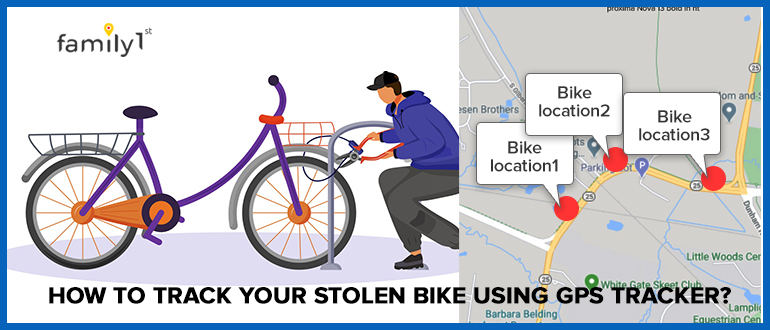
Image Source: family1st.io
Immediate Actions: The First Hour is Critical
When you discover your beloved bicycle is gone, panic can set in. However, quick and decisive action is your best ally in the fight against bike theft. The sooner you act, the higher the probability of bike recovery.
1. Confirm It’s Actually Stolen
Before declaring your bike stolen, take a moment to retrace your steps and check common “lost bike” scenarios:
* Did you perhaps park it in a different spot than usual?
* Could a friend or family member have borrowed it without telling you?
* Is it possible you simply forgot where you locked it?
If you’ve thoroughly checked all possibilities and are certain it’s gone, it’s time to move to the next crucial step.
2. Secure the Scene (If Possible)
If you witnessed the theft or arrived immediately after, try to preserve the area. Look for any potential evidence left behind, such as dropped tools, footprints, or discarded locks. Do not touch anything if you suspect it might be evidence. Your goal is to protect the scene for law enforcement if they arrive promptly.
Reporting Your Stolen Bike: Your First Official Step
Filing a report stolen bike is the most important official action you can take. This report creates a record that can help authorities identify your bike if it’s found.
1. Contact Local Law Enforcement
- Call the non-emergency police line: Do not call 911 unless you witnessed the theft in progress and there’s immediate danger.
- Be prepared with details: The more information you provide, the better.
2. What Information to Have Ready for Your Report
To effectively report stolen bike, gather as much of the following information as possible:
Bike Details:
- Make and Model: (e.g., Trek Marlin 7, Specialized Allez)
- Color: Be specific (e.g., matte black, electric blue)
- Serial Number: This is critical! It’s usually stamped on the bottom bracket (where the pedals attach) or the head tube.
- Frame Material: (e.g., Aluminum, Carbon Fiber, Steel)
- Wheel Size: (e.g., 26-inch, 700c)
- Any distinguishing marks or modifications: Dents, scratches, unique tire patterns, custom paint jobs, stickers, added accessories (lights, racks, fenders, water bottle cages).
- Brand of components: If you know specific brands of derailleurs, brakes, etc., include them.
- Estimated Value: What you paid for it or its current market value.
Theft Details:
- Date and Time of Theft: Be as precise as possible.
- Location of Theft: The exact address or intersection.
- How it was secured: What type of lock(s) were used? Were they cut?
- Any witnesses: If anyone saw anything, note their contact information if possible.
- Description of suspect(s): If you have any details, no matter how small.
- Any security camera footage: Mention if there are businesses or homes nearby that might have cameras facing the area.
3. Obtain a Copy of the Police Report
Always ask for a copy of the police report and the report number. This number is essential for any insurance claims or if you need to follow up with the police about your stolen bicycle. It also serves as proof that your bike has been officially reported as stolen.
Maximizing Your Chances of Bike Recovery: Active Searching
Reporting the theft is just the first step. Proactive searching significantly improves your odds of bike recovery.
1. Leverage Online Marketplaces and Forums
Many stolen bikes are quickly listed for sale online. Dedicate time to regularly check these platforms:
- Craigslist: Search your local area and surrounding cities. Use various search terms like “bike,” “bicycle,” “mountain bike,” “road bike,” and specific brands.
- Facebook Marketplace: Similar to Craigslist, this is a common place for thieves to offload stolen goods.
- eBay: Keep an eye on listings, especially those from sellers in your region.
- Local Buy/Sell Groups: Many cities have specific Facebook groups for buying and selling bikes.
- Specialized Bike Marketplaces: Websites like BikeRadar Classifieds or Gumtree (depending on your region) can also be useful.
Tip for Online Searching: If you see a bike that matches yours, do not approach the seller directly, especially if they seem suspicious. Instead, note the seller’s username, any contact information provided, and the listing details. Contact the police with this information.
2. Visit Local Pawn Shops and Bike Shops
Thieves often try to quickly sell stolen bicycles at pawn shops or even legitimate bike shops that buy used bikes.
- Pawn Shops: Visit pawn shops in your area and nearby towns. Provide them with your bike’s description and the police report number. Some shops have systems for checking if items are reported stolen.
- Bike Shops: Alert local bike shops, especially those that often deal with used bikes. Leave them a flyer with your bike’s details. They might recognize it or have customers inquire about it.
3. Utilize Stolen Bike Registries and Databases
Several online platforms are dedicated to logging stolen bikes and helping owners reunite with their property.
- Bike Index: This is one of the largest and most comprehensive stolen bike registries. Register your bike there immediately. If your bike is found, or if someone finds it and checks the registry, you can be notified.
- National Bike Registry (NBR): Another platform where you can register your bike’s serial number.
- Project 529: A community-based platform for reporting and recovering stolen bikes, often used in conjunction with law enforcement.
- Local Police Databases: Some police departments maintain their own databases of stolen bicycles.
4. Spread the Word: Community Power
Your community can be a powerful tool for bike recovery.
- Social Media: Post about your stolen bike on your personal social media accounts. Include a clear photo, description, serial number, last known location, and the police report number. Tag local community groups, bike clubs, and relevant city pages.
- Flyers: Create “Stolen Bike” flyers with a clear picture, description, and your contact information (or police report contact). Post these in the area where your bike was stolen, at local cafes, community centers, and bike shops.
- Talk to Neighbors: Inform your neighbors and anyone who might have been in the area around the time of the theft. They might have seen something important.
5. Investigate Surveillance Footage
If your bike was stolen from a location with security cameras (e.g., outside a business, a residential building), contact the owner of the cameras.
- Request footage: Ask if they would be willing to share the footage with the police.
- Provide precise times: Having exact times of the theft will help them locate relevant footage quickly.
Recovering Stolen Bicycles: Working with Law Enforcement
Effective collaboration with the police is essential for recovering stolen bicycles.
1. Follow Up Regularly with the Police
- Stay in contact: Don’t be afraid to call the detective or officer assigned to your case periodically to check for updates.
- Provide new leads: If you find any new information (like an online listing or a sighting), immediately report it to the police.
2. What to Do If You Spot Your Bike
If you see your stolen bicycle for sale online or in person:
- Do NOT confront the seller yourself. This can be dangerous and could jeopardize the police investigation.
- Gather evidence: Take screenshots of online listings, note the seller’s details, and if it’s in person, try to get a discreet photo.
- Contact the police immediately: Provide them with all the information you have. They will likely want to set up an sting operation to catch the thief or recover the bike legally.
3. The Police Stolen Bike Unit
Some larger police departments have dedicated units or officers who specialize in property crimes, including bike theft. If your case is assigned to such a unit, they will have more experience and resources in bike recovery.
Preventing Future Bike Theft: Enhanced Bike Security
While this guide focuses on recovery, robust bike security is the best defense against bike theft in the first place.
1. Choose the Right Lock
- U-Locks: A high-quality U-lock (or D-lock) is generally considered the most secure.
- Heavy-duty Chains: Thick, hardened steel chain locks are also very effective.
- Cable Locks: Avoid cable locks for locking your bike up for extended periods or in high-risk areas. They are easily cut.
- Locking Strategy: Always lock your frame to a sturdy, immovable object. If you have a quick-release front wheel, consider locking it to the frame as well, or invest in locking skewers.
2. Secure Your Bike Properly
- Lock to immovable objects: Use a bike rack, a sturdy pole, or a metal railing that cannot be easily cut or dismantled.
- Avoid locking to trees or signs: These can often be cut or lifted.
- Lock tight: Position the lock so there’s minimal space for tools to get in.
- Lock components: If possible, use a secondary cable lock to secure your wheels and saddle, especially if they are quick-release.
3. Register Your Bike
- Before it’s stolen: Register your bike with its serial number and photos on platforms like Bike Index. This is crucial for tracking stolen bike if it’s ever recovered.
- Engrave or etch your details: Some owners etch their driver’s license number onto the frame, making it harder for thieves to sell.
4. Be Mindful of Where You Park
- High-traffic areas: Park your bike in well-lit, busy areas where it’s less likely to be tampered with.
- Vary your parking spot: If you park your bike regularly at home or work, try to change your parking spot occasionally.
5. Consider GPS Trackers
For high-value bikes, a hidden GPS tracker can be an invaluable tool for tracking stolen bike. These small devices can be discreetly hidden within the frame or other components, allowing you to pinpoint your bike’s location if it is stolen.
Table: Key Steps for Recovering Your Stolen Bike
| Step | Description |
|---|---|
| Confirm Theft | Double-check you haven’t misplaced your bike. |
| Report Stolen Bike | Call the non-emergency police line. Provide make, model, serial number, photos, and theft details. Get a police report number. |
| Online Search | Monitor Craigslist, Facebook Marketplace, eBay, and local buy/sell groups for listings matching your bike. |
| Physical Search | Visit local pawn shops and bike shops; provide them with your bike’s details and the police report number. |
| Community Outreach | Post on social media, create flyers, and talk to neighbors. Use the power of your community to help find your lost bike. |
| Utilize Registries | Register your bike on platforms like Bike Index and Project 529. |
| Follow Up with Police | Stay in contact with the investigating officer and provide any new leads you discover. This helps the police stolen bike unit. |
| If You Spot Your Bike | Gather evidence (photos, seller info) and immediately report it to the police. Do NOT confront the seller. |
| Enhance Bike Security | Invest in good locks, use proper locking techniques, and consider GPS trackers to prevent future bike theft and aid in bike recovery. |
Frequently Asked Questions About Stolen Bikes
Q1: How long does it usually take to recover a stolen bike?
There’s no set timeframe. Some bikes are recovered within days, while others may never be found. Your active participation in searching and reporting significantly improves your chances.
Q2: What if the police don’t seem to be taking my stolen bike report seriously?
While frustrating, police resources are often stretched thin. Be persistent, polite, and provide them with as much actionable information as possible. If you find concrete evidence of your bike being sold online, this can often prompt police action.
Q3: Can I get my stolen bike back if it’s been sold to someone else?
Generally, if the buyer purchased the bike in good faith without knowing it was stolen, they may have a legal claim to it. However, the police will usually confiscate it as stolen property. You would then typically need to provide your proof of ownership (like a receipt with the serial number) to reclaim it from the police. The original seller (the thief) would face criminal charges.
Q4: What should I do if my bike is stolen from my garage or apartment?
This is considered burglary. Report it to the police immediately, just as you would for a bike stolen outdoors. If you have renter’s or homeowner’s insurance, check your policy for coverage on stolen items.
Q5: Is it worth investing in a GPS tracker for my bike?
For expensive or frequently used bikes, yes. A GPS tracker can be a very effective tool for tracking stolen bike and aiding in bike recovery. Ensure it’s discreetly installed and consider its battery life and potential for being found by a thief.
Q6: How do I find my bike’s serial number if I didn’t record it?
Your bike’s serial number is usually stamped on the underside of the bottom bracket shell (the part where the crank arms attach). If you can’t access it, check old photos of your bike, any purchase receipts, or registration documents you might have. If you bought it new, the shop might have it on record.
By staying informed and taking prompt, proactive steps, you can significantly increase your chances of recovering stolen bicycles. Remember, the more information you can provide and the more eyes you have looking, the better your odds of a successful bike recovery.