
Can I fix a squeaky bike brake myself? Yes, you can absolutely fix a squeaky bike brake yourself with a few simple tools and a bit of know-how. A noisy bike brake is a common issue that can stem from various causes, from dirt and grime to improper adjustments and worn-out parts. This guide will walk you through the most common reasons for bike brake noise and provide step-by-step solutions to silence those annoying squeals. Whether you have rim brakes or disc brakes, we’ll cover how to tackle squealing bike brakes effectively.
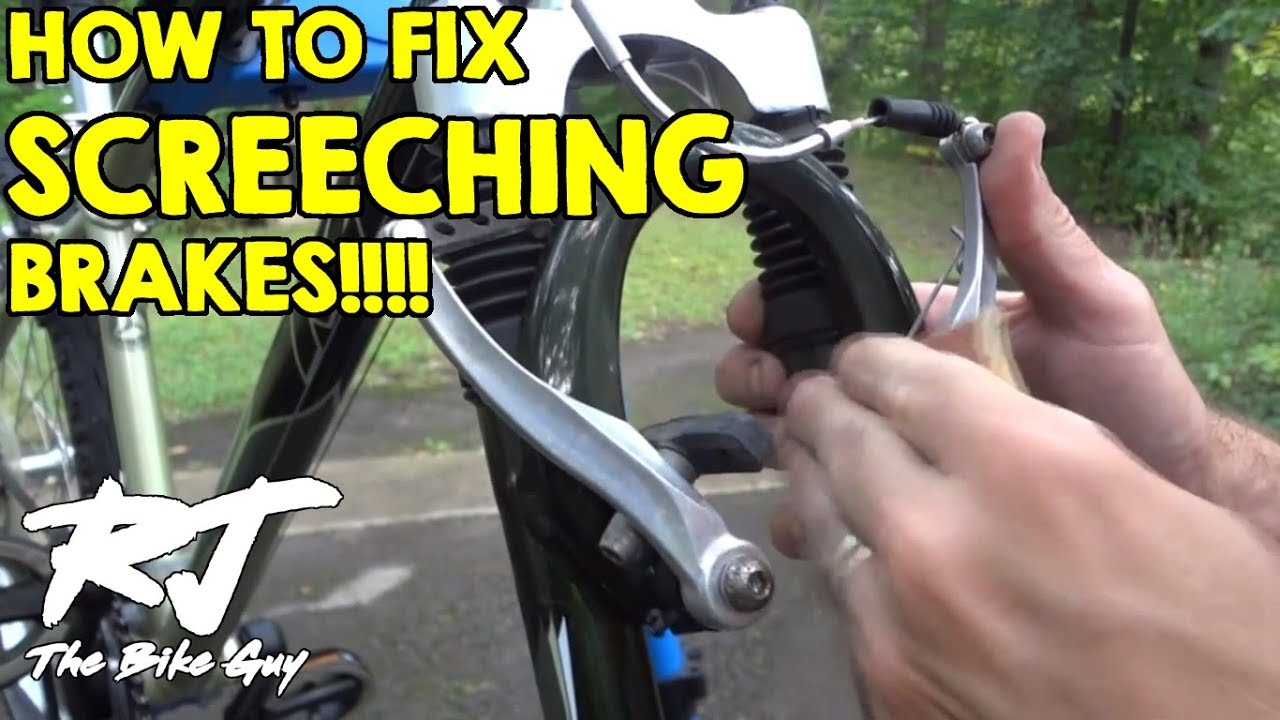
Image Source: i.ytimg.com
Why Do Bike Brakes Squeak?
Several factors can contribute to that dreaded bike brake noise. It’s like a symphony of unwanted sounds when you try to slow down. Most often, the culprit behind noisy bicycle brakes is related to the friction between the brake pads and the braking surface (either the wheel rim or the rotor). Let’s dive into the common causes of brake pad noise and disc brake squeal or rim brake squeal.
Common Causes of Squeaky Brakes:
- Contamination: This is perhaps the most frequent reason for squealing bike brakes. Grease, oil, road grime, and even certain cleaning products can get onto your brake pads or braking surfaces. When these contaminants are heated by friction, they can vibrate, creating that high-pitched squeal.
- Glazed Brake Pads: Over time, brake pads can become “glazed.” This means the surface of the pad has hardened and become smooth, reducing its grip and causing it to slip and squeal against the braking surface. This often happens due to overheating or excessive wear.
- Misaligned Brake Pads: If your brake pads aren’t hitting the braking surface squarely, they can drag at an angle, causing them to vibrate and produce noise. This is a common issue with both rim and disc brakes.
- Worn-Out Brake Pads: Brake pads have a limited lifespan. When they wear down too much, their ability to grip effectively diminishes, and the metal backing plate might even start to contact the rotor (in disc brakes), leading to loud squealing.
- Loose Components: Any loose bolts or components in your braking system can introduce unwanted vibrations and noise. This includes brake calipers, levers, or even the rotor itself.
- Moisture and Debris: Even after a ride in the rain or through muddy conditions, moisture and small debris can get lodged between the pad and the braking surface, causing temporary squeaking.
- Brake Pad Material: Some brake pad compounds are inherently more prone to squealing than others, especially in certain weather conditions. Organic or “resin” pads are often quieter but may wear faster and perform less well in wet conditions compared to metallic or “sintered” pads. Metallic pads, while durable, can sometimes be noisier.
- Rotor Issues (Disc Brakes): For disc brakes, bent or warped rotors can cause the pads to make inconsistent contact, leading to squealing. Also, the surface of the rotor can become contaminated.
Troubleshooting and Fixing Squeaky Brakes: A Step-by-Step Approach
Now that we know the common culprits, let’s get down to business and fix those squeaky brakes! This guide will cover how to clean bike brakes, lubricate bike brakes (carefully!), and adjust bike brakes to eliminate that bothersome bike brake noise.
Step 1: Clean Your Brake System
Cleaning is your first and most important step in addressing noisy bicycle brakes. This will remove any contaminants that might be causing the squeal.
Cleaning Rim Brakes:
- Remove the Wheels: For easier access, it’s best to remove your wheels.
- Inspect the Brake Pads: Look at your rim brake pads. Are they worn down? Do they have embedded debris? If they look heavily worn or have foreign objects stuck in them, you might need to replace them (more on that later).
- Clean the Wheel Rims: The braking surface on your rim is crucial.
- Use a clean rag and a mild degreaser (like isopropyl alcohol or a bike-specific cleaner).
- Wipe down the rim’s braking track thoroughly. You want to remove any oil, grime, or rubber residue.
- For stubborn grime, you can use a fine-grit sandpaper (around 320-400 grit) to gently scuff the braking surface. This helps remove glazed spots and improves grip. Be gentle and don’t oversand.
- After sanding, wipe the rim clean again with alcohol.
- Clean the Brake Pads:
- If your rim brake pads have embedded debris, you can try to gently remove it with a pick or a sharp object.
- You can also lightly sand the surface of the brake pads with fine-grit sandpaper to remove glaze and debris. Again, be gentle.
- Wipe the pads down with alcohol to remove any dust created by sanding.
- Reinstall Wheels: Put your wheels back on the bike.
Cleaning Disc Brakes:
Disc brakes require a bit more caution as contamination on the rotor or pads is very sensitive. Never get oil or grease on your rotors or pads.
- Remove the Wheels: As with rim brakes, removing the wheels makes it easier.
- Inspect the Brake Pads and Rotor:
- Pads: Check for wear. If they look very thin, it’s time for new ones. Look for any embedded debris or a shiny, glazed surface.
- Rotor: Check for any visible dirt, oil, or damage. A warped rotor will often show uneven wear or contact with the pads.
- Clean the Brake Rotor:
- Crucial Step: Use a dedicated disc brake cleaner or isopropyl alcohol (90% or higher).
- Important: Do not use petroleum-based cleaners like WD-40, as they will contaminate your pads and rotor.
- Spray the cleaner onto a clean, lint-free cloth and wipe down the entire rotor surface.
- Spin the rotor and wipe it again to ensure all surfaces are clean.
- Allow the rotor to dry completely.
- Clean the Brake Pads: This is a more delicate process.
- If you suspect contamination, the best course of action is often to remove the brake pads entirely. Consult your bike’s manual or a YouTube tutorial for your specific brake model, as the process varies.
- Once removed, you can lightly sand the pad surface with fine-grit sandpaper (around 320-400 grit) to remove glaze and contaminants.
- Wipe the pads with isopropyl alcohol and a clean cloth.
- If pads are heavily contaminated with oil or grease, it’s often best to replace them. They are relatively inexpensive, and trying to salvage heavily contaminated pads can be frustrating and ineffective.
- Reinstall Wheels: Carefully put your wheels back on. Ensure the rotor goes back between the brake pads without touching them.
Step 2: Bed-In Your Brake Pads
“Bedding in” or “burning in” your brake pads is a critical process, especially for new pads or after cleaning/sanding. It helps to transfer a thin, even layer of pad material onto the braking surface and cures the pad material for optimal performance and reduced noise.
Bedding-In Rim Brakes:
- Find a Safe Area: Go to a flat, open area with no traffic.
- Accelerate Gently: Pedal your bike to a moderate speed (e.g., 5-10 mph).
- Apply Brakes Firmly: Squeeze one brake lever firmly until the bike slows down to a walking pace, but do not come to a complete stop.
- Release and Repeat: Release the brake lever and pedal again. Repeat this process about 10-15 times for each brake. You should feel the brakes getting stronger and more consistent.
Bedding-In Disc Brakes:
Disc brake bedding-in is similar but can be more aggressive.
- Find a Safe Area: Choose a flat, open space.
- Accelerate: Get up to a decent speed, around 15-20 mph.
- Apply Brakes Hard: Squeeze one brake lever with significant force until the bike is almost at a stop.
- Release and Repeat: Release the lever, pedal forward a bit, and repeat this process 10-20 times for each brake. Focus on getting the brakes hot. You might even smell them slightly – this is normal during bedding in.
- Final Hard Stops: Finish with a few hard stops from a higher speed to ensure good engagement.
Step 3: Adjust Brake Pad Alignment
Proper alignment is key to preventing brake pad noise.
Adjusting Rim Brake Pad Alignment:
Most rim brake calipers have adjustment screws or nuts that allow you to fine-tune the angle of the brake pads.
- Check Pad Contact: Spin the wheel and observe how the brake pads contact the rim.
- Toe-In: The ideal scenario is “toe-in,” where the front edge of the brake pad touches the rim slightly before the rear edge. This helps quiet the brakes.
- Uneven Contact: If the pad is hitting the rim at an angle or not making full contact, it needs adjustment.
- Adjusting Toe-In:
- Locate the small bolt or nut that holds the brake pad to the caliper arm.
- Loosen this bolt just enough so you can pivot the pad holder.
- Gently push the rear edge of the pad inwards towards the wheel to create a slight toe-in angle.
- Tighten the bolt securely while holding the pad in place.
- Check for even contact and test the braking. You may need a few small adjustments to get it right.
- Check Pad Height: Ensure the brake pads are not contacting the tire or missing the rim entirely. They should sit squarely on the braking track. Most calipers have a limit line on the pad; ensure the pad is not worn past this.
Adjusting Disc Brake Pad Alignment:
Disc brake calipers are usually designed to self-center to some extent, but sometimes they need manual adjustment.
- Check Pad Clearance: Spin the wheel. If you hear a constant rubbing sound, the caliper might be misaligned.
- Loosen Caliper Bolts: Locate the two bolts that mount the brake caliper to the frame or fork. Loosen them slightly, just enough so the caliper can move freely.
- Squeeze Brake Lever: While the caliper bolts are loose, squeeze the brake lever firmly and hold it. This action should naturally center the caliper around the rotor.
- Tighten Caliper Bolts: With the brake lever still held down, carefully tighten the caliper mounting bolts, alternating between them to ensure even pressure.
- Release Lever and Test: Release the brake lever and spin the wheel. There should be minimal or no rubbing. If there’s still rubbing, you might need to make very small manual adjustments to the caliper position before tightening.
Step 4: Check for Worn Parts
Worn components are a major cause of loud, persistent squealing.
Rim Brake Pad Wear:
- Wear Indicator: Most rim brake pads have a small groove or line etched into them. When the pad wears down to this line, it’s time for replacement.
- Uneven Wear: If one side of the pad is significantly more worn than the other, it can indicate an alignment issue.
Disc Brake Pad Wear:
- Pad Thickness: Visually inspect the thickness of the friction material on the brake pad. If it’s less than 1mm or so (about the thickness of a credit card), they need replacing.
- Metal on Metal: If you see the metal backing plate of the pad grinding against the rotor, this is critical and requires immediate replacement.
Rotor Wear or Damage (Disc Brakes):
- Thickness: Rotors also have a minimum thickness specification, usually printed on the rotor itself. If it’s worn too thin, it needs replacing.
- Warping: Spin the wheel and watch the rotor. If it wobbles significantly, it’s warped and should be replaced. Minor wobbles can sometimes be corrected by gently bending the rotor back with a rotor truing tool, but this takes practice.
Replacing Brake Pads:
Replacing brake pads is a common maintenance task.
- Identify Your Brake Type: Know whether you have rim brakes or disc brakes.
- Get the Correct Replacement Pads: Take your old pads to a bike shop or consult your bike’s manual to ensure you buy the correct type and compound for your brakes.
- Follow Installation Instructions: Most brake pads are held in by a small bolt or pin.
- Rim Brakes: Remove the old pad, clean the pad holder, insert the new pad, and tighten the bolt. Ensure correct orientation.
- Disc Brakes: Remove the wheel, unbolt or unpin the old pads. Some disc brake systems have a small spring that goes between the pads; ensure you transfer or replace this correctly. Insert the new pads, ensuring they are oriented correctly, and reassemble.
- Bed-In New Pads: After replacing pads, you MUST bed them in again as described in Step 2.
Step 5: Lubrication (Use With Extreme Caution!)
Generally, you should avoid lubricating bike brakes unless you have a very specific problem like a stiff pivot point, and even then, use a specialized product and apply it sparingly.
- What NOT to Lubricate: Never lubricate the brake pads, rotors, or rim braking surfaces. This will attract dirt, cause contamination, and drastically reduce your braking power, leading to dangerous situations and more squealing.
- When Lubrication Might Be Needed: The only part of a brake system that might benefit from occasional lubrication is the pivot points on the caliper arms or lever mechanisms if they feel stiff.
- Use a dry lube or a light grease specifically designed for bicycle components.
- Apply one tiny drop to the pivot point only.
- Wipe away any excess immediately with a clean cloth.
- Test for smooth operation.
Step 6: Check for Loose Components
Vibrations from loose parts can also contribute to brake noise.
- Calipers: Ensure the bolts that mount your brake calipers (both rim and disc) to the frame and fork are tight.
- Levers: Check that your brake levers are securely mounted to the handlebars.
- Rotors (Disc Brakes): For disc brakes, ensure the rotor bolts (if your rotor is bolted on, not a one-piece design) are tight. Use a torque wrench if possible to avoid overtightening.
Special Considerations for Disc Brake Squeal
Disc brake squeal is a common complaint and often has a few specific nuances.
Rotor Condition
A warped or bent rotor is a frequent cause of disc brake squeal. Even a slight wobble can cause the pads to rub or hit the rotor unevenly, leading to vibrations and noise.
- Truing a Rotor: If your rotor has a minor wobble, you might be able to straighten it using a specific rotor truing tool. This involves carefully bending the rotor back into shape. It takes practice, and it’s easy to make it worse if not done carefully. If the rotor is significantly bent or damaged, replacement is the safest option.
- Rotor Surface: The surface of the rotor can also become contaminated or glazed, contributing to squeal. Regular cleaning with isopropyl alcohol or disc brake cleaner is essential.
Pad Compound Choice
As mentioned earlier, the type of brake pad can influence noise.
- Organic/Resin Pads: These are generally quieter and provide good initial bite, but they may wear faster and perform less well in very wet or muddy conditions. They are a good choice if noise is your primary concern.
- Metallic/Sintered Pads: These are more durable, offer better performance in wet and muddy conditions, and handle heat better. However, they can sometimes be noisier, especially when new or if they become contaminated.
If you’ve tried everything else and your disc brakes continue to squeal, consider trying a different pad compound from a reputable brand.
Summary Table of Solutions
| Problem | Solution |
|---|---|
| Contaminated pads/rotors | Clean pads and rotors thoroughly with isopropyl alcohol or disc brake cleaner. Bed in pads. |
| Glazed brake pads | Lightly sand pads with fine-grit sandpaper. Clean and bed in. |
| Misaligned brake pads | Adjust pad alignment for toe-in (rim brakes) or center caliper (disc brakes). |
| Worn brake pads | Replace brake pads with new ones. Bed in new pads. |
| Loose caliper mounting bolts | Tighten caliper mounting bolts securely. |
| Worn or warped rotor | Replace rotor. If minor wobble, attempt truing with a specialized tool. |
| Contaminated rotor surface | Clean rotor with isopropyl alcohol or disc brake cleaner. |
| Pad compound | Experiment with different pad compounds (organic vs. metallic). |
| Stiff pivot points | Apply a tiny drop of dry lube or light grease to pivot points only. Wipe away excess. |
Frequently Asked Questions (FAQ)
Q1: How often should I clean my bike brakes?
It’s good practice to clean your brakes, especially the braking surfaces (rims or rotors), every few months as part of regular bike maintenance. However, if you ride in wet, muddy, or dusty conditions frequently, you might need to clean them more often. Always clean them if you notice any bike brake noise.
Q2: Can I use car brake cleaner on my bike disc brakes?
Generally, no. Car brake cleaners can be too harsh and may contain chemicals that can damage rubber seals or plastic components in your bike’s hydraulic brake system. Stick to isopropyl alcohol (90% or higher) or dedicated disc brake cleaners made for bicycles.
Q3: My new bike brakes are squeaking. Is this normal?
Yes, it can be normal for new brake pads and rotors to squeal a bit until they are properly bedded in. Follow the bedding-in procedure outlined in Step 2. If the squealing persists after thorough bedding-in, it might indicate a minor alignment issue or contamination.
Q4: My bike brakes make a loud squealing noise only when it’s wet. What should I do?
This is very common, especially with certain brake pad compounds.
* Metallic pads tend to be more prone to wet-weather squeal than organic (resin) pads.
* Ensure your rotors and rims are clean.
* If the problem persists, you might consider switching to organic brake pads if you have disc brakes, or ensuring your rim brake pads are in excellent condition and properly aligned.
Q5: I cleaned my brakes, but they still squeak. What’s the next step?
If cleaning didn’t solve the issue, the next logical step is to inspect your brake pads for wear and contamination. If they appear glazed or worn beyond their wear indicators, it’s time to replace them. If the pads look fine, check the alignment of your brake pads/calipers and ensure there are no loose components.
By following these steps, you should be well-equipped to tackle that annoying bike brake noise and enjoy quieter, more effective braking on your rides. Happy cycling!