
Can you fix a rusty bike chain? Yes, you absolutely can! While a heavily rusted chain might be beyond repair, most rusty bike chains can be revived with the right cleaning, degreasing, and lubrication. This guide will walk you through the entire process of bike chain rust removal, from initial assessment to preventing future rust. We’ll cover the best way to clean rusty bike chain, degrease rusty bike chain, and the crucial steps for bike chain maintenance rust prevention.
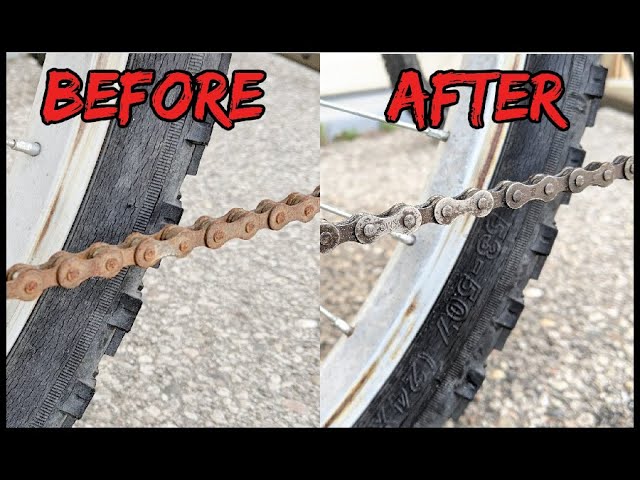
Image Source: i.ytimg.com
Assessing Your Rusty Chain
Before you dive into cleaning, take a close look at your bike chain. Is it just a surface layer of rust, or has the rust penetrated deep into the links?
- Surface Rust: This is the most common type. It looks like a reddish-brown coating on the outside of the chain. This is usually easy to fix.
- Deep Rust: If the rust appears to be eating away at the metal, making the chain stiff, or if you see significant pitting, the chain might be too far gone. A severely rusted chain can be weak and may break while riding, which is dangerous. If the chain is very old and stiff, it might be time for a replacement.
Gathering Your Supplies
To tackle that rusty chain effectively, you’ll need a few things. Having the right tools makes the job much easier and faster.
Here’s a list of what you’ll need:
- Degreaser: A good bike-specific degreaser is ideal. You can also use citrus-based cleaners or even a mild soap and water solution for lighter rust.
- Chain Cleaning Tool (Optional but Recommended): These tools have brushes and reservoirs to hold degreaser, making the cleaning process more efficient.
- Brushes: Stiff-bristled brushes (like an old toothbrush or a specialized bike cleaning brush) are essential for scrubbing away rust.
- Rags or Paper Towels: Plenty of them! You’ll need them for wiping and drying.
- Gloves: To protect your hands from grease and degreaser.
- Water: For rinsing.
- Chain Lubricant: A high-quality bike chain lube is crucial for protecting and smooth operation.
- Chain Tool or Master Link Pliers (if your chain has a master link): To remove the chain for a deeper clean.
Step-by-Step Guide to Bike Chain Rust Removal
Now, let’s get down to business. Here’s how to clean rusty bike chain and remove rust from bicycle chain.
Step 1: Remove the Chain (If Necessary)
For a thorough bike chain rust treatment, removing the chain from the bike is highly recommended. This allows you to clean it more effectively and access all the nooks and crannies.
- Identify Your Chain Type: Most modern bikes have chains with a “master link” or “quick link.” This is a special link that allows the chain to be opened without special tools. Older bikes might require a chain tool to push out a pin.
- Using Master Link Pliers: If you have master link pliers, they make this job very simple. Clamp the pliers onto the master link and squeeze. The link will open, allowing you to remove the chain.
- Using a Chain Tool: If your chain doesn’t have a master link, you’ll need a chain tool. Position the chain tool so the pin aligns with the chain pin you want to push out. Slowly turn the handle of the chain tool to push the pin out. Be careful not to push the pin all the way out, as this can make rejoining the chain difficult. Push it out just enough to separate the links.
- If You Can’t Remove the Chain: If you’re not comfortable removing the chain or don’t have the tools, you can still clean it while it’s on the bike. It’s just a bit more challenging to get it perfectly clean.
Step 2: Degrease and Scrub
Once the chain is off the bike (or if you’re cleaning it in place), it’s time to degrease.
- Apply Degreaser: Generously apply degreaser to the entire length of the chain. If you have a chain cleaning tool, fill its reservoir with degreaser and clip it onto the chain.
- Let It Soak (Briefly): Allow the degreaser to sit for a few minutes to break down grease and grime. Don’t let it dry out.
- Scrub, Scrub, Scrub: Use your stiff-bristled brushes to scrub every part of the chain. Pay attention to the rollers and the inner plates. If using a chain cleaning tool, pedal backward (if the chain is on the bike) or agitate the tool vigorously to let the internal brushes do their work.
- Rinse and Repeat: Rinse the chain thoroughly with water. Inspect it. If there’s still a lot of grime or visible rust, repeat the degreasing and scrubbing process.
Step 3: Tackle the Rust
Now that the grease is gone, you can focus on the rust itself.
-
For Light Surface Rust:
- Vinegar Soak: A simple and effective method for light rust is soaking the chain in white vinegar. Place the chain in a container and cover it with white vinegar. Let it soak for about 30 minutes to an hour. The acetic acid in the vinegar will help dissolve the rust.
- Baking Soda Paste: Another option is to create a paste of baking soda and water. Apply this paste to the rusty areas and scrub with a brush.
- Commercial Rust Removers: There are also specific rust-removing solutions available at hardware stores or online. Follow the product instructions carefully, and always use them in a well-ventilated area.
-
For Stubborn Rust:
- Steel Wool or Brass Brush: For more stubborn rust, you might need to use finer steel wool (0000 grade is best to avoid scratching too much) or a brass brush. Gently scrub the rusty areas. Be patient and work in small sections.
- Chain Cleaning Tool with Rust Remover: Some chain cleaning tools can be used with mild rust removers. Always check the tool’s instructions to ensure compatibility.
-
Important Note: Whichever method you use for rust removal, it’s crucial to rinse the chain thoroughly with water after the rust treatment. Any residual cleaner or rust remover can damage the metal or interfere with lubrication.
Step 4: Dry the Chain Thoroughly
This is a critical step in bike chain maintenance rust prevention. Water is the enemy of a clean chain and can lead to new rust forming quickly.
- Initial Wipe Down: Use clean rags or paper towels to wipe off as much water as possible.
- Air Dry: Hang the chain or lay it flat on a dry surface and let it air dry completely.
- Heat Drying (Optional): For an extra thorough drying, you can use a hairdryer on a low heat setting or place the chain in a warm, dry place. Ensure it’s completely dry before proceeding.
Step 5: Lubricate Your Chain
Lubrication is essential not just for smooth shifting and pedaling but also for protecting your chain from rust and wear. This is the final, and perhaps most important, step in how to restore rusty bike chain.
-
Choose the Right Lube: There are different types of chain lubes:
- Wet Lube: Thicker and lasts longer, good for wet conditions. Can attract more dirt.
- Dry Lube: Thinner and designed for dry, dusty conditions. Needs to be applied more frequently.
- All-Conditions Lube: A good compromise for varied weather.
-
Apply Lube Sparingly: Apply one drop of lubricant to the top of each roller on the chain. If the chain is on the bike, pedal backward slowly as you apply the lube to ensure even distribution.
- Work It In: After applying lube, pedal backward for a minute or two. This helps the lube penetrate all the internal parts of the chain.
- Wipe Off Excess Lube: This is a crucial step often overlooked. Use a clean rag to wipe off all the excess lube from the outside of the chain. The lube needs to be inside the rollers and pins, not coating the outside. Excess lube on the outside will attract dirt and grime, leading to faster wear.
What to Use on Rusty Bike Chain: A Quick Summary
| Item | Purpose | Notes |
|---|---|---|
| Degreaser | Remove grease and dirt | Bike-specific or citrus-based recommended. |
| Stiff Brush | Scrub away rust and grime | Toothbrush, dedicated bike brush. |
| Vinegar | Dissolve light surface rust | White vinegar is best. |
| Baking Soda Paste | Mild abrasive for rust removal | Mix with water to form a paste. |
| Steel Wool (0000) | For stubborn rust | Use fine grade to minimize damage. |
| Brass Brush | Gentle scrubbing for rust | Safer than steel wool for delicate parts. |
| Clean Rags/Towels | Wiping, drying | Have plenty on hand. |
| Gloves | Protect hands | Essential for working with degreasers. |
| Chain Lube | Lubricate and protect from future rust | Choose based on riding conditions. |
| Chain Tool/Pliers | Remove chain for deep cleaning | If your chain has a master link or requires pin removal. |
How to Prevent Bike Chain Rust
The best way to deal with rust is to prevent it from happening in the first place. Consistent bike chain maintenance rust prevention is key.
- Regular Cleaning and Lubrication: This is the single most important factor. Clean your chain after every few rides, or more often if you ride in wet or dusty conditions. Lubricate it after cleaning and drying.
- Wipe Down After Wet Rides: If you ride in the rain or through puddles, dry your bike chain immediately with a rag. Apply a fresh coat of lube if necessary.
- Store Your Bike Properly: Keep your bike in a dry place, away from moisture and humidity. Avoid storing it in damp sheds or outside uncovered.
- Use the Right Lube for the Conditions: A dry lube might not offer enough protection in wet weather, while a wet lube can attract too much dirt in dry conditions. Choose accordingly.
- Protect Your Chain: Some cyclists use chain guards or covers, which can offer an additional layer of protection against the elements.
Restoring a Severely Rusty Chain
If you have a chain that’s really caked in rust and stiff, you might need a more intensive approach to how to restore rusty bike chain.
- Deep Soak: For very rusty chains, a longer soak in white vinegar or a commercial rust remover might be necessary. Check the chain every hour and scrub gently. Be patient.
- Electrolysis (Advanced Method): For extreme cases, electrolysis can be used. This involves setting up a battery charger, a sacrificial anode (like a piece of scrap steel), and an electrolyte solution (like washing soda and water). The rust is electrochemically removed. This is a more advanced technique and requires caution due to the use of electricity and chemicals. If you’re not experienced with this, it’s better to stick to simpler methods or replace the chain.
- Chain Replacement: Honestly, sometimes the best way to “fix” a severely rusted and degraded chain is to replace it. A new chain is relatively inexpensive compared to the potential problems a weak, rusty chain can cause, such as chain breakage during a ride, which can damage your bike or cause an accident.
Reinstalling the Chain
If you removed your chain, it’s time to put it back on.
- With a Master Link: Simply thread the chain back through your derailleur and onto the chainrings, ensuring the master link is positioned where you can easily connect it. Connect the two halves of the master link. You might need to pedal forward gently to snap it into place.
- Without a Master Link (Using a Chain Tool): Carefully guide the chain back together. Insert the chain pin you partially removed earlier. Use the chain tool to push the pin back in until it’s flush with the outer plate. You want it to be snug but not so tight that the link is stiff. Test the link by flexing it slightly. If it’s too stiff, you may need to push the pin out a tiny bit further. If it’s too loose, the pin might not be seated correctly.
Frequently Asked Questions (FAQ)
Q: How long does it take to remove rust from a bike chain?
A: For light surface rust, it might only take 30 minutes to an hour using vinegar and scrubbing. For more stubborn rust, or if you’re cleaning the chain while it’s still on the bike, it could take a couple of hours.
Q: Can I use WD-40 to clean a rusty bike chain?
A: WD-40 is primarily a water dispersant and lubricant, not a strong degreaser or rust remover. While it might help loosen some surface rust and displace water, it’s not the best choice for deep cleaning. It can also attract dirt if not wiped off thoroughly. A dedicated bike degreaser is much more effective for degrease rusty bike chain.
Q: What’s the fastest way to clean a rusty bike chain?
A: The fastest way often involves removing the chain and using a chain cleaning tool with a good degreaser, followed by a quick soak in vinegar for any remaining rust and thorough drying.
Q: Will cleaning a rusty chain damage my bike?
A: If done correctly with appropriate products and techniques, cleaning a rusty chain should not damage your bike. However, using overly harsh chemicals or abrasive tools aggressively could potentially cause damage. Always use products designed for bike parts and follow instructions.
Q: My chain is still stiff after cleaning and lubing. What’s wrong?
A: If the chain is still stiff, it might indicate that the rust was deeper than you thought, or that the pins and rollers are worn out. In this case, replacement might be the best option.
Q: How often should I lubricate my bike chain?
A: It’s generally recommended to lubricate your chain every 100-200 miles, or after every few rides, especially if you ride in wet conditions. Always check the condition of your chain; if it looks dry or makes noise, it needs lube.
Q: Is it better to replace a rusty chain or try to fix it?
A: For light surface rust, cleaning and lubricating is usually sufficient. If the chain is heavily rusted, stiff, pitted, or shows signs of significant wear, replacing it is safer and more effective. A new chain is a relatively inexpensive part that ensures optimal performance and safety.
By following these steps, you can effectively tackle that rusty bike chain, get it running smoothly again, and protect it from future corrosion. Regular bike chain maintenance rust prevention is the best approach for a long-lasting and well-performing drivetrain.