Can you jump start a motorcycle? Yes, you can jump start a motorcycle if its battery is dead, but it requires caution and the right equipment to avoid damage.
A dead motorcycle battery can be a frustrating experience. You’re ready to ride, but your bike just won’t start. The good news is that in many cases, a motorcycle jump start can get you back on the road. This guide will walk you through the process safely and effectively, ensuring you know what to do when your dead motorcycle battery leaves you stranded. We’ll cover everything from identifying the problem to safely connecting jump leads and getting your engine running.
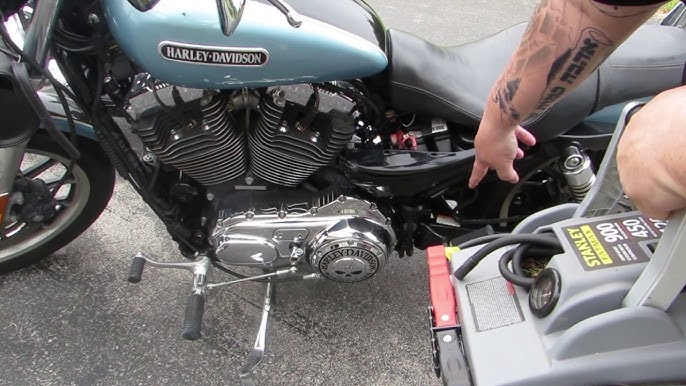
Image Source: i.ytimg.com
Pinpointing the Cause of a Dead Battery
Before you attempt a jump start, it’s wise to consider why your battery might be dead. This can help prevent future issues.
Common Reasons for a Dead Motorcycle Battery:
- Leaving Lights or Accessories On: This is a classic mistake. Forgetting to turn off your headlights, parking lights, or aftermarket accessories can drain the battery overnight.
- Battery Age and Condition: Motorcycle batteries, like all batteries, have a limited lifespan. An old or damaged battery may no longer hold a charge effectively.
- Charging System Issues: If your motorcycle’s charging system isn’t working correctly (e.g., a faulty voltage regulator or stator), the battery won’t be recharged while you ride, leading to a gradual discharge.
- Corroded Terminals: Dirty or corroded battery terminals create resistance, hindering the flow of electricity and preventing proper charging or starting.
- Internal Battery Damage: Sometimes, a battery can develop internal faults that render it unable to hold a charge.
Signs of a Dead Battery:
- No electrical activity: When you turn the ignition key, nothing happens – no lights, no dashboard illumination.
- Weak electrical activity: Lights are dim, the horn sounds weak, or the starter motor just clicks weakly.
- Engine cranks slowly or not at all: The starter motor might turn the engine over very slowly, or it might not turn it over at all.
- Clicking sound: A rapid clicking sound often indicates the starter solenoid is trying to engage but doesn’t have enough power from the battery to turn the starter motor.
Essential Tools for a Motorcycle Jump Start
To perform a motorcycle jump start, you’ll need a few key items:
What You’ll Need:
- Another Motorcycle or Car: This provides the power source. A car battery is generally more powerful than a motorcycle battery, so it’s a common choice.
- Good Quality Jump Leads: These are thick, insulated cables with clamps on each end. Ensure they are designed for motorcycles or small engines to avoid overwhelming your bike’s electrical system. Look for jump leads with good quality, heavy-duty clamps.
- Protective Gear: Gloves and eye protection are highly recommended to protect yourself from sparks and battery acid.
Preparing for the Jump Start: Safety First!
Safety is paramount when dealing with batteries and electrical systems. Following these steps will help ensure a safe motorcycle jump start.
Safety Precautions:
- Read Your Owner’s Manual: Always consult your motorcycle’s owner’s manual for specific instructions or warnings regarding jump starting. Some manufacturers may advise against it for certain models.
- Turn Off Both Vehicles: Ensure both the donor vehicle (the one providing the power) and your motorcycle are switched off. Remove the keys from the ignition.
- Ensure Proper Ventilation: Batteries can release hydrogen gas, which is flammable. Work in a well-ventilated area.
- Avoid Sparks: Keep sparks and open flames away from the battery area.
- Identify Battery Terminals: Locate the positive (+) and negative (-) terminals on both batteries. They are usually clearly marked. The positive terminal is often red, and the negative terminal is often black or has a minus (-) sign.
- Check for Damage: Inspect your motorcycle’s battery for any signs of damage, such as cracks or leaks. Never attempt to jump-start a damaged battery.
- Ensure Correct Voltage: Make sure the donor vehicle has the same voltage system as your motorcycle (typically 12 volts for most modern bikes). Using a different voltage can cause severe damage.
Step-by-Step Guide: How to Connect Jump Leads
Properly connecting jump leads is crucial to a successful and safe motorcycle jump start. Follow these steps precisely:
Connecting the Cables:
- Connect the Red Clamp to the Dead Battery’s Positive Terminal: Attach one of the red clamps of the jump leads firmly to the positive (+) terminal of your motorcycle’s dead battery.
- Connect the Other Red Clamp to the Donor Battery’s Positive Terminal: Attach the other red clamp to the positive (+) terminal of the donor vehicle’s battery.
- Connect the Black Clamp to the Donor Battery’s Negative Terminal: Attach one of the black clamps of the jump leads firmly to the negative (-) terminal of the donor vehicle’s battery.
- Connect the Final Black Clamp to a Grounding Point on Your Motorcycle: This is a critical step. DO NOT connect the final black clamp directly to the negative terminal of your dead motorcycle battery. Instead, connect it to an unpainted metal part of your motorcycle’s frame, engine block, or a solid bolt away from the battery. This minimizes the risk of sparks near the battery, which could ignite hydrogen gas. Look for a sturdy, unpainted metal surface that is electrically connected to the chassis.
Visualizing the Connection Order:
It’s helpful to visualize the order of connections. Here’s a common and safe sequence:
| Cable Color | Connection 1 (Dead Battery) | Connection 2 (Donor Battery) |
|---|---|---|
| Red | Positive (+) Terminal | Positive (+) Terminal |
| Black | Grounding Point | Negative (-) Terminal |
Important Note on Reverse Polarity Protection: Modern vehicles, including some motorcycles, may have reverse polarity protection. This feature prevents damage if the cables are connected incorrectly. However, it’s still best practice to follow the correct connection order to avoid any potential issues. If your motorcycle has this feature, it might prevent the jump start from working if the connections are reversed, or it might simply disable the electrical system temporarily.
Starting the Donor Vehicle and Charging Your Motorcycle
Once the jump leads are correctly connected, you can begin the process of transferring power.
The Starting Process:
- Start the Donor Vehicle: Start the engine of the donor car or motorcycle. Let it run for a few minutes (5-10 minutes is usually sufficient) at a slightly elevated idle speed (around 1500-2000 RPM). This allows the donor vehicle’s alternator to charge your dead motorcycle battery a bit.
- Attempt to Start Your Motorcycle: After the donor vehicle has been running for a few minutes, try to start your motorcycle. If it starts, great! If it struggles, let the donor vehicle run for a few more minutes.
- If It Doesn’t Start: If your motorcycle still doesn’t start after a couple of attempts, there might be a more serious issue than just a dead battery, or the battery is completely beyond recovery.
Disconnecting the Jump Leads Safely
Once your motorcycle is running, it’s time to disconnect the jump leads. This process should also be done carefully to prevent sparks.
Disconnecting Order:
- Disconnect the Black Clamp from Your Motorcycle’s Grounding Point: Start by removing the black clamp from the unpainted metal part of your motorcycle’s frame.
- Disconnect the Other Black Clamp from the Donor Battery’s Negative Terminal: Remove the black clamp from the negative terminal of the donor vehicle’s battery.
- Disconnect the Red Clamp from the Donor Battery’s Positive Terminal: Remove the red clamp from the positive terminal of the donor vehicle’s battery.
- Disconnect the Final Red Clamp from Your Motorcycle’s Positive Terminal: Finally, remove the red clamp from your motorcycle’s positive battery terminal.
Why the Order Matters: Disconnecting in reverse order of connection helps to keep the final connection (which is more likely to spark) away from both batteries and the flammable hydrogen gas they might emit.
After the Jump Start: What Next?
Your motorcycle is running, but the process isn’t entirely complete. You need to ensure your battery can hold a charge.
Ensuring the Battery Recharges:
- Ride Your Motorcycle: Keep your motorcycle running for at least 15-30 minutes. A good ride on the open road is ideal, as it allows the engine to run at a steady RPM and the voltage regulator to work effectively, recharging the dead motorcycle battery.
- Check Battery Health: After riding, if your motorcycle still has trouble starting the next time, or if the lights are dim again, it’s a strong indicator that your battery is failing and needs to be replaced. You can also have your battery tested at an auto parts store or motorcycle shop.
- Inspect the Charging System: If a new battery also fails to hold a charge, there’s likely an issue with your motorcycle’s charging system, such as a faulty stator or voltage regulator. This will require professional diagnosis and repair.
Alternative Starting Methods: The Kick Start
Some motorcycles, particularly older or classic models, come equipped with a kick start mechanism. This is a fantastic backup for a dead battery.
How to Use a Kick Start:
- Ensure Neutral Gear: Make sure your motorcycle is in neutral. You can usually tell by rocking the bike gently; the rear wheel should spin freely.
- Turn the Ignition On: Turn the ignition key to the “on” position.
- Deploy the Kick Start Lever: Locate the kick start lever (usually on the right side of the engine).
- Priming the Engine (If Applicable): Some carbureted bikes may require a slight choke or priming action. Consult your owner’s manual.
- Position Yourself: Stand with your right foot firmly on the ground for stability.
- Lift the Kick Start Lever: Gently lift the kick start lever with your foot until it clicks into place.
- Execute the Kick: Firmly and smoothly push the kick start lever down with your foot. You want to use a strong, consistent motion. It might take a few kicks.
- Be Prepared: Have your clutch lever ready to pull in case the engine starts abruptly.
Important Note for Kick Start: While a kick start bypasses the need for a charged battery for ignition, it still relies on the battery for essential functions like fuel injection (on modern bikes) and the ignition system’s power source. If the battery is completely dead, even a kick start might not be enough to fire up certain systems.
Frequently Asked Questions (FAQ)
Q1: Can I use a car battery to jump-start my motorcycle?
A1: Yes, you can use a car battery, but it’s important to use appropriate jump leads designed for motorcycles or smaller engines. Car batteries have much higher amperage than motorcycle batteries, so using standard, heavy-duty car jumper cables might deliver too much current and potentially damage your motorcycle’s sensitive electrical components, especially the starter motor. Always ensure the voltage matches (12V).
Q2: What happens if I connect the jump leads the wrong way (reverse polarity)?
A2: Connecting the jump leads with reverse polarity can cause significant damage to your motorcycle’s electrical system, including the battery, rectifier, and starter motor. It can also damage the donor vehicle’s electrical system. Many modern vehicles have reverse polarity protection, which might prevent damage by disabling the system, but it’s still a risk you should avoid by connecting them correctly.
Q3: How long should I let the donor vehicle run to charge my motorcycle battery?
A3: Let the donor vehicle run for about 5-10 minutes at an elevated idle speed (around 1500-2000 RPM) before attempting to start your motorcycle. This gives the alternator time to transfer some charge to your dead motorcycle battery. After starting your bike, keep it running for at least 15-30 minutes, preferably with a ride, to allow its own charging system to replenish the battery.
Q4: Can I jump-start my motorcycle with another motorcycle?
A4: Yes, you can jump-start a motorcycle with another motorcycle. This is often the preferred method as the power output is more closely matched. Ensure both motorcycles are the same voltage (typically 12V). Follow the same connection procedures as described above, being extra careful to avoid sparks and connect to a ground point on the motorcycle being jumped.
Q5: What is the role of the voltage regulator in a motorcycle’s charging system?
A5: The voltage regulator is a crucial component that controls the output voltage from the stator (which generates electricity) to prevent overcharging or undercharging the battery. It ensures that the battery receives the correct amount of voltage to stay charged without being damaged by excessive voltage. If the voltage regulator fails, it can lead to a dead battery or damage other electrical components.
Q6: My motorcycle has a kick start. Can I still jump-start it?
A6: Yes, you can still jump-start a motorcycle with a kick start if the battery is dead. While the kick start allows you to crank the engine manually without relying on the battery’s power for the starter motor, the ignition system and fuel injection (on modern bikes) still require a certain amount of battery power to function. A jump start can provide this necessary power.
Q7: Is it safe to leave the jump leads connected after my motorcycle starts?
A7: No, it is not safe to leave the jump leads connected after your motorcycle has started. You should disconnect them promptly in the correct sequence to prevent sparks and potential damage to the electrical systems of both vehicles.
By following these guidelines, you can confidently perform a motorcycle jump start and get back to enjoying your ride, even when faced with a dead motorcycle battery. Remember, safety and proper procedure are key to a successful outcome.