
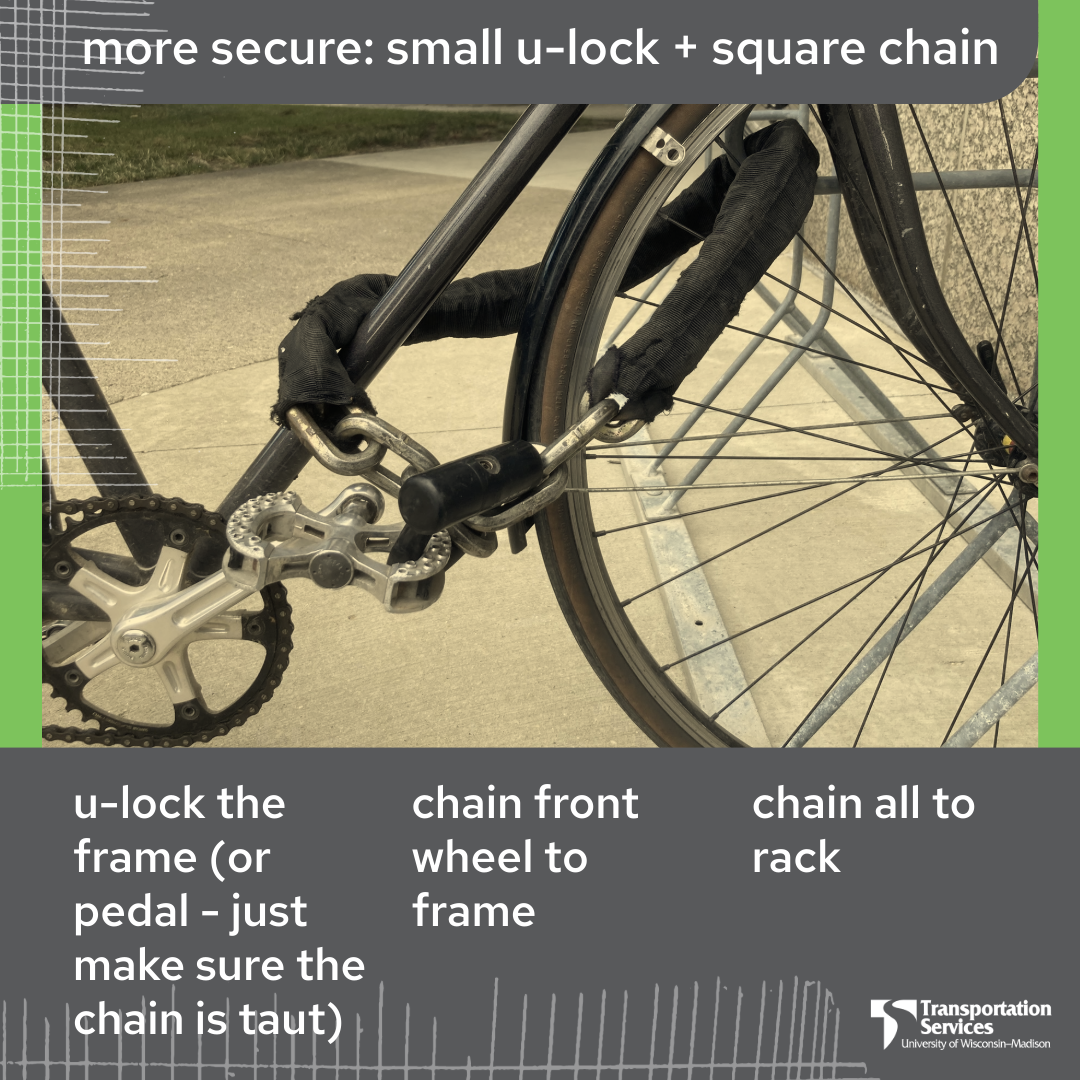
Image Source: cdn.wiscweb.wisc.edu
How To Lock Bike On Bike Rack: Best Ways to Ensure Your Bicycle’s Safety
Can you lock your bike to a bike rack? Yes, absolutely! Locking your bike to a bike rack is a crucial step for bike security when transporting it on your vehicle. Improperly secured bikes can easily fall off, leading to damage to your bike, your car, or even other vehicles on the road. This guide will walk you through the best ways to ensure your bike is locked securely to your bike rack, covering everything from choosing the right locks to proper bicycle lock placement.
Why Secure Your Bike to the Rack?
Transporting your bike on a car rack might seem straightforward, but it comes with its own set of risks. Beyond the obvious threat of theft if left unattended, vibrations from the road, sudden stops, sharp turns, and even strong winds can dislodge a poorly secured bike. This can cause significant damage to your prized possession, your vehicle, or even cause accidents for other drivers. Therefore, understanding the best practices for securing your bike to the rack is paramount. This isn’t just about bike rack security tips; it’s about responsible transport.
Types of Bike Racks and Their Locking Mechanisms
The method of securing your bike will often depend on the type of bike rack you have. Most bike racks have integrated locking mechanisms or points where you can attach your own locks.
- Roof Racks: These often have forks that hold the front wheel and straps for the frame. Some have integrated cable locks or allow you to secure the frame to the rack’s crossbars.
- Hitch Racks: These typically cradle the bike by the frame or wheels. They often come with locking frame clamps or allow you to loop locks around the frame and rack.
- Trunk Racks: These are often the least secure type of rack and may not have integrated locking features. They rely heavily on the straps and the frame mounts, making additional locking crucial.
Choosing the Right Locks for Your Bike Rack
The choice of lock is fundamental to effective bike security. While you might be thinking about preventing theft when your bike is parked, securing it to the rack is a different, though equally important, aspect of bike security.
- U-Locks: A high-quality U-lock is a strong deterrent against theft and can also be used effectively to secure your bike to a rack. Look for U-locks made from hardened steel with a thick shackle. When using a U-lock bike rack configuration, aim to loop the shackle through your frame and around a sturdy part of the bike rack.
- Cable Locks: While generally less secure than U-locks for outright theft prevention, a cable lock bike rack setup can be useful for added security. They are flexible and easy to wrap around frames and rack components. It’s best to use a cable lock in conjunction with a U-lock or as a secondary deterrent.
- Integrated Locks: Many modern bike racks come with built-in locking cables or frame clamps. These are convenient but should always be checked for robustness.
- Straps and Bungees: While essential for holding your bike in place, these are not security locks. They are for stability. Always supplement them with proper locks.
Best Practices for Locking Your Bike to Your Bike Rack
Effective bicycle lock placement is key to preventing both theft and accidental detachment.
1. Secure the Frame
The most critical part of your bike to secure is the frame. It’s the largest and most valuable component.
- U-Lock Method: With a U-lock, position it so it goes through the main triangle of your frame (the area between the seat tube, down tube, and seat stays). Then, loop it around a solid, immovable part of the bike rack. For instance, loop it around the rack’s crossbar or a structural upright. This prevents someone from simply lifting the bike over the lock.
- Cable Lock Method: A cable lock can be used to secure the frame to the rack in a similar fashion. Again, aim to loop it around the frame and a strong part of the rack.
2. Lock Wheels to the Frame (If Possible)
Wheels, especially quick-release ones, are vulnerable to theft even when the bike is on the rack.
- Front Wheel: If you have a U-lock or cable lock long enough, try to loop it through the front wheel and then around the frame and rack. This secures the wheel to the rest of the bike and the rack.
- Rear Wheel: Similarly, if space and lock length permit, secure the rear wheel to the frame and rack. This is particularly important for locking mountain bike on rack scenarios, as mountain bikes often have larger wheels and components that might offer more leverage for thieves.
3. Double Up for Maximum Security
For the ultimate bike security, especially if you’re leaving your bike unattended for any length of time, consider using multiple locks.
- A U-lock on the frame and a cable lock securing the wheels to the frame and rack is an excellent combination.
- If your rack has integrated locks, use them in conjunction with your own U-lock or heavy-duty cable.
Securing Your Bike to a Car Rack: Step-by-Step
Here’s a general process for securing bike to car rack:
- Position Your Bike: Place your bike onto the rack, ensuring it sits snugly in its designated cradles or forks.
- Engage Rack Straps/Clamps: Secure the bike’s frame and/or wheels using the rack’s built-in straps, clamps, or fork mounts. Ensure they are tight and don’t allow for excessive movement.
- Apply Your Locks:
- U-Lock: Place the U-lock through the frame and around a solid part of the rack. Ensure there’s no room for the lock to be pried open.
- Cable Lock: Wrap the cable lock through the frame, wheels, and around the rack.
- Combined Approach: If using multiple locks, ensure they are positioned strategically to secure different parts of the bike and the rack itself.
- Test for Security: Gently try to shake the bike. It should feel solid and secure with minimal play. The locks should be taut, and the frame shouldn’t wobble excessively. Check that the straps are not loose.
Specific Considerations for Different Bike Types
The type of bike you have can influence how you secure it.
Locking Mountain Bike on Rack
Mountain bikes are often heavier and have larger frames and tires.
- Frame Security: Ensure your lock goes through the main triangle of the mountain bike frame and around a robust part of the rack. The thicker tubing of many mountain bike frames can accommodate larger U-locks.
- Wheel Security: Mountain bike wheels are often more robust, but quick-release skewers are still common. Securing the wheels to the frame and rack is vital. Consider using a long, thick cable lock if your U-lock won’t reach both wheels.
- Suspension: Be mindful of suspension components. While you want to secure the frame, avoid placing locks in a way that could damage delicate suspension parts.
Locking Road Bike on Rack
Road bikes are typically lighter and have thinner frames, which can sometimes make them more vulnerable to frame damage if not secured properly.
- Frame Protection: When using a U-lock bike rack setup for a road bike, be aware of the thinner frame tubes. Some U-locks might be too large, leaving too much space that could be exploited. Consider a slightly smaller U-lock or add padding to prevent scratching or damage.
- Wheel Security: Road bike wheels are often lighter and can be more easily stolen. Always try to secure at least the rear wheel to the frame and rack.
- Aerobars/Handlebars: For some roof racks, handlebars might need to be secured with straps to prevent excessive spinning.
Bike Rack Security Tips for Enhanced Protection
Beyond just locking your bike to the rack, consider these additional bike rack security tips:
- Locking to the Car Itself: Whenever possible, loop a lock around your bike frame and a secure, non-removable part of your car’s frame or trailer hitch. This makes it much harder to steal the bike, even if someone manages to remove the bike from the rack.
- Consider a Portable Bike Lock for Rack: A portable bike lock for rack can be a coiled steel cable or a flexible U-lock that is easy to carry and store. This allows you to lock your bike to the rack even when you’re away from your car, such as at a trailhead or a pit stop.
- Remove Accessories: Detach any valuable accessories like lights, computers, or water bottles. These are easy targets for thieves.
- Cover Your Bike: A bike cover can deter opportunistic thieves by hiding the fact that a bike is on the rack and making it less visible. It also protects your bike from the elements.
- Choose a Secure Parking Spot: If you must leave your bike unattended on the rack, park in well-lit, high-traffic areas. Avoid secluded spots.
- Check Your Rack Regularly: Periodically inspect your bike rack itself for any signs of tampering or damage.
The Best Bike Rack Locks: Recommendations
When searching for the best bike rack locks, prioritize security, durability, and ease of use.
| Lock Type | Strength | Ease of Use | Best For | Considerations |
|---|---|---|---|---|
| U-Lock | Very High | Moderate | Securing frame to rack; primary security. | Can be heavy; may require multiple to lock multiple bikes. |
| Cable Lock | Moderate | High | Securing wheels to frame/rack; secondary security; flexibility. | Can be cut with bolt cutters; less secure than U-locks. |
| Chain Lock | High | Moderate | Similar to U-locks but more flexible for wrapping around multiple items. | Heavy; can be cumbersome to carry. |
| Folding Lock | High | High | Compact storage; good balance of security and portability. | Can be more expensive; some links can be vulnerable. |
Important Note: No lock is entirely theft-proof. The goal is to make your bike a much harder target than others.
What About Locking Multiple Bikes?
If you’re transporting more than one bike, the challenge increases.
- Interlocking Locks: Use your U-locks and cable locks to link the frames of multiple bikes together, and then secure this assembly to the rack.
- Lock Each Bike Individually: The most secure approach is to lock each bike individually to the rack, ensuring each frame and as many wheels as possible are secured.
- Rack Security Features: Some racks are designed with multiple locking points that can accommodate locks for several bikes.
Can I Use Zip Ties?
No, zip ties are not a substitute for proper locks. While they can keep things tidy, they offer zero security against theft and can be easily broken.
Frequently Asked Questions (FAQ)
- Q: Do I really need to lock my bike to the rack?
A: Yes. While the rack itself provides some stability, it’s crucial to use locks to prevent theft and ensure the bike doesn’t detach due to road vibrations or sudden movements. - Q: What’s the best way to lock my bike on a roof rack?
A: With a roof rack, it’s essential to secure the frame to the rack’s crossbar using a U-lock or cable lock. Many roof racks have integrated frame clamps that should also be locked. - Q: How do I lock my bike to a hitch rack securely?
A: Hitch racks usually cradle the bike by the frame or wheels. Use the rack’s integrated locking frame clamps if available, and supplement with your own U-lock or cable lock through the frame and a sturdy part of the rack or car hitch. - Q: Is a cable lock sufficient for securing my bike to the rack?
A: A cable lock alone is generally not sufficient for deterring determined thieves, but it can be a useful secondary lock for securing wheels to the frame and rack. It’s best used in conjunction with a U-lock. - Q: How can I prevent my bike from being stolen when it’s on the car rack?
A: Use high-quality locks, secure the frame and wheels, double-check all straps and connections, and park in secure locations whenever possible. Locking the bike to the car’s frame is also highly recommended.
By following these detailed guidelines and employing the right security measures, you can ensure your bike is transported safely and securely on your car rack, giving you peace of mind on every journey.