
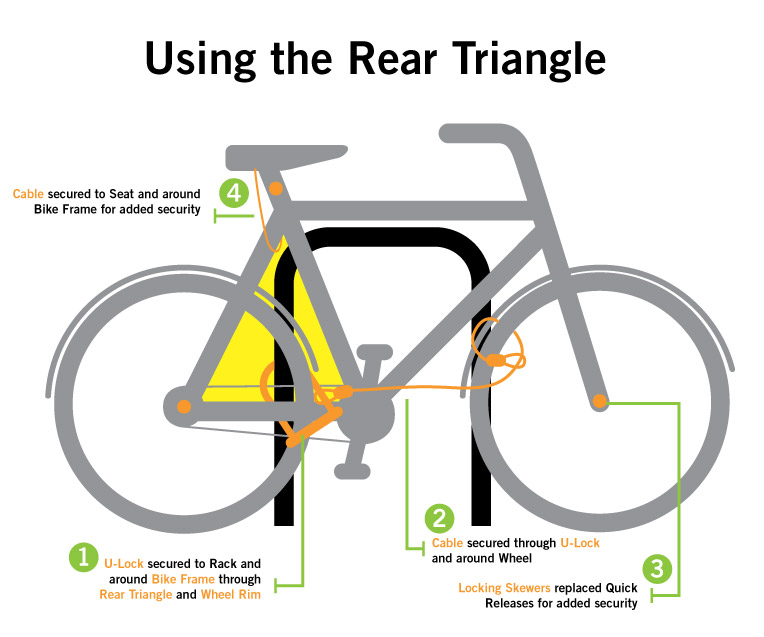
Image Source: sfbike.org
Best Ways How To Lock Your Bike Securely
Can you lock your bike securely? Yes, by using the right locks, employing effective bicycle locking techniques, and choosing secure locations, you can significantly reduce the risk of bike theft. What is the most secure way to lock a bike? The most secure way involves using a high-quality U-lock or heavy-duty chain lock that encompasses both the frame and at least one wheel, secured to a solid object.
Preventing bike theft is a constant concern for cyclists. Whether you’re heading to the grocery store for a quick errand or leaving your beloved ride parked overnight, knowing how to lock your bike securely is paramount. This guide will delve into the best strategies and tools for robust bike security, ensuring your bicycle remains yours. We’ll explore different types of locks, optimal locking methods, and key considerations for thwarting opportunistic thieves.
The Importance of Bike Security
Bike theft is a widespread problem, and unfortunately, bicycles are often seen as easy targets by criminals. They are relatively portable and can be quickly dismantled or resold. Investing time and resources into proper bike security isn’t just about protecting your property; it’s about enjoying your cycling adventures without the constant worry of losing your bike.
Choosing the Right Locks: Your First Line of Defense
The cornerstone of effective bike security lies in the quality of your locks. Not all locks are created equal, and a cheap, flimsy lock will do little to deter a determined thief. When selecting locks, consider the following:
U-Lock Bicycle: The Gold Standard
A U-lock bicycle, also known as a D-lock, is widely considered one of the most secure options for locking your bike. Their rigid design makes them difficult to cut or break.
- Construction: High-quality U-locks are typically made from hardened steel, making them resistant to bolt cutters and sawing.
- Shackle Diameter: Look for U-locks with a thicker shackle (13mm or more). A thicker shackle is harder to cut.
- Locking Mechanism: Double-bolting mechanisms, where both ends of the shackle lock into the crossbar, offer superior security.
- Key vs. Combination: While combination locks are convenient, keyed U-locks generally offer better security as they are harder to pick.
- Brands to Consider: Reputable brands include Kryptonite, Abus, OnGuard, and Master Lock. Research specific models for their security ratings.
Cable Lock Security: A Secondary Defense
Cable locks are generally less secure than U-locks or heavy-duty chains. They are often easily cut with bolt cutters.
- Best Use: Cable lock security is best employed as a secondary lock to secure accessories like your wheels or saddle, or for very short-term stops in low-risk areas.
- Types: Coiled cables are more flexible but can be easier to cut. Straight cables can offer slightly more resistance.
- Integrated Locks: Some bikes come with integrated cable locks, but these are typically for very basic security.
Chain Locks: Versatile and Strong
Chain locks offer a good balance of flexibility and security. They can be easier to maneuver around various objects and frame parts.
- Material: Look for hardened steel chains with large links. The thicker the links, the more resistant they are to cutting.
- Locking Mechanism: Chains often come with integrated padlocks. Ensure the padlock is also of high quality and made from hardened steel.
- How to Chain a Bike: When using a chain, ensure the links are tight and there’s no slack, making it harder for thieves to get leverage.
Folding Locks: Compact and Secure
Folding locks offer a compromise between the security of U-locks and the portability of cables.
- Design: They consist of several hardened steel plates connected by rivets, allowing them to fold into a compact size.
- Security: While generally more secure than cable locks, they can be vulnerable to bolt cutters if not made from very high-quality steel or if the rivets are weak.
Smart Locks: The Tech-Savvy Approach
Smart locks often incorporate GPS tracking, alarms, and smartphone connectivity.
- Features: These can alert you if your bike is being tampered with and help you locate it if stolen.
- Limitations: While technology adds a layer of deterrence and recovery, the physical lock mechanism itself must still be robust.
Bicycle Locking Techniques: Maximizing Your Security
The best bike locks are only effective if used correctly. Mastering proper bicycle locking techniques is crucial for preventing theft.
The “Sheldon Brown” Method (and Variations)
This widely recommended method focuses on securing the most valuable parts of your bike.
- Frame First: Always lock your frame. The frame is the most expensive part of your bicycle and the hardest to replace.
- Secure Both Wheels: Ideally, you want to lock both wheels and the frame to a secure object.
- Front Wheel Strategy:
- U-Lock: Position your U-lock so it goes through the front wheel, the frame, and around a sturdy object.
- Chain Lock: Wrap your chain through the front wheel, the frame, and around the object.
- Rear Wheel Strategy:
- Secondary Lock: Use a secondary lock (often a cable or another U-lock) to secure the rear wheel to the frame, and then to the same sturdy object as the front lock, or to a separate secure point if available.
- Frame and Rear Wheel: If you only have one U-lock, prioritize locking the frame and the rear wheel to the secure object. The rear wheel is generally more valuable than the front.
- Minimize Slack: Ensure your locks are as tight as possible against the frame and the object you are locking to. This reduces the space a thief has to work with cutting tools.
Bike Lock Placement: Where and How
The location where you lock your bike is as important as the locks themselves.
- Sturdy Objects: Always choose solid, immovable objects. Look for dedicated bike racks, strong lampposts, or securely bolted railings. Avoid:
- Thin poles that can be cut or bent.
- Trees (branches can be climbed, and the bike can be lifted off).
- Unsecured fences.
- Anything that can be easily dismantled.
- Visibility: Lock your bike in a well-lit, public area with good foot traffic. Thieves prefer to work unnoticed.
- High-Crime Areas: Be extra vigilant in areas known for high rates of bike theft. Consider using two high-quality locks if parking in such locations.
- Avoid Overcrowded Racks: Sometimes, tightly packed bike racks can make it difficult to lock your bike securely without leaving it vulnerable to tampering or damage from neighboring bikes.
Securing Your Bike Frame: The Core Principle
Securing your bike frame should always be your top priority. A thief can easily remove wheels and sell them separately.
- Through the Frame: Always ensure your primary lock passes through the main triangle of your bike frame (the front triangle, typically formed by the top tube, down tube, and seat tube).
- Avoid Locking Only Wheels: Never lock your bike by just the wheels, as they can be quickly removed.
Locking Multiple Bikes: A Shared Challenge
When locking more than one bike, your strategy needs to adapt.
- Connect the Bikes: Lock the frames of all your bikes together.
- Use Multiple Locks: Employ at least two high-quality locks. Use one lock to secure all frames and wheels to a sturdy object, and use a second lock to further secure wheels or connect frames.
- Distribute Security: Avoid nesting bikes so tightly that all are equally vulnerable. If one lock is compromised, the others should ideally remain secure.
Advanced Tips for Preventing Bike Theft
Beyond choosing the right locks and employing proper techniques, several other measures can enhance your bike security.
Quick Release vs. Bolt-On Wheels
- Quick Release: While convenient for maintenance, quick-release skewers can be easily opened by thieves. If your wheels have quick-release levers, consider replacing them with locking skewers, which require a special tool to remove.
- Bolt-On: Wheels secured with nuts and bolts are inherently more secure.
Secure Your Accessories
Don’t forget to lock or remove easily detachable accessories.
- Lights: Remove them.
- Computers/GPS Devices: Remove them.
- Water Bottle Cages: These are generally secure, but if you have valuable cages, consider them.
- Saddles: Some saddles can be easily removed. Locking your seatpost to your frame with a special locking seatpost clamp or using a cable can prevent this.
Engrave or Mark Your Bike
Registering your bike and marking it can deter thieves and aid in recovery if it’s stolen.
- Serial Number: Record your bike’s serial number. This is usually found on the underside of the bottom bracket.
- Engraving: Some local police departments or bike shops offer bike engraving services. This permanently marks your bike, making it harder to sell.
- GPS Trackers: For high-value bikes, consider a hidden GPS tracker.
Be Mindful of Your Surroundings
Your intuition is a powerful tool.
- Trust Your Gut: If a location feels unsafe or suspicious, find somewhere else to park.
- Vary Your Parking Spots: If you regularly park your bike in the same location, thieves might scope it out.
Assessing Lock Quality: What to Look For
When evaluating the best bike locks, consider these factors:
| Lock Type | Primary Security | Secondary Security | Portability | Cost (Approx.) | Best Use |
|---|---|---|---|---|---|
| U-Lock | High | Low | Moderate | $40 – $100+ | Primary lock for frame and one wheel |
| Chain Lock | High to Very High | Moderate | Low | $50 – $150+ | Primary lock, especially for longer periods |
| Folding Lock | Moderate to High | Low | High | $50 – $120+ | All-around security, good portability |
| Cable Lock | Low | Low | Very High | $10 – $30 | Securing accessories, very short stops |
Note: Prices are approximate and can vary widely based on brand, features, and materials.
Common Bike Theft Scenarios and How to Counter Them
- The Bolt Cutter Attack: This is common for thinner cable locks and some lower-quality U-locks.
- Countermeasure: Use U-locks or heavy-duty chain locks with thick, hardened steel. Ensure minimal slack in your lock.
- The Leverage Attack: Thieves try to pry open U-locks or break them using force.
- Countermeasure: Choose U-locks with double-bolting mechanisms. Ensure the shackle is as tight as possible against the object and frame. Avoid leaving gaps that allow a thief to insert a pry bar.
- The Saw Attack: Thieves use hacksaws or angle grinders.
- Countermeasure: Thickest possible hardened steel is your best defense. Angle grinders are powerful, and no lock is truly impervious, but thicker locks require more time and noise to defeat.
- The “Lift and Carry” Theft: This happens when a bike is inadequately locked to a flimsy object or if the thief can simply lift the bike over the locking point.
- Countermeasure: Always lock to a substantial, immovable object. Ensure your lock is positioned so the bike cannot be lifted over the object.
Frequently Asked Questions (FAQ)
Q1: What is the best way to lock my bike?
A1: The most secure way is to use a high-quality U-lock or heavy-duty chain lock that encircles your frame and at least one wheel, and is secured to a sturdy, immovable object. Using a secondary lock for the other wheel or components is also highly recommended.
Q2: Can I rely on a cable lock for security?
A2: Cable locks offer very basic security and are generally not recommended as a primary lock. They are easily cut by bolt cutters. They are best used as a secondary lock for accessories or for very short stops in low-risk areas.
Q3: What makes a U-lock secure?
A3: A secure U-lock has a thick, hardened steel shackle (13mm or more) and a double-bolting mechanism where both ends of the shackle lock into the crossbar. Higher-quality materials and construction significantly increase resistance to cutting and prying.
Q4: Where is the best place to lock my bike?
A4: Lock your bike to a sturdy, immovable object in a well-lit, visible public area. Dedicated bike racks, strong lampposts, or securely bolted railings are good choices. Avoid flimsy poles, trees, or unsecured fences.
Q5: Should I lock my wheels to my frame?
A5: Yes, if possible, you should aim to lock your frame and both wheels to a secure object. If using one lock, prioritize securing the frame and the rear wheel, as the rear wheel is typically more valuable.
Q6: How can I secure my bike when parking it overnight?
A6: For overnight parking, use your most robust locks. Ideally, use two high-quality U-locks or a U-lock and a heavy-duty chain lock. Park in a well-lit, secure area, preferably one with CCTV surveillance. Consider indoor storage if available.
Q7: What are locking skewers?
A7: Locking skewers are replacement axle nuts for your wheels that require a special key or tool to loosen. They prevent quick-release wheels from being easily removed by thieves.
Q8: How can I make my bike less attractive to thieves?
A8: Keep your bike clean and well-maintained, but avoid overly flashy modifications. Register your bike and consider marking it with a unique identifier. Remove all accessories when you leave your bike unattended.
By following these guidelines and choosing the right tools, you can significantly enhance your bike security and protect your bicycle from theft. Ride safe and secure!