
Can you make a dirt bike street legal in Pennsylvania? Yes, you can make a dirt bike street legal in Pennsylvania by following specific procedures, obtaining the necessary equipment, and passing inspections. This guide will walk you through the process of turning your off-road machine into a fully road-legal motorcycle in the Keystone State.
Navigating the world of Pennsylvania dirt bike laws can feel like traversing a maze, especially when you want to transition your beloved dirt bike from the trails to the asphalt. Fortunately, with the right approach, you can achieve a street legal dirt bike PA designation. This comprehensive guide aims to demystify the process, offering clear steps and essential information to help you with dirt bike plating PA.
Image Source: lh7-rt.googleusercontent.com
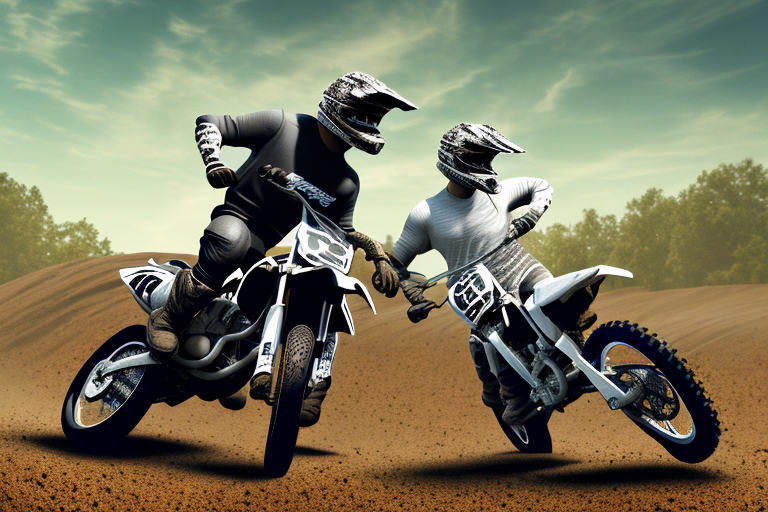
Preparing Your Dirt Bike for the Road
Before you even think about visiting the PA DMV dirt bike street legal services, your dirt bike needs to be equipped with specific features to meet state requirements. This isn’t just about bolting on a few parts; it’s about ensuring your motorcycle is safe and compliant for public roads.
Essential Equipment for Street Legality
To legally operate a dirt bike on public roads in Pennsylvania, your motorcycle must be equipped with the following:
- Headlight and Taillight: A functional headlight that can operate on high and low beams is crucial. The taillight must also include a brake light that illuminates when the brakes are applied. Many dirt bike owners opt for a headlight tail light dirt bike PA specific kit designed for this purpose.
- Turn Signals: Front and rear turn signals are mandatory. These must be visible and flash at an appropriate rate.
- Horn: A functioning horn is required for alerting other road users.
- Mirrors: At least one rear-view mirror is necessary. Most riders opt for two for better visibility.
- Tires: Tires must be DOT-approved, meaning they are manufactured to meet Department of Transportation standards for highway use. Knobby off-road tires are generally not legal for street use.
- Exhaust System: The exhaust must be equipped with a muffler to control noise levels and meet emissions standards. Aftermarket exhausts designed for off-road use are often too loud.
- License Plate Bracket and Light: A properly mounted license plate is essential, and it needs to be illuminated by a dedicated light so it’s visible at night.
- Speedometer: While not always explicitly stated in every regulation summary, a functional speedometer is often implied for safe operation and legal compliance, allowing you to adhere to speed limits.
The Dirt Bike Conversion Kit PA Advantage
For many, the most efficient way to equip their dirt bike for street use is by purchasing a dirt bike conversion kit PA. These kits typically include many of the required components, such as headlights, taillights, turn signals, mirrors, and sometimes even license plate brackets. Using a kit can save time and ensure compatibility of parts. When selecting a kit, ensure it explicitly states it’s designed for street legal conversions and meets Pennsylvania requirements.
Considering a Dirt Bike Dual Sport Conversion PA
If your dirt bike is already a capable off-road machine, you might be interested in a dirt bike dual sport conversion PA. This approach aims to create a motorcycle that can handle both on-road and off-road adventures. This often involves more than just adding street-legal components; it might also include suspension adjustments, different gearing, and more robust tires. While a full dual-sport conversion can be more involved, it offers the greatest versatility.
The Pennsylvania Paperwork Trail: Registration and Titling
Once your dirt bike is properly equipped, the next hurdle is the administrative side – getting it registered and titled. This is where you’ll interact with the PA DMV dirt bike street legal processes.
Obtaining a Title for Your Dirt Bike
Many dirt bikes, especially those purchased used or directly from off-road dealers, may not come with a traditional motorcycle title. If your dirt bike lacks a title, you’ll need to obtain one. This process can vary depending on how you acquired the bike.
- Manufacturer’s Certificate of Origin (MCO) or Statement of Origin (MSO): If your bike is new, the dealer should provide this document. It serves as proof of ownership and is the first step towards titling.
- Bill of Sale: A detailed bill of sale from the previous owner is crucial, especially if you don’t have the original title.
- Bonded Title: In cases where a title is lost or cannot be produced, Pennsylvania allows for the application of a bonded title. This involves posting a surety bond with the state, guaranteeing against any future claims to the vehicle. This is a more complex process and may require a specialized dealer or assistance.
PA Motorcycle Registration Process
With a title in hand, you can proceed with PA motorcycle registration. You will need to visit a PennDOT Driver License Center or a third-party tag service. Be prepared to present the following:
- Proof of Ownership: Your motorcycle title.
- Proof of Insurance: You must have valid motorcycle insurance for a street-legal vehicle.
- Completed Application Forms: Forms for title and registration will be available at the licensing center.
- Payment for Fees: Title fees, registration fees, and applicable taxes will be due.
The PA VIN Inspection Dirt Bike Requirement
A critical step in the process is passing a PA VIN inspection dirt bike. This inspection is not the same as a standard safety inspection for cars. The purpose of a VIN inspection for a dirt bike is to verify that the Vehicle Identification Number (VIN) on the bike matches the number on your ownership documents and that the motorcycle is not stolen.
- What to Expect: You will need to take your dirt bike to an authorized VIN inspection station. The inspector will check the VIN plate on your motorcycle and compare it with your title and registration application. They will also look for basic safety features that are standard on any motor vehicle, even if they are already part of your conversion.
- Finding an Inspection Station: You can find a list of authorized VIN inspection stations on the PennDOT website. Not all inspection stations are authorized for VIN inspections, so it’s important to find one that specifically handles these.
The Safety Inspection: The Final Hurdle
After you’ve converted your dirt bike and secured your title and VIN inspection, the final step before you can legally ride on public roads is the safety inspection. This is a comprehensive check to ensure your vehicle meets all state safety standards.
What the Safety Inspection Covers
A Pennsylvania safety inspection for motorcycles includes checks on various components to ensure roadworthiness. Your converted dirt bike will be assessed on:
- Brakes: Front and rear brakes must be in good working order, with adequate pad life.
- Lights: Headlight (high and low beam), taillight, brake light, and turn signals must function correctly and be properly aimed.
- Horn: The horn must be audible.
- Tires: DOT-approved tires must have adequate tread depth and be free from damage.
- Exhaust System: The muffler must be present and functioning to reduce noise.
- Mirrors: Mirrors must be securely mounted and provide a clear view of what’s behind the rider.
- Steering: The handlebars and steering assembly must be secure and operate smoothly.
- Frame and Suspension: The frame and suspension components should be in good condition and not compromised.
- Fluid Levels: Engine oil and brake fluid levels should be within the recommended range.
Getting Your Safety Inspection Sticker
Once your dirt bike passes the safety inspection, the inspector will affix a Pennsylvania safety inspection sticker to your motorcycle. This sticker indicates that your vehicle has met the state’s minimum safety requirements. You will need to present this sticker, along with your registration and proof of insurance, when asked by law enforcement.
Navigating Specific Pennsylvania Regulations
It’s important to be aware of the nuances of Pennsylvania dirt bike laws as they relate to street legality. While the general steps are outlined above, specific details can impact your conversion.
VIN Issues and Title Problems
Many riders encounter challenges when trying to title and register dirt bikes because they were originally sold as off-road vehicles and never received a formal title.
- “Off-Road Use Only” Label: If your bike has an “Off-Road Use Only” label, this can complicate the titling process. You’ll need to gather as much documentation as possible to prove it can be converted.
- Lost Titles: If you purchased a bike that came with a title, but you’ve lost it, you’ll need to apply for a duplicate through PennDOT.
- Homemade or Modified VINs: Any modification or alteration to the original VIN can lead to significant problems and may make it impossible to title the vehicle legally.
Emissions Testing
Currently, Pennsylvania does not require emissions testing for motorcycles. This simplifies the conversion process, as you won’t need to worry about meeting strict emissions standards beyond ensuring your exhaust has a functioning muffler.
Off-Road Motorcycle Street Legal PA Considerations
When considering an off-road motorcycle street legal PA conversion, remember that the frame and suspension of a typical dirt bike are designed for rough terrain. While you can make them street legal, they may not offer the same comfort or handling characteristics as a motorcycle designed from the factory for street use.
- Suspension: Dirt bike suspension is typically much stiffer and has more travel than street bike suspension. This can lead to a harsher ride on paved surfaces.
- Gearing: Dirt bike gearing is usually set up for low-end torque and acceleration off-road. For street use, you might consider changing the sprockets to achieve a more comfortable cruising speed and better fuel economy.
- Ergonomics: The riding position on a dirt bike is more aggressive and forward-leaning. For longer street rides, this can become uncomfortable.
Alternative Paths to Street Legality
If the conversion process seems too daunting, or if your dirt bike is particularly ill-suited for street conversion, consider these alternatives.
Purchasing a Pre-Converted Dual-Sport Motorcycle
Many manufacturers offer motorcycles that are designed from the ground up as dual-sport vehicles. These bikes come equipped with all the necessary street-legal components and are already titled and registered for road use. Examples include the Honda CRF300L, Kawasaki KLR650, and Suzuki DR-Z400S. This is often the simplest and most reliable way to get a street-legal off-road capable motorcycle.
Exploring Used Dual-Sport Market
The used market for dual-sport motorcycles is vast. You can often find well-maintained bikes that have already completed the conversion process. When buying used, always ensure the seller can provide a clear title and registration, and consider having a mechanic inspect the bike before purchase.
Common Pitfalls to Avoid
Even with careful planning, mistakes can happen. Be aware of these common pitfalls:
- Assuming parts are street legal: Not all aftermarket parts are DOT-approved or street legal. Always verify.
- Not obtaining a title: Trying to register a vehicle without a proper title is a common roadblock.
- Ignoring insurance requirements: Riding without insurance is illegal and can lead to severe penalties.
- Using off-road tires: Knobby tires are unsafe and illegal for highway speeds.
- Skipping VIN inspection: This is a mandatory step that cannot be bypassed.
- Not understanding local ordinances: While this guide focuses on state laws, some local municipalities may have additional restrictions on vehicle operation.
Frequently Asked Questions (FAQ)
Here are some common questions riders have about making their dirt bikes street legal in Pennsylvania.
Q1: How much does it cost to make a dirt bike street legal in PA?
The cost can vary significantly based on the parts you need to purchase and whether you do the work yourself or hire a mechanic. Expect to spend anywhere from a few hundred dollars for basic parts and installation to over a thousand dollars for a full conversion with higher-end components. Fees for title, registration, and VIN inspection also add to the total cost.
Q2: Can I use my dirt bike’s existing VIN?
Yes, you will use your dirt bike’s existing VIN for the titling and registration process. The VIN inspection is to verify this number.
Q3: What if my dirt bike didn’t come with a VIN?
If your dirt bike does not have a VIN, it is extremely difficult, if not impossible, to make it street legal in Pennsylvania. Motorcycles manufactured for off-road use are often not equipped with a VIN. You would need to research if it’s possible to have a VIN assigned through a special process, which is rare and complex.
Q4: Do I need a special license to ride a street-legal dirt bike in PA?
Yes, in Pennsylvania, you need a Class M driver’s license (motorcycle license) to legally operate any motorcycle on public roads, including a converted dirt bike.
Q5: Are there any exceptions to the street-legal requirements for dirt bikes in PA?
Pennsylvania does have provisions for “Limited Use Motorcycles,” which often include motorized bicycles or scooters with specific engine size and speed limitations. However, a typical dirt bike converted for street use falls under the standard motorcycle classification and must meet all the requirements outlined in this guide. Some areas might have specific trail access regulations, but for public road use, the conversion is necessary.
Q6: Can I ride my dirt bike on the street without making it street legal?
No, riding an unregistered and uninspected dirt bike on public streets in Pennsylvania is illegal. It can result in fines, impoundment of the vehicle, and other legal penalties.
Q7: Where can I find official information about Pennsylvania dirt bike laws?
The most reliable source for Pennsylvania dirt bike laws and regulations is the Pennsylvania Department of Transportation (PennDOT). Their website (dmv.pa.gov) provides detailed information on vehicle registration, titling, and inspections. You can also visit a local PennDOT Driver License Center for assistance.
By diligently following these steps and ensuring your dirt bike is properly equipped and documented, you can successfully navigate the process of making your off-road motorcycle street legal in PA and enjoy the freedom of the open road. Remember that safety and compliance are paramount when operating any vehicle on public roadways.