
Can you make a stationary bike seat more comfortable? Yes, absolutely! There are many ways to make your stationary bike seat more comfortable, from simple adjustments to upgrading your equipment. Feeling discomfort on your stationary bike is a common problem, but it doesn’t have to keep you from enjoying your workouts. This guide will walk you through everything you need to know to improve your cycling comfort.
Riding a stationary bike is a fantastic way to get a great cardiovascular workout, build strength, and burn calories, all from the convenience of your home. However, a common complaint that can derail even the most dedicated cyclist is saddle soreness. That hard, unforgiving bike seat can quickly turn a promising fitness routine into a painful ordeal. Fortunately, you don’t have to suffer in silence. There are numerous strategies and products available to help you find lasting bicycle saddle comfort and relieve saddle soreness.
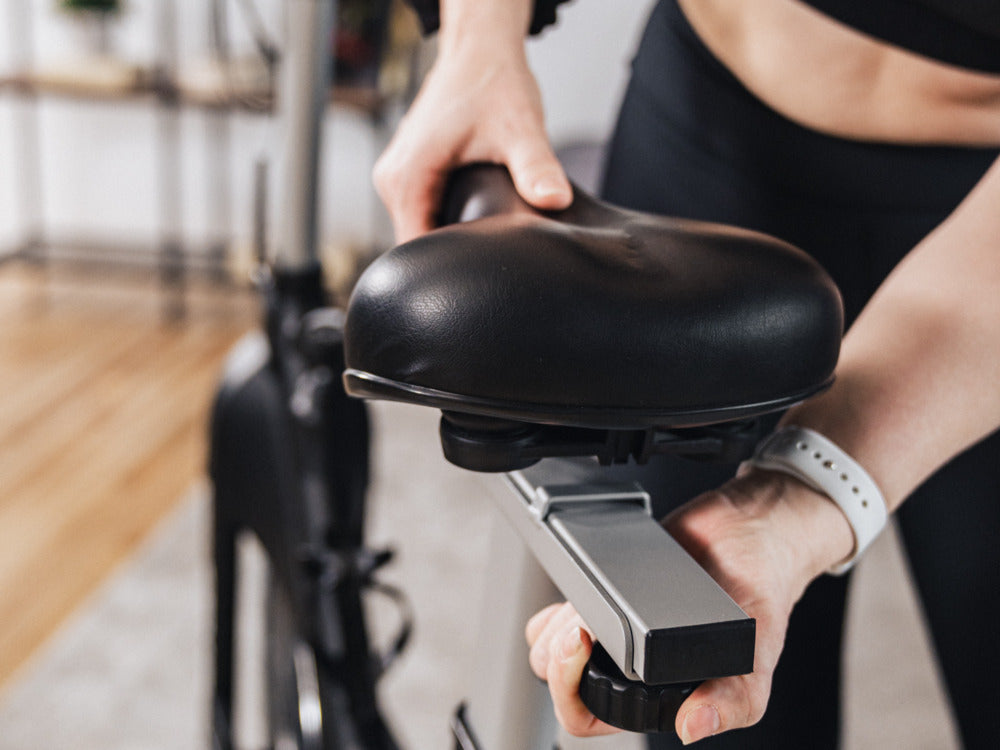
Image Source: movewithascend.com
Why Stationary Bike Seats Can Be Uncomfortable
Before diving into solutions, let’s explore why those stationary bike seats can be so uncomfortable in the first place.
- Design: Many stationary bikes, especially those found in gyms or basic home models, come with a standard, often narrow, and minimally padded seat. These are designed for general use and not necessarily for long-duration comfort.
- Pressure Points: The design of a saddle can create significant pressure on sensitive areas, leading to numbness, pain, and discomfort. This is often due to the shape and width of the seat not matching your anatomy.
- Lack of Support: Without adequate cushioning or proper support for your sit bones (ischial tuberosities), your weight is concentrated on soft tissues, which can cause significant soreness.
- Friction: Repeated friction between your skin and the seat can lead to chafing and irritation, especially during longer rides.
- Incorrect Bike Fit: Even with a good saddle, if the bike isn’t set up correctly for your body, you can experience discomfort.
Strategies to Make Your Stationary Bike Seat More Comfortable
Let’s get to the core of how you can transform your riding experience.
1. Invest in a High-Quality Stationary Bike Cushion or Padded Bike Seat
This is often the most immediate and effective solution. Adding a good stationary bike cushion can make a world of difference.
Types of Cushions and Seat Covers:
- Gel Bike Seat Pad: These are a very popular option. They offer a good balance of cushioning and support. The gel conforms to your shape, distributing pressure more evenly. Many come with straps to secure them to your existing seat.
- Foam Padded Seat Covers: Similar to gel, foam pads offer softer cushioning. The density of the foam can vary, so look for denser foam that won’t compress too much and lose its effectiveness quickly.
- Memory Foam Seat Covers: These are excellent for conforming to your body and providing personalized support. They offer excellent shock absorption.
What to Look For in a Cushion:
- Material: Gel or high-density foam are generally preferred for durability and comfort.
- Size and Shape: Ensure the cushion is appropriately sized for your existing seat and that its shape complements your riding style.
- Attachment Method: Look for secure straps that prevent the cushion from shifting during your workout.
- Ventilation: Some cushions have ventilation channels to help with airflow, reducing heat buildup.
2. Upgrade Your Stationary Bike Seat Entirely
If a cushion doesn’t provide enough relief or you prefer a more integrated solution, consider replacing the entire seat. This is where finding the best stationary bike seat for your needs comes in.
Key Features of a Comfortable Bike Saddle:
- Ergonomic Bike Saddle Design: Look for saddles designed with ergonomics in mind. These often feature:
- Cut-outs or Channels: These are designed to relieve pressure on the perineum, the area between your sit bones. This is crucial for preventing numbness and discomfort.
- Contoured Shape: Saddles that are shaped to support the natural curve of your pelvis can significantly improve comfort.
- Gel or Foam Padding: Integrated padding within the saddle itself offers a streamlined and effective solution.
- Width of the Saddle: This is paramount. A wide bike saddle is often better for comfort, especially for beginners or those who tend to sit more upright. The width should match the distance between your sit bones.
- How to Measure Your Sit Bone Width:
- Sit on a piece of soft material, like a piece of cardboard or a memory foam cushion.
- Press down firmly with your hands on either side of your hips to feel your sit bones.
- Use a ruler or measuring tape to measure the distance between the two indentations left by your sit bones. Add about 2-3 cm (about an inch) to this measurement for a general guideline for saddle width.
- How to Measure Your Sit Bone Width:
- Saddle Material:
- Leather: Can be very comfortable once broken in, but requires more maintenance.
- Synthetic Materials: Often lighter, more durable, and easier to clean.
- Carbon Fiber: Lightweight but can be firm; often found in high-performance saddles.
Considerations for Different Riding Styles:
- Upright Riding: If you ride with a more upright posture, you’ll generally need a wider, more generously padded saddle.
- Leaning Forward: If you lean further forward, a narrower saddle with a more sculpted shape might be more comfortable, as it allows for greater freedom of movement and reduces chafing.
3. Optimize Your Bike Seat Adjustment
Even the best saddle can be uncomfortable if it’s not adjusted correctly. Proper bike seat adjustment is key to improve cycling comfort.
Key Adjustments to Make:
- Seat Height:
- How to Adjust: When your foot is at the lowest point of the pedal stroke, your knee should have a slight bend (around 25-35 degrees). A saddle that’s too high or too low can cause discomfort and inefficient pedaling.
- Too High: Can lead to rocking of the hips, causing lower back pain and saddle soreness.
- Too Low: Can cause excessive pressure on the front of the saddle and lead to knee pain.
- Seat Tilt:
- How to Adjust: Most saddles can be tilted slightly up or down. Generally, a perfectly level saddle is a good starting point. If you experience pressure on your sensitive areas, a very slight downward tilt (a degree or two) might help. If you feel like you’re sliding forward, you might need to tilt it slightly up.
- Warning: Tilting the saddle too much down can put more pressure on your hands and wrists. Tilting it too much up can create pressure on your sit bones.
- Seat Fore/Aft Position:
- How to Adjust: When your pedals are parallel to the ground, and your front pedal is in the “3 o’clock” position, your lead knee should be roughly over the pedal spindle (the center of the pedal). You can adjust this by sliding the saddle forward or backward on its rails.
- Impact: This adjustment affects your reach to the handlebars and your pedaling efficiency.
Tips for Adjustment:
- Make Small Changes: Adjust one thing at a time and ride for a few minutes to see how it feels.
- Use a Level: A small bubble level can help you set the saddle tilt precisely.
- Listen to Your Body: Your body is the best judge. Pay attention to where you feel pressure and discomfort.
4. Wear the Right Cycling Apparel
Your clothing plays a significant role in your comfort.
Essential Cycling Apparel:
- Cycling Shorts with a Chamois: This is arguably the second most important investment after a good saddle. Cycling shorts have a padded insert, often called a “chamois” or “pad,” made of a dense foam or gel material.
- Benefits of a Chamois:
- Cushioning: Provides extra padding where you need it most.
- Moisture Wicking: Helps to keep you dry by pulling sweat away from your skin, reducing friction and irritation.
- Seamless Design: Reduces chafing points.
- Types of Chamois: Gel chamois offer more plush cushioning, while foam chamois offer better breathability and support for longer rides.
- Benefits of a Chamois:
- Cycling Bibs: For even greater comfort and a better fit, consider cycling bibs. They have shoulder straps that hold the shorts up, preventing the waistband from digging into your stomach and ensuring the chamois stays perfectly in place.
- Moisture-Wicking Underwear (Optional): If you don’t wear cycling shorts with a chamois, or if you feel you need extra protection, opt for seamless, moisture-wicking underwear. Avoid cotton, as it holds moisture and increases the risk of chafing.
5. Improve Your Riding Technique and Posture
How you sit and pedal can also impact comfort.
Posture and Technique Tips:
- Engage Your Core: A strong core helps you maintain a stable posture and reduces the reliance on your saddle for support.
- Vary Your Position: Even on a stationary bike, shifting your weight slightly forward or backward can help redistribute pressure.
- Pedal Smoothly: Avoid jerky movements. A smooth, circular pedaling motion is more efficient and comfortable.
- Stand Up Occasionally: If your bike allows, standing up on the pedals for short bursts can relieve pressure on the saddle and work different muscles.
6. Build Up Your Riding Time Gradually
Your body needs time to adapt to cycling.
Gradual Adaptation Strategies:
- Start Slow: Don’t try to do an hour-long workout on your first day. Begin with shorter sessions (15-20 minutes) and gradually increase the duration.
- Listen to Your Body: If you feel significant discomfort, stop or take a break. Pushing through extreme pain can lead to injury.
- Consistency is Key: Regular, shorter rides are more beneficial than infrequent, long, painful ones.
7. Consider the Stationary Bike Itself
Sometimes, the issue might be with the bike’s design or condition.
Bike-Specific Considerations:
- Saddle Type: Some bikes are equipped with more comfortable saddles than others. If you’re buying a new bike, test it out if possible, or read reviews that mention saddle comfort.
- Saddle Rail Material: While less common, the material of the saddle rails can affect vibration dampening. Steel rails are more flexible than aluminum or carbon fiber, which can absorb some road (or in this case, stationary) feedback.
- Worn-Out Components: If you’re using an older bike, the saddle might be worn out and no longer providing adequate support.
Putting It All Together: A Step-by-Step Approach
Here’s a practical way to tackle saddle discomfort:
- Assess Your Current Saddle: Is it very hard? Narrow? Does it feel like it’s digging into you?
- Try Basic Adjustments:
- Ensure your seat height is correct.
- Experiment with the seat tilt (start level, then try a very slight downward tilt if needed).
- Check your fore/aft position.
- Invest in Cycling Shorts: This is a relatively inexpensive first step that can make a huge difference.
- Add a Cushion: If adjustments and shorts aren’t enough, try a good quality gel bike seat pad or a foam cushion.
- Consider a New Saddle: If you’re still experiencing discomfort, research and purchase an ergonomic bike saddle that matches your anatomy and riding style. Look for wide bike saddle options if that seems appropriate.
- Be Patient: Allow your body to adapt and continue making minor adjustments as needed.
Frequently Asked Questions (FAQ)
Q1: How long does it take to get used to a stationary bike seat?
It typically takes anywhere from a few days to a few weeks of consistent riding for your body to adapt to a new saddle or to break in your cycling shorts. This period varies greatly depending on individual anatomy, the quality of the saddle/shorts, and the duration/intensity of your rides.
Q2: Can I ride a stationary bike without cycling shorts?
Yes, you can, but it’s not recommended if you plan on riding for any significant duration or frequency. Cycling shorts with a chamois are designed to relieve saddle soreness by providing cushioning and reducing friction. Riding without them, especially on a hard saddle, is likely to cause significant discomfort and chafing.
Q3: What is the difference between a gel and a foam bike seat pad?
Gel pads use a gel material for cushioning, which tends to be softer and conform more readily to the rider’s shape, offering excellent pressure relief. Foam pads use dense foam, which provides good support and shock absorption, and some types are very breathable. Both can be effective, but personal preference often dictates which is better.
Q4: My stationary bike seat feels too hard. What should I do?
If your seat feels too hard, the easiest solutions are to use a stationary bike cushion or to upgrade to a more padded or ergonomic bike saddle. Ensure your seat height is also correctly adjusted, as this can sometimes exacerbate the feeling of a hard seat.
Q5: How do I know if my saddle is the wrong width?
If your sit bones aren’t properly supported by the saddle, and you feel pressure on the soft tissues in between them, your saddle might be too narrow. Conversely, if the saddle feels too wide and you’re experiencing chafing on your inner thighs, it might be too wide. Measuring your sit bone width is the best way to determine the appropriate saddle width.
Q6: Can a saddle that’s too high cause saddle soreness?
Yes, a saddle that is too high can definitely cause saddle soreness. When the saddle is too high, your hips tend to rock side-to-side with each pedal stroke. This rocking motion creates friction and pressure on your saddle, leading to discomfort and chafing.
By implementing these strategies, you can significantly improve cycling comfort and make your stationary bike workouts a much more enjoyable experience. Don’t let saddle soreness be a barrier to your fitness goals!