
Can you paint a motorcycle engine yourself? Absolutely! Painting a motorcycle engine yourself is a rewarding DIY project that can dramatically improve your bike’s appearance. With the right preparation and materials, you can achieve a professional-looking finish that’s both durable and stylish. This guide will walk you through the entire process, from choosing the right paint to applying it for a lasting result.
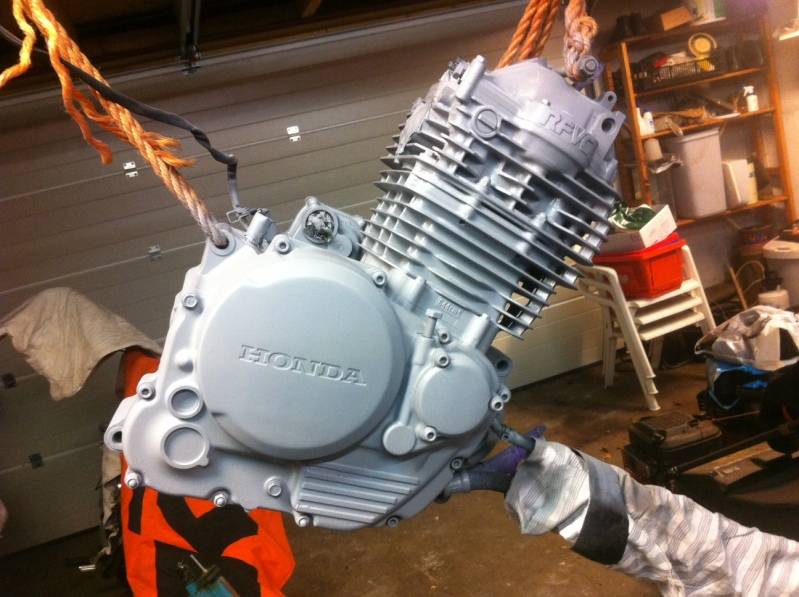
Image Source: cdn.webshopapp.com
Why Paint Your Motorcycle Engine?
Giving your motorcycle engine a fresh coat of paint can do more than just make it look good. It’s a way to enhance your bike’s overall aesthetic and showcase your personal style. A well-painted engine can significantly boost your motorcycle’s curb appeal, making it stand out. Beyond looks, painting can also offer a layer of protection against corrosion and minor wear and tear. This is especially true if your engine has any cosmetic damage or is showing its age. The process itself can be a satisfying weekend project, connecting you more deeply with your machine.
Enhancing Aesthetics
The engine is often the centerpiece of a motorcycle’s design. A dull, greasy, or faded engine can detract from an otherwise beautiful bike. Painting the engine case, cylinder head, and other parts can transform its appearance, making it look new and vibrant. This is a key aspect of motorcycle engine painting. Whether you’re going for a classic black, a metallic silver, or a bold custom color, the impact is immediate.
Protection and Durability
Beyond aesthetics, the right paint can offer a protective barrier. High-temperature engine paint is designed to withstand the intense heat generated by the engine. This prevents the paint from blistering, peeling, or fading. It can also help protect metal components from rust and corrosion, especially if the bike is exposed to moisture or salt.
Personalization and Customization
Your motorcycle is an extension of your personality. Painting your engine parts allows you to further customize your ride. You can match the engine color to your bike’s frame, fairings, or seat. This level of detail can make your motorcycle truly unique.
Preparing Bike Engine for Paint: The Foundation of Success
The most crucial step in painting motorcycle parts is thorough preparation. Skipping this stage is a recipe for a paint job that won’t last. Proper preparation ensures that the new paint adheres well to the surface, giving you a smooth, professional, and durable finish.
Disassembly and Cleaning
Before you can even think about applying paint, you need to get the engine as clean as possible. This involves more than just a quick wipe-down.
Steps for Cleaning:
- Engine Removal (Optional but Recommended): For the best results, consider removing the engine from the frame. This provides complete access to all surfaces. If you’re not comfortable with this, you’ll need to do extensive masking.
- Degreasing: Use a high-quality engine degreaser. Apply it liberally to all engine surfaces, especially the engine block and surrounding areas. Let it sit for the recommended time.
- Scrubbing: Use stiff brushes (nylon or brass bristles are good for most surfaces, but be cautious on delicate areas) to scrub away grime, oil, and old gasket material. Pay attention to nooks and crannies.
- Rinsing: Rinse the engine thoroughly with water. A pressure washer can be helpful, but use a low setting to avoid forcing water into unwanted areas.
- Drying: Dry the engine completely. Use compressed air to blow out any water trapped in crevices. Let it air dry for at least 24 hours in a warm, dry environment.
Surface Preparation: Beyond Just Cleaning
Once the engine is clean and dry, the next step is preparing the surface for optimal paint adhesion. This involves removing old paint, smoothing imperfections, and creating a profile for the paint to grip.
- Stripping Old Paint: If the engine has old, flaking, or poorly applied paint, it needs to be removed.
- Chemical Strippers: These can be effective but require caution and proper ventilation. Follow the product instructions carefully.
- Sanding: Start with a coarser grit sandpaper (e.g., 80-120 grit) to remove loose paint and rough up the surface. Gradually move to finer grits (e.g., 220-320 grit) to create a smooth finish.
- Removing Corrosion: Any rust or oxidation must be addressed.
- Wire Brushes: A wire brush (brass or stainless steel) on a drill or Dremel can remove surface rust.
- Rust Converters/Removers: For more stubborn rust, chemical rust removers or converters can be used.
- Sanding for Adhesion: Even if the original paint is in good condition, lightly scuffing the surface with 320-400 grit sandpaper is essential. This creates microscopic scratches that the new paint can adhere to.
- Masking: This is a critical step if you are not removing the engine. Use high-quality automotive masking tape and paper. Cover everything you do not want to paint:
- Electrical components (spark plug wires, ignition coils, sensors)
- Carburetor or fuel injection components
- Seals and gaskets
- Bearings and moving parts
- Any polished or chrome parts you want to keep original
Choosing the Right Paint: High-Temperature Engine Paint
Not all paints are created equal, especially when it comes to engine components. You need paint that can withstand extreme temperatures, oil, and vibration. This is where high-temperature engine paint comes in.
Types of Engine Paints:
- Aerosol Cans: Convenient for DIYers, available in a wide range of colors and finishes. Look for “engine enamel” or “high-heat” formulations.
- Brush-On/Sprayable Paints: These often offer a more durable finish but require a spray gun or brush and might need a reducer. They are frequently used in professional engine case painting.
- Ceramic Coatings: These are the most durable and heat-resistant option, often applied by professionals. They offer excellent protection and a very smooth finish. This is also a consideration if you are exploring powder coating motorcycle engine components.
Key Paint Properties to Look For:
- Heat Resistance: Most engine paints are rated for specific temperature ranges (e.g., up to 500°F or 1200°F). Choose a paint that exceeds the expected operating temperature of your engine.
- Durability: It should be resistant to oil, fuel, chemicals, and abrasion.
- Color and Finish: Available in classic black, silver, grey, aluminum, and custom colors. Finishes can be matte, satin, gloss, or metallic.
- Ease of Application: Aerosol cans are generally the easiest for beginners.
Priming for Perfection
A primer is often necessary to ensure maximum adhesion and a uniform finish, especially over bare metal or dissimilar materials.
- High-Temp Primer: Use a primer specifically designed for high-temperature applications. This will bond with the metal and provide a good base for your topcoat.
- Application: Apply thin, even coats. Allow proper drying time between coats as per the manufacturer’s instructions.
- Sanding Primer: After priming, lightly sand with fine-grit sandpaper (400-600 grit) to smooth out any imperfections and create an even surface.
Painting the Engine: Step-by-Step
With the engine prepped and the right paint chosen, you’re ready to start painting. Patience and careful application are key to a professional result.
Application Techniques
The method you use will depend on the type of paint and your equipment.
Using Aerosol Cans:
- Shake the Can: Shake the aerosol can vigorously for at least two minutes before and during use.
- Test Spray: Spray a small, inconspicuous area to test the spray pattern and ensure the paint flows evenly.
- Apply Thin Coats: Hold the can about 8-12 inches away from the surface. Apply light, even coats. Over-application can lead to runs and drips.
- Overlap Strokes: Overlap each spray stroke by about 50% to ensure complete coverage.
- Crosshatching: Apply one coat in one direction (e.g., horizontal) and the next coat at a right angle (e.g., vertical) for the best coverage.
- Drying Between Coats: Allow the recommended drying time between coats. This is crucial for preventing lifting or blistering. Refer to the paint manufacturer’s instructions.
Using a Spray Gun:
- Mixing: Mix the paint and reducer according to the manufacturer’s specifications.
- Spray Gun Setup: Set your spray gun with the appropriate nozzle size and air pressure for the paint you are using.
- Application: Apply thin, even coats with consistent motion, overlapping each pass. Maintain a consistent distance from the surface.
- Technique: Practice on a scrap piece of metal to get the feel for the spray gun before moving to the engine.
Painting Specific Components
Motorcycle engine painting often involves different parts, each with its own considerations.
Engine Case Painting
The engine case is a major component. Ensure you’ve cleaned and prepped it meticulously. Multiple thin coats are better than one thick coat. This is where engine case painting is particularly important for both looks and protection.
Cylinder Head Painting
The cylinder head is often exposed and visible. It also experiences significant heat. Ensure your paint is rated for these high temperatures. If you’re painting just the fins for a particular look, careful masking of spark plug threads and valve covers is essential. Cylinder head painting can really make the engine pop.
Painting Exhaust Manifold
The exhaust manifold gets extremely hot. You must use specialized high-temperature exhaust paint for this. Standard engine paint will likely fail. When painting exhaust manifold components, ensure they are completely free of carbon buildup and rust.
Engine Block Painting
The engine block is the core of the engine. Proper preparation is paramount. If the block has any casting marks or imperfections, sanding and priming can help create a smooth surface. This is often a primary focus in bike engine restoration painting.
Curing the Paint
High-temperature engine paints often require a “cure cycle” to reach their maximum hardness and durability.
- Air Cure: Some paints cure simply by air drying over time.
- Heat Cure: Many high-temp paints require heat to fully cure. This can be achieved in a few ways:
- Baking: If the parts are removed, they can be baked in a specialized oven.
- Engine Heat: For engines painted in the frame, the recommended method is to run the engine at idle for a short period (e.g., 10-15 minutes), let it cool, and repeat this cycle several times over a few days. Consult the paint manufacturer’s instructions for their specific curing procedure. This is vital for ensuring the longevity of your painting motorcycle parts project.
Advanced Techniques and Alternatives
While aerosol cans are common for DIYers, there are other methods and considerations for achieving a premium finish.
Powder Coating Motorcycle Engine Components
Powder coating motorcycle engine parts is a professional method that offers exceptional durability and a flawless finish.
- Process: Parts are coated with a dry powder and then heated in an oven. The heat causes the powder to melt, flow, and form a hard, durable coating.
- Benefits: Extremely resistant to chipping, scratching, and fading. Wide range of colors and textures available.
- Considerations: Requires professional application and specialized equipment. Not all engine components are suitable for powder coating due to heat tolerance or the need for precise tolerances after coating.
Ceramic Coatings
Ceramic coatings offer superior heat resistance and a very smooth, slick surface that can aid in heat dissipation. They are often used on exhaust systems and engine components.
Painting Motorcycle Parts: Restoration Projects
For bike engine restoration painting, authenticity and durability are key. Often, a specific type of finish or color is desired to match the original factory look. Researching the original specifications of your motorcycle is important for restoration projects.
Troubleshooting Common Painting Issues
Even with careful preparation, you might encounter minor issues.
Runs and Drips
- Cause: Applying paint too thickly, holding the can too close, or moving too slowly.
- Fix: If the paint is still wet, you can often lightly feather the edge with a brush or cloth. For dried runs, you’ll need to let it dry completely, sand it smooth, and reapply in thin coats.
Orange Peel
- Cause: Paint drying too quickly, wrong paint viscosity, or spraying too far away.
- Fix: Lightly sand the area once dry with fine-grit sandpaper (e.g., 800-1000 grit) and apply another light coat. For severe orange peel, you might need to wet sand and reapply.
Poor Adhesion/Peeling
- Cause: Insufficient surface preparation, contamination (oil, grease, silicone), or applying paint over incompatible finishes.
- Fix: This usually requires stripping the paint completely and starting over with proper preparation.
Maintenance of Your Painted Engine
To keep your painted engine looking its best, regular maintenance is important.
- Cleaning: Use mild degreasers and soft cloths. Avoid abrasive cleaners or harsh chemicals.
- Inspection: Periodically inspect for any chips or damage. Touch up small areas as needed.
- Heat Cycles: Continue to respect the heat-curing process if specified by the paint manufacturer.
Frequently Asked Questions (FAQ)
What kind of paint should I use for a motorcycle engine?
You should use high-temperature engine paint. This type of paint is formulated to withstand the extreme heat generated by motorcycle engines, as well as exposure to oil and fuel. Look for products specifically labeled as “engine enamel,” “high-heat,” or “ceramic engine paint.”
Can I paint my motorcycle engine while it’s still on the bike?
Yes, you can paint your motorcycle engine while it’s on the bike, but it requires extensive masking of all components you don’t want painted. For the best and most thorough job, removing the engine is recommended.
How long does high-temperature engine paint take to dry?
Drying times vary depending on the specific product and environmental conditions (temperature, humidity). Most aerosol engine paints will be dry to the touch in a few hours, but full curing, which involves hardening and reaching maximum durability, can take several days or even require specific heat cycles (running the engine). Always refer to the manufacturer’s instructions for drying and curing times.
Do I need to use a primer?
Using a high-temperature primer is highly recommended, especially when painting bare metal or if you’re trying to achieve a very smooth and uniform finish. Primer helps with paint adhesion and can fill minor imperfections.
What is the best way to clean a motorcycle engine before painting?
Thorough cleaning is essential. Start with a good quality engine degreaser, followed by scrubbing with brushes to remove all grime, oil, and old gasket material. Rinse thoroughly and ensure the engine is completely dry before proceeding. Compressed air can help remove moisture from hard-to-reach areas.
Is powder coating better than painting for a motorcycle engine?
Powder coating offers a more durable and chip-resistant finish compared to traditional paint. However, it requires professional application and specialized equipment. Traditional high-temperature engine paint is a more accessible DIY option that can still yield excellent results if applied correctly.
What grit sandpaper should I use for prepping the engine?
For stripping old paint, start with 80-120 grit sandpaper. For smoothing surfaces after stripping or for creating adhesion on existing paint, use 220-320 grit. For final sanding before priming or between primer coats, 400-600 grit is suitable.
By following these detailed steps and tips, you can successfully paint your motorcycle engine and give your bike a stunning new look. Remember, patience and thorough preparation are the keys to a professional and long-lasting finish.