
Thinking about starting a bike rental business? Yes, you absolutely can! Many people successfully launch and expand their own cycling rental companies. This guide will walk you through everything you need to know, from the initial idea to making your business flourish.
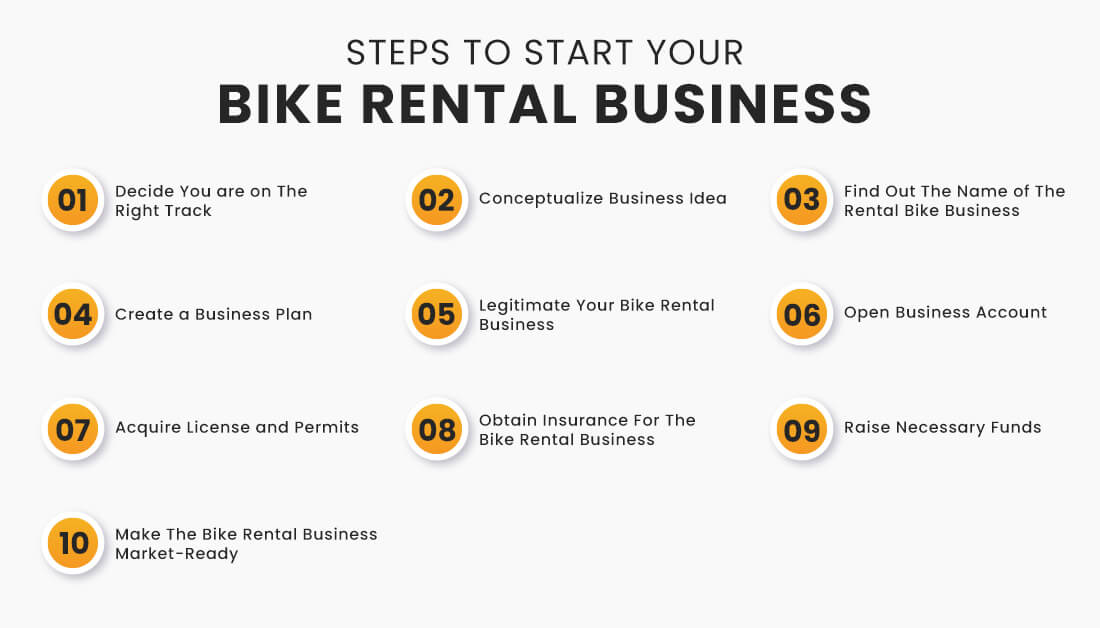
Image Source: www.topdevelopers.co
Laying the Foundation: Your Bike Rental Startup Blueprint
Starting a bike rental business requires careful planning. A solid bicycle rental business plan is your roadmap to success. It helps you think through every aspect, from finances to marketing.
What do you need to start a bike rental business?
To start a bike rental business, you’ll need a fleet of bicycles, a location (even a home base can work initially), insurance, a rental agreement, and a system for managing bookings and payments. You also need to consider the bicycle rental legal requirements in your area.
Developing Your Bicycle Rental Business Plan
Your business plan is crucial. It should cover these key areas:
Executive Summary
This is a brief overview of your entire plan. It should highlight your business concept, target market, competitive advantage, and financial projections. Think of it as your business’s elevator pitch.
Company Description
Describe your business, its mission, and your vision for the future. What makes your bike rental startup unique?
Market Analysis
- Target Audience: Who are you renting bikes to? Tourists, locals, families, businesses? Understanding your customers helps you tailor your offerings.
- Competition: Who else is renting bikes in your area? What are their strengths and weaknesses? How will you stand out?
- Market Size and Trends: Is there demand for bike rentals in your chosen location? Are there any growing trends, like the popularity of electric bike rental business options?
Services and Products
- Types of Bikes: Will you offer road bikes, mountain bikes, hybrid bikes, cruisers, tandems, or kids’ bikes? Consider a niche bike rental focus if it suits your market.
- Accessories: Helmets, locks, baskets, child seats, repair kits, GPS devices, and even guided tours.
- Pricing Strategy: How will you price your rentals? Hourly, daily, weekly, or package deals?
Management Team
Who will run the business? Highlight any relevant experience in cycling, business management, or customer service.
Marketing and Sales Strategy
How will you reach your customers? This includes online marketing, local partnerships, and promotional activities. More on this later.
Financial Projections
- Startup Costs: Bikes, equipment, insurance, permits, website, marketing.
- Operating Expenses: Maintenance, rent (if applicable), salaries, marketing, utilities.
- Revenue Forecasts: Based on your pricing and anticipated rental volume.
- Funding Request: If you’re seeking investment.
Crafting Your Bike Rental Operations
Efficient bicycle rental operations are key to customer satisfaction and profitability.
Choosing Your Location
- Visibility and Accessibility: A prime location near tourist spots, parks, trails, or city centers is ideal.
- Storage and Maintenance: You’ll need a space to store bikes safely and a workshop for repairs.
- Customer Service Area: A welcoming space for customers to browse, get fitted, and ask questions.
- Consider a Physical Shop: Setting up a bike rental shop provides a tangible presence, but you can also start with a mobile or online-only model and grow into a physical space.
Fleet Management and Maintenance
- Bike Selection: Invest in durable, reliable bikes suitable for your target market. Consider a mix of types.
- Maintenance Schedule: Regular checks, cleaning, and timely repairs are essential to prevent downtime and ensure safety. A well-maintained fleet is a sign of a professional business.
- Inventory Management: Keep track of your fleet, including serial numbers, purchase dates, and maintenance history.
Technology and Booking Systems
- Online Booking Platform: A user-friendly website with an integrated booking system makes it easy for customers to reserve bikes.
- Payment Processing: Secure online and in-person payment options.
- Inventory Tracking Software: Helps manage your fleet and availability.
The Rental Process
- Customer Sign-up: A streamlined process for new customers.
- Rental Agreement: A legally binding contract outlining terms and conditions. This is where bicycle rental legal requirements come into play, ensuring you cover liability.
- Bike Inspection: Before and after each rental, inspect the bike for damage and ensure everything is in working order.
- Customer Briefing: Provide essential information on local routes, safety tips, and how to use the bike.
Legalities and Insurance: Protecting Your Business
Navigating bicycle rental legal requirements is paramount to avoid issues.
Business Registration and Permits
- Business Structure: Decide on your legal structure (sole proprietorship, LLC, etc.).
- Local Permits and Licenses: Check with your city and state for any required business licenses or permits.
Insurance Coverage
This is non-negotiable. You’ll need:
- General Liability Insurance: Protects against accidents and injuries to third parties.
- Commercial Auto Insurance: If you use vehicles for transport.
- Property Insurance: Covers your bikes and equipment.
- Worker’s Compensation: If you have employees.
Rental Agreements
- Waiver of Liability: A crucial document where customers acknowledge risks and release you from liability for certain incidents.
- Damage Policy: Clearly state who is responsible for damage to the rental bikes.
- Cancellation Policy: Define terms for cancellations and refunds.
Marketing Your Bike Rental Service: Reaching Your Customers
Effective marketing a bike rental service is how you attract and retain customers.
Building Your Online Presence
- Website: A professional, mobile-friendly website is your digital storefront. Include your fleet, pricing, booking system, and contact information.
- Search Engine Optimization (SEO): Optimize your website to rank higher in search results for terms like “bike rental near me” or “bicycle rental [your city].”
- Social Media Marketing: Engage with your audience on platforms like Instagram, Facebook, and TikTok. Share high-quality photos and videos of your bikes and local attractions.
- Online Travel Agencies (OTAs) and Local Directories: List your business on platforms like TripAdvisor, Yelp, and local tourism websites.
Local Partnerships
- Hotels and Accommodation Providers: Offer package deals or discounts for guests.
- Tourist Information Centers: Provide brochures and information.
- Local Businesses: Collaborate with cafes, restaurants, or shops for cross-promotion.
- Event Organizers: Partner for cycling events or group tours.
Unique Selling Propositions (USPs)
- Niche Focus: If you specialize in a niche bike rental (e.g., vintage bikes, electric cargo bikes), highlight this.
- Customer Service: Exceptional service can be your biggest differentiator.
- Convenience: Offering delivery and pick-up services can be a major draw.
- Bundled Packages: Combine bike rentals with local attractions or guided tours.
Promoting the Electric Bike Rental Business
The electric bike rental business is booming. Highlight the benefits:
- Accessibility: E-bikes make cycling accessible to a wider range of people, regardless of fitness level.
- Exploration: They allow riders to cover more ground and explore further.
- Fun Factor: E-bikes are often seen as a fun and effortless way to get around.
Growing Your Bike Rental Business
Once established, focus on sustainable growth.
Expanding Your Fleet
- Diversify Your Offerings: Add new types of bikes based on customer demand, like cargo bikes for families or performance bikes for enthusiasts.
- Consider E-bikes: If you haven’t already, a strong electric bike rental business component can significantly boost revenue.
- Seasonal Fleet: Adjust your fleet based on seasonal demand.
Exploring New Revenue Streams
- Guided Tours: Offer curated cycling tours of your area.
- Bike Servicing and Repair: If you have the expertise and space, offer repair services to the public.
- Bike Sales: Sell new or used bikes from your inventory.
- Corporate Rentals/Team Building: Offer packages for businesses.
- Event Rentals: Provide bikes for festivals, weddings, or corporate events.
Enhancing Customer Experience
- Loyalty Programs: Reward repeat customers with discounts or special offers.
- Gather Feedback: Actively seek customer reviews and use them to improve your services.
- Personalized Recommendations: Offer route suggestions or local tips based on customer interests.
Optimizing Operations
- Streamline Processes: Continuously look for ways to improve efficiency in booking, check-in, and maintenance.
- Data Analysis: Use booking data to understand peak times, popular bike types, and customer demographics to inform decisions.
The Bike Share Business Model: An Alternative Approach
A bike share business model is different from traditional rentals. Instead of hourly or daily rentals from a fixed location, bike share often involves:
- Dockless or Docked Systems: Bikes are available at various points throughout a city.
- App-Based Access: Users typically locate and unlock bikes via a mobile app.
- Short-Term Rentals: Often priced per minute or for short trips, encouraging commuting and spontaneous rides.
While a bike share business requires significant upfront investment in technology and a large fleet, it can offer a different kind of scalability.
Case Study Snippet: A Niche Approach
Imagine a niche bike rental business focusing on vintage city bikes in a historic district.
| Feature | Description |
|---|---|
| Target Market | Tourists seeking a unique, nostalgic experience. |
| Fleet | Beautifully restored vintage city bikes with comfortable seats. |
| Marketing | Collaborations with boutique hotels, local history tours. |
| Pricing | Premium pricing for a specialized experience. |
| Operations | Focused on charm, customer storytelling, and local expertise. |
This approach leverages a specific appeal, attracting a dedicated customer base willing to pay for a differentiated experience.
Frequently Asked Questions (FAQ)
Q1: How much money do I need to start a bike rental business?
A1: Startup costs can vary widely. A small operation with a few bikes might start with $5,000 – $15,000. A larger fleet or a physical shop will require significantly more, potentially $50,000 – $100,000 or more, especially if including electric bikes and infrastructure.
Q2: What are the most important factors for success in this business?
A2: Key factors include a prime location, a well-maintained and diverse fleet, excellent customer service, effective marketing, and robust bicycle rental operations. Strong bicycle rental legal requirements adherence through proper insurance and contracts is also critical.
Q3: Can I start a bike rental business from home?
A3: Yes, you can start a bike rental startup from home, especially if you plan a delivery/pickup model or focus on a specific neighborhood. However, as you grow, a dedicated space for storage and maintenance becomes highly beneficial.
Q4: What is the profit margin for a bike rental business?
A4: Profit margins can be good, but it depends on many factors like utilization rates, pricing, operational efficiency, and overhead. Many aim for margins between 15-30%, but this can be higher or lower.
Q5: How do I choose the right bikes for my rental business?
A5: Consider your target market and terrain. Hybrid bikes are versatile, mountain bikes suit rougher trails, and cruisers are great for relaxed rides. For the electric bike rental business, ensure you offer reliable models with good battery life. Durability and ease of maintenance are also crucial.
Q6: What marketing strategies are most effective for a bike rental service?
A6: A strong online presence (website, social media, SEO) is vital. Local partnerships with hotels and tourism operators, along with excellent customer reviews, can drive significant business. Offering unique experiences, like niche bike rental options or tours, can also be a powerful marketing tool.
By following this comprehensive guide, you’ll be well on your way to launching and growing a successful bike rental business. Happy riding!