
Can I store my e-bike battery for an extended period? Yes, absolutely! Proper storage is key to maintaining the health and longevity of your electric bike battery, ensuring it performs at its best for years to come. This guide delves deep into the best practices for e-bike battery storage tips, focusing on how to keep your valuable power source in optimal condition, whether for a few weeks or many months. We’ll cover everything from ideal temperature ranges to charging strategies, ensuring your electric bike battery care is second to none.
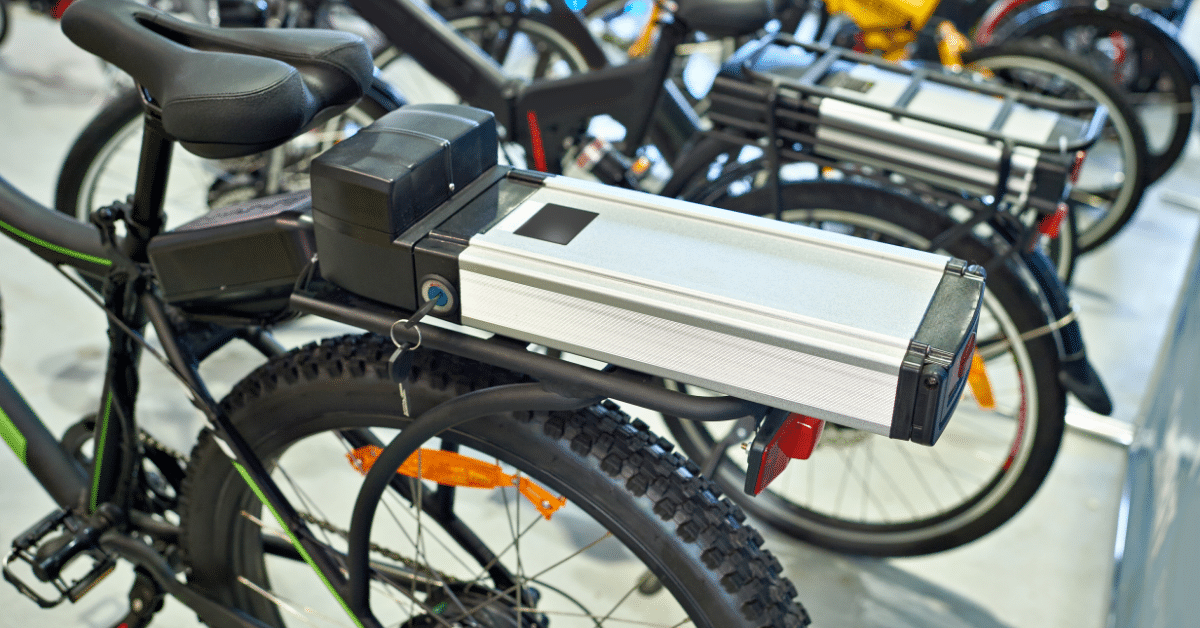
Image Source: nbda.com
The Cruciality of Proper E-bike Battery Storage
Your e-bike battery is the heart of your electric bicycle, providing the power that makes cycling effortless and enjoyable. Like any sophisticated piece of technology, it requires specific care to prevent degradation and premature failure. Long-term e-bike battery storage isn’t just about putting it on a shelf; it involves a nuanced approach that considers environmental factors, charge levels, and physical handling. Neglecting these aspects can lead to a significantly reduced lifespan, diminished performance, and potentially unsafe operating conditions.
Why Temperature Matters So Much
Temperature is arguably the most critical factor in battery health. Both extreme heat and cold can wreak havoc on the delicate chemistry within your lithium-ion battery.
Storing E-bike Battery Heat: The Silent Killer
High temperatures accelerate the natural chemical reactions within a lithium-ion battery. This can lead to:
- Increased self-discharge: The battery loses its charge faster.
- Capacity fade: The battery’s ability to hold a charge decreases permanently.
- Internal damage: Components can degrade, impacting performance and safety.
- Shortened lifespan: Overall, the battery will not last as long.
What to avoid:
* Leaving your e-bike or battery in direct sunlight, especially inside a hot car or shed.
* Storing batteries near heat sources like radiators or ovens.
* Charging a battery that has been sitting in extreme heat. Allow it to cool down first.
Storing E-bike Battery Cold: A Double-Edged Sword
Cold temperatures are generally better than heat for long-term storage, as they slow down chemical reactions. However, there are still caveats:
- Reduced immediate performance: Cold can temporarily decrease the battery’s power output.
- Potential for condensation: If a cold battery is brought into a warm, humid environment, condensation can form, leading to corrosion.
- Risk of damage below freezing: While some batteries can tolerate sub-zero temperatures for short periods, prolonged exposure below freezing can cause irreversible damage, especially if the battery is charged while frozen.
What to avoid:
* Charging a battery that has been exposed to freezing temperatures until it has warmed up to room temperature.
* Storing batteries in uninsulated sheds or garages in very cold climates without protection.
Ideal Storage Temperature Range
The sweet spot for lithium-ion e-bike battery storage is typically between 10°C and 25°C (50°F and 77°F). This range slows down degradation while minimizing the risk of damage from extreme temperatures.
E-bike Battery Charging Storage: The Magic Percentage
The state of charge (SoC) of your battery when you store it is just as vital as the storage environment. Storing a lithium-ion battery at 100% or 0% charge for extended periods is detrimental.
Why a Partial Charge is Best
- 100% Charge: Storing a full battery stresses the lithium ions, accelerating capacity loss and degradation.
- 0% Charge (Completely Depleted): If a battery is left completely discharged for too long, its voltage can drop below a safe threshold, triggering its Battery Management System (BMS) to prevent it from being recharged, rendering it unusable. This is known as a “deep discharge.”
The Recommended Storage Charge Level
The general consensus for e-bike battery charging storage for long periods is to keep the battery at around 40% to 60% State of Charge (SoC). This level provides a balance, minimizing stress on the battery while preventing deep discharge.
How to Achieve the Ideal Charge Level
- Charge to approximately 50%: If you’re planning to store the battery for a long time, charge it until the indicator shows it’s about half full.
- Periodically check and top up: For very long storage periods (several months or more), it’s a good practice to check the charge level every 2-3 months and top it up to the 40-60% range if it has self-discharged significantly.
E-bike Battery Maintenance Storage: Ongoing Care
Proper storage involves more than just putting the battery away. Regular e-bike battery maintenance storage ensures its continued health.
Checking for Damage
Before storing your battery, always perform a visual inspection:
- Casing: Look for cracks, dents, or signs of swelling.
- Connectors: Ensure the charging and bike connectors are clean and undamaged.
- Seals: Check that any rubber seals are intact to protect against moisture.
If you notice any damage, do not use or charge the battery. Consult your e-bike manufacturer or a qualified technician.
Keeping Connectors Clean
Oxidation and dirt on the battery terminals can impede charging and power delivery.
- How to clean: Use a soft, dry cloth to gently wipe the connectors. For stubborn dirt, a cotton swab lightly dampened with isopropyl alcohol can be used, followed by a thorough drying. Ensure the connectors are completely dry before reconnecting or charging.
Software and Firmware Updates
Some modern e-bike batteries have firmware that can be updated. While not directly related to physical storage, ensuring your battery’s software is up-to-date can sometimes improve its efficiency and management, which indirectly benefits its overall lifespan. Check with your e-bike manufacturer for any available updates.
E-bike Battery Storage Location: Where to Keep It Safe
The e-bike battery storage location is paramount to protecting it from environmental hazards.
Key Characteristics of a Good Storage Location
- Dry: Moisture is a battery’s enemy, leading to corrosion and short circuits.
- Cool: As discussed, moderate temperatures are best.
- Stable Environment: Avoid locations with drastic temperature fluctuations.
- Away from Flammable Materials: Batteries can pose a fire risk if damaged or malfunctioning.
- Secure and Stable Surface: The battery should be placed on a flat, stable surface where it won’t be knocked over or fall.
What to Avoid in a Storage Location
- Damp Basements or Garages: These areas often have high humidity.
- Direct Sunlight: Whether indoors or outdoors, direct sun exposure is a major no-no.
- Uninsulated Sheds or Outbuildings: These can experience extreme temperature swings.
- Near Heat Sources: Ovens, radiators, fireplaces.
- In the Trunk of a Car: Cars can become ovens in summer and iceboxes in winter.
The Best Way to Store E-bike Battery Physically
When not attached to the e-bike, store the battery in its original packaging or a sturdy, padded container. This protects it from physical shocks and accidental drops.
Long-Term E-bike Battery Storage Strategies
When you anticipate not using your e-bike for an extended period (e.g., during winter months or before a long trip), follow these detailed steps:
Step-by-Step Guide to Long-Term Storage
- Remove the Battery: Disconnect the battery from the e-bike. This prevents any parasitic drain from the bike’s electronics.
- Inspect the Battery: Visually check for any physical damage to the casing, connectors, or seals.
- Check and Adjust Charge Level: Use the battery’s indicator (if available) or a compatible charger’s display to determine the current charge. If it’s significantly above 60% or below 40%, adjust it to be within the 40-60% range.
- Clean the Connectors: Ensure all contact points are clean and free from debris.
- Find a Suitable Storage Location: Choose a cool, dry, and stable environment, away from direct sunlight and heat sources.
- Store Safely: Place the battery in its protective case or original packaging on a stable surface.
- Schedule Periodic Checks: For storage exceeding three months, plan to check the battery’s charge level every 2-3 months. If it has dropped significantly (e.g., below 30%), recharge it back up to the 40-60% range before returning it to storage.
Storing E-bike Battery for Seasonal Use
If you’re storing your e-bike for a season, like over winter, the process is similar to general long-term storage but with a bit more foresight for when you’ll use it again.
Pre-Storage Checks for Seasonal Storage
- Clean the Bike: A clean bike is easier to maintain. Clean the frame, drivetrain, and especially the battery contacts.
- Lubricate Moving Parts: Protect chains and gears from rust.
- Inflate Tires: Ensure tires are properly inflated to prevent flat spots.
- Battery Charge: Ensure the battery is removed and stored at the 40-60% charge level in a cool, dry place.
Bringing the Battery Back into Service
When you’re ready to use your e-bike again after seasonal storage:
- Bring to Room Temperature: If the battery has been stored in a cooler environment, allow it to reach room temperature before charging.
- Charge Fully: Connect the battery to its dedicated charger and charge it to 100%.
- Inspect Again: Do a quick visual check of the battery and connectors.
- Test Ride: Take a short, familiar route to ensure everything is working correctly.
Common Misconceptions About E-bike Battery Storage
There are a few common myths about battery storage that can lead to improper care.
Myth 1: Always Store Batteries Fully Charged
As explained, storing lithium-ion batteries at 100% for extended periods is detrimental. The ideal is a partial charge.
Myth 2: It’s Okay to Store Batteries Anywhere
While lithium-ion batteries are robust, they are not indestructible. Extreme temperatures, moisture, and physical impact can all cause damage. A dedicated, safe storage location is crucial.
Myth 3: Cold Temperatures are Always Bad for Batteries
While charging a frozen battery is harmful, storing a lithium-ion battery in cool temperatures (but not freezing) is actually beneficial for its long-term health.
Battery Management System (BMS): The Battery’s Guardian
Your e-bike battery is equipped with a Battery Management System (BMS). This sophisticated electronic circuit protects the battery from overcharging, over-discharging, over-current, and overheating. It also balances the cells within the battery pack to ensure even wear and tear.
How the BMS Impacts Storage
- Over-discharge Protection: The BMS will cut off power if the voltage drops too low, preventing deep discharge damage. However, it’s best not to rely on this as the primary method of protection for long-term storage.
- Cell Balancing: While the BMS balances cells during charging and discharging, proper storage at a moderate charge level supports its overall function.
Factors Affecting Battery Lifespan Beyond Storage
While proper storage is vital, other factors contribute to your e-bike battery’s overall lifespan:
- Charging Habits: Using the correct charger and avoiding frequent deep discharges.
- Riding Style: Aggressive acceleration and climbing can put more stress on the battery.
- Environmental Conditions During Use: Riding in extreme heat or cold can affect performance and potentially battery health over time.
- Number of Charge Cycles: Batteries have a finite number of charge cycles before their capacity significantly degrades. Proper storage can help maximize the life of each cycle.
Summary Table: E-bike Battery Storage Best Practices
| Factor | Ideal Condition | What to Avoid |
|---|---|---|
| Temperature | 10°C to 25°C (50°F to 77°F) | Extreme heat (>30°C/86°F), freezing (<0°C/32°F) |
| Charge Level | 40% to 60% State of Charge (SoC) | 100% or 0% (fully discharged) |
| Environment | Dry, stable, well-ventilated, away from hazards | Damp, humid, direct sunlight, heat sources |
| Physical State | Clean, undamaged casing and connectors | Physical damage, dirt, moisture on connectors |
| Duration | Check charge every 2-3 months for long storage | Leaving unmonitored for many months |
Frequently Asked Questions (FAQ)
Q1: How often should I check my e-bike battery when it’s in long-term storage?
A1: For periods longer than three months, it’s recommended to check the battery’s charge level every 2-3 months. If it drops significantly, recharge it to the 40-60% range.
Q2: Can I store my e-bike battery indoors?
A2: Yes, indoors is generally preferable, provided the location is cool, dry, and away from heat sources and direct sunlight. Avoid storing it in a constantly fluctuating temperature environment.
Q3: Is it safe to leave the battery on the e-bike when storing it for winter?
A3: It’s best practice to remove the battery from the e-bike for long-term storage. This prevents any potential parasitic drain from the bike’s electronics and allows you to store the battery in a more controlled environment.
Q4: My e-bike battery feels cold after storage. Can I charge it immediately?
A4: No. If the battery has been stored in a cold environment, allow it to warm up to room temperature gradually before connecting it to the charger. Charging a cold battery can cause damage.
Q5: What are the signs of a damaged e-bike battery?
A5: Signs of damage include a swollen casing, cracks, leaking fluid, burnt smells, or a battery that no longer holds a charge or behaves erratically. If you observe any of these, discontinue use and consult a professional.
By following these comprehensive e-bike battery storage tips, you can significantly extend the life of your battery, ensure optimal performance, and avoid costly replacements. Proper electric bike battery care is an investment in your riding experience and the longevity of your e-bike.